

Why are natural resources important is a question that touches nearly every part of daily life, from the water we drink to the energy that powers our homes.
Natural resources are materials that exist in nature without human creation, including air, water, soil, minerals, forests, and sunlight.
They form the foundation of food production, industry, energy, and economic growth across the world. Without them, modern life as we know it simply could not function.
What Are Natural Resources?
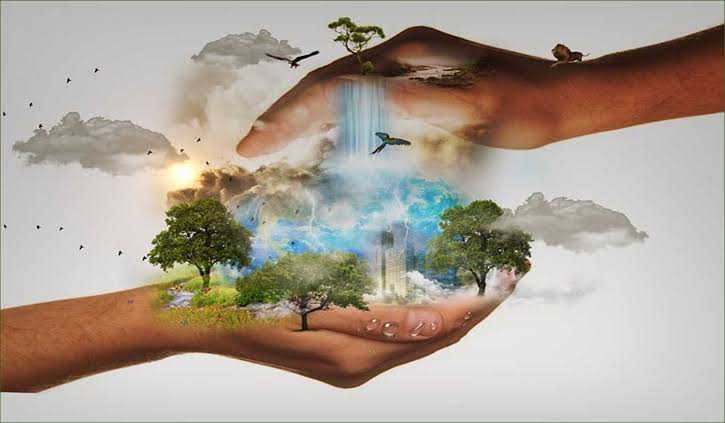
Natural resources are materials or substances that occur naturally in the environment and can be used by humans for survival or economic benefit.
They include everything from the air we breathe to deep underground minerals like iron, copper, and gold.
These resources form the raw material base for nearly every product, industry, and food system humans rely on.
Why Are Natural Resources Important for Human Survival?
At the most basic level, natural resources keep humans alive. Without them, food, water, and shelter would not exist in their current forms.
Food and Agriculture
Fertile soil, fresh water, and sunlight work together to grow the crops that feed billions of people every day.
Agricultural resources also support livestock farming, which depends on grazing land, clean water, and natural feed sources.
Clean Air and Water
Air and water are necessary resources that all living organisms depend on for basic biological function.
Forests and wetlands naturally filter air and water, making these ecosystems essential partners in keeping resources clean and usable.
Shelter and Raw Materials
Timber, stone, clay, and metals provide the raw materials used to build homes, schools, and infrastructure.
Even modern construction materials like concrete and steel trace back to natural resources extracted from the earth.
Types of Natural Resources
Natural resources generally fall into two broad categories based on how quickly they can be replenished by nature.
| Category | Definition | Examples |
|---|---|---|
| Renewable | Naturally replenished over time | Sunlight, wind, water, forests |
| Non-renewable | Finite and slow to form, if at all | Coal, oil, natural gas, minerals |
Renewable Natural Resources
Renewable resources can be replaced naturally within a relatively short period, making them sustainable when managed responsibly.
Solar energy, wind power, and flowing water are commonly used to generate clean electricity without depleting the source.
Forests are also renewable, since new trees can be planted to replace those that are harvested.
Non-Renewable Natural Resources
Non-renewable resources take millions of years to form and cannot be replaced once they are used up.
Fossil fuels such as coal, oil, and natural gas fall into this category and remain heavily used for energy and manufacturing.
Minerals and metals are also non-renewable, since the earth only contains a fixed supply that depletes over time.
Why Are Natural Resources Important for the Economy?
Beyond survival, natural resources drive economic activity at local, national, and global levels.
Job Creation
Industries like mining, forestry, agriculture, and fishing employ millions of people worldwide, all dependent on natural resource availability.
Entire regional economies can rise or fall based on the presence and management of local natural resources.
Industrial Production
Manufacturing relies heavily on raw materials like metals, timber, and petroleum to create everyday products, from electronics to packaging.
Without a steady supply of natural resources, industrial output and supply chains would face serious disruption.
Trade and Exports
Many countries build significant portions of their economy around exporting natural resources like oil, timber, or minerals.
This trade generates national revenue and supports international economic relationships.
Natural Resources and Energy Production
Energy production depends almost entirely on natural resources, whether renewable or non-renewable.
Fossil fuels currently power a large share of global electricity, transportation, and heating needs.
At the same time, renewable sources like solar, wind, and hydropower are growing rapidly as cleaner alternatives.
| Energy Source | Resource Type | Common Use |
|---|---|---|
| Solar | Renewable | Electricity, heating |
| Wind | Renewable | Electricity generation |
| Hydropower | Renewable | Electricity, water management |
| Coal | Non-renewable | Electricity, industrial heat |
| Natural gas | Non-renewable | Heating, electricity |
| Oil | Non-renewable | Transportation, manufacturing |
Role of Natural Resources in Agriculture
Agriculture depends directly on soil quality, freshwater availability, and stable climate conditions, all of which are natural resources.
Healthy soil supports stronger crop yields, while irrigation systems rely on accessible water resources to function properly.
Overuse or pollution of agricultural land can quickly reduce productivity, showing how closely farming and resource health are linked.
Natural Resources and Ecological Balance
Natural resources do more than supply raw materials. They also maintain the delicate balance that keeps ecosystems functioning properly.
Forests regulate climate and provide habitat for wildlife, while wetlands filter pollutants and reduce flooding risks.
When natural resources are degraded, the ripple effects can disrupt entire food chains and local biodiversity.
Importance of Natural Resources in Everyday Life
It is easy to overlook how many daily activities depend directly on natural resources.
| Daily Activity | Natural Resource Involved |
|---|---|
| Drinking water | Freshwater sources |
| Charging a phone | Electricity from coal, gas, or renewables |
| Wearing cotton clothing | Soil, water, sunlight for crop growth |
| Driving a car | Petroleum-based fuel |
| Eating bread | Soil, water, sunlight for wheat |
| Building a house | Timber, stone, metal |
Natural Resources and Climate Change
The way natural resources are extracted and used directly influences climate change patterns around the world.
Burning fossil fuels releases greenhouse gases that contribute to rising global temperatures and shifting weather patterns.
Protecting renewable resources like forests helps absorb carbon dioxide, making conservation an important climate strategy.
Causes and Effects of Natural Resource Depletion
Resource depletion happens when natural resources are used faster than they can naturally replenish, or when non-renewable supplies run low.
Common Causes
Overconsumption, population growth, deforestation, and inefficient industrial practices all contribute to faster resource depletion.
Pollution can also damage renewable resources like water and soil, reducing their long-term usability.
Effects of Depletion
Resource shortages can drive up prices, disrupt food supply chains, and increase competition between regions or countries.
Environmental effects include habitat loss, reduced biodiversity, and weakened ecosystem resilience to climate shifts.
How Can We Conserve Natural Resources?
Conservation efforts help ensure natural resources remain available for future generations while supporting current needs.
Reduce, Reuse, Recycle
Cutting down on unnecessary consumption and recycling materials like metal, paper, and plastic reduces pressure on raw resource extraction.
Even small household habits, like reducing water waste, add up significantly across large populations.
Sustainable Energy Adoption
Shifting toward solar, wind, and other renewable energy sources reduces dependence on finite fossil fuel reserves.
Many governments and businesses are investing heavily in clean energy infrastructure to support this transition.
Responsible Land and Water Use
Sustainable farming practices, reforestation programs, and water conservation policies help protect renewable resources from overuse.
Protecting wetlands and forests also supports natural filtration systems that keep air and water clean.
Natural Resources by Region – Quick Examples
Natural resource availability varies significantly depending on geography and climate.
| Region | Abundant Natural Resources |
|---|---|
| Middle East | Oil, natural gas |
| Amazon Basin | Timber, biodiversity, fresh water |
| Sub-Saharan Africa | Minerals, arable land |
| North America | Coal, natural gas, agricultural land |
| Scandinavia | Hydropower, forests |
Natural Resources and National Security
Access to natural resources can directly influence a country’s stability, independence, and strategic decision-making.
Nations with limited domestic energy resources often depend on imports, which can create vulnerability during global supply disruptions.
Countries rich in resources like oil, minerals, or fertile land often hold stronger negotiating power in international trade and diplomacy.
This is why governments frequently treat resource security as a core part of broader national security planning.
Natural Resources in Technology and Manufacturing
Modern technology depends on a surprising range of natural resources, many of which are easy to overlook.
Rare Earth Minerals
Smartphones, laptops, and electric vehicle batteries rely on rare earth minerals extracted through mining operations around the world.
These minerals are considered non-renewable, making responsible sourcing and recycling increasingly important as technology demand grows.
Water in Manufacturing
Many manufacturing processes, from textiles to electronics, require large volumes of water for cooling, cleaning, and production.
This makes water availability a key factor in where industries choose to operate and expand.
Timber and Packaging
Paper, cardboard, and certain packaging materials still rely on timber resources, even as digital alternatives reduce some demand.
Sustainable forestry practices help balance ongoing industrial need with long-term forest health.
The Connection Between Natural Resources and Public Health
Natural resources influence public health in ways that are not always immediately obvious.
Clean air and water directly reduce the risk of respiratory illness and waterborne disease across communities.
Access to fertile land supports nutritious food production, which plays a major role in preventing malnutrition and diet-related health issues.
When natural resources become polluted or scarce, public health outcomes often decline as a direct result.
Natural Resources and Tourism
Many tourism industries are built almost entirely around natural resources like forests, coastlines, mountains, and wildlife.
National parks, beaches, and scenic landscapes attract millions of visitors annually, generating significant revenue for local economies.
Protecting these natural assets is essential, since damaged ecosystems often lead to reduced tourist interest and economic loss over time.
| Tourism Type | Natural Resource Involved | Economic Benefit |
|---|---|---|
| Beach tourism | Coastlines, clean water | Hospitality, local business revenue |
| Eco-tourism | Forests, wildlife | Conservation funding, local jobs |
| Mountain tourism | Terrain, fresh air | Outdoor recreation industry growth |
Why This Topic Matters More Than Ever in 2026
Global population growth, rising consumption, and ongoing climate concerns make natural resource awareness more relevant today than in previous decades.
Businesses, governments, and households are all being asked to rethink how resources are extracted, used, and replenished.
Understanding why natural resources are important is the first step toward making smarter, more sustainable choices at every level of society.
Natural Resources and Future Generations
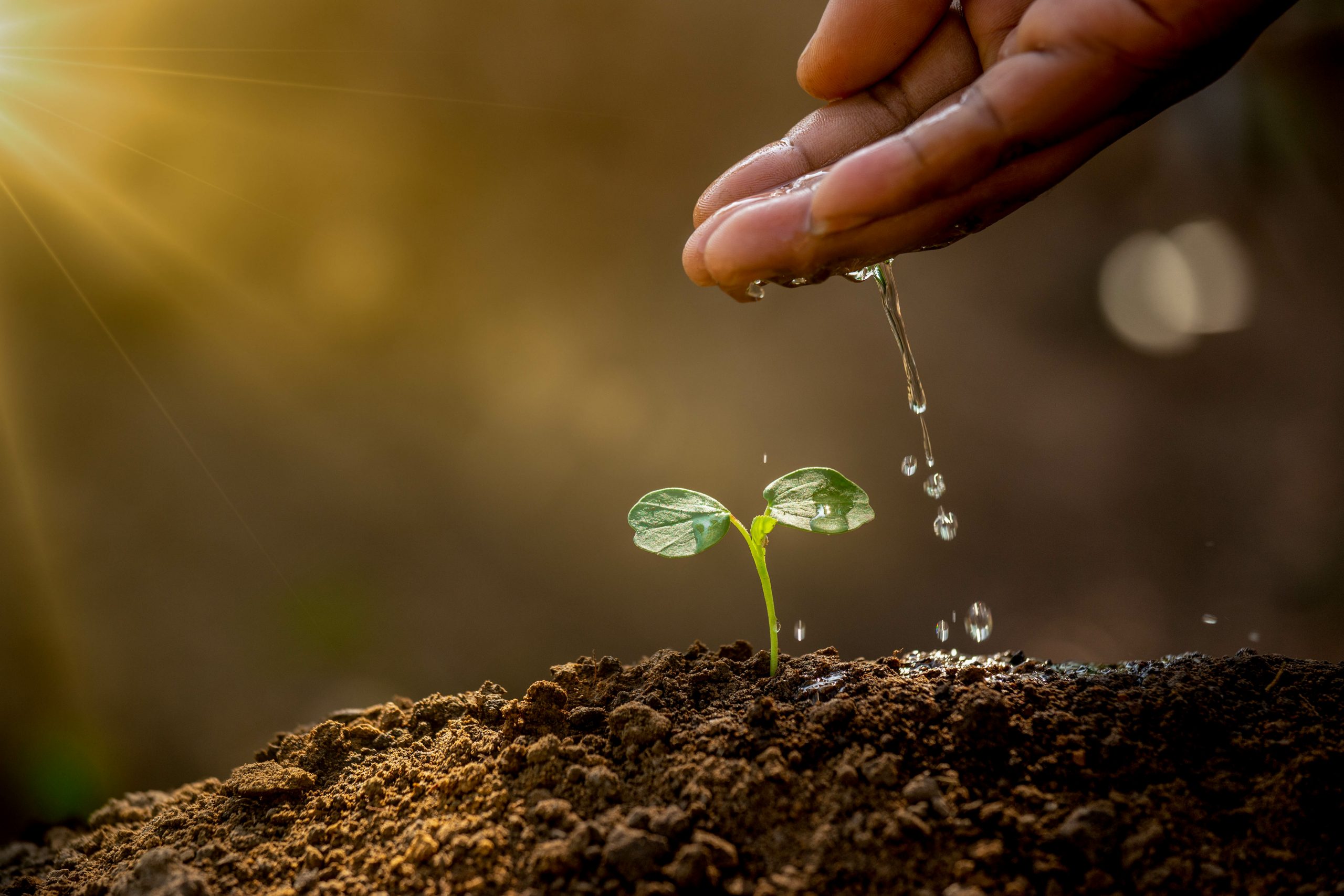
Protecting natural resources today directly shapes the quality of life available to future generations.
Sustainable use means meeting current needs without compromising the ability of children and grandchildren to access the same resources.
Long-term planning around water, energy, and land use helps ensure resources remain available decades from now, not just in the present.
Many environmental experts describe this approach as intergenerational responsibility, emphasizing that today’s choices carry lasting consequences.
How Natural Resources Influence Global Trade Relationships
Countries with abundant natural resources often become key players in international trade, shaping global economic relationships.
Oil-exporting nations, for example, hold significant influence over global energy markets and pricing trends.
Meanwhile, countries with limited natural resources frequently rely on trade partnerships to secure consistent access to essential materials.
This interconnected system means that resource availability in one region can directly affect prices and supply chains worldwide.
Renewable Energy Growth and Its Link to Natural Resources
The global shift toward renewable energy is closely tied to growing awareness of natural resource limitations.
Solar panels, wind turbines, and hydropower systems all harness naturally occurring energy sources without depleting them.
As technology improves and costs decrease, renewable energy adoption continues expanding across both developed and developing economies.
This shift reduces dependence on finite fossil fuel reserves while supporting long-term environmental sustainability goals.
Natural Resources vs Man-Made Resources
Understanding the difference between natural and man-made resources helps clarify why conservation efforts focus so heavily on the former.
Man-made resources, like plastic, steel beams, or synthetic fabric, are created by humans using raw natural materials as a starting point.
This means even man-made products ultimately trace back to natural resources somewhere in the supply chain.
| Resource Type | Origin | Example |
|---|---|---|
| Natural | Occurs in nature | Water, timber, minerals |
| Man-made | Created using natural raw materials | Plastic, steel, synthetic fiber |
How Businesses Depend on Natural Resources
Nearly every industry, regardless of size, relies on natural resources somewhere in its operations or supply chain.
Agriculture and Food Businesses
Farms and food companies depend directly on soil quality, water access, and stable weather patterns to maintain production.
Disruptions to these resources can quickly affect pricing, availability, and overall business stability.
Construction and Real Estate
Builders rely on timber, stone, sand, and metal resources to complete projects, making material availability a key business factor.
Rising resource costs often directly affect construction budgets and project timelines.
Technology Companies
Electronics manufacturers depend on mined metals and minerals, making responsible sourcing an increasingly important business consideration.
Many companies now publish sustainability reports detailing how they manage natural resource use within their supply chains.
Practical Tips for Families to Conserve Natural Resources at Home
Conservation does not require large-scale changes. Small daily habits can meaningfully reduce household resource consumption over time.
Turning off lights when not in use and switching to energy-efficient bulbs reduces electricity demand from non-renewable sources.
Fixing leaky faucets and taking shorter showers can significantly cut household water waste.
Composting food scraps and recycling paper, glass, and plastic reduces strain on raw material extraction.
Choosing reusable bags, bottles, and containers over single-use items lowers overall resource consumption across a household.
Government Policies That Protect Natural Resources
Many countries have established laws and agencies dedicated specifically to managing and protecting natural resources.
Environmental Regulations
Regulations often limit pollution levels, control industrial waste, and set guidelines for sustainable resource extraction.
These rules help balance economic development with long-term environmental protection.
Protected Land and Wildlife Areas
National parks and wildlife reserves protect natural resources from overdevelopment, preserving biodiversity and ecosystem health.
These protected areas also support scientific research and long-term environmental monitoring.
International Agreements
Global agreements on climate and resource management encourage countries to cooperate on shared environmental challenges.
These agreements often address issues like deforestation, carbon emissions, and ocean resource protection.
Education and Awareness About Natural Resources
Teaching children and communities about natural resources builds long-term habits that support conservation.
Schools increasingly include environmental education to help students understand where everyday products come from and why conservation matters.
Community awareness programs, recycling initiatives, and local clean-up efforts also reinforce sustainable resource habits at a grassroots level.
Future Outlook: Natural Resources in 2026 and Beyond
Looking ahead, natural resource management is expected to become even more central to economic and environmental planning.
Renewable energy adoption continues to grow, driven by both environmental concerns and improving technology costs.
At the same time, population growth and rising consumption will likely increase pressure on existing natural resources.
Balancing development with conservation will remain one of the defining global challenges in the years ahead.
Common Myths About Natural Resources
Several misconceptions exist around natural resources, which can lead to confusion about their importance and management.
Some people assume all natural resources are unlimited. In reality, only renewable resources replenish naturally, and even those can be depleted through overuse.
Others believe conservation only matters for non-renewable resources. In truth, even renewable resources like fresh water and forests need careful management to remain sustainable.
Finally, many assume resource conservation is solely a government responsibility. Individual and community actions also play a meaningful role in protecting natural resources long-term.
Frequently Asked Questions (FAQs)
1. Why are natural resources important to humans?
Natural resources provide food, water, energy, and raw materials essential for survival, industry, and overall economic development.
2. What is the difference between renewable and non-renewable resources?
Renewable resources replenish naturally over time, like sunlight and water, while non-renewable resources, like oil and coal, are finite.
3. How do natural resources affect the economy?
They create jobs, support industries like agriculture and mining, and generate trade revenue through exports worldwide.
4. What happens when natural resources are depleted?
Depletion can raise prices, disrupt supply chains, damage ecosystems, and reduce long-term availability for future generations.
5. Why is water considered a natural resource?
Water occurs naturally and is essential for drinking, agriculture, sanitation, and supporting all forms of life on Earth.
6. How can individuals help conserve natural resources?
Simple actions like recycling, reducing water waste, and using energy-efficient appliances all help conserve natural resources.
7. Are forests renewable or non-renewable resources?
Forests are renewable, since new trees can grow to replace those harvested, though sustainable management is required.
8. Why are natural resources important for climate change?
They influence greenhouse gas emissions and carbon absorption, making resource management central to addressing climate change.
9. What industries depend most on natural resources?
Agriculture, energy, construction, mining, and manufacturing all rely heavily on a steady supply of natural resources.
10. Can natural resources run out completely?
Non-renewable resources can eventually run out, while renewable resources can be sustained indefinitely with responsible management.
Conclusion
Why are natural resources important becomes clear once you consider how deeply they shape daily life, from the food on our plates to the energy powering our homes and industries.
Renewable resources like sunlight, wind, and water offer long-term sustainability, while non-renewable resources like oil, coal, and minerals remain essential but limited in supply.
Natural resources support economies, maintain ecological balance, and influence climate patterns worldwide. As demand continues to grow, responsible management and conservation become increasingly important for protecting these resources for future generations.
Whether through individual habits like recycling or larger shifts toward renewable energy, everyone has a role to play. Understanding and respecting natural resources today helps ensure a healthier, more sustainable planet tomorrow.
