

Why do kids get warts is one of the most common questions pediatricians hear during checkups. Warts are small, rough skin growths caused by the human papillomavirus, or HPV.
They are extremely common in school-aged children and almost never dangerous. Most kids will develop at least one wart before they turn 12, often on the hands, fingers, or feet.
The good news is that warts are usually harmless and tend to clear up on their own over time.
What Exactly Are Warts?
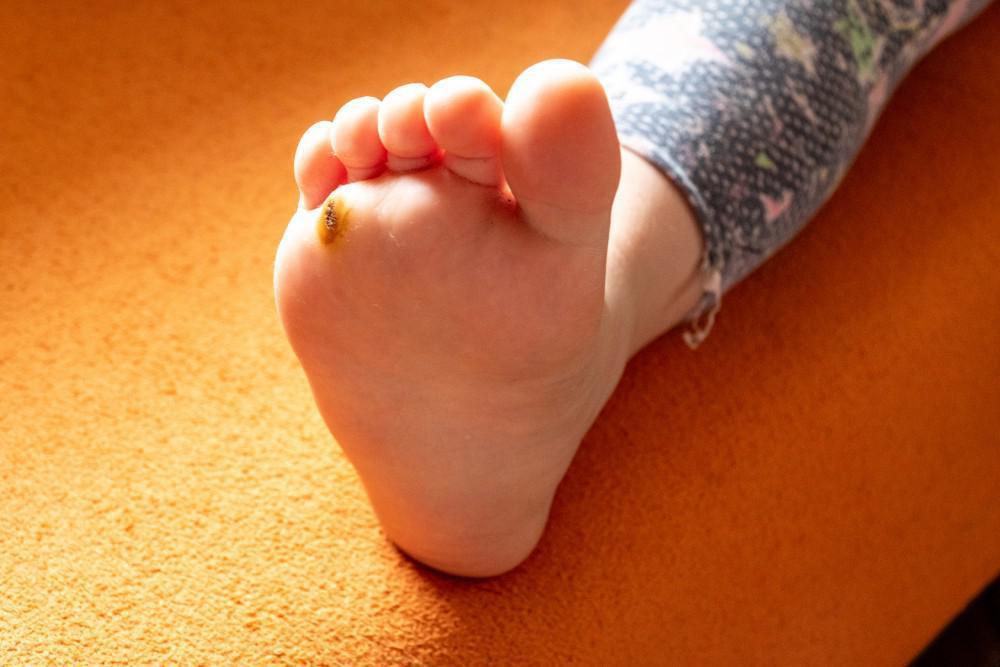
Warts are small, noncancerous bumps that grow when a virus infects the top layer of skin. They are not dirt, not a sign of poor hygiene, and not anything a parent did wrong.
The virus causes skin cells to multiply faster than normal. This rapid growth creates the rough, raised texture parents recognize as a wart.
Warts can appear alone or in small clusters. They range from pinhead-sized to about the width of a pencil eraser.
Why Do Kids Get Warts More Than Adults?
Children get warts far more often than adults do, and there are clear biological and behavioral reasons for this pattern.
Developing Immune Systems
A child’s immune system is still learning how to recognize and fight off new viruses, including the strains of HPV that cause warts.
This is similar to how kids catch more colds than adults. Their bodies simply have less built-up immunity to common viruses circulating around them.
Close Contact With Other Children
Kids spend hours each day in close physical contact with classmates, teammates, and siblings. This constant contact makes virus transmission much easier.
Daycare centers, school hallways, playgrounds, and sports teams are all places where skin-to-skin contact happens frequently and casually.
Tiny Cuts and Skin Breaks
HPV needs a small entry point to infect the skin. Children naturally have more scrapes, hangnails, and tiny cuts from active play.
Even a paper cut or a scratch from rough play can be enough for the virus to take hold and eventually form a wart.
Common Causes and Risk Factors for Warts in Children
Several everyday habits and environments raise a child’s chances of developing warts. Understanding these risk factors helps parents take simple preventive steps.
Nail Biting and Hangnails
Biting fingernails or picking at hangnails creates tiny breaks in the skin around the nail bed, giving the virus an easy way in.
This is one of the most common reasons children develop warts specifically on or near their fingers.
Shared Sports Equipment
Baseball gloves, batting gloves, hockey gear, and gym equipment can carry the virus, especially when used by multiple children without cleaning.
Moist environments inside gloves and pads make it easier for HPV to survive and transfer between users.
Swimming Pools and Locker Rooms
Pool decks, shower floors, and locker rooms are damp, communal spaces where the wart virus thrives on surfaces.
Children who swim regularly or walk barefoot in these areas face a higher risk of developing plantar warts on their feet.
Walking Barefoot
Bare feet on wet communal floors expose the skin directly to surfaces that may carry the virus, especially if there are small cuts or cracks.
Wearing sandals or pool shoes in shared wet areas is a simple way to lower this exposure.
Are Warts in Kids Contagious?
Yes, warts are mildly contagious, though they are not as easily spread as a cold or the flu. They require fairly close or repeated contact to pass from one child to another.
Warts can spread two main ways: direct skin-to-skin contact, and indirect contact through shared surfaces like towels, mats, or pool decks.
A child can also spread a wart to a new spot on their own body by picking at it and then touching another area of skin.
| Spread Type | Example | Risk Level |
|---|---|---|
| Direct contact | Holding hands with a child who has a wart | Moderate |
| Indirect contact | Sharing a towel or shoes | Moderate |
| Self-spread | Picking a wart, then touching another body part | High |
| Casual contact | Sitting near a child with a wart in class | Low |
Types of Warts Children Get
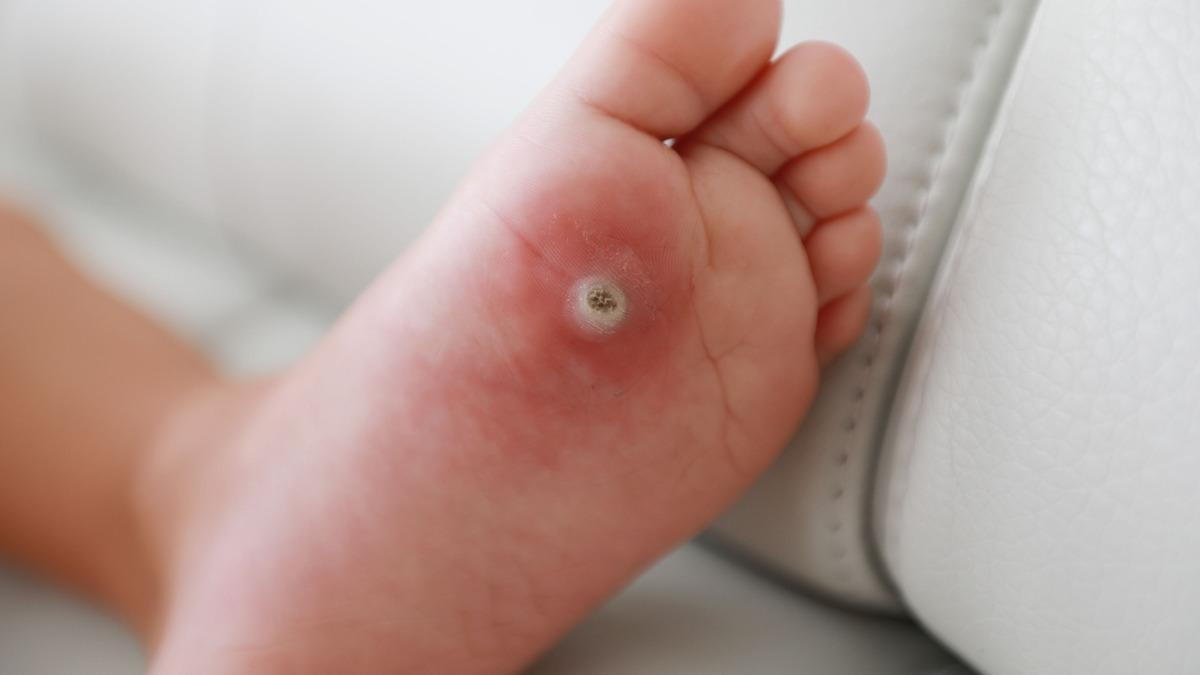
Not all warts look the same. The location and appearance can help parents and doctors identify which type a child has.
Common Warts
These have a rough, raised, cauliflower-like surface and usually appear on the fingers, hands, and around the nails.
They are the most frequently seen type of wart in school-aged children.
Plantar Warts
Plantar warts grow on the soles of the feet and often get pushed flat by the pressure of walking and standing.
They can feel like a small pebble stuck in the shoe and sometimes have tiny black dots, which are actually small clotted blood vessels.
Flat Warts
Flat warts are smaller, smoother, and flatter than common warts. They tend to appear in clusters on the face, arms, or legs.
Because they are subtle, parents sometimes mistake flat warts for acne or simple skin texture changes.
Filiform Warts
Filiform warts are thin, finger-like projections that often grow around the eyes, nose, or mouth.
Their unusual shape can make them more noticeable, even though they behave the same as other wart types.
| Wart Type | Common Location | Typical Look |
|---|---|---|
| Common warts | Hands, fingers, around nails | Rough, raised, grayish-brown |
| Plantar warts | Soles of feet | Flat, callused, may have black dots |
| Flat warts | Face, arms, legs | Smooth, small, flesh-colored clusters |
| Filiform warts | Around eyes, nose, mouth | Thin, thread-like projections |
How Long Do Warts Take To Develop and Go Away?
Warts grow slowly, which makes it hard to pinpoint exactly when or where a child picked up the virus.
It can take weeks to several months after exposure before a wart becomes visible on the skin.
Many warts disappear on their own within months to about two years as the child’s immune system gradually fights off the virus.
Some warts, however, persist longer or come back after treatment, since HPV can remain dormant in the skin.
How Are Warts Diagnosed?
Most warts are diagnosed simply by looking at them. A pediatrician or dermatologist examines the size, texture, color, and location.
In rare or unclear cases, a small skin sample may be taken to confirm the diagnosis and rule out other skin conditions.
Parents rarely need special testing, since the appearance of a wart is usually distinctive enough on its own.
At-Home Treatment Options for Kids’ Warts
Many mild warts can be managed at home, especially when they are small, painless, and not spreading quickly.
Always check with your child’s doctor before treating warts on the face, near the eyes, or in sensitive areas.
| At-Home Option | How It Works | Notes for Parents |
|---|---|---|
| Salicylic acid | Gradually peels away infected skin layers | Apply daily; avoid healthy surrounding skin |
| Duct tape occlusion | May trigger an immune response under the tape | Evidence is mixed; generally low-risk to try |
| Soaking and filing | Softens skin before applying medicine | Use a dedicated emery board, not nail files |
| Keeping skin dry | Reduces the moist environment HPV prefers | Change socks often for foot warts |
Salicylic Acid Patches and Gels
Salicylic acid is the most common over-the-counter wart treatment. It works by slowly breaking down the thickened, infected skin layer by layer.
This treatment usually needs daily use for several weeks before a wart fully clears.
Duct Tape Method
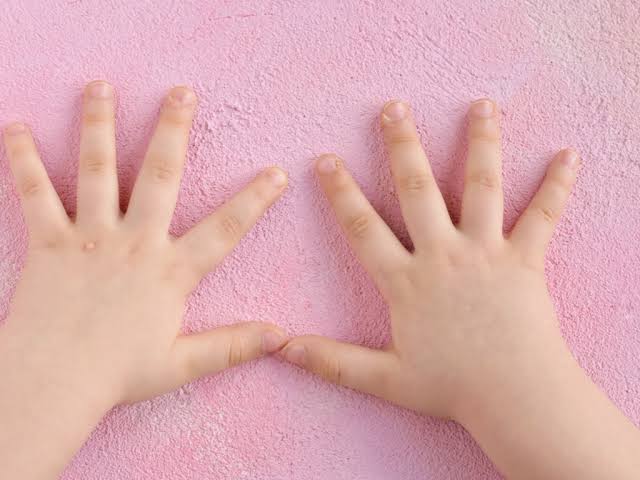
Some parents try covering the wart with duct tape for several days at a time, removing it to soak and file the area before reapplying.
Doctors are not fully certain why this sometimes works, but it is low-risk and easy to attempt at home.
Keeping the Area Clean and Dry
Since HPV thrives in moisture, keeping the affected skin clean and dry can help prevent warts from spreading or worsening.
This is especially helpful for plantar warts on sweaty or damp feet.
Medical Treatments for Stubborn Warts
When at-home methods do not work, a doctor has several stronger options available for treating childhood warts.
Cryotherapy
Cryotherapy uses liquid nitrogen to freeze the wart tissue. The skin often blisters slightly before the wart falls off over the following weeks.
This treatment may need to be repeated every two to three weeks and can cause temporary discomfort.
Prescription-Strength Topical Medication
If standard salicylic acid is not strong enough, doctors can prescribe more concentrated formulas to break down stubborn warts faster.
These are typically reserved for thicker areas of skin, like the palms or soles of the feet.
Laser or Minor Surgical Removal
For warts that resist other treatments, laser therapy or minor surgical removal may be recommended as a last resort.
This option is usually considered only after simpler treatments have been tried without success.
When Should You See a Doctor?
Most warts do not require an urgent visit, but certain signs mean it is time to call your child’s pediatrician.
A wart that is painful, especially on the foot, deserves medical attention since it can affect walking and daily activity.
Rapidly spreading warts, clusters forming quickly, or warts appearing on the face or genital area should also be checked by a doctor.
Signs of infection, such as pus, bleeding, redness, or drainage around a wart, are a clear reason to seek prompt medical care.
A wart that has not responded to several weeks of consistent home treatment is also worth discussing with a healthcare provider.
How to Prevent Warts in Children
While it is impossible to fully prevent wart exposure, a few simple habits can lower the risk significantly.
Encourage children not to bite their nails or pick at hangnails, since this creates easy entry points for the virus.
Have kids wear sandals or pool shoes in locker rooms, public showers, and around swimming pools.
Avoid sharing towels, socks, shoes, or sports gloves between children whenever possible.
If a child already has a wart, gently cover it with a bandage during contact sports to reduce the chance of spreading it.
Warts vs Other Skin Bumps – Quick Comparison
Parents sometimes confuse warts with other common childhood skin issues. This table makes the differences easier to spot.
| Condition | Cause | Key Difference From Warts |
|---|---|---|
| Warts | HPV virus | Rough texture, slow growth, mildly contagious |
| Molluscum contagiosum | Poxvirus | Smooth, dome-shaped bumps with a central dimple |
| Calluses | Friction or pressure | No virus involved; skin lines remain visible |
| Skin tags | Friction, genetics | Soft, smooth, hang off the skin slightly |
Does Age Affect Wart Risk?

Wart risk is not evenly spread across childhood. Certain age groups are more prone to outbreaks than others.
Toddlers and Preschoolers
Younger children have the least developed immunity to HPV, but they also spend less time in shared sports or pool environments.
Warts in this age group often appear after daycare exposure or contact with older siblings.
School-Aged Children
Kids between roughly 5 and 12 years old see the highest rates of warts. This matches their heavy exposure to classmates, gym floors, and shared equipment.
Hand-to-hand contact during games and group activities makes this the peak age range for new warts.
Teenagers
Teen immune systems are stronger, so new warts become less frequent. However, locker rooms, communal showers, and team sports keep plantar warts common in this group.
| Age Group | Typical Risk Level | Most Common Wart Sites |
|---|---|---|
| Toddlers (1–4) | Low to moderate | Hands, face |
| School-age (5–12) | Highest | Hands, fingers, feet |
| Teens (13–18) | Moderate | Feet, hands |
Do Genetics Play a Role in Wart Susceptibility?
Some children seem to develop warts much more easily than their siblings or classmates, even with similar exposure levels.
Researchers believe genetics can influence how efficiently a child’s immune system recognizes and clears HPV from the skin.
This explains why one child in a family may have several warts while another, exposed to the same environment, never develops any.
Can Diet and Overall Health Influence Warts?
A child’s general health does not directly cause or prevent wart exposure, but a strong immune system can help clear the virus faster.
Adequate sleep, a balanced diet, and regular physical activity all support healthy immune function over time.
Children with weakened immune systems, due to certain medical conditions or medications, may develop more frequent or more persistent warts.
The Emotional Side of Warts in Kids
Beyond the physical symptoms, warts can sometimes affect a child’s confidence, especially when they appear on visible areas like the hands or face.
Reassuring children that warts are common, not dramatically contagious, and very treatable can ease embarrassment around classmates.
Encouraging a calm, factual conversation about warts helps prevent unnecessary worry or self-consciousness.
Warts and School: What Parents Should Know
Most schools do not require children to stay home because of a wart, since it spreads through close or repeated contact rather than casual presence.
For contact sports or activities like wrestling, gymnastics, or swim team, covering a wart with a bandage or tape is often recommended.
Checking with the school nurse or coach about specific policies can help avoid confusion before practice or competition days.
Quick Reference: Warts at a Glance
| Question | Quick Answer |
|---|---|
| What causes warts? | The human papillomavirus (HPV) |
| Are they dangerous? | No, almost always harmless |
| Most common age group? | School-aged children, 5–12 years |
| Average time to clear? | Months to about two years |
| Most common locations? | Hands, fingers, feet |
Warts on the Face vs Warts on the Hands and Feet
Location matters when deciding how to treat a wart safely, since the skin on the face is much more sensitive than on the hands or feet.
Facial Warts
Filiform and flat warts on the face should not be treated with standard over-the-counter salicylic acid products without a doctor’s guidance.
A pediatrician or dermatologist can recommend gentler, child-safe options for this delicate area.
Hand and Finger Warts
These are usually the easiest to treat at home, since the skin is thicker and more tolerant of salicylic acid or duct tape methods.
Still, warts near the nail bed should be watched closely, as they can sometimes affect nail growth if left untreated for a long time.
Foot Warts
Plantar warts often need a bit more patience because thick, callused skin on the sole can slow down how quickly treatments work.
If a foot wart is painful or interfering with walking, a doctor’s appointment is usually the fastest path to relief.
Common Myths About Warts
A lot of misinformation circulates about why children get warts, so it helps to separate fact from fiction.
Touching frogs or toads does not cause warts. This old myth has no connection to the actual HPV virus responsible for them.
Warts are also not caused by poor hygiene. Even children who wash regularly can develop warts simply through normal play and contact.
Finally, warts are not a sign of a weak overall immune system. They mainly reflect the fact that a child’s immunity to this specific virus is still developing.
Frequently Asked Questions (FAQs)
1. Why do kids get warts more often than adults?
Children’s immune systems have not yet built resistance to HPV strains. Frequent close contact and minor skin cuts also increase their exposure.
2. Are warts contagious between siblings?
Yes, siblings can pass warts through direct skin contact or by sharing towels, socks, or shoes around the house.
3. Do warts go away on their own?
Many warts clear up within months to about two years as the child’s immune system fights off the virus naturally.
4. Can swimming pools cause warts?
Pool decks and locker rooms are damp, communal areas where HPV can survive, raising the risk of plantar warts on bare feet.
5. Is duct tape an effective wart treatment?
Results are mixed, but duct tape is low-risk and many parents try it alongside or instead of salicylic acid treatments.
6. What is the difference between a wart and a callus?
Calluses form from friction and show normal skin lines, while warts have a rough surface and may contain tiny black dots.
7. Should I let my child pick at their wart?
No, picking at a wart can spread the virus to other parts of the body and increase the chance of infection.
8. Are plantar warts painful?
Plantar warts can feel like stepping on a small pebble because they grow inward under the pressure of walking.
9. When does a child’s wart need a doctor’s visit?
See a doctor if the wart is painful, spreading quickly, on the face or genitals, or showing signs of infection.
10. Can warts come back after treatment?
Yes, warts can return because HPV may remain dormant in the skin even after the visible wart is removed.
Conclusion
Why do kids get warts ultimately comes down to a simple combination of developing immune systems, close everyday contact with other children, and small skin breaks that give HPV an easy way in.
Most warts are harmless, slow-growing, and eventually disappear without aggressive treatment. Knowing the different types, from common and plantar to flat and filiform, helps parents recognize what they are dealing with early on.
Simple habits, like discouraging nail biting, wearing sandals in locker rooms, and avoiding shared towels or shoes, can meaningfully lower the risk.
When a wart is painful, spreading rapidly, or shows signs of infection, a pediatrician visit is the right next step. With patience and the right at-home or medical care, most children move past warts as just another small bump in growing up.
