

Why is my mouth watering is a question many people ask when they notice an uncomfortable and persistent buildup of saliva that goes beyond the normal response to food.
While occasional mouth watering is completely natural, excessive or unexplained salivation can be a sign of an underlying health condition that needs attention.
Medically known as hypersalivation or sialorrhea, this condition affects people of all ages and can range from mildly inconvenient to significantly disruptive.
What Is Mouth Watering and What Causes Normal Saliva Production

Mouth watering is the increased production of saliva by the salivary glands. The human body has three pairs of major salivary glands, the parotid, submandibular, and sublingual glands, plus hundreds of minor ones throughout the mouth.
Every day, a healthy adult produces between 0.75 and 1.5 litres of saliva. Production peaks during eating and reaches its lowest point during sleep. This rhythm is completely normal.
Saliva performs essential functions. It moistens and binds food, breaks it down with digestive enzymes, washes bacteria away from the teeth, neutralises acids that erode enamel, and protects the soft tissues of the mouth. Problems arise when production goes significantly above or below the normal range.
What Is Hypersalivation and Sialorrhea
Hypersalivation, also called sialorrhea or ptyalism, is the medical term for excessive saliva production. It describes a situation where the salivary glands are producing more saliva than the body can comfortably swallow or manage.
There are two mechanisms behind a watery mouth. In true hypersalivation, the salivary glands are genuinely overproducing saliva. In pseudo-hypersalivation, saliva production is normal but the person cannot clear it efficiently due to difficulty swallowing or weakened facial muscles.
Understanding which type is occurring matters because the treatment approach is different. True overproduction is most commonly triggered by acid reflux, nausea, pregnancy, medications, or oral infections. Reduced clearance is more often linked to neurological conditions.
| Type | Cause | Common Conditions |
|---|---|---|
| True Hypersalivation | Salivary glands overproducing | GERD, pregnancy, infections, medications |
| Pseudo-Hypersalivation | Normal production, poor clearance | Parkinson’s, ALS, cerebral palsy, stroke |
| Mixed | Both overproduction and clearance issues | Severe neurological conditions |
Cause 1: Food, Smell, and the Pavlovian Response
The most common and harmless reason your mouth waters is the anticipation of food. When you see, smell, or even think about something delicious, your brain sends signals to the salivary glands to start producing saliva in preparation for digestion.
This is known as the cephalic phase of digestion. It is a reflex response documented by Ivan Pavlov’s famous experiments and is entirely normal and healthy. Your body is simply getting ready to process food.
Certain foods are particularly powerful triggers. Highly acidic foods like citrus fruits, sour candies, and vinegar-based dishes can cause significant salivation. Spicy foods and strong aromas are also potent stimulants of the salivary glands.
Cause 2: Nausea
Nausea is one of the most frequently reported causes of sudden excessive mouth watering. When the body feels queasy, saliva production increases significantly as a protective reflex.
The extra saliva serves a biological purpose. It coats the mouth and throat to protect the delicate mucous membranes from stomach acid in case vomiting occurs. It also helps neutralise acid before it can damage the teeth and oesophagus.
This is why many people notice their mouth flooding with saliva just before they are sick. It is the body’s early warning system and protective response happening simultaneously. If your mouth is watering persistently alongside ongoing nausea, identifying and treating the nausea itself is the most direct solution.
Cause 3: Acid Reflux and GERD
Acid reflux and gastroesophageal reflux disease, commonly known as GERD, are among the most significant medical causes of excessive mouth watering. When stomach acid travels back up into the oesophagus, the body responds by producing extra saliva to neutralise and wash down the acid.
This reflex response is sometimes called water brash. It is characterised by a sudden flood of watery, sometimes slightly bitter-tasting saliva that fills the mouth, often without warning. It can happen at any time but is particularly common after meals, when lying down, and during the night.
Many people with GERD experience water brash before they even notice the typical heartburn symptoms. If your mouth watering is accompanied by heartburn, regurgitation of food, or a sour taste in the mouth, GERD is a very likely cause.
Lifestyle changes such as avoiding large meals, eating slowly, cutting acidic and fatty foods, and not lying down immediately after eating can significantly reduce GERD-related mouth watering. Over-the-counter antacids or proton pump inhibitors may also provide relief, but persistent symptoms need a medical evaluation.
Cause 4: Pregnancy
Pregnancy is one of the most well-known causes of excessive mouth watering, particularly during the first trimester. The condition is so common in pregnancy that it has its own name: ptyalism gravidarum.
Hormonal fluctuations during pregnancy, especially rising levels of oestrogen and human chorionic gonadotropin, directly stimulate the salivary glands to overproduce. This often coincides with morning sickness, creating a cycle where nausea increases saliva production and excess saliva worsens the feeling of nausea.
For most pregnant women, the excessive salivation begins around the sixth week of pregnancy and peaks alongside morning sickness. It usually improves significantly after the first trimester, though some women experience it throughout pregnancy.
Staying hydrated, eating small frequent meals, and sucking on ice chips or sugar-free sweets can help manage the symptom. If it is severe enough to interfere with eating and daily functioning, a doctor should be consulted.
Cause 5: Medications as a Side Effect
A wide range of prescription and over-the-counter medications can cause increased saliva production as a side effect. This is one of the most overlooked causes of unexplained mouth watering.
Medications most commonly associated with hypersalivation include clozapine and other antipsychotic drugs used to treat schizophrenia and psychiatric conditions, certain antibiotic drugs, medications used to treat neurological disorders, some blood pressure drugs, and specific chemotherapy agents.
Stimulant medications used to treat ADHD have also been linked to increased salivation in some patients. If you have recently started a new medication and noticed increased mouth watering shortly after, the medication is a very likely cause.
Never stop a prescribed medication without speaking to your doctor. Instead, raise the concern at your next appointment. Your doctor may adjust the dosage, recommend a different medication, or suggest strategies to manage the side effect.
| Medication Category | Examples | How It Causes Mouth Watering |
|---|---|---|
| Antipsychotics | Clozapine, olanzapine | Directly stimulates salivary glands |
| Cholinergic agents | Bethanechol, pilocarpine | Activates saliva-producing nerve pathways |
| Some antibiotics | Specific types vary | Direct salivary gland stimulation |
| Neurological drugs | Certain anti-epileptics | Altered nervous system signalling |
| Stimulants | Certain ADHD medications | Increased autonomic nervous system activity |
Cause 6: Oral Infections and Dental Problems

The mouth responds to infection, injury, and irritation by producing additional saliva. This is a protective mechanism designed to flush away bacteria and reduce the spread of infection.
Tooth infections, dental abscesses, gum disease such as gingivitis and periodontitis, mouth ulcers, and ill-fitting dentures or orthodontic appliances can all trigger heightened saliva production. The inflammation and bacterial activity associated with these conditions signal the salivary glands to increase output.
If your excessive mouth watering is accompanied by tooth pain, gum swelling, bleeding gums, bad breath, or discomfort from a dental appliance, an oral health problem is a likely cause. A dentist can identify and treat the underlying issue, which typically resolves the excess saliva once the infection or irritation is addressed.
Regular brushing, flossing, and dental check-ups are the best preventive measures against oral-health-related hypersalivation.
Cause 7: Infections and Illnesses
Several common infections can trigger a sudden increase in saliva production as a side effect of the immune response or as a direct result of the infection affecting nearby tissues.
Sinus infections, strep throat, tonsillitis, and mononucleosis are among the infections most commonly linked to increased mouth watering. In these cases, the body ramps up saliva production as part of its natural defence mechanism against infection.
The connection between sinus infections and mouth watering is particularly noteworthy. When the nasal passages are blocked, the drainage from sinuses can accumulate in the throat and stimulate the salivary glands. Mouth breathing caused by nasal congestion can also alter the moisture balance in the mouth in ways that affect perceived saliva levels.
In most cases, treating the underlying infection resolves the excess saliva within days.
Cause 8: Neurological Conditions
When excessive mouth watering is persistent, severe, and accompanied by other neurological symptoms, it may be linked to a condition affecting the nervous system. Saliva production and swallowing are both controlled by complex neurological pathways, and damage to these pathways can disrupt either or both.
Parkinson’s disease is one of the most commonly cited neurological causes of hypersalivation. In Parkinson’s, the issue is not typically overproduction of saliva but rather a reduced ability to swallow frequently and efficiently. Saliva accumulates in the mouth and throat because the swallowing reflex becomes impaired.
Other neurological conditions associated with excess mouth watering or drooling include ALS (amyotrophic lateral sclerosis), cerebral palsy, multiple sclerosis, stroke, traumatic brain injury, and Bell’s palsy. In all of these, the underlying mechanism involves disrupted nerve control over swallowing and facial muscle function rather than a simple gland problem.
If you notice persistent mouth watering accompanied by difficulty swallowing, slurred speech, muscle weakness, or changes in your ability to control facial movements, seek medical evaluation promptly.
Cause 9: Anxiety and Stress
Stress and anxiety have a measurable impact on the autonomic nervous system, which controls salivary gland activity. In some people, heightened anxiety activates the parasympathetic nervous system in a way that increases saliva production.
Anxiety can also worsen underlying conditions that cause mouth watering, such as acid reflux and irritable bowel syndrome. The connection between gut health and mental health, often called the gut-brain axis, means that emotional stress can manifest as physical digestive symptoms including excessive saliva.
For some individuals, anxiety-related mouth watering is a cycle: noticing increased saliva makes them anxious about whether something is wrong, which in turn worsens the anxiety and the salivation. Addressing the anxiety through therapy, relaxation techniques, or medical treatment often helps break this cycle.
Cause 10: Teething in Infants and Toddlers
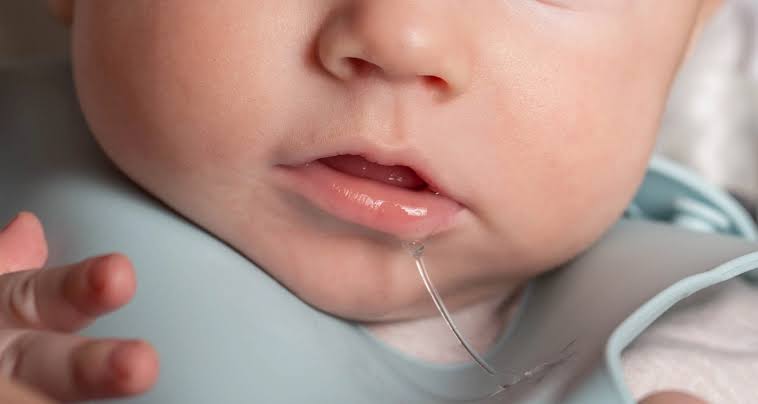
In infants and young toddlers, excessive mouth watering is almost always related to teething. When teeth begin to push through the gums, the irritation and pressure stimulate increased saliva production.
This is a completely normal developmental phase and is not a cause for concern. The excess drooling associated with teething typically begins around 3 to 6 months of age and continues intermittently until all the primary teeth have come in.
Managing teething-related drooling involves keeping a soft cloth nearby to wipe the chin and mouth regularly, using a teething ring, and keeping the skin around the mouth clean and moisturised to prevent rash from prolonged saliva contact.
Cause 11: Allergies and Sinus Conditions
Allergies, particularly those affecting the upper respiratory tract, can indirectly contribute to mouth watering. When the nasal passages are congested and inflamed due to an allergic response, nasal drainage accumulates in the throat and stimulates saliva production.
Chronic sinusitis and seasonal allergies that cause persistent nasal congestion are especially likely to produce this effect. People with these conditions often breathe through their mouths during sleep, which alters the normal saliva management that happens during nose breathing.
Treating the underlying allergies with antihistamines, nasal corticosteroid sprays, or allergen avoidance strategies typically resolves the associated excess saliva over time.
Cause 12: Poisoning and Toxic Exposure
In rare but serious cases, excessive saliva production can be a symptom of poisoning or toxic exposure. This is an uncommon cause but is worth knowing about because it can signal a medical emergency.
Bites from certain spiders or reptiles, ingestion of poisonous mushrooms, and exposure to heavy metals such as mercury or copper can all trigger intense hypersalivation as the body attempts to expel or neutralise the toxic substance.
If sudden and severe excessive salivation occurs alongside other symptoms such as dizziness, nausea, vomiting, difficulty breathing, or swelling, seek emergency medical help immediately. In these cases, hypersalivation is one of many serious symptoms requiring urgent assessment.
Symptoms That Accompany Mouth Watering
Understanding what other symptoms accompany your mouth watering helps identify the cause and guides your next steps.
| Accompanying Symptom | Likely Associated Cause |
|---|---|
| Nausea and vomiting | Nausea response, GERD, pregnancy, infections |
| Heartburn or sour taste | Acid reflux or GERD |
| Tooth or gum pain | Dental infection, abscess, gum disease |
| Difficulty swallowing | Neurological condition, throat infection |
| Fever and sore throat | Strep throat, tonsillitis, mononucleosis |
| Muscle weakness or slurred speech | Neurological condition, stroke |
| Fatigue and morning sickness | Pregnancy |
| Skin or nasal allergies | Allergic reaction, sinus condition |
| Recent medication change | Drug side effect |
| Sinus pressure or congestion | Sinus infection or allergy |
Mouth Watering at Night
Many people notice their mouth watering is worse at night or when lying down. There are several specific reasons for this pattern.
Lying flat removes the benefit of gravity in keeping stomach acid down, which makes acid reflux and GERD significantly worse during sleep. Water brash, the flood of saliva triggered by reflux, is particularly common during nighttime hours for this reason.
Sleep apnea and mouth breathing during sleep also contribute to nighttime drooling and excess saliva accumulation. When the mouth falls open during sleep, saliva pools rather than being swallowed efficiently with each breath cycle.
If your mouth watering is predominantly a nighttime problem, elevating the head of your bed by around 15 to 20 centimetres, avoiding eating within two to three hours of sleep, and addressing any snoring or sleep apnea with your doctor are the most practical initial steps.
Mouth Watering and Nausea Together
When mouth watering and nausea occur together, they are almost always linked. The two symptoms share a common biological trigger: the body preparing to vomit.
The vagus nerve, which connects the brain to the digestive system, plays a central role in this response. When it detects potential danger in the gastrointestinal tract, it simultaneously triggers nausea and increases saliva production as a dual protective mechanism.
Common conditions that cause both symptoms together include motion sickness, morning sickness in pregnancy, gastritis, food poisoning, and GERD. Treating the nausea directly, whether through dietary changes, anti-nausea medications, or treating the underlying cause, is typically the most effective way to resolve both symptoms simultaneously.
Solutions and Treatments for Mouth Watering
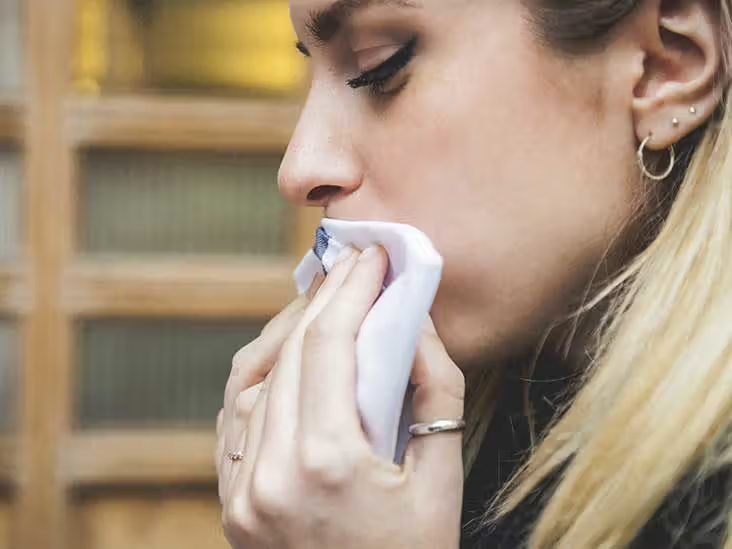
Treatment for excessive mouth watering depends entirely on the underlying cause. Addressing the root issue is always more effective than managing the symptom in isolation.
The following solutions range from simple lifestyle adjustments to medical interventions, organised from the least invasive to the most targeted.
Dietary and Lifestyle Changes
Eating smaller, more frequent meals reduces the pressure on the digestive system and lowers the likelihood of acid reflux-related mouth watering. Avoiding trigger foods, particularly acidic, spicy, fatty, and sugary options, also helps.
Staying well hydrated throughout the day supports balanced saliva production. Interestingly, dehydration can sometimes cause the body to produce more saliva erratically as it tries to compensate.
Avoiding caffeine, alcohol, and carbonated drinks, especially in the hours before bed, reduces the likelihood of acid reflux and its associated salivation during sleep.
Oral Hygiene Improvements
Addressing oral infections, gum disease, or dental problems through improved brushing, flossing, and professional dental treatment removes a common physical trigger for excess saliva.
Using an antiseptic mouthwash can reduce bacterial load in the mouth and help calm inflamed gum tissues that may be contributing to salivary gland stimulation.
Ensuring that dentures, retainers, or other dental appliances fit correctly is also important. Ill-fitting devices create ongoing irritation that persistently signals the salivary glands to produce more saliva.
Managing GERD and Acid Reflux
Elevating the head of the bed, eating dinner at least two to three hours before lying down, losing excess weight if relevant, and quitting smoking are all lifestyle-based strategies that reduce acid reflux and its associated mouth watering.
Over-the-counter antacids provide immediate relief for mild to moderate GERD symptoms. Proton pump inhibitors and H2 blockers reduce acid production over time and are more appropriate for chronic cases.
For persistent GERD that does not respond to lifestyle changes and over-the-counter medications, a gastroenterologist can provide further assessment and more targeted treatment options.
Reducing Anxiety and Stress
If stress and anxiety are contributing to your mouth watering, addressing these directly produces both psychological and physical benefits. Breathing exercises, mindfulness meditation, regular physical activity, and adequate sleep all help regulate the autonomic nervous system.
Cognitive behavioural therapy has strong evidence for reducing both anxiety levels and the physical symptoms that anxiety triggers, including altered digestive function and salivation.
If anxiety is significantly impacting your quality of life, speaking to a doctor or mental health professional about appropriate support options is a worthwhile step.
Medical Treatments
For cases driven by medication side effects, speaking to a prescribing doctor about adjusting the dosage, timing, or alternative drug options may resolve the problem.
Anticholinergic medications such as hyoscine hydrobromide can reduce saliva production and are used in some clinical settings for conditions like Parkinson’s disease. However, they carry their own side effects and are not appropriate for all patients.
Botulinum toxin injections directly into the salivary glands have shown strong effectiveness in reducing saliva production, with studies showing improvement rates exceeding 80 percent in patients with neurological conditions. The effects typically last several months before a repeat treatment is needed.
In rare and severe cases where all other treatments have failed, surgical reduction of the salivary glands may be considered. This is an uncommon option reserved for the most persistent and debilitating cases.
| Treatment Option | Best For | Notes |
|---|---|---|
| Dietary changes | GERD, acid reflux, food triggers | First-line approach, low risk |
| Improved oral hygiene | Dental infections, gum disease | Addresses root cause directly |
| Antacids or PPIs | GERD, water brash | OTC for mild cases, prescription for severe |
| Antihistamines | Allergy-related cases | Reduces congestion and associated saliva |
| Anticholinergic drugs | Neurological conditions | Prescription only, has side effects |
| Botulinum toxin injection | Neurological, persistent cases | Over 80% effective, lasts months |
| Medication adjustment | Drug side effects | Requires doctor involvement |
| Anxiety treatment | Stress-related cases | Therapy, lifestyle, or medication |
| Speech therapy | Swallowing difficulties | Improves saliva clearance |
When to See a Doctor
Most cases of mouth watering have a simple, manageable cause. However, certain signs indicate it is time to seek professional medical evaluation.
See a doctor if the excessive salivation has persisted for more than two weeks without an obvious explanation such as teething or food triggers. Also seek evaluation if it is accompanied by difficulty swallowing, pain when swallowing, slurred speech, muscle weakness, or changes in your ability to control your facial muscles.
Sudden onset of severe salivation combined with dizziness, difficulty breathing, or other serious symptoms requires emergency medical attention as it may indicate poisoning or a neurological event.
Pregnant women experiencing severe ptyalism gravidarum that prevents them from eating, drinking, or sleeping comfortably should contact their obstetrician or midwife for appropriate management strategies.
How to Distinguish Normal from Excessive Mouth Watering
Not all increased saliva production is pathological. Knowing the difference between normal and excessive helps you judge whether you need to act.
Normal mouth watering is temporary, predictable, and linked to specific triggers like food, smell, or anticipation of eating. It resolves within minutes and does not interfere with daily activities.
Excessive mouth watering is persistent, unpredictable, not clearly linked to food or eating, and may interfere with speaking, swallowing, sleeping, or social confidence. When saliva production is noticeably higher than usual for days at a time without an obvious trigger, it warrants attention.
Mouth Watering in Children vs. Adults
The causes of mouth watering differ somewhat between children and adults and it is worth understanding these distinctions.
In infants and toddlers up to age three, mouth watering is almost universally benign and developmental. Teething, learning to manage saliva, and developing swallowing coordination are the primary drivers.
In older children, persistent drooling or excessive saliva can occasionally signal a speech or swallowing development issue and may benefit from assessment by a speech-language pathologist.
In adults, the causes are more varied and include the full range discussed throughout this guide. The most common adult causes are GERD, medications, oral infections, and anxiety, followed by pregnancy in women of reproductive age.
In older adults, neurological causes become more prominent. Any new onset of drooling or persistent mouth watering in an elderly person should be discussed with a doctor to rule out early neurological conditions.
Frequently Asked Questions
Why is my mouth watering so much suddenly?
Sudden excessive mouth watering is most commonly caused by nausea, acid reflux, a new medication, or an oral infection. If it began alongside other new symptoms, or has persisted for more than a week, see a doctor for evaluation.
Is mouth watering a sign of nausea?
Yes, excessive mouth watering and nausea are closely linked. The body produces extra saliva to protect the mouth and throat from stomach acid when it anticipates vomiting. Both symptoms often share the same trigger.
Can anxiety cause mouth watering?
Yes. Stress and anxiety activate the autonomic nervous system and can increase saliva production. Anxiety can also worsen GERD and digestive conditions that cause mouth watering as a secondary effect.
Why is my mouth watering at night?
Nighttime mouth watering is most commonly caused by acid reflux, which worsens when lying flat. It can also be linked to sleep apnea and mouth breathing during sleep. Elevating the head of the bed and avoiding late meals often helps.
Is excessive mouth watering a sign of pregnancy?
Yes. Excessive saliva, called ptyalism gravidarum, is a very common symptom in the first trimester of pregnancy. It is caused by hormonal changes and often accompanies morning sickness. It typically improves after the first trimester.
What medications cause excessive mouth watering?
Antipsychotic drugs especially clozapine, certain antibiotics, cholinergic medications, some neurological drugs, and certain ADHD stimulant medications are among the most common causes. If a new medication coincides with the symptom, speak to your prescribing doctor.
Can GERD cause mouth watering?
Yes. GERD causes a reflex called water brash, where the body produces a sudden flood of watery saliva to neutralise acid that has entered the oesophagus. It is one of the most common medical causes of unexplained mouth watering.
When should I see a doctor for mouth watering?
See a doctor if it persists for more than two weeks without a clear cause, if it is accompanied by difficulty swallowing, slurred speech, or muscle weakness, or if it occurs alongside fever, severe pain, or other concerning symptoms.
Can mouth watering be a sign of a serious condition?
In most cases it is not serious, but persistent mouth watering accompanied by neurological symptoms such as difficulty swallowing or muscle weakness can indicate conditions like Parkinson’s disease or ALS and should be assessed promptly.
How do I stop my mouth from watering?
Identify and treat the underlying cause. For GERD, lifestyle changes and antacids help. For medication-related cases, speak to your doctor. For anxiety, stress management techniques are effective. For persistent cases, medical treatments including anticholinergic medications or botulinum toxin injections are available.
Conclusion
Why is my mouth watering is a question with a wide range of answers, from the completely benign to the medically significant. In most people, occasional or situational mouth watering is a normal biological response to food, nausea, or excitement and requires no treatment at all. However, when mouth watering becomes persistent, frequent, or unexplained, it is almost always a signal that something in the body needs attention. The most common medical causes include acid reflux and GERD, pregnancy, medication side effects, oral infections, anxiety, and in more serious cases, neurological conditions affecting swallowing control. Identifying the underlying cause is the essential first step toward effective treatment. Whether the solution is a dietary change, an improved oral hygiene routine, a conversation with your doctor about medication, or a referral to a specialist, understanding why your mouth is watering puts you in control of managing the symptom and the condition behind it. When in doubt, always seek professional guidance to rule out conditions that require medical management.
