

Why does my ear hurt when I chew? You are not alone — this is one of the most common and confusing complaints people experience daily.
The ear and jaw share nerve pathways, muscles, and blood vessels that are packed into a very small space.
So when something goes wrong in the jaw or nearby structures, the pain often shows up in the ear.
Why Does My Ear Hurt When I Chew
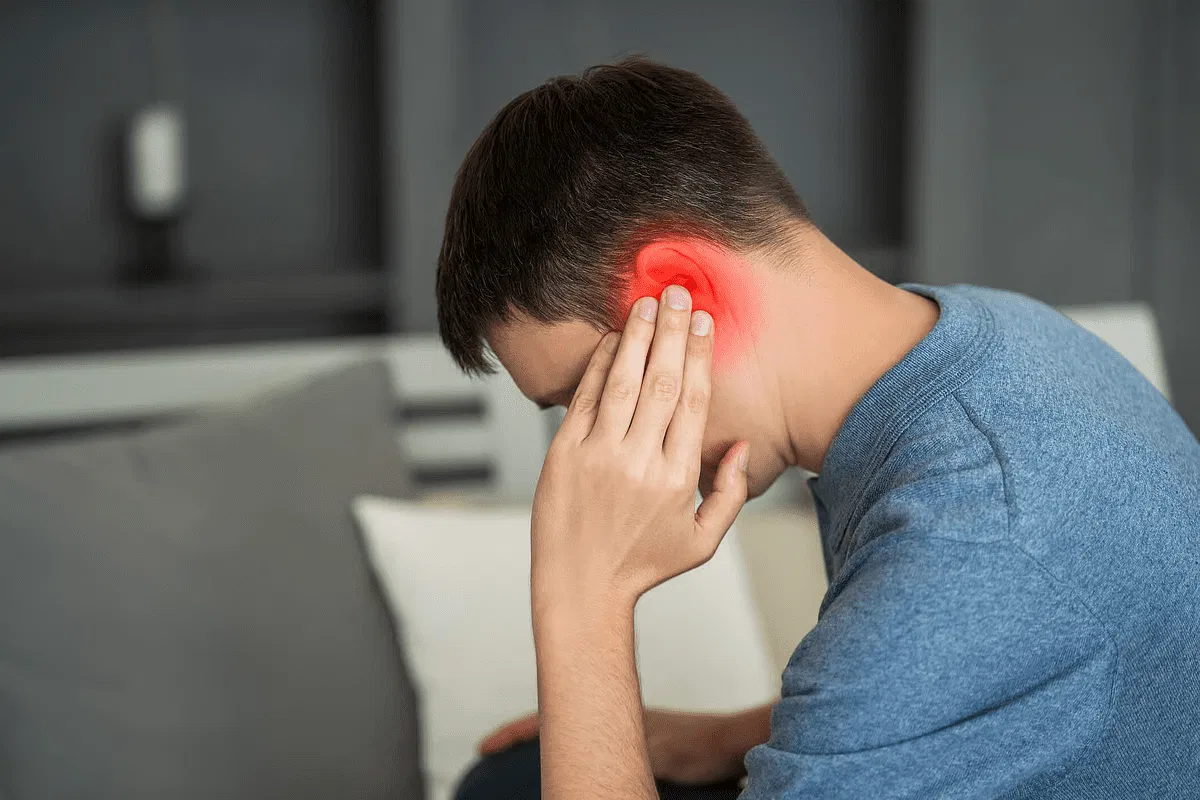
Your jaw joint, called the temporomandibular joint or TMJ, sits just 2 to 3 millimeters from your ear canal. That is an extremely short distance.
Both structures share the same nerve — the trigeminal nerve — which is the largest sensory nerve in the face. When the jaw joint becomes irritated or inflamed, the trigeminal nerve sends pain signals that your brain interprets as ear pain.
This is called referred pain. The problem starts in the jaw but the pain feels like it is coming from the ear.
The 9 Most Common Causes of Ear Pain When Chewing
Understanding the exact cause is the first step toward the right treatment. Here are the most common reasons your ear hurts when you chew.
1. TMJ Disorder (The Number One Cause)
TMJ disorder, also written as TMD, is responsible for up to 80% of all cases of ear pain related to chewing. The temporomandibular joint connects your lower jaw to your skull. It works like a sliding hinge, allowing you to open your mouth, chew, and speak.
When this joint is inflamed, misaligned, or damaged, it sends pain directly to the ear. The pain often gets worse during meals, yawning, or long conversations.
Common TMJ symptoms beyond ear pain:
- Clicking or popping sound when opening the mouth
- Jaw stiffness or limited range of motion
- Tenderness near the jaw joint when pressed
- Headaches that radiate to the temples
- Facial pain that spreads to the neck and shoulders
What triggers TMJ flare-ups:
- Teeth grinding (bruxism) during sleep or stress
- Bite misalignment (upper and lower teeth do not meet evenly)
- Arthritis in the jaw joint
- Injury to the jaw or face
- Excessive gum chewing or clenching
2. Ear Infection (Otitis Media)
A middle ear infection, known as otitis media, causes fluid to build up behind the eardrum. This fluid increases pressure inside the ear. When you chew, the movement of your jaw changes that pressure even more, making the pain spike suddenly.
Middle ear infections are more common in children but adults get them too — especially after a cold, sinus infection, or allergies.
Signs it may be an ear infection:
- Deep throbbing pain that worsens with chewing or yawning
- Feeling of fullness or blockage in the ear
- Muffled hearing or temporary hearing loss
- Fever and general unwellness
- Discharge from the ear in severe cases
3. Swimmer’s Ear (Otitis Externa)
Otitis externa is an infection of the outer ear canal, commonly called swimmer’s ear. Unlike a middle ear infection, this one is in the canal you can see when you look in the ear.
Because the ear canal sits directly beside the jaw joint, any chewing motion stretches the inflamed canal walls. This creates a sharp, stabbing pain with every bite.
Swimmer’s ear often starts after water stays trapped in the ear after swimming, showering, or using cotton swabs.
4. Dental Abscess or Tooth Infection
A dental abscess is a pocket of infection, usually at the root of a tooth. Upper back molars are especially close to the ear nerves. When these teeth are infected, the trigeminal nerve carries the pain signal toward the ear.
You may feel the pain strongly in the ear even if the tooth itself does not hurt that much at first.
Signs of a dental abscess:
- Throbbing toothache that comes and goes or stays constant
- Swelling in the face, jaw, or neck
- Sensitivity to hot or cold foods and drinks
- Pain that worsens when chewing or biting
- Pus or a bad taste in the mouth
- Fever in severe cases
A dental abscess is a medical emergency if the swelling spreads to the neck or you have difficulty swallowing or breathing.
5. Impacted Wisdom Teeth
Wisdom teeth are the last molars to erupt, usually in your late teens or early twenties. When there is not enough space in the jaw, they become impacted — meaning they are blocked under the gum or bone.
Impacted wisdom teeth push against nearby nerves and structures, creating pressure that radiates toward the ear. The pain often gets worse when chewing because jaw movement increases the pressure on the already-trapped tooth.
| Wisdom Tooth Symptom | Where You Feel It |
|---|---|
| Gum swelling at the back of the mouth | Back of the jaw |
| Deep aching pain | Jaw, ear, temple |
| Difficulty opening the mouth | Jaw joint |
| Pain when chewing or swallowing | Ear and throat |
| Headache on one side | Temple or behind the ear |
6. Eustachian Tube Dysfunction
The Eustachian tube connects your middle ear to the back of your throat. Its job is to equalize air pressure inside the ear. When this tube gets blocked — due to a cold, allergies, or sinus congestion — pressure builds up inside the middle ear.
Every time you chew or swallow, the jaw movement affects the Eustachian tube opening. If the tube is blocked, this movement causes pain, a popping sensation, or a feeling of pressure deep in the ear.
7. Sinusitis (Sinus Infection)
The maxillary sinuses sit directly above the roots of the upper back teeth. When these sinuses become inflamed or infected, the pressure pushes down on tooth roots and upward toward the ear canal.
Sinusitis-related ear pain often comes with nasal congestion, facial pressure, and pain below the eyes. It typically affects both sides or follows a recent cold or allergy flare.
Chewing makes the pain worse because jaw movement shifts sinus pressure and vibrates the inflamed tissues nearby.
8. Bruxism (Teeth Grinding)
Bruxism means grinding or clenching the teeth. Most people do it at night while sleeping — without knowing it. Daytime clenchers often squeeze their jaw while concentrating, driving, or under stress.
Over time, bruxism puts enormous pressure on the TMJ. This overworks the jaw muscles (including the masseter and temporalis muscles), which tighten and pull near the ear. The result is an earache that tends to be worst in the morning or after meals.
9. Arthritis in the Jaw Joint
Both rheumatoid arthritis and osteoarthritis can affect the TMJ. Arthritis wears down the cartilage that cushions the jaw joint. With less cushion, bones grind against each other, causing inflammation that spreads to the ear.
Arthritis-related ear pain usually builds gradually over time and comes with stiffness that is worse in the morning.
How to Tell If Your Ear Pain Is From the Jaw or Ear
Many people visit an ENT doctor for ear pain, only to find their ear is perfectly healthy. The problem was coming from the jaw the entire time. Here is a simple comparison to help you figure out which is more likely.
| Symptom | More Likely TMJ / Jaw | More Likely Ear Infection |
|---|---|---|
| Pain gets worse when chewing | Yes | Sometimes |
| Clicking or popping in jaw | Yes | No |
| Fever present | Rare | Often |
| Ear discharge | No | Possible |
| Jaw stiffness | Yes | No |
| Pain after sleep (morning) | Yes (bruxism) | No |
| Muffled hearing | Sometimes | Yes |
| Tenderness near jaw joint | Yes | No |
| Pain when pressing the ear | No | Yes |
| Pain when opening mouth wide | Yes | No |
If most of your checkmarks fall in the TMJ/jaw column, start with a dentist or TMJ specialist before seeing an ENT.
Home Remedies That Actually Work
For mild-to-moderate ear pain while chewing, these home treatments can offer significant relief within a few days.
Soft Diet for One Week
Switching to soft foods reduces the mechanical load on the jaw joint. Eat mashed potatoes, scrambled eggs, soups, yogurt, and well-cooked vegetables. Avoid steak, apples, raw carrots, hard bread, and chewing gum entirely until the pain improves.
Warm Compress on the Jaw
Apply a warm, moist cloth or heating pad to the jaw area for 15 to 20 minutes, two to three times a day. Heat relaxes the chewing muscles, reduces inflammation in the joint, and improves blood flow to the area.
OTC Anti-Inflammatory Medication
Ibuprofen (400 to 600 mg every 6 to 8 hours with food) reduces both pain and swelling in the jaw joint. Acetaminophen can reduce pain but does not target inflammation the same way. Do not take ibuprofen for more than 10 days without medical advice.
Rest the Jaw
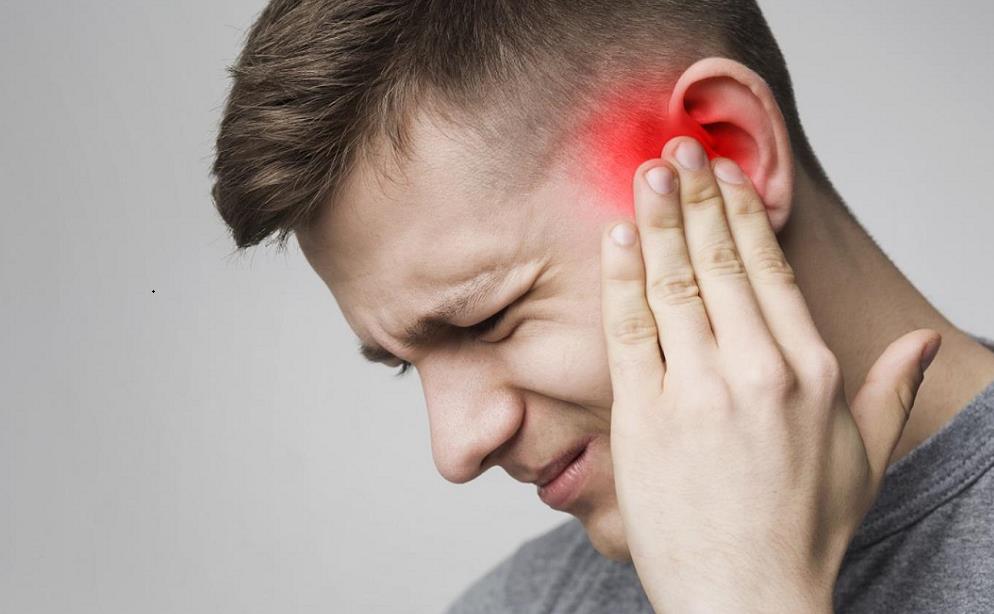
Avoid wide yawning, singing loudly, or any activity that pushes the jaw to its maximum range. Support your jaw with your hand when yawning if you cannot avoid it. Resting the joint allows inflammation to calm down.
Gentle Jaw Stretches
Once acute pain eases slightly, gentle jaw opening and closing exercises can retrain the muscles. Open your mouth slowly until you feel mild resistance, hold for 3 seconds, then close. Repeat 10 times. This improves joint flexibility and reduces stiffness over time.
Stress Reduction
Stress is a major driver of jaw clenching and bruxism. Meditation, deep breathing exercises, and progressive muscle relaxation techniques reduce daytime and nighttime clenching. Less clenching means less jaw pressure and fewer earaches.
When to See a Doctor Right Away
Some causes of ear pain while chewing need professional attention quickly. Do not wait if you notice any of the following:
- Pain is severe and getting worse each day
- You have a fever above 38°C (100.4°F)
- Your jaw is locked or you cannot open your mouth fully
- Swelling is spreading to the neck or under the chin
- You have difficulty swallowing or breathing
- There is discharge or bleeding from the ear
- You have sudden hearing loss on one side
- Pain has lasted more than two weeks with no improvement
These signs may indicate an abscess, a serious ear infection, or a structural problem that requires imaging, antibiotics, or surgical treatment.
Professional Treatment Options
Dental Treatments
A dentist is often the first specialist to see for ear pain during chewing, especially if TMJ or dental causes are suspected.
- Custom night guard / bite splint — worn during sleep to prevent grinding and cushion the jaw joint
- Bite adjustment (occlusal equilibration) — reshaping specific teeth so the bite forces are distributed evenly
- Orthodontic treatment — correcting bite misalignment over time
- Wisdom tooth extraction — removing impacted wisdom teeth that are pressing on nerves
- Root canal or abscess drainage — treating infected teeth that are sending referred pain to the ear
Medical Treatments
An ENT specialist or primary care doctor handles ear-specific causes.
- Antibiotics for bacterial ear infections or dental abscesses
- Antifungal ear drops for outer ear fungal infections
- Decongestants and nasal sprays for sinusitis and Eustachian tube dysfunction
- Steroid injections into the TMJ for severe joint inflammation
- Arthrocentesis — a minimally invasive procedure to flush inflammatory fluid from the TMJ
Physical Therapy
A physiotherapist trained in jaw disorders can treat TMJ and related muscle problems effectively.
- Targeted massage of the masseter, temporalis, and pterygoid muscles
- Postural correction (forward head posture worsens jaw tension)
- Ultrasound or TENS therapy for pain relief
- Custom exercise programs to strengthen and retrain jaw muscles
Preventing Ear Pain While Chewing
Good habits can stop the problem before it starts or prevent it from coming back after treatment.
- Wear your night guard every night if you grind your teeth
- Avoid chewing gum — it keeps the jaw joint under constant low-grade stress
- Do not cradle the phone between your ear and shoulder (increases neck and jaw tension)
- Sit with good posture — a forward-leaning head increases TMJ load by up to 10 pounds per inch
- Treat nasal congestion and allergies early to prevent Eustachian tube problems
- Get regular dental check-ups to catch cavities and gum disease before they become abscesses
- Manage stress through exercise, sleep, and relaxation — stress is the hidden fuel for bruxism
Frequently Asked Questions (FAQs)
Why does only one ear hurt when I chew?
One-sided ear pain usually means the problem is on that side only — such as a right-sided TMJ issue, an impacted wisdom tooth on the right, or a localized ear infection. Bilateral TMJ problems or sinusitis more often cause pain on both sides.
Can a cavity cause ear pain?
Yes. Deep cavities in the upper back molars can send referred pain through the trigeminal nerve all the way to the ear. The pain often worsens when chewing because biting increases pressure on the infected tooth root.
Is ear pain while chewing serious?
It depends on the cause. Most cases are due to TMJ disorder or minor infections and are not dangerous. However, severe pain, fever, swelling, or jaw locking are warning signs that need prompt medical attention.
How long does TMJ ear pain last?
With proper home care and rest, mild TMJ flare-ups often improve within one to two weeks. Without treatment, symptoms can become chronic and last for months. Seeing a dentist or TMJ specialist speeds up recovery significantly.
Can stress cause ear pain when chewing?
Yes. Stress causes many people to clench or grind their teeth without realizing it. This overloads the TMJ and surrounding muscles, which then refer pain to the ear during chewing or even at rest.
Does ear pain from TMJ go away on its own?
Mild cases can resolve with rest, a soft diet, warm compresses, and anti-inflammatories. More severe or recurring TMJ pain usually needs professional treatment such as a night guard, physical therapy, or dental correction.
Can sinusitis make my ear hurt when I chew?
Yes. Inflamed maxillary sinuses sit directly above the upper molar roots. Sinus pressure pushes down on those teeth and upward toward the ear canal, and jaw movement during chewing aggravates that pressure further.
What doctor should I see for ear pain when chewing?
Start with your dentist if you suspect a jaw or tooth issue. See your GP or an ENT (ear, nose, and throat specialist) if you think you have an ear infection or sinus problem. A TMJ specialist or oral and maxillofacial surgeon handles complex cases.
Can a night guard help with ear pain?
Yes. A custom-fitted night guard prevents teeth grinding during sleep, reduces pressure on the TMJ, and helps the jaw joint recover. Most patients notice reduced morning pain within a few weeks of consistent use.
Can ear pain when chewing be a sign of something dangerous?
Rarely, but yes. Conditions such as a spreading dental abscess, tumors of the jaw, or temporal arteritis can cause ear pain during chewing. These are uncommon but should be ruled out if pain is severe, progressive, or accompanied by other systemic symptoms.
Conclusion
Why does my ear hurt when I chew? In most cases, the answer lies just a few millimeters away from your ear — in the temporomandibular joint, surrounding muscles, or nearby teeth.
The shared anatomy and nerve pathways of the jaw and ear mean that problems in one area almost always affect the other.
TMJ disorder is the most common culprit, followed by ear infections, dental abscesses, impacted wisdom teeth, and Eustachian tube dysfunction.
Knowing the difference matters because each cause needs a different treatment path.
Start with simple home remedies — a soft diet, warm compresses, OTC anti-inflammatories, and jaw rest.
If pain lasts more than two weeks, gets worse, or comes with fever and swelling, see a professional without delay.
The good news is that the vast majority of cases are treatable, and with the right approach most people see significant relief within weeks.
Do not ignore the pain — your ear and jaw are trying to tell you something worth listening to.
