

Why is my pee sinking to the bottom of the toilet is a question more people ask than you might think, and most feel too embarrassed to bring it up with a doctor.
The short answer is that urine sinks when it is denser than the water already sitting in the bowl. In most cases this is completely harmless and linked to dehydration, diet, or concentrated morning urine.
However, in some situations sinking, heavy, or sediment-filled urine can signal a urinary tract infection, kidney stones, protein leakage, or another condition worth getting checked out. This guide explains everything clearly.
The Science Behind Why Pee Sinks
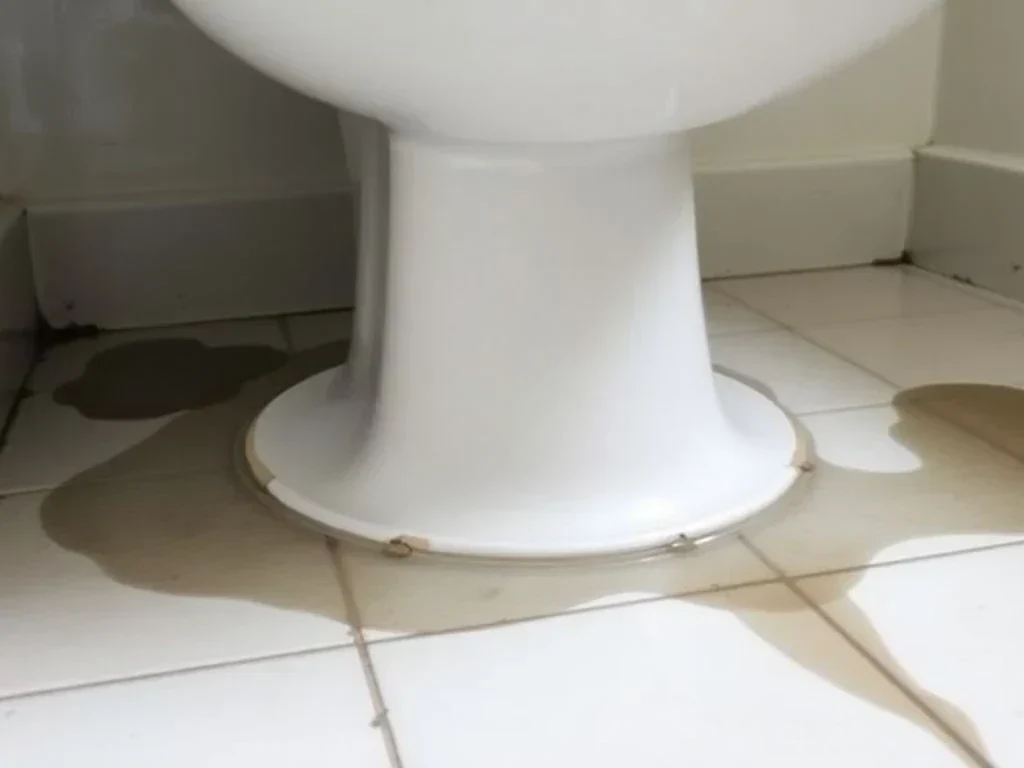
To understand why is my pee sinking to the bottom, you first need to understand urine density. Urine is not just water — it is a complex solution of water, urea, salts, minerals, waste products, and trace amounts of protein and other substances.
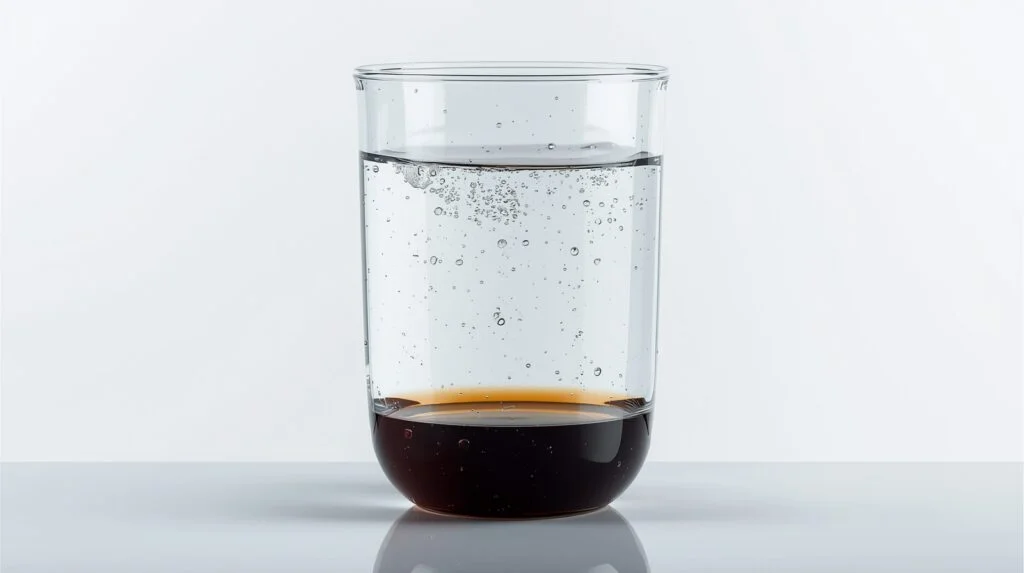
When urine contains more dissolved solids than the water sitting in the toilet bowl, it becomes denser. Denser liquids sink through lighter ones — the same reason oil floats on vinegar or a stone sinks in a pond.
Water in a toilet bowl has a specific gravity of 1.000. Normal urine has a specific gravity ranging from 1.003 to 1.030 — which means it is always at least slightly denser than pure water. When urine is concentrated, the specific gravity rises, the density increases, and the sinking effect becomes visibly noticeable.
What Is Urine Specific Gravity
Urine specific gravity is the measurement doctors use to assess how concentrated your urine is relative to pure water. A reading of 1.003 to 1.030 is considered within the normal range.
A reading closer to 1.030 means very concentrated urine — full of dissolved waste, salts, and minerals. A reading near 1.003 means dilute urine, typically seen after drinking large amounts of fluid.
When your specific gravity is high, the urine is dense enough to visibly settle or streak toward the bottom of toilet water rather than dispersing evenly. This is the basic physics behind sinking pee.
1. Dehydration — The Most Common Reason
Dehydration is by far the most frequent explanation for why pee sinks to the bottom. When your body is low on fluids, your kidneys conserve water by producing smaller amounts of more concentrated urine.
This concentrated urine contains less water and more dissolved waste — making it denser and heavier than usual. It is more likely to streak downward, collect at the base of the toilet bowl, and appear darker in color.
Morning urine is almost always more concentrated than daytime urine because you go six to eight hours without drinking while you sleep. If you notice your pee sinking mainly in the morning and it clears up after drinking water, dehydration is almost certainly the explanation.
2. Morning Urine — Naturally More Concentrated
Overnight, your kidneys continue to filter waste but you consume no fluids. This means by the time you urinate first thing in the morning, your urine has been accumulating dissolved solids all night.
The result is darker, more concentrated, stronger-smelling urine with a higher specific gravity. It will almost always appear to sink or settle faster than your mid-afternoon urine after several glasses of water.
This is completely normal and expected. If your first-morning urine sinks but your later urine appears pale and disperses normally, there is almost certainly nothing to worry about.
3. Diet and Food Choices
What you eat directly affects the composition and concentration of your urine. High-sodium foods increase the salt content of urine, raising its density. High-protein diets increase urea and amino acid waste products in urine, which also raises density.
Certain foods such as asparagus change the smell of urine. Beets and berries can change the color. Foods high in oxalate — including spinach, nuts, and chocolate — can increase the concentration of oxalate in urine, contributing to crystal formation.
Eating a large, salty, or protein-heavy meal and not drinking enough water alongside it is a very common trigger for noticeably denser urine that sinks more visibly in the toilet.
4. Not Drinking Enough Water Through the Day
Chronic low fluid intake — even without obvious thirst — is extremely common and keeps urine consistently concentrated throughout the day. Many people never reach adequate daily hydration.
Most health guidelines recommend six to eight glasses of water per day for adults under typical conditions. People who exercise, live in hot climates, or consume high amounts of caffeine or alcohol need even more.
If your pee is consistently darker than pale yellow, consistently sinking, and consistently strong-smelling, the simplest and most likely explanation is that you are simply not drinking enough water each day.
5. Urinary Tract Infection
A urinary tract infection (UTI) is a bacterial infection affecting any part of the urinary system — including the bladder, urethra, or kidneys. UTIs are one of the medical causes of sinking or sediment-filled urine.
When bacteria multiply in the urinary tract, white blood cells, bacteria, mucus, and inflammatory debris get shed into the urine. This sediment settles at the bottom of the toilet bowl after urination, making the urine appear heavy, cloudy, or murky.
Common accompanying symptoms of a UTI include a burning sensation when urinating, frequent urge to urinate, dark or cloudy urine, lower abdominal pain, and in some cases a fever. UTIs require antibiotic treatment and should not be left untreated.
6. Kidney Stones and Urine Crystals
Kidney stones are hard deposits of minerals and salts that form inside the kidneys when there is too much waste and too little liquid in the urine. Tiny crystals from forming or passing kidney stones can appear as visible particles in urine that settle at the bottom.
Common types of crystals found in urine include calcium oxalate, uric acid, struvite, and cystine crystals. Their presence raises the density and visible sediment content of urine significantly.
Early kidney stone formation may show up as gritty or sandy particles settling in the toilet bowl before any pain develops. A urinalysis and ultrasound can confirm whether crystals or stones are present.
7. Proteinuria — Protein in the Urine
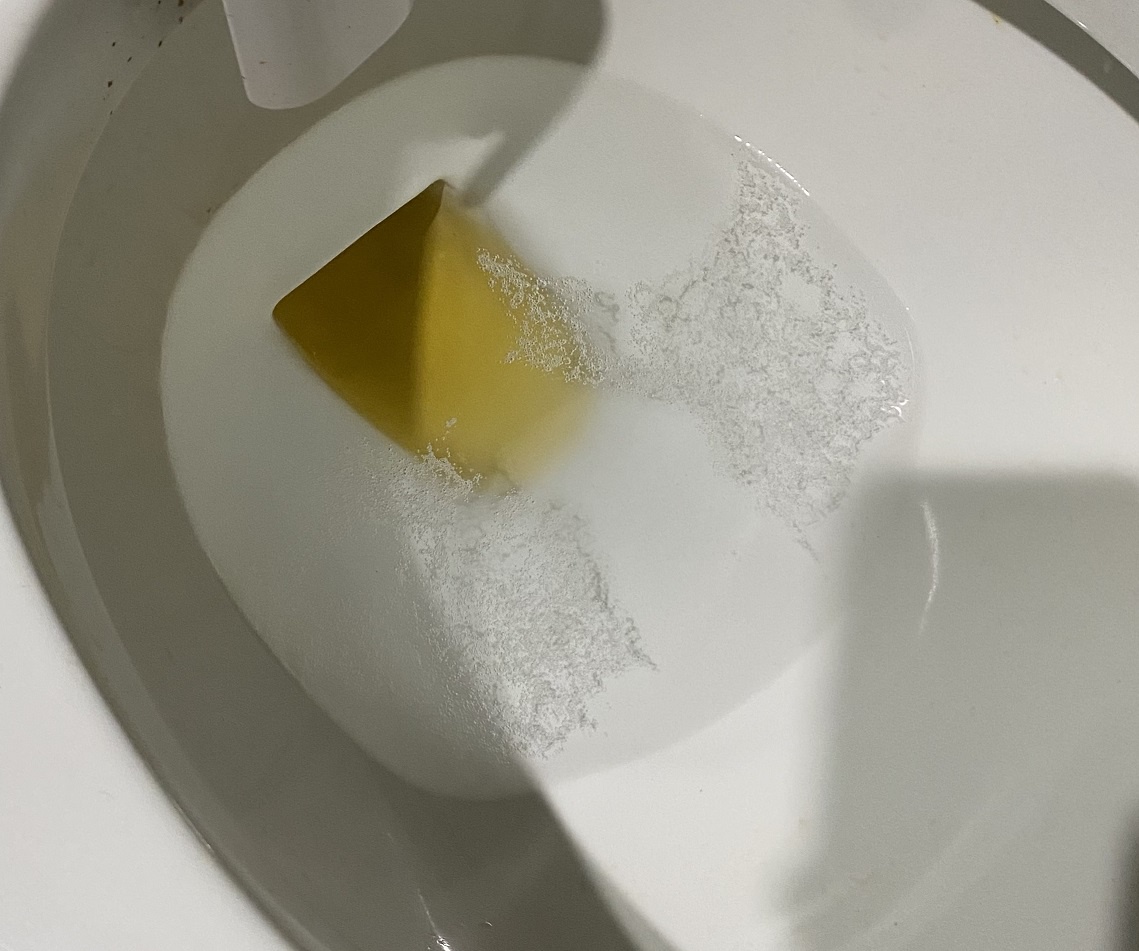
Healthy kidneys filter waste out of the blood while keeping proteins like albumin inside the body where they belong. When kidneys are damaged or not functioning properly, they begin leaking protein into the urine — a condition called proteinuria.
Protein in urine increases its density and also contributes to a foamy or frothy appearance. Proteinuria is an early warning sign of kidney disease, diabetic kidney damage, glomerulonephritis, lupus, and hypertensive kidney disease.
A simple urine dipstick test or albumin-to-creatinine ratio can detect protein in urine. If you notice persistent foamy and heavy urine along with ankle swelling, fatigue, or reduced urination, see a doctor promptly.
8. Diabetes and High Blood Sugar
Uncontrolled or poorly managed diabetes causes glucose to spill into the urine — a condition called glucosuria. While glucose itself actually makes urine less dense in some presentations, diabetic kidney disease causes protein leakage that makes urine heavier and more concentrated.
The combination of high solute content and potential protein leakage in diabetic patients can cause urine to sink noticeably or appear unusually dark and concentrated despite adequate fluid intake.
Moderately increased albumin in urine — called microalbuminuria — is often one of the first detectable signs of diabetic kidney disease. Regular urinalysis is recommended for anyone managing diabetes.
9. Kidney Disease
When kidney function declines — whether due to chronic kidney disease, glomerulonephritis, or another kidney disorder — the kidneys lose their ability to properly regulate what gets filtered into urine.
This can result in abnormally concentrated urine with elevated levels of protein, blood cells, or casts — cylindrical particles that form inside kidney tubules. These substances increase the density and visible sediment of urine.
Early-stage chronic kidney disease often causes no obvious symptoms outside of changes in urine. Persistent heavy or cloudy urine, especially alongside fatigue, swelling, or changes in urination frequency, warrants a kidney function blood test and urinalysis.
10. Bladder Infection and Bladder Stones
A bladder infection is a type of UTI specifically affecting the bladder. It causes similar changes in urine — increased sediment, cloudiness, and density — alongside symptoms like frequent urination, urgency, and pelvic discomfort.
Bladder stones form when concentrated minerals in urine crystallize into solid masses inside the bladder. They can obstruct normal urination and shed gritty sediment into urine that settles visibly at the bottom of the toilet.
Bladder stones are more common in older adults, particularly men with prostate enlargement. They typically require medical or surgical treatment and do not resolve on their own.
11. Kidney Infection — Pyelonephritis
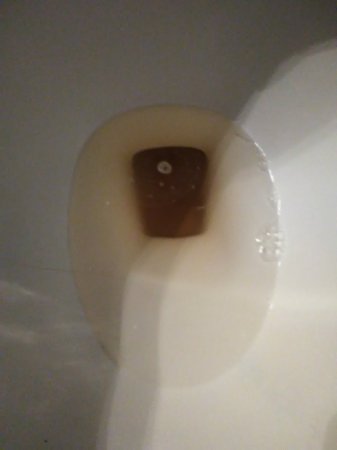
A kidney infection, or pyelonephritis, occurs when bacteria travel from the bladder up to the kidneys. It is a more serious condition than a simple UTI and can cause significant amounts of blood, pus, and sediment in urine.
Symptoms of a kidney infection include high fever, chills, severe back or flank pain, nausea, and visibly abnormal urine. The urine may appear dark, cloudy, or full of particles that sink to the bottom of the toilet bowl.
Kidney infections require prompt antibiotic treatment. Delayed treatment can lead to permanent kidney damage or a life-threatening bloodstream infection.
12. Medications and Supplements
Certain medications and supplements can change the composition, color, and density of urine. Vitamin B2 (riboflavin) turns urine bright yellow. Iron supplements can make urine darker. Some antibiotics and antifungal drugs alter urine chemistry.
High-dose vitamin C can increase oxalate excretion in urine, contributing to crystal formation and sediment. Some blood pressure medications can also affect protein excretion into urine as a side effect.
If you have recently started a new medication or supplement and notice changes in how your urine looks or behaves in the toilet, this is worth mentioning to your prescribing doctor.
13. Sexually Transmitted Infections
Some sexually transmitted infections (STIs) can cause discharge, inflammation, and sediment in urine. Chlamydia and gonorrhea, for example, can produce mucus and pus discharge that mixes with urine and settles at the bottom of the toilet.
This may appear as white, cloudy, or stringy particles visible after urination. STI-related urine changes are typically accompanied by other symptoms such as unusual discharge, burning during urination, or genital discomfort.
Anyone who suspects an STI should get tested and treated. Most STIs are curable or effectively managed with antibiotics or antiviral medication.
14. Liver Disease
In conditions involving liver disease such as cholestasis, bile salts and bilirubin can leak into the urine. Bile pigments make urine appear dark brown or tea-colored — sometimes called cola-colored urine — and can significantly increase its density.
Liver disease also affects proteins and metabolites that filter through the kidneys, potentially contributing to unusual urine behavior including settling or sinking in the toilet bowl.
Dark, cola-brown urine alongside yellowing of the skin or eyes, fatigue, and abdominal pain strongly suggests liver involvement and requires urgent medical attention.
15. The Design of the Toilet Bowl
Sometimes the reason you are noticing your pee sinking is not a health issue at all — it is a simple matter of toilet bowl geometry. Toilets with a deeper bowl and stiller water make the density difference between urine and water far more visible.
When still, clear water sits in the bowl, even slightly concentrated urine will visibly streak downward before gradually dispersing. In toilets with shallower bowls or active water movement, the same urine appears to blend rather than sink.
Awareness also plays a role. Once you notice sinking urine once, your brain starts looking for it every time. This heightened attention can make an entirely normal and consistent phenomenon suddenly feel alarming and new.
Urine Color and What It Means
Urine color is one of the most reliable real-time indicators of hydration and urinary health. The color and sinking behavior of urine are closely connected.
| Urine Color | What It Indicates | Action Needed |
|---|---|---|
| Pale straw or clear | Well hydrated, dilute urine | None — this is ideal |
| Light yellow | Good hydration | None |
| Dark yellow | Mildly concentrated, borderline dehydrated | Drink more water |
| Amber or honey | Significantly dehydrated | Increase fluid intake |
| Orange | Very concentrated, possible liver issue or medication effect | See a doctor if persistent |
| Brown or cola-colored | Possible liver disease, severe dehydration, or blood | See a doctor promptly |
| Cloudy or murky | Possible UTI, kidney stones, or infection | See a doctor |
| Pink or red | Possible blood in urine — hematuria | See a doctor promptly |
| Foamy and heavy | Possible proteinuria, kidney damage | See a doctor |
What the Particles Look Like — And What They Mean
Visible material settling at the bottom of the toilet after urination can look different depending on the cause.
| Appearance of Sediment | Likely Cause | Urgency |
|---|---|---|
| Sandy or gritty particles | Urine crystals, early kidney stones | Moderate — see a doctor |
| White or cloudy streaks | UTI, mucus, or bacteria | Moderate — see a doctor |
| Mucus-like strings | Bladder or kidney inflammation | Moderate — see a doctor |
| Yellow-brown sediment | Concentrated amorphous urates | Low if no other symptoms |
| Pink or red particles | Blood in urine — hematuria | High — see a doctor promptly |
| Thick, dark, pus-like | Kidney infection, serious UTI | High — urgent medical care |
| Foamy layer on surface | Proteinuria, possible kidney damage | High — see a doctor |
| General yellow streaking | Dehydration, concentrated urine | Low — drink more water |
When Should You Worry About Pee Sinking to the Bottom
Most cases of why pee sinks to the bottom require nothing more than drinking more water. But there are clear warning signs that mean you should not wait to see a doctor.
Seek medical attention if you notice any of the following alongside sinking or heavy urine.
- Burning, stinging, or pain during urination
- Urine that is pink, red, or cola-brown — this may be blood
- Urine that appears thick, cloudy, or mucus-like with a foul odor
- Lower back or flank pain alongside changed urine
- Fever, chills, or nausea with urinary symptoms
- Visible foamy, frothy urine that stays in the bowl after flushing
- Persistent ankle or facial swelling alongside abnormal urine
- Significant fatigue or reduced urine output
- Gritty or sandy particles consistently settling in the toilet
- Symptoms that do not improve after increasing your fluid intake over 48 hours
Home Remedies and Simple Solutions
For cases where sinking pee is caused by dehydration or dietary factors, these steps usually resolve the issue within a day or two.
- Drink six to eight glasses of water daily. Spread this evenly throughout the day rather than drinking large amounts at once.
- Start your morning with a full glass of water before coffee or food. This immediately begins rehydrating after overnight concentration.
- Reduce your intake of high-sodium, high-protein, and high-oxalate foods if you notice consistent urine changes after eating them.
- Monitor your urine color. Aim for pale straw to light yellow throughout the day.
- Limit alcohol and caffeine. Both are diuretics that accelerate fluid loss and concentrated urine production.
- If you exercise, replace lost fluids promptly. Sweat-related dehydration is a very common but overlooked trigger.
- Eat hydrating foods — cucumbers, watermelon, celery, and oranges all contribute meaningfully to daily fluid intake.
What a Doctor Will Test For
If you visit a doctor about sinking, heavy, or unusual urine, they will likely order one or more of the following.
- Urinalysis — a basic urine test checking color, specific gravity, pH, protein, glucose, blood, nitrites, and sediment under a microscope.
- Urine culture — used to identify the specific bacteria present if an infection is suspected.
- Albumin-to-creatinine ratio — measures protein leakage from the kidneys, the first marker of kidney damage.
- Blood tests — including kidney function tests (creatinine, BUN) and blood glucose.
- Ultrasound or imaging — to check for kidney stones, structural issues, or kidney disease.
- STI screening — if sexually transmitted infection is a possible cause.
Early detection through a simple urinalysis can catch kidney disease, diabetes-related kidney damage, and UTIs before they progress into serious conditions.
Prevention Tips for Consistently Healthy Urine
- Stay consistently hydrated. Carry a water bottle and aim for pale yellow urine throughout the day.
- Eat a balanced diet with moderate protein, low sodium, and adequate fruits and vegetables.
- Treat UTIs early. Do not delay care for burning or frequent urination.
- Get regular check-ups that include urinalysis if you have diabetes, high blood pressure, or a family history of kidney disease.
- Limit supplemental vitamin C and high-oxalate foods if you have a history of kidney stones.
- Use SPF protection and stay hydrated in hot weather. Sweat loss is a major hidden cause of concentrated urine.
- Avoid holding urine for long periods. Regular urination helps flush the urinary tract.
Frequently Asked Questions (FAQs)
Why is my pee sinking to the bottom of the toilet?
Your urine is denser than the water in the toilet bowl, usually because it is more concentrated. The most common cause is dehydration or naturally concentrated morning urine.
Is it normal for pee to sink to the bottom?
Yes, in most cases it is completely normal. Urine is always slightly denser than pure water due to dissolved salts and urea, and concentrated urine will visibly sink.
Does dehydration cause pee to sink?
Yes. When you are dehydrated, your kidneys produce more concentrated urine with less water and more dissolved waste. This raises its density and makes it more likely to sink.
When should I worry about pee sinking to the bottom?
Worry if sinking urine is accompanied by pain during urination, a foul smell, cloudiness, blood, visible particles, foam, fever, back pain, or ankle swelling. These signs need medical attention.
Can a UTI cause urine to sink to the bottom?
Yes. A UTI causes bacteria, white blood cells, and mucus debris to appear in urine. This increases the density and visible sediment content, making urine sink or appear cloudy.
Does kidney disease cause pee to sink?
Yes. Damaged kidneys can leak protein and allow abnormal cells or casts into urine, increasing its concentration and density. Persistent heavy or foamy urine should be evaluated by a doctor.
What does it mean if my pee sinks and is very dark?
Dark urine that sinks indicates highly concentrated urine. This is commonly caused by dehydration but can also point to liver issues, serious kidney problems, or blood in the urine if the color is brown or red.
Can eating habits make my pee sink?
Yes. High-salt and high-protein diets increase dissolved solutes in urine, raising its density. Not drinking enough water alongside these foods makes the effect more pronounced.
What is urine sediment and should I be worried?
Urine sediment is visible particles — crystals, cells, or mucus — settling at the bottom of the toilet. Small amounts can be normal but persistent or accompanied by symptoms needs a urine test.
What is the first thing I should do if my pee keeps sinking?
Start by drinking more water consistently for 24 to 48 hours and monitoring whether your urine color lightens and the sinking behavior decreases. If it does not improve, see a doctor for a urinalysis.
Conclusion
Why is my pee sinking to the bottom is a surprisingly common concern and the good news is that in the majority of cases it is nothing serious.
Concentrated urine caused by dehydration, morning fasting, a salty meal, or a high-protein diet is the most frequent explanation — and it resolves quickly with increased fluid intake.
The physics is straightforward: denser urine sinks through the lighter water in the toilet bowl, just like any denser liquid does.
However, if the sinking urine is accompanied by pain, cloudiness, foul smell, blood, foam, fever, or persistent symptoms that do not respond to better hydration, these are signals your body is sending that something else may be going on.
A simple urinalysis at your doctor’s office can quickly identify or rule out a UTI, kidney stones, protein leakage, or kidney disease. Do not ignore it if something feels wrong.
Pay attention to your urine — it tells you a great deal about what is happening inside your body.
