

Why is my cat breathing fast This is one of the most alarming questions a cat owner can face.
Cats are naturally quiet, subtle breathers, so any noticeable change in their breathing pattern rightfully causes concern.
Rapid breathing, medically known as tachypnea, can range from a harmless response to stress or heat, to a life-threatening cardiac or respiratory emergency.
What Is a Normal Breathing Rate for Cats?
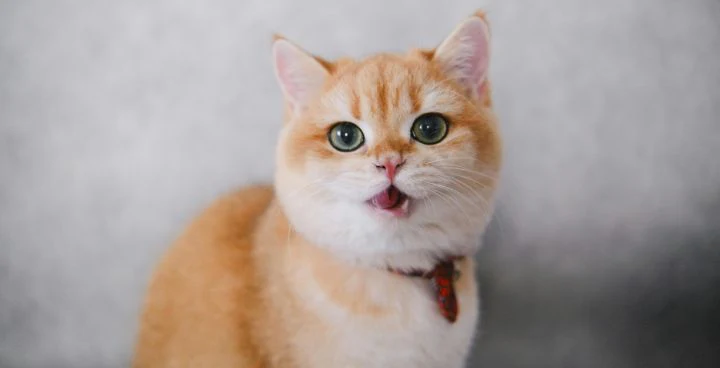
A healthy adult cat takes between 20 to 30 breaths per minute while resting or sleeping. Anything consistently above 30 breaths per minute at rest is considered elevated and warrants attention.
Kittens breathe slightly faster than adult cats. Senior cats and overweight cats may also have a higher baseline breathing rate.
Do not count breaths while your cat is purring, as purring vibrations make it impossible to get an accurate count.
How to Measure Your Cat’s Breathing Rate at Home
You can easily check your cat’s resting respiratory rate in just 30 seconds with no special equipment.
| Step | Action |
|---|---|
| 1 | Wait until your cat is calm, resting, or sleeping |
| 2 | Watch the chest — one rise plus one fall = one breath |
| 3 | Count breaths for 30 seconds |
| 4 | Multiply by 2 to get breaths per minute |
| 5 | Record the number and time |
If the number is consistently above 30 while your cat is at rest, contact your vet. Keeping a daily breathing log is extremely helpful for your vet to identify patterns.
Normal vs Abnormal Breathing: Quick Reference Table
| Breathing Rate | What It Means |
|---|---|
| 15–20 bpm (sleeping) | Normal |
| 20–30 bpm (resting) | Normal |
| 30–40 bpm (resting) | Monitor closely |
| Above 40 bpm (resting) | Call vet immediately |
| Above 60 bpm | Emergency — go now |
Why Is My Cat Breathing Fast? 12 Main Causes
1. Stress or Anxiety
Cats are very sensitive to environmental changes. Loud noises, new pets, vet visits, or car rides can all trigger a temporary spike in breathing rate.
This type of fast breathing typically resolves within 10 to 15 minutes once the stressor is removed. If it persists, something else may be going on.
2. Heat and Overheating
Unlike dogs, cats do not pant to cool down as a regular habit. If your cat is breathing fast in warm weather or after sunbathing, heat stress may be the cause.
Move your cat immediately to a cool, shaded area and offer fresh water. If panting continues or your cat seems disoriented, this could be heatstroke — a medical emergency.
3. Exercise and Play
Vigorous playtime can cause your cat’s breathing to speed up temporarily. This is completely normal, especially in young, active cats.
Breathing should return to normal within 5 to 10 minutes after play ends. If it does not, or if your cat seems exhausted after mild activity, schedule a vet checkup.
4. Feline Asthma
Asthma is one of the most common causes of sudden, rapid breathing in cats. It is triggered by allergens like dust, smoke, pollen, or certain cat litters.
Signs include open-mouth breathing, wheezing, coughing, and a hunched posture with the neck stretched forward. Asthma can be managed long-term with corticosteroids or bronchodilators, but a severe attack is a medical emergency.
5. Respiratory Infections
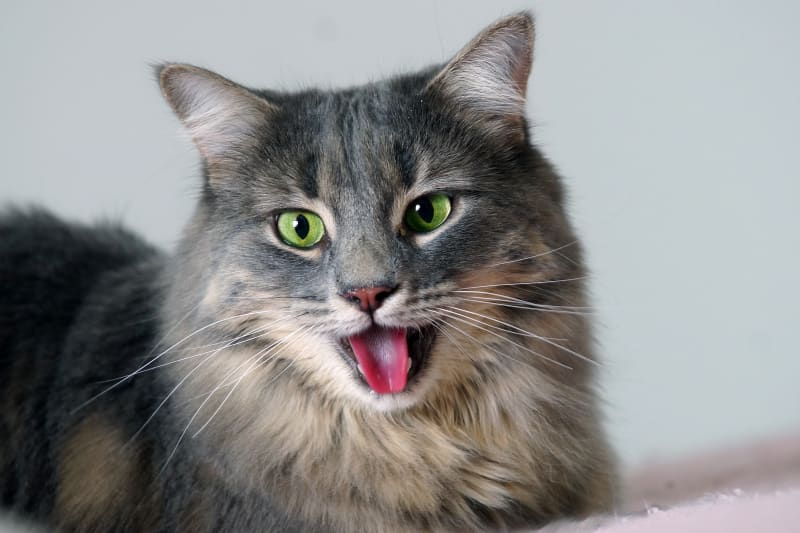
Upper and lower respiratory infections are a leading cause of fast, labored breathing in cats. They typically begin as viral infections and may develop into secondary bacterial infections.
Your cat may also show signs like runny nose, sneezing, eye discharge, and loss of appetite. Antibiotics or antiviral medications are often needed for treatment.
6. Heart Disease and Congestive Heart Failure
Heart disease causes fluid to build up in or around the lungs, making it very hard for your cat to breathe normally. This is called congestive heart failure.
Fast breathing at rest — especially during sleep — is often the very first sign of heart disease in cats. If your cat is consistently breathing above 30 breaths per minute while sleeping, see a vet right away.
7. Pleural Effusion (Fluid Around the Lungs)
Pleural effusion means fluid has accumulated around the lungs inside the chest cavity. This prevents the lungs from fully expanding and forces the cat to breathe faster and shallower.
You may notice your cat standing with elbows pointed outward, trying to create more space in the chest. This condition requires drainage and urgent veterinary care.
8. Anemia
When a cat has too few healthy red blood cells, the body tries to compensate by breathing faster to get more oxygen to the organs. Anemia can result from flea infestations, internal bleeding, kidney disease, or certain infections.
Pale or white gums are a classic sign of anemia. A blood test is needed to confirm the diagnosis.
9. Pain
Cats in significant pain often breathe faster than normal. Pain from injuries, internal issues, post-surgery recovery, or dental disease can all trigger rapid breathing.
Cats are naturally very stoic and hide pain well. Fast breathing may be the only outward sign that your cat is suffering. A thorough vet exam is needed to find the source.
10. Heartworm Disease
While less common in cats than in dogs, heartworm disease is serious and potentially fatal. The parasites affect the lungs and cause inflammation, leading to respiratory distress.
Treatment includes corticosteroids to reduce inflammation and, in severe cases, oxygen therapy. Monthly heartworm preventative medication is strongly recommended by veterinarians.
11. Hydrothorax
Hydrothorax is the accumulation of clear fluid in the chest cavity. It causes deep, rapid breathing, coughing, and sometimes panting. The cause is often linked to heart disease or liver issues.
Treatment involves draining the fluid and medications to manage the underlying cause. This is a serious condition that should not be left untreated.
12. Anaphylaxis and Allergic Reactions
Severe allergic reactions to bee stings, medications, or vaccines can cause sudden respiratory distress in cats. This is a true emergency.
Your cat may show swelling around the face, extreme agitation, and open-mouth breathing. Rush to an emergency vet without delay.
Warning Signs That Require Immediate Emergency Care
Not all fast breathing is an emergency — but some situations absolutely are. Do not wait if you see any of these signs.
| Emergency Sign | What It May Indicate |
|---|---|
| Open-mouth breathing at rest | Severe respiratory distress |
| Blue, gray, or white gums | Oxygen deprivation |
| Breathing rate above 60 bpm | Life-threatening situation |
| Elbows pointed outward while breathing | Fluid around lungs |
| Collapse or inability to stand | Cardiac or respiratory failure |
| Neck stretched forward while breathing | Severe airway obstruction |
| Gasping or choking sounds | Airway blockage or crisis |
If you see any combination of the above, place your cat gently in a carrier and go to the nearest emergency vet clinic immediately. Every minute counts.
Cat Breathing Fast While Sleeping: Should You Worry?
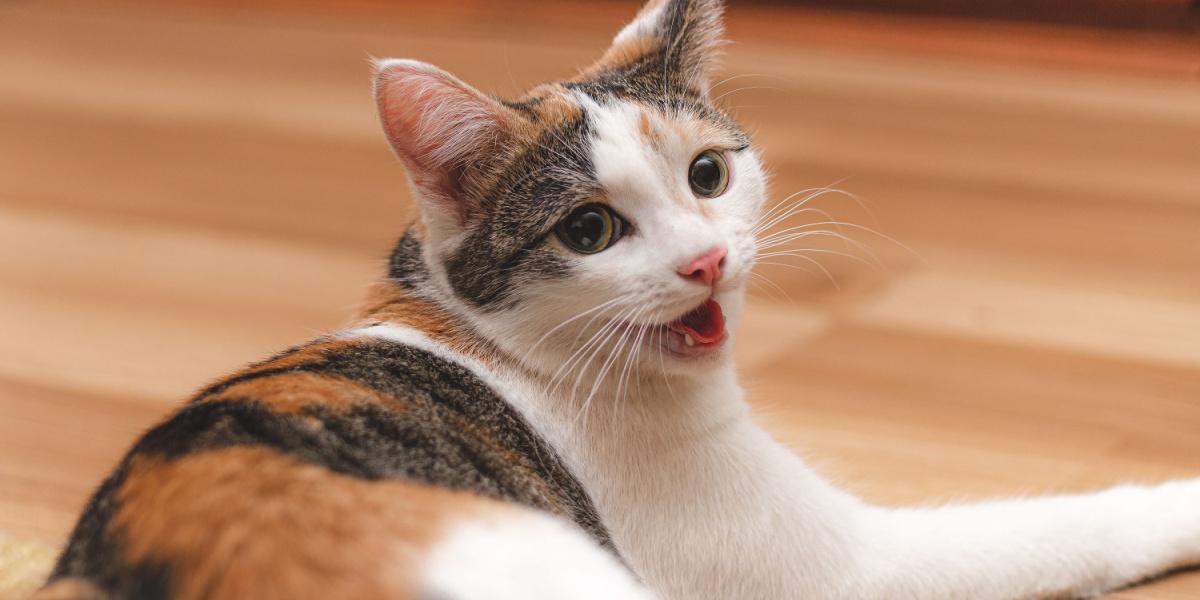
Fast breathing during sleep can sometimes be normal if it happens briefly during REM sleep. Cats dream, and short bursts of rapid breathing are part of that.
However, if your cat is consistently breathing above 30 breaths per minute throughout sleep, this is a red flag. It is often the earliest warning sign of heart disease or fluid buildup in the lungs. Track the rate nightly for a few days and bring the log to your vet.
Cat Breathing Fast but Acting Normal: What Does It Mean?
This is a confusing situation for many cat owners. Your cat seems fine — eating, playing, and behaving normally — but is breathing faster than usual.
Cats are masters at hiding illness. Even when something is seriously wrong internally, they maintain a calm outward appearance. Do not dismiss fast breathing just because your cat seems okay. Monitor closely for 1 to 2 hours. If the elevated rate continues, call your vet.
Cat Breathing Fast and Not Eating: A Dangerous Combination
When fast breathing is combined with a loss of appetite, this is a significant warning sign. It usually means the underlying issue has progressed beyond mild stress or heat.
Respiratory infections, heart disease, pain, or internal problems can simultaneously cause both symptoms. This combination almost always requires same-day veterinary evaluation.
What Happens at the Vet for Rapid Breathing?
When you bring your cat in for fast breathing, the vet will perform a structured evaluation to identify the root cause.
| Diagnostic Tool | Purpose |
|---|---|
| Physical exam | Check gum color, listen to heart and lungs |
| Blood tests | Detect anemia, infection, organ disease |
| X-rays | View lungs, heart size, fluid presence |
| Ultrasound | Check heart function and fluid around organs |
| Urinalysis | Rule out kidney-related causes |
| Oxygen therapy | Stabilize breathing during evaluation |
Treatment is always targeted at the underlying cause. Common interventions include bronchodilators for asthma, diuretics for fluid in the lungs, antibiotics for infections, and steroids for inflammation.
How to Calm a Cat That Is Breathing Fast at Home
While home care is never a substitute for veterinary attention, these steps can help reduce breathing rate if the cause is mild stress or heat.
Move your cat to a quiet, cool, and dimly lit room. Avoid picking your cat up unnecessarily, as handling increases stress. Offer fresh water nearby without forcing it. Play soft background music or use a calming pheromone diffuser. Avoid making sudden noises or inviting other pets into the room.
If breathing does not slow within 15 to 20 minutes, or if any emergency signs appear, go to the vet.
Breeds More Prone to Breathing Problems
Some cat breeds have a higher risk of respiratory issues due to their physical structure or genetic predispositions.
| Breed | Reason for Higher Risk |
|---|---|
| Persian | Flat face restricts airflow |
| Himalayan | Same flat-face brachycephalic structure |
| Burmese | Prone to congenital heart defects |
| Maine Coon | Higher risk of hypertrophic cardiomyopathy |
| Ragdoll | Genetically predisposed to heart disease |
If you own one of these breeds, monitoring resting respiratory rate regularly is especially important.
How to Prevent Fast Breathing in Cats
While you cannot prevent every cause of rapid breathing, these steps significantly reduce the risk.
Schedule annual or biannual vet checkups to catch heart or lung disease early. Keep your home free of smoke, heavy perfumes, and dusty cat litters that can trigger asthma. Vaccinate your cat against respiratory viruses and feline leukemia virus. Maintain a healthy weight for your cat through proper diet and regular play. Use monthly heartworm preventative medication as recommended by your vet. Manage your cat’s stress with consistent routines, safe hiding spots, and calming products.
Cat Breathing Fast: All Causes at a Glance
| Cause | Severity | Action Required |
|---|---|---|
| Stress or anxiety | Mild | Remove stressor, monitor |
| Heat or overheating | Mild to moderate | Cool down, offer water |
| Post-exercise panting | Mild | Rest, monitor |
| Respiratory infection | Moderate | Vet appointment |
| Feline asthma | Moderate to severe | Vet and long-term management |
| Anemia | Moderate to severe | Vet diagnosis needed |
| Pain | Moderate to severe | Vet exam required |
| Pleural effusion | Severe | Emergency vet |
| Heart disease or CHF | Severe | Emergency vet |
| Heartworm disease | Severe | Emergency vet |
| Anaphylaxis | Critical | Emergency vet immediately |
Resting Respiratory Rate Monitoring: A Weekly Habit Worth Building
Tracking your cat’s breathing rate weekly takes less than one minute and can save their life. The earlier heart disease or lung conditions are caught, the better the treatment outcome.
Pick the same time each week — ideally when your cat is deeply sleeping. Count for 30 seconds and double it. Write it down with the date. If you notice the number creeping up over several weeks, that trend is valuable information for your vet even before other symptoms appear.
Fast Breathing in Senior Cats: Extra Vigilance Required
Older cats aged seven and above are at higher risk for heart disease, kidney disease, and cancer — all of which can cause rapid breathing. Their immune systems are also weaker, making respiratory infections harder to fight off.
Any unexplained change in breathing in a senior cat should be reported to your vet promptly. Do not take a wait-and-see approach with an older cat showing respiratory changes.
Fast Breathing in Kittens
Kittens naturally breathe slightly faster than adult cats. However, any labored breathing, open-mouth breathing, or wheezing in a kitten is serious and requires immediate attention.
Young kittens have developing immune systems and can deteriorate quickly from respiratory infections. A kitten breathing fast and not feeding should be seen by a vet within hours.
Frequently Asked Questions (FAQs)
Q1. Why is my cat breathing fast all of a sudden?
Sudden fast breathing can be caused by stress, heat, pain, asthma, heart disease, or a respiratory infection. If it does not resolve within 15 minutes at rest, call your vet immediately.
Q2. What is a normal breathing rate for a cat?
A healthy resting or sleeping cat breathes 20 to 30 times per minute. Anything consistently above 30 at rest is considered elevated and should be evaluated by a vet.
Q3. Is fast breathing in cats always an emergency?
Not always — mild cases linked to stress or heat can resolve quickly. However, open-mouth breathing, blue gums, or breathing above 60 bpm at rest are always emergencies.
Q4. Can stress cause my cat to breathe fast?
Yes, fear, anxiety, or a stressful environment can temporarily increase breathing rate. It should resolve within 10 to 15 minutes once the stressor is removed.
Q5. Why is my cat breathing fast while sleeping?
Brief rapid breathing during REM sleep is normal. Consistent fast breathing during sleep above 30 breaths per minute may signal early heart failure or fluid in the lungs.
Q6. What does it mean if my cat is breathing fast but acting normal?
Cats hide illness well. Sustained fast breathing at rest signals an internal issue even if behavior seems normal. Monitor for 1 to 2 hours and call your vet if it does not resolve.
Q7. Can feline asthma cause sudden fast breathing?
Yes. Asthma is a leading cause of sudden rapid breathing in cats and can escalate to a life-threatening attack. Wheezing, coughing, and a hunched posture are key warning signs.
Q8. Should I give my cat water if it is breathing fast?
Offer water nearby but never force it. Keep your cat calm and cool. Do not give any medication unless a vet has specifically directed you to do so.
Q9. Can overweight cats breathe faster than normal?
Yes. Excess body weight strains the respiratory and cardiovascular system, increasing baseline breathing rates and reducing exercise tolerance significantly.
Q10. When should I go to an emergency vet for cat breathing problems?
Go immediately if you see open-mouth breathing at rest, blue or white gums, breathing above 60 bpm, collapse, or your cat stretching its neck forward to breathe.
Conclusion
Why is my cat breathing fast is a question that deserves a serious and prompt response.
As this guide has shown, rapid breathing in cats can stem from something as simple as a stressful car ride or as serious as congestive heart failure.
The key is knowing your cat’s normal baseline, measuring resting respiratory rate regularly, and acting quickly when something feels off.
Never dismiss fast breathing just because your cat seems otherwise fine — cats are experts at masking pain and illness until a condition becomes severe.
Early detection and timely veterinary care almost always lead to better outcomes.
Whether your cat needs a simple cool-down, a long-term asthma inhaler, or emergency oxygen therapy, the first step is always the same: pay close attention, take action without delay, and trust your instincts as a cat owner.
Your cat’s breathing tells a story — learn to listen to it.
