

Why do I have white spots on my teeth is one of the most searched dental questions of 2026. Those chalky,
opaque patches on your enamel can appear suddenly or develop over years, and they are more common than most people realize.
White spots on teeth are not just a cosmetic issue. They can signal early tooth decay, excessive fluoride exposure during childhood, poor oral hygiene, or developmental problems with your enamel.
What Are White Spots on Teeth?
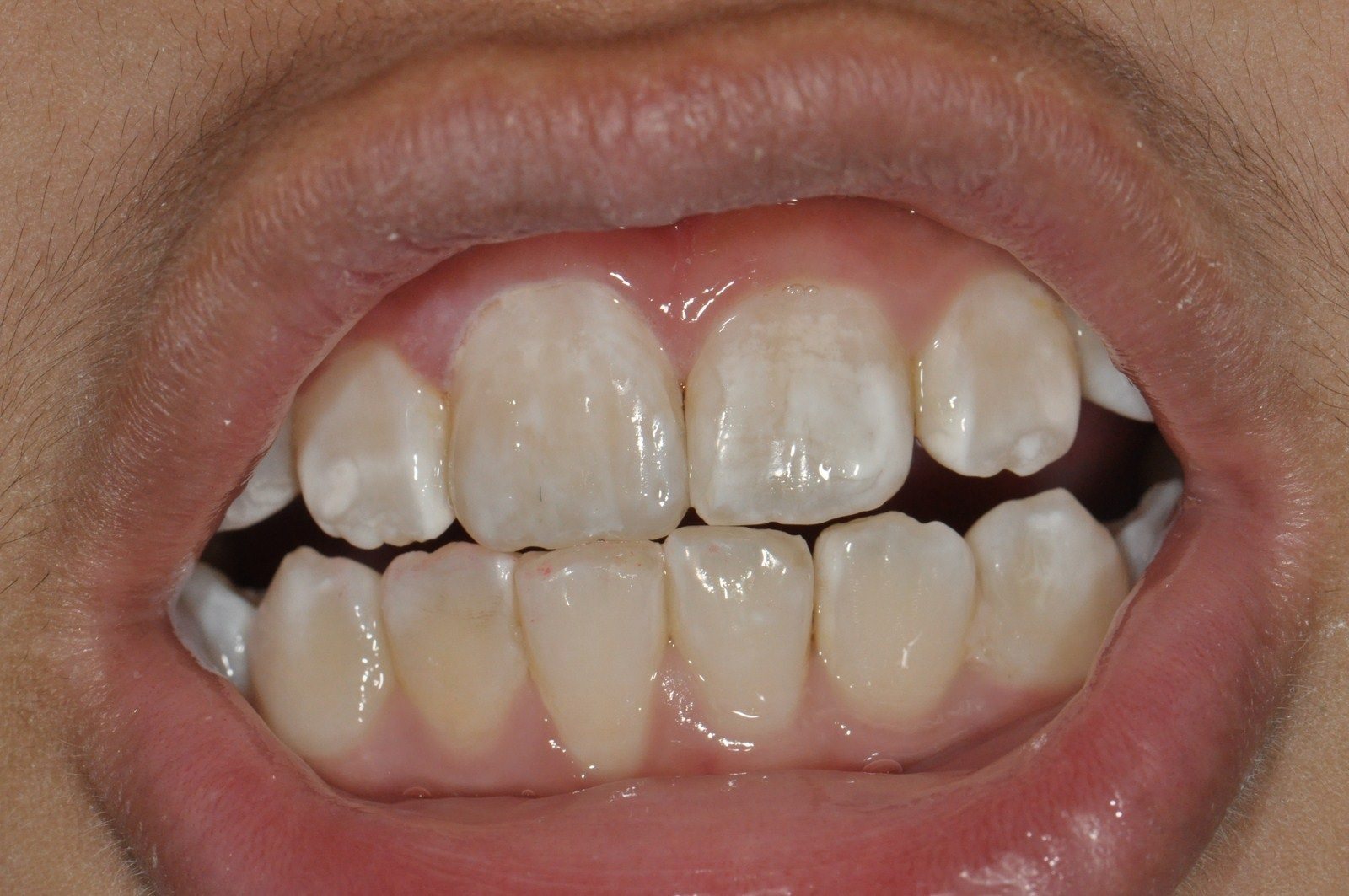
White spots on teeth are areas where the tooth enamel has lost minerals or failed to develop properly. They appear as chalky, dull, or opaque patches that look lighter than the surrounding tooth surface.
Doctors refer to them clinically as white spot lesions (WSLs). They can occur on baby teeth or permanent teeth, on the front teeth or molars, and in children or adults.
They are not always a sign of a serious problem, but they should never be ignored because they often indicate early changes in enamel health.
Understanding Tooth Enamel
Enamel is the hardest substance in the human body. It forms the outer protective layer of every tooth and is made up of tightly packed mineral crystals, primarily calcium and phosphate.
When enamel is healthy, it appears smooth and slightly translucent. When it loses minerals or develops improperly, it becomes porous and opaque, which is what creates the white spot appearance.
Enamel cannot grow back on its own, but early-stage mineral loss can be reversed through remineralization if caught in time.
Why Do I Have White Spots on My Teeth? 10 Doctor-Identified Causes
1. Demineralization (Early Tooth Decay)
Demineralization is the most common cause of white spots on teeth. It happens when acids produced by plaque bacteria attack the enamel and strip away calcium and phosphate minerals.
The result is a porous, weakened area of enamel that appears chalky white. This is essentially the earliest stage of tooth decay, and if not treated, it can develop into a full cavity.
The good news is that early demineralization is reversible with proper fluoride treatment and improved oral hygiene habits.
2. Dental Fluorosis
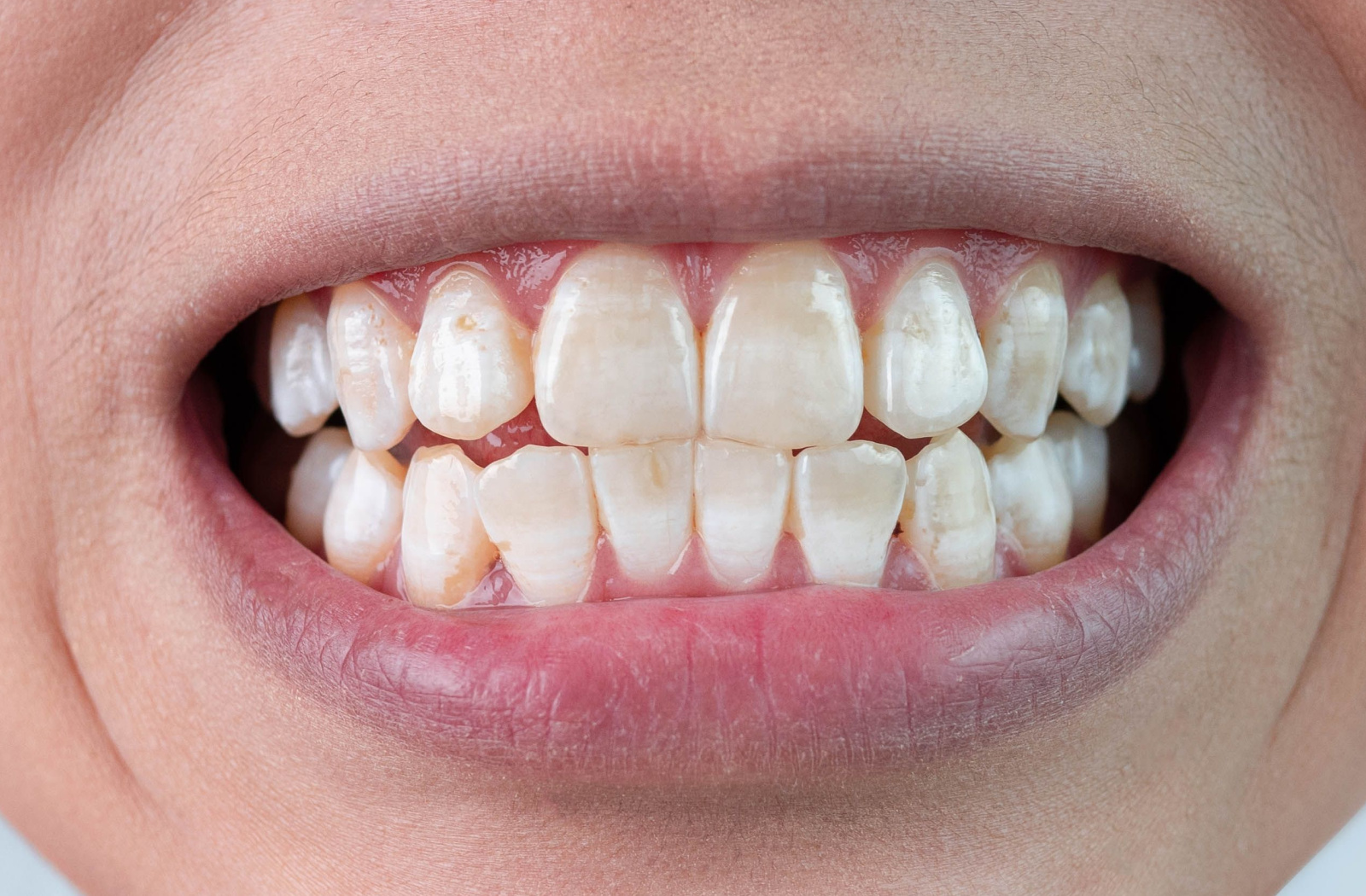
Dental fluorosis develops when a child consumes too much fluoride during the years when their teeth are forming, usually between ages one and eight.
Sources of excess fluoride include swallowing fluoride toothpaste, drinking highly fluoridated water, or taking fluoride supplements unnecessarily. Mild fluorosis appears as faint white streaks or spots. Severe fluorosis can cause brown staining and pitting.
Important fact: Fluorosis only forms during tooth development. Adults cannot develop new fluorosis, but the spots formed in childhood remain on permanent teeth.
| Fluorosis Severity | Appearance | Treatment Needed |
|---|---|---|
| Very mild | Faint white flecks on less than 25% of tooth | Usually none |
| Mild | White spots on up to 50% of tooth surface | Cosmetic options available |
| Moderate | White spots covering most of tooth | Microabrasion or veneers |
| Severe | Brown staining, pitting, and rough surface | Veneers or crowns |
3. Enamel Hypoplasia
Enamel hypoplasia is a condition where the enamel does not develop properly, leaving it thinner, weaker, and more porous than normal.
It is caused by illness or high fever during early childhood, malnutrition, premature birth, certain medications taken during pregnancy, or genetic factors. The result is white spots, grooves, pits, and increased tooth sensitivity.
Teeth with enamel hypoplasia are more prone to cavities and staining throughout life. There is no way to cure hypoplasia, but cosmetic dental treatments can greatly improve the appearance of affected teeth.
4. Poor Oral Hygiene
Neglecting to brush and floss thoroughly allows plaque to build up on tooth surfaces. The bacteria in plaque release acids that erode enamel and trigger demineralization.
White spots from poor oral hygiene often appear near the gumline or between teeth, where plaque accumulates most heavily. Regular brushing, flossing, and professional cleanings are the most effective way to prevent this type of white spot.
5. White Spots After Braces
One of the most frustrating causes of white spots is orthodontic treatment. Many patients notice chalky white patches on their teeth after braces are removed.
This happens because the brackets and wires make it difficult to clean all tooth surfaces thoroughly. Plaque builds up around the edges of the brackets, causing localized acid attacks and demineralization directly on the enamel.
Maintaining excellent oral hygiene during orthodontic treatment, including water flossers, fluoride rinses, and more frequent dental cleanings, is essential to prevent post-brace white spots.
6. Mouth Breathing During Sleep
Waking up with white spots on your teeth that disappear within an hour is a common sign of mouth breathing overnight. When you breathe through your mouth during sleep, the enamel surface becomes dehydrated.
This temporary dehydration makes the enamel appear chalky white. Once saliva contacts the teeth in the morning, they rehydrate and the spots fade. This type of white spot is harmless but indicates that mouth breathing is a habit worth addressing.
7. Acidic or Sugary Diet
Consuming large amounts of acidic foods and drinks, such as citrus fruits, sodas, energy drinks, and vinegar-based foods, exposes the enamel to frequent acid attacks.
Over time, this repeated acid exposure depletes the enamel’s mineral content, leading to demineralization and white spots. A diet low in calcium also weakens tooth enamel by depriving it of the minerals it needs for ongoing strength.
| Acidic Foods and Drinks to Limit | Enamel-Protective Alternatives |
|---|---|
| Soda and energy drinks | Still or sparkling water |
| Citrus juice (lemon, orange) | Milk or dairy drinks |
| Vinegar dressings | Olive oil-based dressings |
| Sports drinks | Coconut water |
| Pickled foods | Fresh vegetables |
8. Certain Medications and Antibiotics
Some medications taken during tooth development can interfere with enamel formation. Antibiotics like amoxicillin are one well-documented example.
When taken by young children whose teeth are still forming, certain antibiotics can disrupt enamel mineralization and leave permanent white or yellowish spots. This is why pediatric dosing and avoiding unnecessary antibiotic use in young children matters for long-term dental health.
9. Nutritional Deficiencies
Low levels of calcium, vitamin D, and phosphate during childhood directly impair enamel development and mineralization. These deficiencies can result in thinner, weaker enamel that appears white or chalky.
Even in adults, a diet consistently lacking in calcium and vitamin D makes the enamel more vulnerable to acid attack and demineralization. Adequate nutrition is one of the most underappreciated factors in lifelong dental health.
10. Celiac Disease and Systemic Health Conditions
Celiac disease, an autoimmune condition triggered by gluten, is strongly associated with enamel defects including white spots, yellowish discoloration, and banding patterns across multiple teeth.
Other systemic conditions that can cause white spots include kidney disease, hypoparathyroidism, and conditions that affect calcium metabolism. If your dentist notices a pattern of white spots across multiple teeth, they may recommend medical investigation.
How Do Doctors Diagnose White Spots on Teeth?
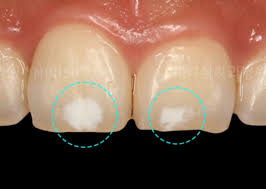
Diagnosing white spots requires more than just looking at them. The cause determines the treatment, so proper diagnosis is essential.
A dentist will typically:
Examine the size, shape, location, and texture of the spots. Review your dental and medical history including childhood illnesses, fluoride exposure, and diet. Use special diagnostic lights or dyes to assess enamel depth and lesion activity. Take dental X-rays to check for underlying decay beneath the surface. In complex cases, refer for further medical evaluation if a systemic cause is suspected.
Treatment Options for White Spots on Teeth
Treatment depends entirely on the cause and severity of the white spots. Options range from simple at-home remineralization to professional cosmetic procedures.
Remineralization Therapy
Remineralization is the first-line treatment for early white spots caused by demineralization. The goal is to restore the calcium and phosphate minerals that were lost from the enamel.
This is achieved through fluoride toothpaste used twice daily, prescription-strength fluoride gels or varnishes applied by a dentist, and remineralizing agents such as casein phosphopeptide-amorphous calcium phosphate (CPP-ACP), found in products like MI Paste.
When caught early, demineralization-related white spots can become significantly less visible or even disappear with consistent remineralization treatment over several weeks.
Resin Infiltration (ICON Treatment)
Resin infiltration is one of the most advanced and effective minimally invasive treatments available for white spots. The procedure involves applying a special low-viscosity resin to the affected enamel.
The resin fills the porous, demineralized spaces inside the enamel and has light-refractive properties similar to healthy enamel. The result is that the white spot blends visually with the surrounding tooth.
ICON resin infiltration is painless, requires no drilling, and produces immediate visible results. Clinical studies show results remain stable for at least 45 months. It works best for spots caused by demineralization and mild fluorosis.
The five steps of ICON treatment: Surface preparation, acid demineralization, alcohol drying, resin application, and UV light curing.
Enamel Microabrasion
Microabrasion is a minimally invasive procedure that removes an extremely thin layer of surface enamel using a combination of mild acid and a fine abrasive paste.
By smoothing and removing the outermost discolored enamel, the white spots become less visible or disappear entirely. The procedure is often combined with professional teeth whitening to create a more uniform color across all teeth.
Microabrasion works best for superficial white spots caused by mild fluorosis or enamel surface staining. It is not appropriate for deep lesions or areas of thin enamel.
Topical Fluoride Treatments
Professional fluoride varnishes and foam applications deliver a high concentration of fluoride directly to the enamel. This promotes remineralization, strengthens the enamel structure, and can reduce the appearance of early white spots over time.
These treatments are especially useful for children at high risk of decay or for patients with multiple white spot lesions across several teeth. They are quick, painless, and can be performed during a routine dental visit.
Teeth Whitening (With Caution)
Standard teeth whitening treatments lighten the surrounding enamel. For white spots that are brighter than the natural tooth color, whitening can sometimes make them more noticeable.
However, for white spots that appear dull or slightly yellowed, professional whitening can help blend the spot with the surrounding tooth by brightening everything evenly. Always consult your dentist before attempting whitening if you have visible white spots.
Dental Bonding
Dental bonding involves applying a tooth-colored composite resin directly to the surface of the affected tooth. Your dentist sculpts and shapes the resin to cover the white spot and match the surrounding enamel color.
Bonding is a cost-effective cosmetic option that can be completed in a single appointment. It is suitable for spots of moderate size and does not require significant enamel removal.
Porcelain Veneers
For severe white spots caused by significant enamel hypoplasia, advanced fluorosis, or widespread discoloration that does not respond to other treatments, porcelain veneers provide a comprehensive cosmetic solution.
Veneers are thin, custom-crafted porcelain shells that are permanently bonded to the front surface of the teeth. They completely conceal the white spots and can also improve the overall shape, size, and alignment of the smile.
Veneers require minimal but permanent enamel reduction and are more costly than other options. However, they offer the most dramatic and long-lasting cosmetic result.
| Treatment | Best For | Invasiveness | Cost Level |
|---|---|---|---|
| Remineralization | Early demineralization | None | Low |
| Resin infiltration (ICON) | Demineralization, mild fluorosis | Minimal | Moderate |
| Microabrasion | Superficial surface staining | Minimal | Moderate |
| Topical fluoride | Multiple lesions, high decay risk | None | Low |
| Teeth whitening | Mild, uniform discoloration | None | Low to moderate |
| Dental bonding | Moderate spots | Low | Moderate |
| Porcelain veneers | Severe or widespread spots | Moderate | High |
Can White Spots on Teeth Go Away on Their Own?
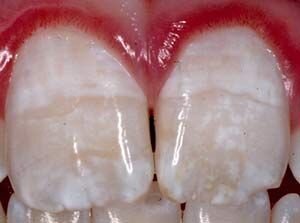
This depends entirely on the cause.
White spots caused by dehydration from overnight mouth breathing disappear within minutes once saliva rehydrates the enamel. No treatment needed.
White spots from early demineralization can reverse naturally through consistent remineralization with fluoride and good oral hygiene, especially in children. This process can take several weeks to months.
White spots from fluorosis or enamel hypoplasia will not disappear on their own because they represent structural changes in how the enamel formed. These require professional cosmetic treatment to improve their appearance.
White spots from braces vary. Mild post-orthodontic spots may fade slightly over time with remineralization, but significant spots typically need professional treatment to fully resolve.
White Spots on Children’s Teeth
White spots in children deserve special attention because the cause is often different from adults.
In baby teeth: White spots are most commonly caused by early childhood caries (baby bottle tooth decay), fluorosis, or enamel hypoplasia from illness during infancy.
In permanent teeth appearing for the first time: Spots may reflect fluorosis from early childhood fluoride exposure, enamel hypoplasia from illness, or early demineralization from poor hygiene.
Parents should schedule a dental check-up as soon as white spots are noticed on a child’s teeth. Early intervention prevents small problems from becoming serious ones.
White Spots on Teeth After Whitening
Some people notice white spots becoming more visible after professional or at-home teeth whitening. This is because whitening treatments bleach the surrounding enamel but cannot penetrate the porous structure of demineralized or fluorotic spots in the same way.
The contrast between the brightened surrounding enamel and the resistant white spot can temporarily make the spots look more obvious. This effect usually reduces within a few days as the enamel rehydrates.
If whitening consistently makes your white spots more noticeable, discuss resin infiltration or bonding with your dentist as a better-suited cosmetic option.
How to Prevent White Spots on Teeth
Brush and Floss Properly Every Day
Use a soft-bristled toothbrush with fluoride toothpaste twice daily. Brush all surfaces carefully for at least two minutes. Floss once daily to remove plaque from between teeth where acid damage begins.
Use the Right Amount of Fluoride
Fluoride is protective at the right dose. Use only a rice-sized amount of fluoride toothpaste for children under three, and a pea-sized amount for children aged three to six. Teach children to spit rather than swallow toothpaste.
Do not use fluoride supplements unless your dentist or doctor specifically recommends them based on your local water fluoride levels.
Maintain a Tooth-Friendly Diet
Reduce acidic and sugary foods and drinks. Rinse your mouth with water after consuming acidic foods. Eat calcium-rich foods like dairy products, almonds, and leafy greens to keep enamel strong.
Take Extra Care During Orthodontic Treatment
If you or your child has braces, invest in a water flosser, use fluoride mouthwash daily, and schedule more frequent professional cleanings. Ask your orthodontist about prescription fluoride products to use during treatment.
Address Mouth Breathing
If you consistently wake up with white spots that disappear within an hour, talk to your doctor about mouth breathing. Treating underlying nasal congestion or using a chin strap at night can help.
Attend Regular Dental Check-Ups
Visit your dentist every six months. Professional cleanings remove hardened plaque, and routine exams catch early white spot lesions before they progress to cavities.
When to See a Dentist About White Spots
Most white spots are not emergencies, but certain situations require prompt professional evaluation.
See a dentist if:
- White spots are new and getting larger or more numerous
- Spots are accompanied by tooth sensitivity or pain
- You notice spots appearing on multiple teeth in a pattern
- Spots persist for more than two weeks without any sign of improvement
- You notice spots developing around braces brackets
- White spots have an irregular shape, rough texture, or are combined with brown or yellow discoloration
- You are concerned about the cosmetic appearance of your smile
Early diagnosis leads to simpler, less invasive, and less costly treatment in every case.
Frequently Asked Questions (FAQs)
Q1. Why do I have white spots on my teeth suddenly?
Sudden white spots are most often caused by overnight dehydration from mouth breathing, and they disappear within an hour. If they are permanent and do not fade, the cause is likely demineralization, fluorosis, or enamel hypoplasia requiring dental evaluation.
Q2. Are white spots on teeth a sign of decay?
White spots caused by demineralization are early-stage enamel decay and should be treated promptly. However, white spots from fluorosis or enamel hypoplasia are not cavities and do not indicate active decay.
Q3. Can white spots on teeth be removed permanently?
Yes. Treatments like resin infiltration, microabrasion, dental bonding, and porcelain veneers can permanently reduce or eliminate white spots depending on the cause and severity.
Q4. Why do I have white spots on my teeth after braces?
Post-brace white spots are caused by demineralization around the bracket edges where plaque was difficult to remove. Fluoride treatments and resin infiltration are highly effective at treating these spots.
Q5. Do white spots on teeth mean I have too much fluoride?
Not necessarily. Fluorosis is just one cause of white spots, and it only forms during childhood tooth development. White spots in adults are more commonly caused by demineralization, mouth breathing, or poor hygiene.
Q6. Can white spots on teeth go away naturally?
Dehydration spots disappear within minutes on their own. Early demineralization spots can reverse with remineralization therapy. Spots from fluorosis or enamel hypoplasia cannot disappear naturally and require professional treatment.
Q7. How do dentists treat white spots on teeth?
Treatment options include remineralization with fluoride, resin infiltration (ICON), enamel microabrasion, dental bonding, teeth whitening, and porcelain veneers. The best option depends on the cause and size of the spots.
Q8. Are white spots on children’s teeth normal?
White spots in children are relatively common and can result from fluorosis, enamel hypoplasia from early illness, or early decay. A pediatric dentist should evaluate them early to determine the cause and prevent progression.
Q9. Can a bad diet cause white spots on teeth?
Yes. A diet high in acidic foods and drinks or low in calcium accelerates enamel demineralization and can lead to white spots. Cutting back on soda, citrus juice, and sugar while increasing calcium-rich foods helps protect the enamel.
Q10. Is resin infiltration the best treatment for white spots?
Resin infiltration (ICON) is widely considered the best minimally invasive treatment for white spots caused by demineralization and mild fluorosis. It is painless, requires no drilling, and produces immediate visible results that last for years.
Conclusion
Why do I have white spots on my teeth is a question that deserves a clear, expert answer rather than guesswork.
As this guide explains, white spots can stem from early tooth decay, excess fluoride during childhood, poor oral hygiene, braces, mouth breathing, acidic diets, nutritional deficiencies, medications, or systemic health conditions.
The cause matters because it determines the right treatment. Some spots reverse naturally with remineralization and better oral hygiene.
Others require professional procedures like resin infiltration, microabrasion, dental bonding, or veneers for a lasting cosmetic result.
The most important step is scheduling a dental evaluation as soon as you notice persistent white spots.
Early diagnosis gives you the widest range of treatment options, the least invasive procedures, and the best long-term outcomes for your smile and overall dental health.
