

Why do cats eyes dilate? It is one of the most common questions cat owners ask, and the answer is more layered than most people expect.
A cat’s pupils are constantly changing size throughout the day, responding to light, emotions, health conditions, and the nervous system. Sometimes those wide, round eyes mean your cat is excited and playful.
Other times, they are communicating fear, pain, or even a serious medical condition. Understanding what your cat’s dilated pupils are telling you is one of the most useful skills you can develop as a cat owner.
How Cat Eyes Work
The Anatomy of a Cat’s Eye
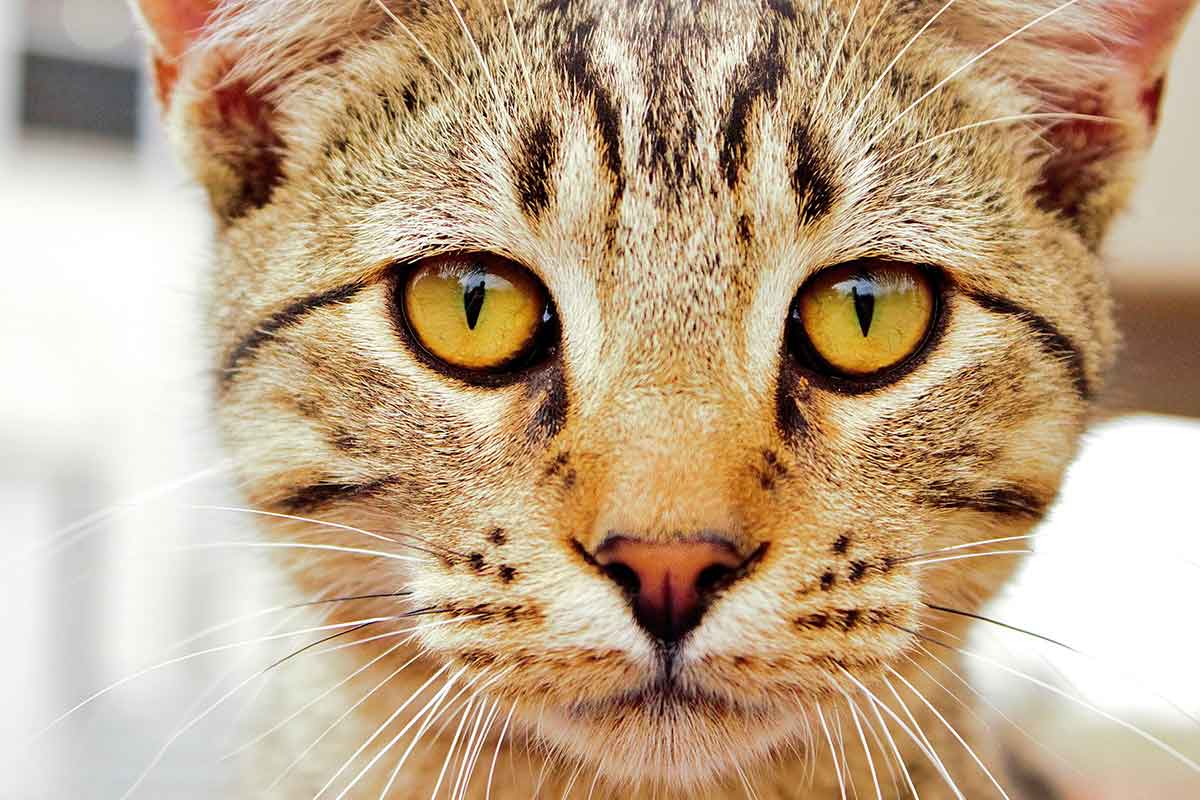
A cat’s eye is made up of the same basic structures as a human eye. The visible parts include the sclera (the white area), the iris (the colored ring), and the pupil (the dark center that controls light intake).
What makes cats unique is the shape of their pupils. Healthy cat pupils are vertical slits — a design that is perfectly adapted for predators that hunt at dusk and dawn. This slit shape allows extreme precision when adjusting to changing light levels.
What Is Pupil Dilation?
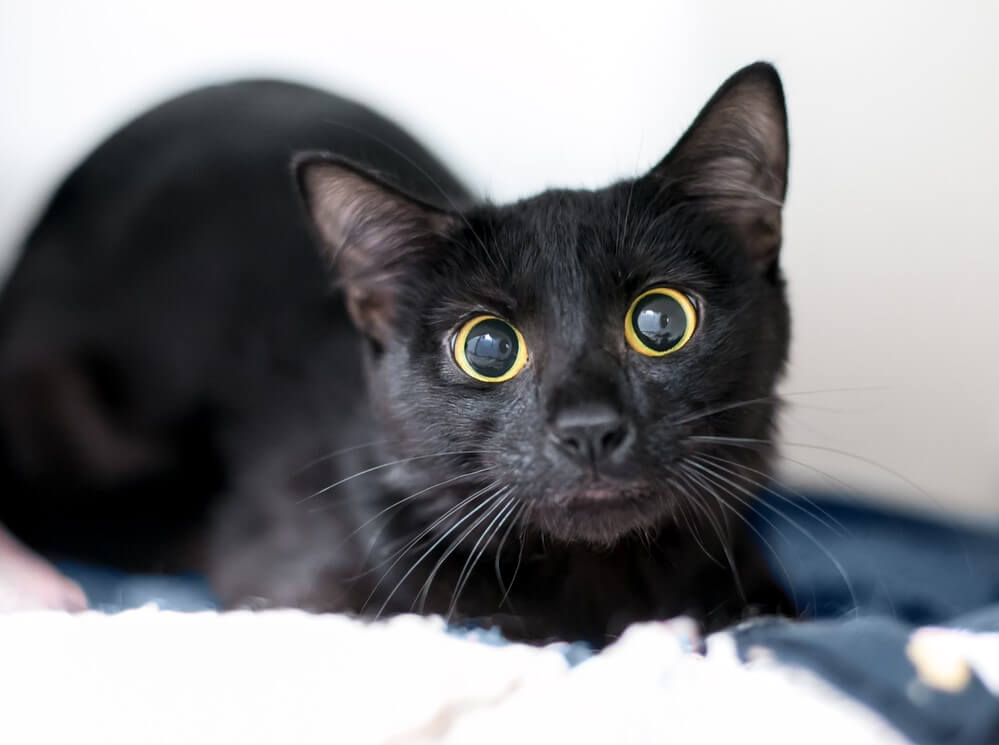
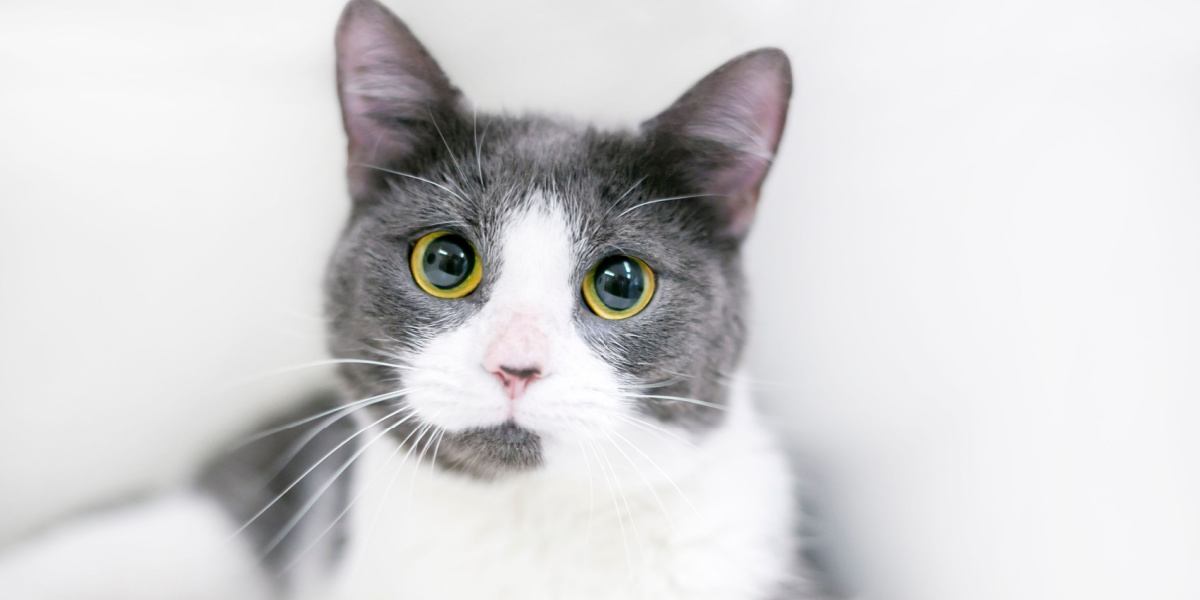
Dilation is when the pupil opens wide, becoming round and large rather than its usual slit shape. The medical term for a widely dilated pupil is mydriasis.
When a cat’s pupils are dilated, more light enters the back of the eye where the retina processes images. This allows the cat to see more clearly in low-light conditions or to react faster to threats and stimuli.
How the Nervous System Controls Pupil Size
The pupils are controlled by the muscles inside the iris, which are governed by the autonomic nervous system (ANS). The ANS operates automatically — cats cannot consciously control whether their pupils dilate or constrict.
Two branches of the ANS manage pupil size. The sympathetic nervous system triggers dilation during stress, fear, excitement, and fight-or-flight responses. The parasympathetic nervous system triggers constriction when the cat is calm and in bright light.
Normal Reasons Why Cats Eyes Dilate
Low Light and Darkness
The most common and completely normal reason why cats eyes dilate is dim lighting. When a room is dark or the lights are low, a cat’s pupils open wide to allow as much light as possible into the eye.
This is a reflex action the cat cannot control. If you see wide pupils in a poorly lit room, there is nothing to worry about. It is simply the cat’s eye doing exactly what it is designed to do.
Excitement and Playtime
Cats’ eyes frequently dilate during play, especially when they lock onto a toy and enter hunting mode. The pupils grow large to improve their ability to track fast-moving objects and react quickly.
This is completely normal behavior seen in cats of all ages. If your cat’s eyes go wide right before they pounce on a toy or charge through the house, that is just healthy excitement at work.
The Fight-or-Flight Response
When a cat feels afraid, startled, or threatened, the sympathetic nervous system activates and the pupils dilate instantly. This is part of the classic fight-or-flight response.
Dilating the pupils during a fear response helps the cat take in more visual information about their environment — scanning for exits, threats, and movement. The dilation usually lasts just a few minutes and fades as the cat calms down.
Fear and Anxiety
Cats who feel genuinely scared — perhaps during a thunderstorm, around a new person, or near an aggressive animal — will show wide pupils alongside other fear signals.
Look for additional body language cues like flattened ears, a puffed-up tail, hissing, or crouching. The combination of these signals alongside dilated pupils tells you the cat is in a heightened state of anxiety.
Curiosity and Stimulation
Sometimes a cat’s eyes dilate simply because something has caught their intense interest. A bird outside the window, an unusual sound, or a new smell in the room can all trigger mild pupil dilation from curiosity.
This type of dilation is brief and not a cause for concern. The pupils will return to normal quickly once the interesting stimulus passes.
Catnip Reaction
Catnip contains nepetalactone, a compound that produces a brief euphoric response in approximately 50–70% of cats. One of the most visible signs of a catnip reaction is fully dilated pupils.
This reaction typically lasts around 10 minutes. The cat will not respond to catnip again for a couple of hours after the initial reaction. If you have recently given your cat a catnip toy and notice wide eyes, that is the very likely explanation.
Pain and Discomfort
Pain is one of the most overlooked reasons for dilated cat pupils. Cats are highly skilled at hiding discomfort, but their eyes often give them away.
When a cat is in pain, the body triggers a stress response that activates the sympathetic nervous system, which in turn causes the pupils to dilate. If you notice wide pupils alongside unusual behavior, hiding, reduced appetite, or changes in posture, pain may be the cause and a vet visit is needed.
Quick Reference Table — Normal vs. Concerning Dilation
| Cause | Normal or Concerning? | Duration | Action Needed? |
|---|---|---|---|
| Low light / darkness | Normal | While light is dim | No |
| Playtime and excitement | Normal | During play | No |
| Surprise or startle | Normal | Minutes | No |
| Fear or anxiety | Normal (short-term) | Minutes | Monitor |
| Catnip reaction | Normal | ~10 minutes | No |
| Pain or discomfort | Concerning | Variable | Yes — vet check |
| Persistent in bright light | Concerning | Ongoing | Yes — vet urgently |
| One eye only dilated | Concerning | Any duration | Yes — vet urgently |
| Sudden unexplained dilation | Concerning | Any duration | Yes — vet urgently |
| Accompanied by other symptoms | Concerning | Any duration | Yes — vet urgently |
Medical Reasons Why Cats Eyes Dilate
Feline Hypertension (High Blood Pressure)
Hypertension is one of the most common medical causes of persistently dilated pupils in cats, especially in middle-aged and senior cats. The eyes are actually the most common organ that high blood pressure targets in cats.
High blood pressure can cause retinal detachment, swelling inside the eye, and internal bleeding — all of which lead to wide, non-responsive pupils. If left untreated, hypertension can result in sudden blindness. Hypertension in cats is often secondary to kidney disease, hyperthyroidism, or heart disease.
Additional signs to watch for alongside dilated pupils include weight loss, changes in appetite or thirst, lethargy, panting, and poor coat quality.
Glaucoma
Feline glaucoma occurs when fluid inside the eye cannot drain properly, causing pressure to build up. This increased intraocular pressure causes the pupil to dilate and become fixed, and the eye becomes red and painful.
Glaucoma can affect one or both eyes. When only one eye is affected first, you may notice one dilated pupil and one normal pupil. Vision loss from glaucoma is usually permanent, but early treatment can stop the condition from progressing further.
Any cat showing a red, painful-looking eye with a dilated fixed pupil needs urgent veterinary attention.
Progressive Retinal Atrophy (PRA)
Progressive retinal atrophy is a degenerative condition where the photoreceptor cells in the retina gradually break down over time. As the retina fails, the pupils lose the ability to respond normally to light and may remain persistently dilated.
PRA progresses slowly and often leads to complete blindness. Affected cats will squint frequently and may have difficulty navigating in low light. There is currently no cure for PRA, but an early diagnosis helps owners prepare and support the cat’s quality of life.
Feline Dysautonomia
Feline dysautonomia is a rare but serious neurological condition that affects the autonomic nervous system. Because the ANS controls pupil size, dysfunction in this system leads to persistently dilated pupils.
Other symptoms of dysautonomia include elevated third eyelids, food regurgitation, muscle loss, weight loss, difficulty urinating, and general weakness. The cause of dysautonomia is not fully understood. It requires veterinary diagnosis and management.
Hypertrophic Cardiomyopathy and Kidney Disease
Cats with chronic kidney disease or heart disease frequently develop secondary hypertension, which then causes pupil dilation. Both conditions are very common in older cats.
A cat with kidney disease may also show increased thirst and urination, weight loss, vomiting, and a dull coat. Heart disease may cause labored breathing, weakness, and poor appetite. These underlying conditions are manageable with proper veterinary care.
Hyperthyroidism
Hyperthyroidism — an overactive thyroid gland — is another condition that leads to high blood pressure in cats, which then triggers dilated pupils. It is particularly common in cats over 10 years old.
Signs of hyperthyroidism include rapid weight loss despite a good or increased appetite, hyperactivity, excessive thirst, vomiting, and a poor coat. Blood tests can diagnose this condition quickly, and it is very treatable once identified.
Ocular Tumors
Tumors affecting the eye or the brain can cause one or both pupils to dilate. Eye tumors may also cause visible changes like a red or cloudy eye, eye discharge, changes in the third eyelid, and apparent pain.
Brain tumors can affect the nerve pathways that control pupil size, causing persistent or asymmetric dilation. Additional signs include behavioral changes, lethargy, seizures, and changes in coordination.
Infectious Diseases
Certain feline infectious diseases can cause dilated pupils as part of their broader effects on the nervous system and eyes. These include Feline Leukemia Virus (FeLV), Feline Herpesvirus, Feline Immunodeficiency Virus (FIV), and toxoplasmosis.
These infections may also cause eye discharge, eye cloudiness, fever, weight loss, and changes in behavior. Any cat showing these combined signs should be examined by a vet promptly.
Toxin Exposure and Medications
Various toxins can cause a cat’s pupils to dilate by activating or disrupting the nervous system. Common culprits include ADHD medications, muscle relaxants, marijuana, certain mushroom species, and pyrethrin-based flea and tick products.
Some veterinary medications can also cause temporary pupil dilation as a side effect. Atropine eye drops, for example, are commonly used by vets during eye examinations and may leave the pupils dilated for several hours.
Vitamin B1 (Thiamine) Deficiency
A deficiency in vitamin B1, also called thiamine, can cause vision changes and dilated pupils in cats. This is most commonly seen in cats fed exclusively on raw fish diets or poorly formulated homemade diets that are low in thiamine.
Other symptoms include tremors, seizures, and neurological abnormalities. The condition is reversible once the cat receives thiamine supplementation and a balanced diet.
Iris Atrophy
Iris atrophy is a condition where the tissue of the iris gradually thins with age. As the iris weakens, it can no longer constrict the pupil effectively, resulting in a permanently or partially dilated appearance.
This is a relatively common finding in older cats and is generally considered a normal aging change. However, any new changes in pupil size should always be investigated by a vet to rule out other conditions.
Medical Conditions Summary Table
| Condition | Key Symptom Alongside Dilation | Urgency |
|---|---|---|
| Feline Hypertension | Weight loss, lethargy, vision loss | High |
| Glaucoma | Red eye, pain, cloudiness | Urgent |
| Progressive Retinal Atrophy | Squinting, night blindness | Moderate |
| Feline Dysautonomia | Third eyelid raised, regurgitation | High |
| Kidney Disease | Increased thirst, weight loss, vomiting | High |
| Hyperthyroidism | Weight loss, hyperactivity, increased appetite | Moderate |
| Ocular Tumors | Eye discharge, cloudiness, behavioral change | Urgent |
| Infectious Disease (FeLV, FIV) | Discharge, fever, weight loss | High |
| Toxin Exposure | Sudden onset, behavioral change | Emergency |
| Thiamine Deficiency | Tremors, seizures | High |
| Iris Atrophy | Ragged pupil edges, older cat | Low–Moderate |
What Does It Mean When Only One Cat Eye Is Dilated?
Understanding Anisocoria
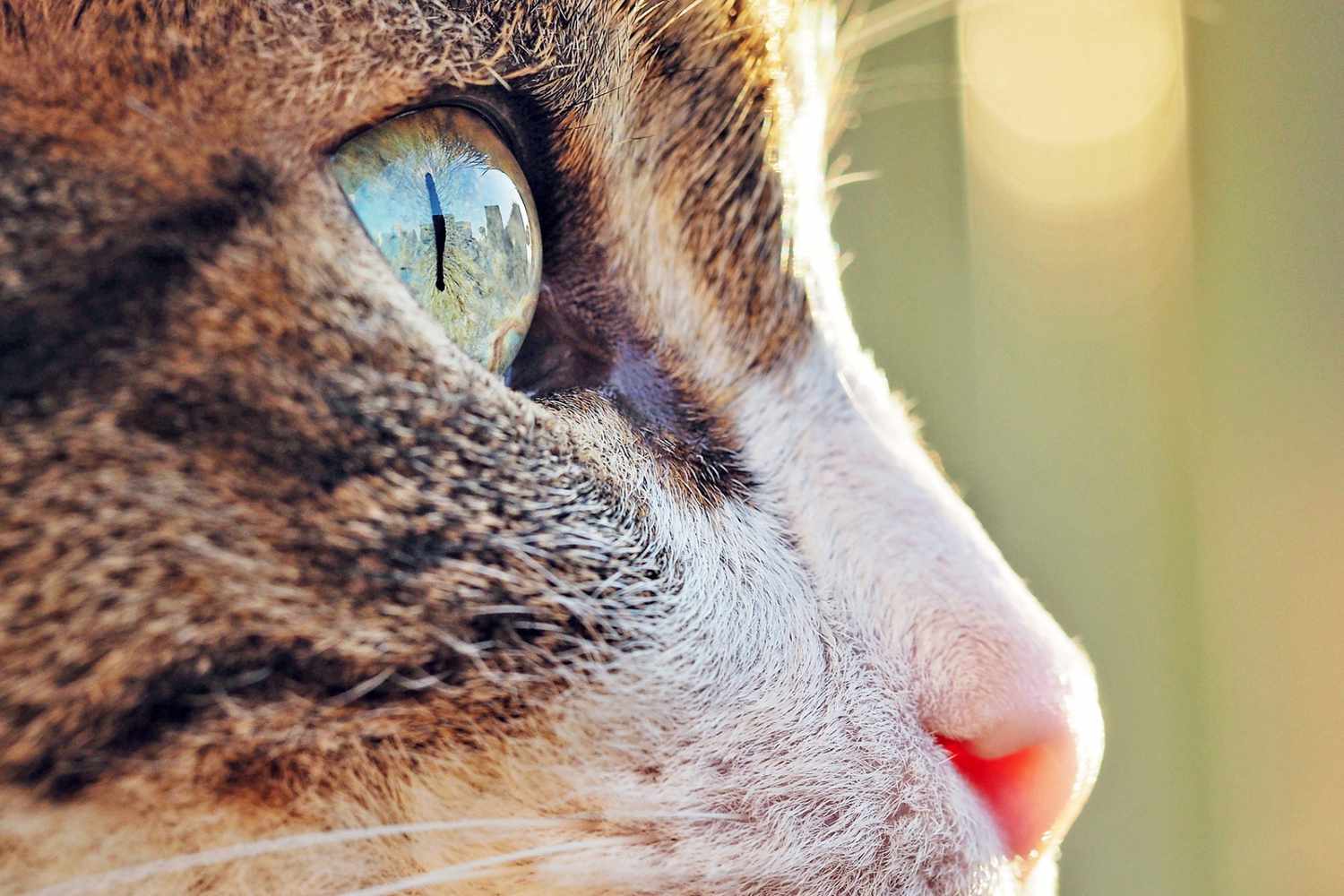
When one pupil is larger than the other, the condition is called anisocoria. Anisocoria is not a disease itself — it is a symptom that something is affecting the nerve pathways controlling one eye independently of the other.
It can range from benign to life-threatening depending on the cause. Any sudden-onset anisocoria in a cat should be treated as a medical emergency until proven otherwise.
Common Causes of One Dilated Eye in Cats
The most common causes of anisocoria in cats include glaucoma, uveitis (inflammation inside the eye), corneal injury, Horner’s syndrome, retinal disease, brain or spinal cord issues, trauma, and ocular tumors.
Horner’s syndrome, in particular, causes a characteristic set of signs: a drooping eyelid, a small pupil, a recessed eyeball, and a raised third eyelid — all on the same side. It indicates a problem with the sympathetic nerves supplying that side of the face.
When to Act on One Dilated Eye
If your cat develops one dilated eye suddenly — especially if the eye is also red, cloudy, or has discharge — do not wait. Contact your vet immediately.
Even if there are no other obvious symptoms, a single dilated pupil that persists for more than a few minutes without an obvious environmental explanation requires veterinary evaluation. Delays can result in permanent vision loss.
What Dilated Cat Eyes Say About Emotions
Reading Cat Body Language Through the Eyes
A cat’s eyes are one of the most expressive parts of their body. The size and shape of the pupils, combined with ear position, tail movement, and body posture, give a complete picture of what the cat is feeling.
Wide, round pupils in an otherwise relaxed cat often signal playfulness or curiosity. Wide pupils with flattened ears, a low body posture, and a puffed tail indicate fear. Wide pupils with an upright, tense body signal aggression or overstimulation.
Dilated Eyes During Play vs. Fear — The Difference
Play dilation looks different from fear dilation in a few important ways. During play, the cat’s body is loose and energetic, the tail moves freely, and the cat may chirp or chatter. The eyes are wide but the overall energy is light and bouncy.
During fear, the body becomes rigid or crouched, the ears flatten, the whiskers pull back, and the cat may hiss or growl. The eyes are wide but the whole body communicates danger. Understanding this distinction helps you respond appropriately.
The Slow Blink and Relaxed Eyes
When a cat has narrow, relaxed pupils in a well-lit room and blinks slowly at you, that is a strong signal of trust and contentment. The slow blink is often called the “cat kiss” — it means the cat feels safe and comfortable with you.
Mirroring this slow blink back at your cat is a well-documented way to reinforce the bond between you. Research has confirmed that cats are more likely to approach a human who slow blinks at them than one who does not.
When Should You Be Worried About Dilated Cat Eyes?
Signs That Always Require a Vet Visit
There are certain situations where dilated cat eyes are never just “normal” and always deserve prompt veterinary attention. Persistent dilation that does not resolve in bright light is one of the clearest warning signs.
Other red flags include one pupil being larger than the other, pupils that are unresponsive to changes in light, sudden onset of dilation with no obvious cause, dilation accompanied by redness or cloudiness in the eye, and any dilation alongside behavioral changes, lethargy, or loss of appetite.
Emergency Situations Requiring Immediate Action
Some scenarios require same-day or emergency veterinary care. These include sudden blindness alongside dilated pupils, suspected toxin ingestion, head trauma followed by unequal pupils, and dilated pupils in a cat that is seizuring or showing neurological signs.
In these situations, do not wait for a regular appointment. Contact an emergency animal hospital immediately. Unequal pupils after a head injury are an early sign of brain swelling, which can become life-threatening within hours.
What to Tell Your Vet
When you contact your vet about dilated cat eyes, be ready to provide some key information. Note when you first observed the dilation, whether it affects one or both eyes, whether the pupils respond normally when you move the cat into a brighter room, and whether the cat has eaten anything unusual recently.
Taking a short video or a photograph of your cat’s eyes in both bright and dim light can be extremely helpful for your vet’s initial assessment.
How Vets Diagnose the Cause of Dilated Pupils
The Initial Examination
Your vet will begin with a full physical examination and a detailed eye exam. They will assess the size, shape, and responsiveness of each pupil, examine the structures inside the eye, and check the overall health of the retina and optic nerve.
They will also evaluate the cat’s blood pressure, since hypertension is one of the most common and treatable causes of persistent pupil dilation in adult and senior cats.
Diagnostic Tests Commonly Used
Depending on initial findings, the vet may run blood and urine tests to check for kidney disease, hyperthyroidism, and infections. They may measure intraocular pressure to diagnose glaucoma, assess tear production, and perform a detailed retinal exam using an ophthalmoscope.
In cases involving possible neurological causes, imaging such as X-rays, ultrasound, CT scans, or MRI may be recommended to visualize the brain, skull, and spinal cord.
Treatment Options
Treatment depends entirely on the underlying cause. There is no single treatment for dilated pupils. Common approaches include blood pressure medication for hypertension, eye drops to manage glaucoma or uveitis, dietary changes and medication for kidney disease, anti-thyroid medication or radioactive iodine therapy for hyperthyroidism, and antiviral or antibiotic treatment for infectious diseases.
For toxin exposure, immediate decontamination and supportive care are the priority. For thiamine deficiency, vitamin B1 injections and a corrected diet provide a full recovery in many cases.
Caring for a Cat With Chronic Eye Conditions
Supporting a Cat With Vision Loss
Cats with conditions like PRA, advanced glaucoma, or chronic hypertension may experience partial or full vision loss. It is important to know that blind cats can live happy, fulfilling lives with the right support.
Keep the home layout consistent so the cat can navigate by memory. Avoid moving furniture, use scented markers near food bowls and litter boxes, and speak softly when approaching to give the cat time to sense your presence.
Regular Vet Check-Ups for Senior Cats
Senior cats — generally those over 10 years old — are at much higher risk for hypertension, kidney disease, hyperthyroidism, and iris atrophy, all of which affect pupil size. Regular twice-yearly vet check-ups are strongly recommended for older cats.
Catching these conditions early is the single biggest factor in preserving your cat’s vision and quality of life.
Monitoring at Home
You do not need to be a vet to keep an eye on your cat’s pupil health at home. Make it a habit to briefly check your cat’s eyes during your regular petting sessions — looking for symmetry, any cloudiness, discharge, or redness.
A simple at-home light test can also be helpful. Shine a gentle light near your cat’s eyes and observe whether both pupils constrict equally. Unequal or non-responsive pupils in a bright environment are always a reason to call the vet.
Cat Eye Dilation vs. Constriction — Full Comparison Table
| Pupil State | Appearance | Common Cause | What It Means |
|---|---|---|---|
| Fully dilated (round) | Large black circles | Low light, fear, excitement | Normal or medical |
| Partially dilated | Medium-sized oval | Moderate light, mild curiosity | Usually normal |
| Constricted (slit) | Thin vertical line | Bright light, contentment | Normal and relaxed |
| Fixed and dilated | Wide and unresponsive | Medical emergency | Vet immediately |
| One dilated, one normal | Asymmetric (anisocoria) | Neurological, injury, glaucoma | Vet urgently |
| Dilated with red eye | Wide + eye redness | Glaucoma, uveitis, infection | Vet urgently |
| Dilated with cloudiness | Wide + hazy eye | Corneal issue, cataracts, tumor | Vet promptly |
10 Frequently Asked Questions About Cat Eye Dilation
Why do cats eyes dilate when they look at you?
When a cat’s eyes dilate while looking at you, it usually signals excitement, affection, or heightened interest. If paired with relaxed body language, it is a positive emotional response.
Is it normal for a cat’s eyes to be dilated all the time?
No, persistently dilated pupils — especially in bright light — are not normal and can indicate hypertension, vision loss, glaucoma, or a neurological condition. A vet check is needed.
Why does my cat have one eye dilated and one normal?
One dilated and one normal pupil is called anisocoria. It often signals a serious underlying condition such as glaucoma, Horner’s syndrome, eye trauma, or a neurological problem and needs urgent veterinary attention.
Can fear cause cats eyes to dilate?
Yes, fear is one of the most common emotional triggers for dilated pupils in cats. The fight-or-flight response activates the sympathetic nervous system, causing immediate pupil dilation.
Why do cats eyes dilate after catnip?
Catnip contains nepetalactone, which causes a brief neurological “high” in susceptible cats. Pupil dilation is one of the most visible effects of this reaction, lasting approximately 10 minutes.
Why do old cats have dilated eyes?
Older cats are prone to iris atrophy, where the iris tissue thins with age and loses the ability to fully constrict. They are also at higher risk of hypertension and kidney disease, both of which can cause persistent dilation.
Can pain cause cats eyes to dilate?
Yes, pain triggers a systemic stress response that activates the sympathetic nervous system, causing pupil dilation. Wide eyes in a quiet, withdrawn, or tense cat can be a sign of hidden pain.
When should I take my cat to the vet for dilated eyes?
Take your cat to the vet if the dilation persists in bright light, if only one eye is dilated, if there is redness or cloudiness, if the cat seems unwell, or if the dilation appeared suddenly with no clear cause.
Do dilated pupils in cats mean they are happy?
Not always. Wide pupils can mean excitement or playfulness, but they can equally signal fear, pain, or illness. Always read the full body language — relaxed, playful cats look very different from anxious or unwell ones.
Can toxins cause cats eyes to dilate?
Yes, several toxins cause pupil dilation in cats including ADHD medications, muscle relaxants, certain plants, illegal drugs, and some flea treatments. Sudden unexplained dilation after possible exposure to any of these is an emergency.
Conclusion
Understanding why cats eyes dilate helps you become a more attentive and informed cat owner. Most of the time, dilated pupils are completely harmless — a natural response to low light, playtime, excitement, or a catnip session. But there are times when those wide eyes are a window into something more serious, such as hypertension, glaucoma, neurological disease, or pain. The key is knowing the difference. If your cat’s eyes return to normal quickly and they are behaving as usual, you generally have nothing to worry about. But if the dilation persists in bright light, involves only one eye, or comes alongside other concerning symptoms, do not delay a veterinary visit. Your cat’s eyes are trying to tell you something — and learning to read that message could protect their vision and their life. Always trust your instincts and when in doubt, call your vet.
