

Why do kids hate school is one of the most searched questions by parents and teachers across the globe in 2026.
It is not just about mornings filled with complaints or fake stomachaches — it is a real signal that something in the school experience is not working for the child.
Research from the National Institutes of Health shows that as many as 28% of children experience school avoidance at some point.
Is It Normal for Kids to Hate School
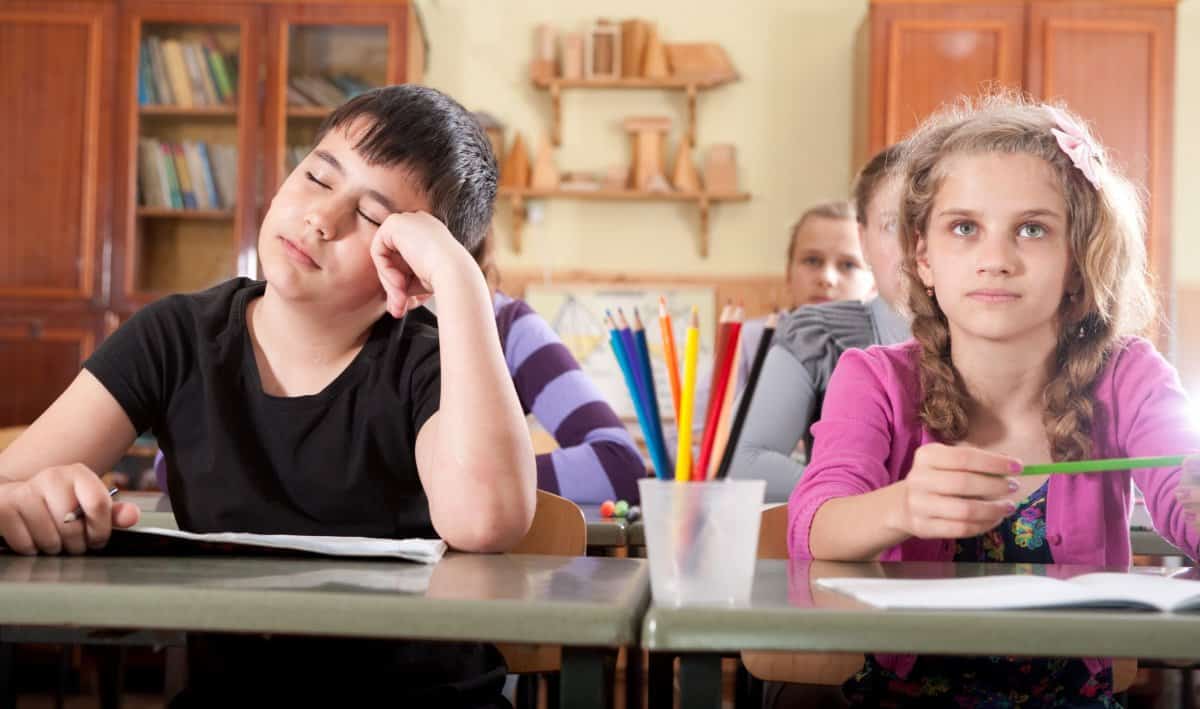
Yes, to a degree. Most children will complain about school at some point in their lives. It is a completely normal part of growing up.
However, there is a clear difference between occasional grumbling and genuine school aversion. When a child says “I hate school” every single day, fakes illness, has meltdowns at drop-off, or refuses to get out of the car, that is a signal worth taking seriously.
The underlying cause matters enormously, and it is rarely just one thing. Parents who listen carefully and respond with curiosity rather than dismissal are better equipped to help.
Key Statistics About Why Kids Hate School in 2026
Data from recent surveys paints a clear picture of the scale of the problem.
| Statistic | Data |
|---|---|
| Children who experience school avoidance | 28% (NIH Research) |
| Kids who cited physical symptoms tied to anxiety | 42% (2025 National Survey) |
| Most common age range for school refusal | 10–13 years old |
| Reading and math score decline since 2019 | Ongoing per 2025 Kids Count Data Book |
| Chronic absenteeism rate | Rising since pandemic per EdWeek 2025 |
These numbers confirm that school disengagement is a growing public concern, not a phase that can be dismissed.
Top Reason 1 — Academic Pressure and Fear of Failure
The pressure to perform well academically is one of the most widespread reasons kids develop negative feelings about school. High expectations from parents, teachers, and the students themselves create a constant state of anxiety.
Many children live in fear of getting a wrong answer, failing a test, or disappointing an adult they care about. Over time, school stops feeling like a place to learn and starts feeling like a place to be judged.
This is especially intense in middle school and high school, where grades carry weight for college applications and future outcomes. For some kids, that pressure feels impossible to carry day after day.
What Parents Can Do About Academic Pressure
Avoid placing the entire focus on grades and results. Instead, celebrate effort, curiosity, and improvement.
Talk openly with your child about the difference between making mistakes and failing. Normalizing errors as part of the learning process dramatically reduces anxiety around schoolwork.
Work with teachers to identify if the curriculum pace is too fast. Some children need more time with specific concepts, and that is perfectly acceptable.
Top Reason 2 — Bullying and Social Problems
Bullying is one of the most powerful drivers of school hatred and school refusal. No child should have to dread going to school because of fear from peers.
Bullying is different from normal teasing. There is a clear imbalance of power involved, and the effects are lasting. Children who are bullied often develop anxiety, depression, and a deep aversion to school environments.
Social struggles go beyond bullying, too. Difficulty making friends, feeling left out at lunch, or not reading social cues correctly can all make school a lonely and painful place.
What Parents Can Do About Bullying
Encourage your child to talk to you or a trusted adult at school if they are being bullied. Make it clear they will not get in trouble for speaking up.
Contact the school directly if bullying is suspected. Most schools have formal anti-bullying policies that must be enforced. If anxiety persists, Cognitive Behavioral Therapy (CBT) is the gold standard evidence-based treatment for school-related social anxiety.
Top Reason 3 — Boring and Irrelevant Curriculum
A lot of students dislike school because the material feels irrelevant to their daily lives. Sitting for six to seven hours and being forced to retain large amounts of information they have no interest in is not only difficult but genuinely draining.
Research from Psychology Today confirms that teachers who frame learning as a mandate — “this will be on the test” — actively undermine student motivation. Kids need to understand why something matters, not just that it does.
Students can master algebraic equations but have no idea how to calculate whether a car loan is a good deal. That disconnect makes school feel pointless and frustrating to many children.
What Parents Can Do About Curriculum Boredom
Help your child connect classroom content to things they actually care about. If they love sports, show them how statistics appear in basketball or soccer. If they love cooking, show them chemistry and math in recipes.
Advocate for project-based or interest-led learning when possible. Talk to teachers about how your child’s interests might be incorporated into assignments in creative ways.
Top Reason 4 — Learning Disabilities and Undiagnosed Conditions
If a child has an undiagnosed learning disability or other special need, school becomes incredibly frustrating. They often feel like everyone around them grasps things easily while they struggle constantly.
Children with dyslexia may dread reading aloud in class. Children with ADHD find it nearly impossible to sit still and focus during long lectures. Children with processing differences may need more time to understand instructions that others pick up in seconds.
The shame and embarrassment of struggling in a public classroom setting can push children to disengage completely from learning. They begin to avoid the thing that makes them feel inadequate.
Common Learning Conditions That Cause School Avoidance
| Condition | How It Affects School Experience |
|---|---|
| ADHD | Difficulty focusing, staying still, and completing tasks |
| Dyslexia | Struggles with reading, writing, and spelling |
| Dyscalculia | Difficulty understanding numbers and math |
| Anxiety Disorder | Avoidance of school triggers, meltdowns at drop-off |
| Sensory Processing Issues | Overwhelm from noise, light, and crowds |
| Autism Spectrum | Social difficulties, rigid routines disrupted |
Getting a proper evaluation is one of the most important steps a parent can take. A diagnosis opens the door to accommodations, modified testing, and support services.
What Parents Can Do About Learning Disabilities
Request a neuropsychological evaluation through the school or a private provider. This assessment can identify specific learning challenges and recommend accommodations.
Accommodations such as extra time on tests, a separate testing room, and written instructions instead of verbal ones can completely change a child’s school experience. These are legal rights in most countries for children with documented needs.
Top Reason 5 — Poor Teacher-Student Relationships
The relationship between a child and their teacher is one of the strongest predictors of a child’s attitude toward school. A teacher who is cold, dismissive, or perceived as unfair can make a child dread walking into that classroom every single day.
This does not mean teachers are to blame for everything. Many are stretched thin, managing 25 or more students with wildly different needs and minimal support. But from a child’s perspective, feeling unseen, misunderstood, or punished unfairly is demoralizing.
Positive, empathetic, and enthusiastic teaching can transform a child’s entire experience of school. When that relationship is missing, resentment builds quickly and spreads to the subject itself.
What Parents Can Do About Teacher-Student Mismatch

Schedule a parent-teacher meeting early in the year to open communication. Many issues stem from a lack of dialogue between home and school.
If the mismatch is severe and persistent, it may be worth requesting a classroom change. This is a legitimate option that many parents do not realize they can ask for.
Top Reason 6 — Too Much Homework and Not Enough Downtime
Homework is a major reason why kids hate school. Many children see it as pointless busywork that steals time from activities they actually enjoy.
Research consistently shows that homework provides minimal added value for learning at the elementary school level. Despite this, many schools pile it on, contributing to burnout and resentment.
When a child comes home after seven hours of school and faces two more hours of homework, their brain has simply run out of the capacity to process and retain new information. Forcing it through creates frustration, not learning.
What Parents Can Do About Homework Overload
Talk to the teacher at the start of the year. Ask how much time homework should realistically take each night and what to do when it exceeds that limit.
Prioritize your child’s sleep and mental health over homework completion. A well-rested child will perform better at school than an exhausted one who finished every worksheet.
Create a homework routine that includes breaks, snacks, and a calm environment. Reducing the emotional friction around homework makes it far more manageable.
Top Reason 7 — Rigid School Schedules and Lack of Autonomy
School schedules are built for institutional efficiency, not child wellbeing. Children sit still for hours, raise their hand to speak, transition between subjects on a bell, and have very little say in how they spend their time.
For many children — especially those who are creative, introverted, or neurodivergent — this level of restriction is genuinely overwhelming. Students repeatedly report that feeling like they have no choice in their education makes school feel like a prison rather than a learning environment.
One 9th grader interviewed by Education Week said: “You’re forced to learn stuff that you don’t get to pick. If we got to pick just some of it, we would actually be interested in it.”
What Parents Can Do About Rigid Structure
Advocate for small choices within the school day where possible, such as choosing a topic for a writing assignment or having input on a project theme.
At home, give your child ownership over their study methods. Some children work better on the floor, some with music, some in short bursts. Let them discover what works for them.
Explore alternative school models if rigidity is a significant barrier. Montessori, project-based, and microschool environments offer far more student autonomy.
Top Reason 8 — Early Start Times and Sleep Deprivation
One of the simplest reasons kids hate school is that they are not getting enough sleep. Children are arriving at school exhausted before the day has even begun.
School-age children need 9 to 11 hours of sleep per night. Teenagers need 8 to 10 hours. Yet many school start times, especially in middle school and high school, require children to be at their desks as early as 7:00 a.m., which means waking up at 5:30 or 6:00 a.m.
A sleep-deprived child cannot focus, regulate emotions, or retain information effectively. What looks like disengagement or bad behavior in the classroom is very often simply exhaustion.
What Parents Can Do About Sleep Issues
Set a consistent bedtime routine and stick to it every night. Avoid screens for at least one hour before bed, as blue light suppresses melatonin production.
Store devices outside the bedroom overnight, especially for older children with smartphones. This removes the temptation to scroll late into the night.
If your child consistently cannot fall asleep at a reasonable hour, talk to your pediatrician. Some children have underlying sleep disorders that require medical attention.
Top Reason 9 — Separation Anxiety and Emotional Challenges
Many younger children hate school primarily because they do not want to be separated from their parents or caregivers. Separation anxiety is extremely common and can persist well into elementary school years.
Children dealing with social or emotional challenges, such as issues at home, mental health concerns, or generalized anxiety, may find it nearly impossible to focus once they are at school. Their minds are elsewhere.
A 2025 national survey found that 42% of children who missed school cited physical symptoms — stomachaches, headaches, nausea. Experts note that many of these are direct manifestations of anxiety, not actual illness.
What Parents Can Do About Separation Anxiety
Practice being apart. Start with shorter separations using a babysitter or trusted family member, gradually increasing the duration over time.
Create a calm, consistent goodbye ritual at school drop-off. A long, tearful goodbye extends the anxiety. Keep it brief, loving, and confident.
Avoid letting a child stay home simply to avoid the anxiety trigger. The Child Mind Institute stresses that keeping an anxious child home actually makes the anxiety worse over time, not better.
Top Reason 10 — Bullying by Teachers or Feeling Unsafe
Beyond peer bullying, some children feel unsafe or belittled by adults in the school environment. A teacher who publicly humiliates a student for a wrong answer, uses sarcasm punitively, or singles out a child repeatedly can create lasting trauma around school.
Children who belong to marginalized groups may also feel unseen or unwelcome in the curriculum, which fuels disengagement. Lack of representation in reading materials, historical narratives, and classroom examples makes school feel like a place not designed for them.
Group punishment — where an entire class loses privileges because of a few students — also creates deep feelings of injustice in sensitive children, making them dread the classroom.
What Parents Can Do About Feeling Unsafe at School
Take your child’s reports of mistreatment seriously. Document specific incidents with dates, times, and descriptions before approaching school administration.
Advocate for a fair and inclusive environment. Speak with the principal if a specific teacher’s behavior is a pattern rather than an isolated incident.
Encourage your child to identify at least one trusted adult in the school building — a counselor, librarian, or coach — who they can go to when they feel unsafe.
Age-by-Age Breakdown — Why Kids Hate School at Different Stages
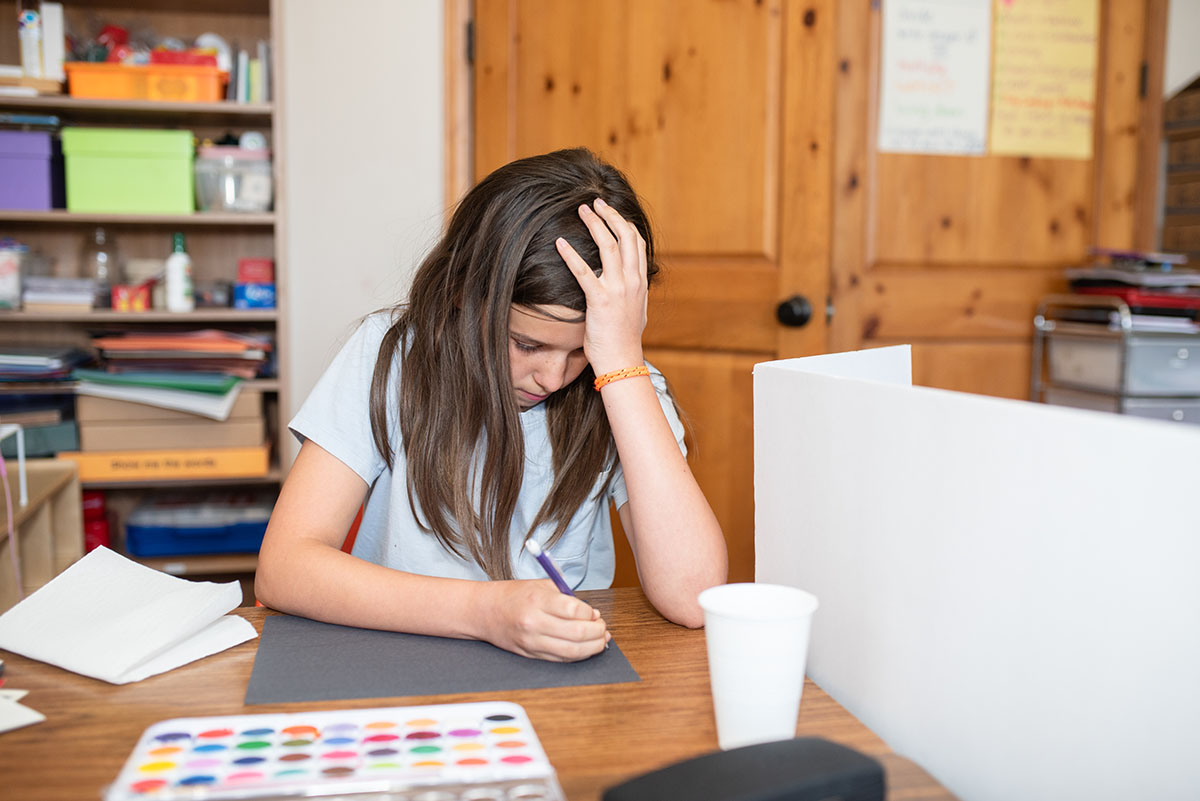
The reasons children dislike school shift significantly depending on their developmental stage.
| Age Group | Most Common Reasons for Hating School |
|---|---|
| Ages 4–6 (Kindergarten) | Separation anxiety, overwhelming new environment |
| Ages 7–9 (Early Elementary) | Homework frustration, difficulty with reading or math |
| Ages 10–12 (Late Elementary) | Peer pressure, social exclusion, academic competition |
| Ages 13–15 (Middle School) | Bullying peaks, identity struggles, early start times |
| Ages 16–18 (High School) | College pressure, burnout, relevance of curriculum |
Understanding where your child is developmentally helps you ask the right questions and offer the right support.
Warning Signs Your Child’s School Hatred Is Serious
Not every complaint about school requires immediate intervention. But certain patterns are red flags.
Watch for consistent physical complaints like stomachaches and headaches on school days that disappear on weekends. This is a classic anxiety signal that should be investigated.
Take note if your child’s grades drop suddenly, they lose interest in friends, or they stop talking about school entirely. Social withdrawal combined with school refusal often points to bullying, depression, or an unaddressed learning challenge.
Frequent meltdowns at drop-off, persistent requests to stay home, and a complete inability to name anything positive about school are all signals that require a deeper conversation and possibly professional support.
Practical Solutions Summary for Parents and Teachers
The best interventions combine listening, action, and consistency. No single solution works for every child.
| Problem | Parent Solution | Teacher Solution |
|---|---|---|
| Academic pressure | Celebrate effort over grades | Reduce test frequency, allow retakes |
| Bullying | Involve school admin immediately | Create clear anti-bullying policies |
| Boredom | Connect learning to child’s interests | Use project-based and hands-on methods |
| Learning disability | Request full evaluation | Provide accommodations and modified pacing |
| Poor teacher relationship | Open communication early | Build warm, consistent rapport |
| Homework overload | Set time limits and prioritize sleep | Assign purposeful, minimal homework |
| Rigid schedule | Advocate for flexible learning spaces | Offer student choice in assignments |
| Sleep issues | Set firm bedtime routines | Advocate for later school start times |
| Separation anxiety | Practice short separations | Create consistent, welcoming morning routines |
| Feeling unsafe | Document and escalate concerns | Foster inclusive, respectful classroom norms |
How Schools Are Responding in 2026
Schools in 2026 are increasingly aware of the mental health and engagement crisis. Many districts are adopting later start times, reducing standardized testing pressure, and investing in social-emotional learning (SEL) programs.
The rise of microschools, online learning platforms, and hybrid education models reflects a growing recognition that traditional schooling does not work for every child. Families now have more alternatives than ever before.
Research from education journals continues to confirm that strong teacher-student relationships, meaningful curriculum, and student autonomy are the three most powerful levers for improving how children feel about school.
The Role of Parents in Turning Things Around
Parents are the most important factor in a child’s school experience outside the classroom. Children whose parents are actively involved, communicate regularly with teachers, and create a calm and supportive home learning environment consistently perform better and feel more positive about school.
Open, non-judgmental communication is the foundation. When children feel they can tell you anything without being lectured or dismissed, they are far more likely to surface problems early — before they escalate.
Regular after-school check-ins help, but go deeper than “how was your day?” Ask specific questions: “What was one thing that made you laugh today?” or “Was there anything frustrating that happened?” These questions invite real answers.
Frequently Asked Questions (FAQs)
Why do kids hate school so much?
Kids hate school for many reasons including academic pressure, bullying, boredom, learning difficulties, and poor sleep. The core issue is usually that school feels irrelevant, unsafe, or too demanding for their individual needs.
Is it normal for a child to say they hate school every day?
Occasional complaints are normal, but daily hatred signals a deeper issue worth investigating. It could be social problems, academic struggles, anxiety, or a mismatch between the child’s learning style and the school’s teaching approach.
What age do kids start hating school the most?
School refusal and negative attitudes peak most commonly between ages 10 and 13, according to NIH research. This is a period of intense social pressure, identity development, and academic difficulty that can overwhelm many children.
How do I help my child who hates going to school?
Start by listening without judgment and identifying the specific cause. Then work with teachers, adjust routines at home, and seek professional support if anxiety, bullying, or a learning disability is involved.
Can a child hate school because of a learning disability?
Yes. Undiagnosed learning disabilities like dyslexia, ADHD, and dyscalculia are major causes of school avoidance. Getting a proper evaluation and securing accommodations can completely change a child’s experience of school.
What is the difference between hating school and school refusal?
Hating school is a general negative attitude toward the school environment. School refusal is a clinical pattern where a child cannot attend school due to severe anxiety, panic, or emotional distress, often requiring professional intervention.
Does homework cause kids to hate school?
Excessive homework is a confirmed contributor to school disengagement. Research shows homework provides minimal learning benefit at the elementary level, yet many schools continue to assign large amounts that create stress and resentment.
How does bullying make kids hate school?
Bullying makes school feel physically and emotionally unsafe. Children who are bullied often develop anxiety and depression, and they associate the school building itself with fear and humiliation, triggering avoidance behaviors.
Can poor teacher relationships make kids hate school?
Absolutely. The teacher-student relationship is one of the strongest predictors of how a child feels about school. A cold or dismissive teacher can create lasting negative associations with a subject, grade level, or school overall.
What are the signs a child seriously hates school?
Warning signs include daily stomachaches or headaches on school mornings, consistent crying at drop-off, sudden grade drops, social withdrawal, and a complete inability to name anything positive about school.
Conclusion
Why do kids hate school is a question that deserves a serious and compassionate answer in 2026. The reasons range from academic pressure and bullying to sleep deprivation, rigid schedules, and undiagnosed learning disabilities. No two children are the same, and no single solution fits every situation.
What matters most is that parents listen carefully, act early, and stay in close communication with both their child and their school.
Teachers who build warm relationships, connect content to real life, and offer students meaningful choices create classrooms where children want to show up.
The goal is not to make school easy — it is to make it worth attending. With the right support at home and at school, most children can develop a healthier and more positive relationship with learning that serves them for life.
