

Why is my dog coughing is one of the most common questions pet owners ask — and for good reason.
A dog’s cough can mean anything from a simple tickle in the throat to a life-threatening heart condition. Knowing the difference can save your dog’s life.
Is Dog Coughing Normal?
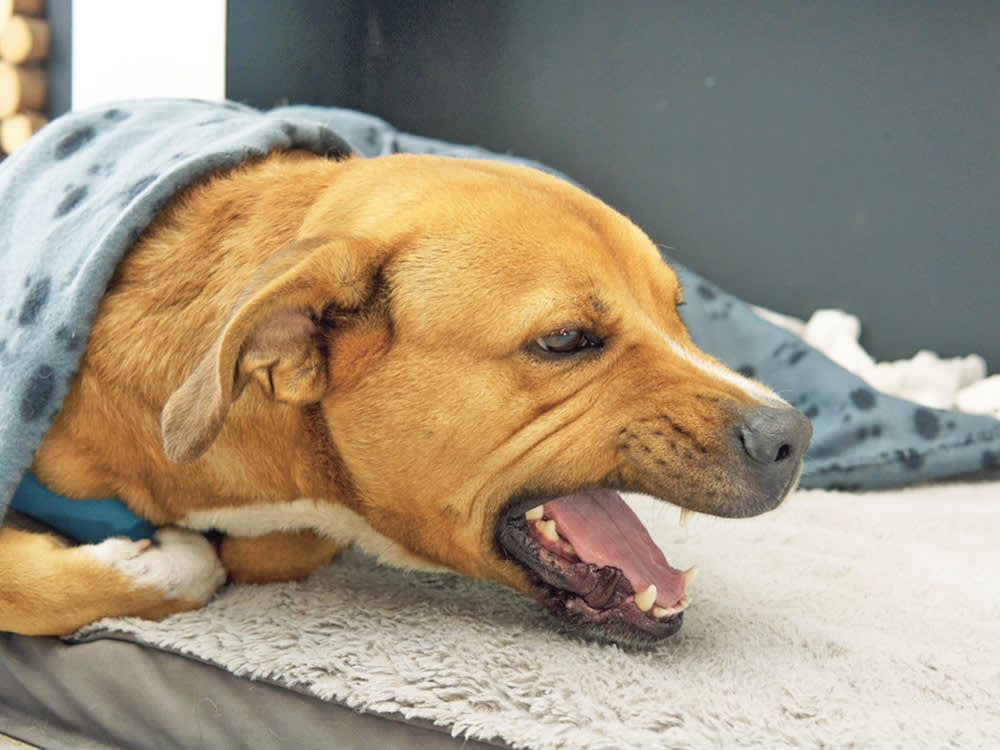
All dogs cough occasionally, just like humans do. A single cough after drinking water fast or sniffing something is completely normal.
The problem starts when coughing becomes frequent, persistent, or is paired with other symptoms like lethargy, loss of appetite, or difficulty breathing. That’s when you need to pay close attention.
A good rule of thumb: if your dog is coughing more than a few times a day, or if the cough has lasted more than 48 hours, it’s time to contact your vet.
What Does My Dog’s Cough Sound Like? (And What It Means)
The sound of your dog’s cough is one of the most important clues for diagnosing the cause. Here’s a breakdown of the most common cough types.
| Cough Sound | Most Likely Cause |
|---|---|
| Honking / Goose-like | Tracheal collapse, kennel cough |
| Dry, hacking | Kennel cough, chronic bronchitis, allergies |
| Wet / phlegmy | Pneumonia, fluid in lungs |
| Gagging / retching | Foreign object, esophagitis, acid reflux |
| Coughing at night | Heart disease, congestive heart failure |
| High-pitched / wheezing | Tracheal collapse, asthma, allergies |
| Coughing after exercise | Heart disease, heartworm, obesity |
| Sudden, violent coughing | Foreign body lodged in airway |
Paying attention to when the cough happens, how it sounds, and what your dog was doing beforehand gives your vet crucial information for a fast and accurate diagnosis.
12 Main Causes of Dog Coughing
Here are the most common reasons your dog may be coughing in 2026, from the mildest to the most serious.
1. Kennel Cough (Canine Infectious Tracheobronchitis)
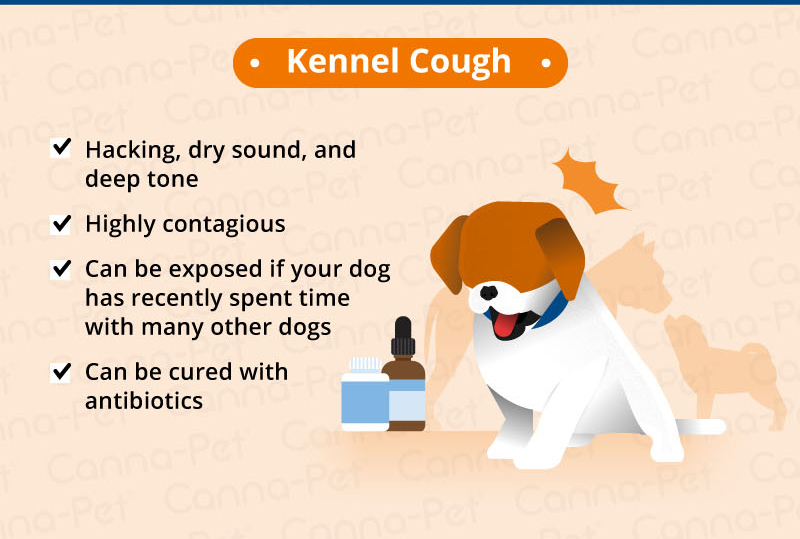
Kennel cough is by far the most common infectious cause of coughing in dogs. It is caused by a combination of bacteria — most often Bordetella bronchiseptica — and viruses including canine parainfluenza and canine adenovirus.
The classic sign is a persistent, forceful, honking cough that sounds like a goose. It spreads easily between dogs in kennels, dog parks, and grooming salons. Most dogs recover within 1 to 3 weeks, though senior dogs or those with weak immune systems can take up to 6 weeks.
A Bordetella vaccine is widely available and recommended for dogs that are frequently around other dogs.
2. Tracheal Collapse
Tracheal collapse happens when the cartilage rings supporting the windpipe weaken and flatten, partially blocking airflow. The result is a classic dry, honking cough that gets worse with excitement, exercise, or hot weather.
This condition is most common in small and toy breeds — Yorkshire Terriers, Pomeranians, Chihuahuas, and Toy Poodles are at highest risk. Overweight and obese dogs are also more prone to it.
Treatment includes weight management, cough suppressants, anti-inflammatory medications, and in severe cases, surgery to stabilize the trachea.
3. Heart Disease
Heart disease is one of the most serious causes of dog coughing. When a dog’s heart cannot pump blood effectively, fluid builds up in and around the lungs — a condition called pulmonary edema — which triggers a persistent cough.
Dogs with heart disease tend to cough more at night or when lying down. Other signs include reduced exercise tolerance, rapid breathing, and a swollen abdomen. Senior dogs and certain breeds like Cavalier King Charles Spaniels are at higher genetic risk.
Early diagnosis through chest X-rays and echocardiography can significantly extend your dog’s quality of life.
4. Pneumonia
Pneumonia is a serious infection of the lungs that causes a wet, phlegmy, productive cough. It can be caused by bacteria, viruses, fungi, parasites, or even accidentally inhaling food or liquid (aspiration pneumonia).
Young puppies, senior dogs, and immunocompromised dogs are most vulnerable. Signs alongside coughing include fever, nasal discharge, lethargy, and loss of appetite.
Pneumonia requires prompt veterinary treatment, which may include antibiotics, IV fluids, oxygen therapy, and in severe cases, hospitalization.
5. Heartworm Disease
Heartworm is a potentially deadly parasitic disease spread by mosquitoes. The larvae enter the bloodstream and eventually settle in the heart and lungs, causing lasting damage.
A mild cough is one of the earliest signs of heartworm infection. As it progresses, the cough becomes persistent, and the dog may struggle with exercise or tire easily. If untreated, heartworm causes severe heart and lung damage and can be fatal.
Prevention is far better than cure — monthly heartworm preventatives are safe, affordable, and highly effective.
6. Chronic Bronchitis
Chronic bronchitis in dogs is similar to COPD in humans. It involves persistent inflammation of the bronchial tubes, causing a dry, hacking cough that worsens with exercise and excitement.
It is a progressive, irreversible condition, but its symptoms can be managed. Inhaled corticosteroids are the preferred long-term treatment because they target the lungs directly without the side effects of oral steroids.
Exposure to cigarette smoke, dust, and other airborne pollutants is a major contributing factor.
7. Allergies
Dogs can develop allergies to airborne irritants including pollen, dust mites, mold spores, and cigarette smoke. These allergies trigger an immune response that can include coughing, sneezing, watery eyes, a runny nose, and itchy skin.
Allergic coughs tend to be seasonal or tied to specific environments. They are usually dry and recurrent rather than constant.
Your vet may recommend antihistamines, allergy testing, immunotherapy, or environmental modifications to manage symptoms.
8. Foreign Body in the Airway
Dogs are notorious for sniffing and chewing on things they shouldn’t. A piece of stick, bone fragment, or toy part can become lodged in the throat or airway, triggering sudden, violent coughing.
This is a medical emergency. If your dog is coughing violently, pawing at their mouth, gagging repeatedly, or showing signs of distress, get to an emergency vet immediately.
Do not attempt to reach deep into your dog’s throat unless you can clearly see the object — you may push it further in.
9. Canine Influenza (Dog Flu)
Canine influenza is a contagious respiratory infection that can look a lot like kennel cough. Two strains — H3N8 and H3N2 — circulate in dog populations across the US and other countries.
Symptoms include coughing, nasal discharge, fever, lethargy, and reduced appetite. Most dogs recover within 2 to 3 weeks with supportive care, but secondary bacterial infections (like pneumonia) can develop in some cases.
A canine influenza vaccine is available and recommended for dogs in high-exposure environments.
10. Acid Reflux / Esophagitis
Acid reflux in dogs — similar to GERD in humans — causes stomach acid to travel up the esophagus, irritating its lining. This irritation often triggers a gagging or retching cough, especially after eating.
Other signs include swallowing difficulty, regurgitation, and excessive drooling. The condition is managed with dietary changes, feeding smaller meals, and acid-suppressing medications prescribed by your vet.
This cause is often overlooked because the cough sounds more like gagging than a typical bark-like cough.
11. Lungworm
Lungworm is a parasitic infection caused by worms that infect the lungs rather than the heart. Dogs can pick it up by eating infected slugs, snails, or frogs, or by coming into contact with slime on grass or outdoor toys.
Signs include coughing, difficulty breathing, lethargy, and in severe cases, bleeding disorders. Regular parasite prevention treatments can protect against lungworm. If you suspect your dog has lungworm, a vet diagnosis and specific antiparasitic treatment are essential.
12. Lung Cancer or Tumors
Lung cancer is relatively rare in dogs but becomes more common in senior dogs over 10 years old. Tumors in the lungs, trachea, or surrounding tissues interfere with normal breathing and cause a persistent cough.
Cancer can also spread to the lungs from other parts of the body. By the time coughing begins, the cancer has often already progressed. Treatment may include surgery, chemotherapy, radiation, or palliative care depending on the stage and spread.
Any persistent cough in a senior dog should be evaluated promptly with chest X-rays.
Causes at a Glance: Quick Reference Table
| Cause | Cough Type | Contagious | Urgency Level |
|---|---|---|---|
| Kennel Cough | Dry, honking | Yes | Moderate |
| Tracheal Collapse | Honking, dry | No | Moderate |
| Heart Disease | Wet, nighttime | No | High |
| Pneumonia | Wet, phlegmy | Sometimes | High |
| Heartworm | Mild, progressive | No | High |
| Chronic Bronchitis | Dry, hacking | No | Moderate |
| Allergies | Dry, seasonal | No | Low |
| Foreign Body | Sudden, violent | No | Emergency |
| Canine Influenza | Wet or dry | Yes | Moderate |
| Acid Reflux | Gagging, after meals | No | Low–Moderate |
| Lungworm | Progressive | No | High |
| Lung Cancer | Persistent | No | High |
When Is Dog Coughing an Emergency?
This is the most critical question to answer. Certain signs mean your dog needs emergency veterinary care right now — do not wait for a regular appointment.
Go to an emergency vet immediately if your dog shows:
- Blue, grey, or white-tinged gums (sign of oxygen deprivation)
- Extreme difficulty breathing or open-mouth breathing
- Non-stop coughing that won’t slow down
- Coughing up blood
- Sudden collapse or extreme weakness alongside coughing
- Violent coughing after swallowing a foreign object
- Signs of poisoning combined with coughing
Call ahead so the emergency clinic can prepare. These signs indicate life-threatening conditions that cannot wait.
When to Call Your Regular Vet (Not Emergency)
Not every cough needs an ER visit, but these situations warrant a same-day or next-day vet appointment.
- Cough has lasted more than 48 hours without improving
- Dog is lethargic, eating less, or has a fever
- Cough started after boarding, dog park, or grooming visits
- Dog is coughing after exercise or at night consistently
- Cough sounds wet or phlegmy
- Senior dog with a new or worsening cough
- Puppy coughing with any other symptom
Your vet will use your description of the cough, a physical exam, blood tests, and chest X-rays to determine the cause and recommend a treatment plan.
Dog Coughing by Breed: Who Is Most At Risk?
Certain breeds are genetically predisposed to specific conditions that cause coughing.
| Breed Type | Most At Risk For |
|---|---|
| Yorkshire Terriers, Pomeranians, Chihuahuas | Tracheal collapse |
| Cavalier King Charles Spaniels | Heart disease |
| Bulldogs, French Bulldogs, Pugs | Brachycephalic airway syndrome |
| Large breeds (Labradors, Golden Retrievers) | Heartworm, pneumonia |
| Senior dogs (any breed) | Heart disease, cancer, chronic bronchitis |
| Young puppies | Kennel cough, pneumonia, distemper |
Knowing your breed’s vulnerabilities helps you catch problems early and schedule appropriate preventive screenings.
Dog Coughing by Age: What to Expect
Puppies (Under 1 Year)
Puppies have immature immune systems and are highly susceptible to kennel cough, canine distemper, and pneumonia. Any cough in a young puppy should be evaluated by a vet promptly, as they can deteriorate quickly.
Make sure your puppy is up to date on all core vaccines including the Bordetella and DHPP vaccines. These protect against several of the most common infectious causes of coughing.
Adult Dogs (1 to 7 Years)
Adult dogs can develop coughs from allergies, kennel cough, canine influenza, and foreign body inhalation. Heartworm is also a concern in adult dogs that aren’t on preventatives.
Most adult healthy dogs recover well from common infections with proper treatment. Annual heartworm testing and regular vet checkups go a long way in catching problems early.
Senior Dogs (8+ Years)
Senior dogs are at the highest risk for serious causes of coughing including heart disease, chronic bronchitis, tracheal collapse, and lung cancer. A new or worsening cough in an older dog should never be dismissed as “just getting old.”
Early diagnosis in senior dogs can dramatically improve outcomes and quality of life. Biannual vet checkups are strongly recommended for dogs over 8 years old.
How Do Vets Diagnose the Cause of Dog Coughing?

Your vet will use several tools to figure out exactly why is your dog coughing. Here’s what a typical diagnostic workup includes.
Medical History Review — Your vet will ask when the cough started, what it sounds like, when it happens, and what other symptoms are present. Mention any recent boarding, travel, or exposure to other dogs.
Physical Examination — The vet will listen to your dog’s heart and lungs with a stethoscope, feel for lymph node swelling, and assess overall health and body condition.
Chest X-rays (Radiographs) — Essential for diagnosing pneumonia, heart enlargement, fluid in the lungs, tracheal abnormalities, and lung tumors.
Blood Tests — A complete blood count (CBC) and chemistry panel can reveal infection, anemia, organ dysfunction, and inflammation markers.
Heartworm Antigen Test — A simple blood test that detects heartworm proteins. Highly accurate and widely recommended as part of annual wellness care.
Throat Swab / Tracheal Wash — Used to identify the specific bacteria or virus causing a respiratory infection.
Echocardiogram — An ultrasound of the heart used to assess valve function and detect congestive heart failure.
Treatment Options for Dog Coughing
Treatment depends entirely on the cause. Here’s a summary of what each condition typically requires.
| Cause | Common Treatment |
|---|---|
| Kennel Cough | Rest, antibiotics (if bacterial), cough suppressants |
| Tracheal Collapse | Weight loss, cough suppressants, surgery in severe cases |
| Heart Disease | Diuretics, ACE inhibitors, pimobendan, restricted sodium diet |
| Pneumonia | Antibiotics, IV fluids, oxygen therapy, nebulization |
| Heartworm | Melarsomine injections, strict rest, prevention |
| Chronic Bronchitis | Inhaled corticosteroids, bronchodilators, avoid irritants |
| Allergies | Antihistamines, immunotherapy, remove triggers |
| Foreign Body | Emergency endoscopy or surgery |
| Acid Reflux | Dietary changes, antacids, smaller meals |
| Lung Cancer | Surgery, chemotherapy, radiation, palliative care |
Never try to treat your dog’s cough with human cough medicines. Products like Robitussin, NyQuil, and cough drops can be toxic to dogs. Always follow your vet’s specific recommendations.
Safe Home Remedies for Mild Dog Coughing
If your vet has already confirmed the cough is mild and non-emergency, a few home care steps can help your dog feel more comfortable.
Steam Therapy — Bring your dog into a steamy bathroom for 10 to 15 minutes. The humid air helps moisten irritated airways and can loosen mucus. This works well for mild kennel cough cases.
Keep Hydrated — Make sure your dog always has access to fresh, clean water. Filtered or cool water can soothe a dry, irritated throat. Avoid ice-cold water, which may trigger coughing in sensitive dogs.
Use a Harness Instead of a Collar — A collar pressing on the trachea during walks can worsen or even cause coughing. Switch to a well-fitted harness that removes all pressure from the neck area.
Reduce Airborne Irritants — Remove cigarette smoke, strong cleaning chemicals, scented candles, and air fresheners from your dog’s environment. These are common triggers for allergic and bronchitic coughs.
Rest and Quiet — Keep your dog calm and restrict exercise during recovery. Excitement and physical exertion make coughing significantly worse for almost every condition.
Warm, Draft-Free Rest Area — Provide a comfortable, warm sleeping spot away from cold drafts. A rested, warm dog recovers faster than one left in a cold or stressful environment.
Do not give your dog: Cough drops (can contain xylitol, which is toxic), over-the-counter human cold medicines, honey in large amounts, or any medication not prescribed by your vet.
How to Prevent Dog Coughing
Prevention is always better than treatment. These steps significantly reduce your dog’s risk of developing a cough from an infectious or preventable cause.
Vaccinate Regularly — Core vaccines protect against distemper and canine adenovirus. The Bordetella vaccine protects against kennel cough. The canine influenza vaccine is recommended for dogs frequently in contact with other dogs.
Use Monthly Heartworm Prevention — Year-round heartworm preventatives are safe, affordable, and protect against one of the most dangerous causes of dog coughing.
Deworm Regularly — Regular parasite control protects against lungworm and other parasitic infections. Ask your vet which product is right for your dog’s lifestyle and location.
Maintain a Healthy Weight — Obese dogs are significantly more prone to tracheal collapse and exercise-induced coughing. A healthy weight protects airway function and overall respiratory health.
Limit Dog Park and Boarding Exposure During Outbreaks — When kennel cough or canine influenza outbreaks occur in your area, temporarily avoid places where dogs congregate.
Annual Vet Checkups — Annual wellness exams with heartworm testing catch problems early, before they become serious. Biannual exams are recommended for dogs over 7 years old.
Dog Coughing vs. Reverse Sneezing: What’s the Difference?
Many dog owners confuse coughing with reverse sneezing, especially in small and flat-faced breeds.
Coughing pushes air OUT rapidly and often sounds like a bark, hack, or honk. It is a reflex to clear the airways of irritants, mucus, or foreign material.
Reverse sneezing pulls air IN rapidly and produces a snorting or honking sound. It is triggered by irritants like post-nasal drip, tight collars, or sudden temperature changes. It looks dramatic but is almost always harmless.
Reverse sneezing episodes typically last a few seconds to a minute and resolve on their own. Gently stroking your dog’s throat or briefly covering their nostrils can help end the episode faster.
If you are unsure whether your dog is coughing or reverse sneezing, record a short video on your phone to share with your vet. Visual confirmation makes diagnosis far easier.
What to Tell Your Vet When Your Dog Is Coughing

Going to your vet prepared makes the appointment faster and the diagnosis more accurate. Here’s what to have ready.
- When exactly the coughing started
- How often the cough happens (times per day or per hour)
- What the cough sounds like (dry, wet, honking, gagging)
- When it tends to happen (morning, night, after exercise, after eating)
- Any recent exposure to other dogs (boarding, dog parks, grooming)
- Any other symptoms present (lethargy, discharge, reduced appetite)
- Your dog’s current medications and vaccination history
- A short video of the cough if possible
This information helps your vet narrow down the likely cause before even running any tests.
Frequently Asked Questions (FAQs)
Why is my dog coughing but acting normal?
A dog coughing but otherwise acting normal is often a sign of mild kennel cough, allergies, or a minor throat irritation. Monitor for 48 hours — if it doesn’t improve or worsens, call your vet.
Why is my dog coughing at night?
Nighttime coughing, especially when lying down, is a classic sign of heart disease or congestive heart failure. Fluid accumulates in the lungs more easily when the dog is horizontal, triggering the cough.
Why is my dog coughing and gagging?
Coughing combined with gagging often points to a foreign body stuck in the throat, acid reflux, or the final stage of a kennel cough episode. If gagging is violent or sudden, treat it as an emergency.
Can dogs get kennel cough even if vaccinated?
Yes. The Bordetella vaccine significantly reduces the risk and severity of kennel cough but does not guarantee full immunity since multiple pathogens can cause it. Vaccinated dogs usually have milder and shorter illness.
How long does kennel cough last?
Most dogs recover from kennel cough within 1 to 3 weeks. Senior dogs or those with weakened immune systems may take up to 6 weeks to fully recover.
Should I worry if my puppy is coughing?
Yes, always. Puppies have underdeveloped immune systems and can deteriorate quickly. Any cough in a puppy under 6 months old warrants a prompt vet visit, especially if accompanied by lethargy or discharge.
Can dog coughing be caused by allergies?
Yes. Dogs allergic to pollen, dust, mold, or smoke can develop a dry, recurrent cough. Seasonal patterns and other allergy signs like itching and watery eyes help distinguish this from infectious causes.
What can I give my dog for coughing at home?
Steam therapy, hydration, rest, and switching to a harness are the safest home measures for mild coughs. Never give human cough medicine — many contain ingredients like xylitol or acetaminophen that are toxic to dogs.
Is dog coughing contagious to humans?
No. Kennel cough, canine influenza, and most dog respiratory infections do not transfer to humans. They are species-specific. However, some rare bacterial infections can be zoonotic, so always wash hands after handling a sick dog.
When should I take my dog to the emergency vet for coughing?
Take your dog to an emergency vet immediately if they have blue or white gums, cannot stop coughing, are coughing up blood, collapse, or show extreme breathing difficulty. These are life-threatening emergencies.
Conclusion
Understanding why is my dog coughing is the first step toward getting your pet the help they need.
Dog coughs range from the completely harmless — a tickle from a blade of grass — to the life-threatening, like congestive heart failure or heartworm disease.
The key is knowing the warning signs that demand urgent care versus the mild situations where rest and monitoring are enough.
Never give your dog human cough medicine, and never ignore a cough that has lasted more than 48 hours, sounds wet, or comes with symptoms like lethargy or breathing difficulty.
Always call your vet when in doubt — early diagnosis saves lives and saves money. Keep your dog vaccinated, on monthly preventatives, and at a healthy weight, and you’ll drastically cut their risk of developing a serious cough in the first place.
