

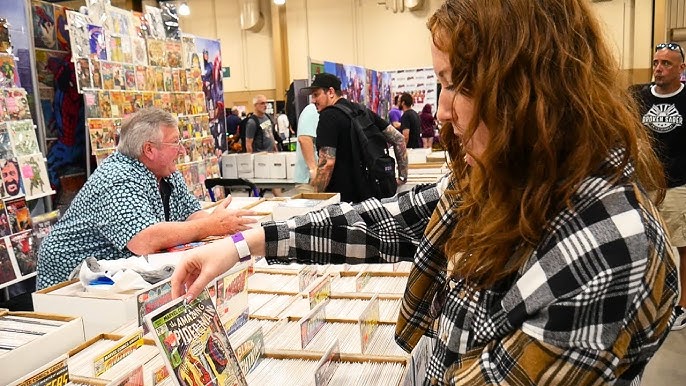
Comic buying centers provide a structured and straightforward way for collectors and casual owners to sell items they no longer want to keep. Many people inherit collections, rediscover boxes of comics from childhood, or decide to downsize after years of collecting. While selling individually online is possible, it often requires time, pricing knowledge, and ongoing communication with buyers. A dedicated buying center simplifies this process by offering professional evaluation and direct purchasing.
These businesses focus on efficiency and transparency. Instead of listing items one by one, sellers can bring entire collections for review. Experienced buyers assess condition, rarity, and demand, helping sellers understand what they actually have. This is especially helpful because comic values vary widely depending on print runs, key issues, and preservation quality. What looks ordinary may sometimes hold significant collector value, while other items may be more common but still desirable in bulk.
Another benefit is convenience. Sellers avoid shipping logistics, auction fees, and negotiation with multiple buyers. Many people begin their research through resources like https://www.comicbuyingcenter.com/ to learn how professional purchasing works and what to expect before visiting. Businesses such as Comic Buying Center help bridge the gap between collectors and the resale market by providing a reliable, organized selling experience.
What Types of Items Buyers Usually Accept
Comic buying centers typically accept a wide range of collectibles, not just comic books themselves. While superhero comics from major publishers remain the most common items, buyers often evaluate graphic novels, vintage comic magazines, and limited series as well. Collections from different eras — including Golden Age, Silver Age, Bronze Age, and modern comics — may all have value depending on condition and demand.
Beyond comics, many buyers also accept related collectibles. These can include trading cards, action figures, vintage toys, posters, and pop culture memorabilia connected to comics or entertainment franchises. Key issues featuring first appearances of major characters are often especially sought after, but complete runs or large mixed collections may also attract interest because of resale potential.
Condition plays a major role in acceptance. Comics stored in protective sleeves or boxes typically retain more value than items exposed to moisture or heavy wear. However, buyers still review lower-condition collections because certain issues remain collectible even when imperfect. Sellers are often surprised to learn that age alone does not determine value; rarity and demand matter just as much.
By accepting a broad variety of items, buying centers make it easier for people to sell entire collections at once instead of separating pieces across multiple platforms or markets.
How Offers and Appraisals Are Typically Done
The appraisal process usually begins with a visual inspection of the collection. Buyers examine factors such as publication date, issue number, condition, completeness, and market demand. Key indicators include cover condition, page quality, spine wear, and whether the comic has been professionally graded. Even small details can influence value significantly.
Buyers often rely on market data, auction trends, and collector demand to determine pricing. Values are not based solely on printed price guides but on what similar items are currently selling for. This helps ensure offers reflect real market conditions rather than outdated estimates. Larger collections may be evaluated in sections, with standout issues reviewed individually and common items assessed in groups.
After evaluation, the buyer typically explains how the offer was calculated. Transparency is important because it helps sellers understand why certain items carry more value than others. Some sellers choose to accept immediately, while others take time to consider or compare options. A reputable buying center respects this decision-making process without pressure.
Offers usually account for resale costs, restoration risks, and market demand, which is why professional buyers may offer less than direct retail prices but provide speed and certainty in return. For many sellers, this balance between convenience and fair market value makes the appraisal process worthwhile and stress-free.
