

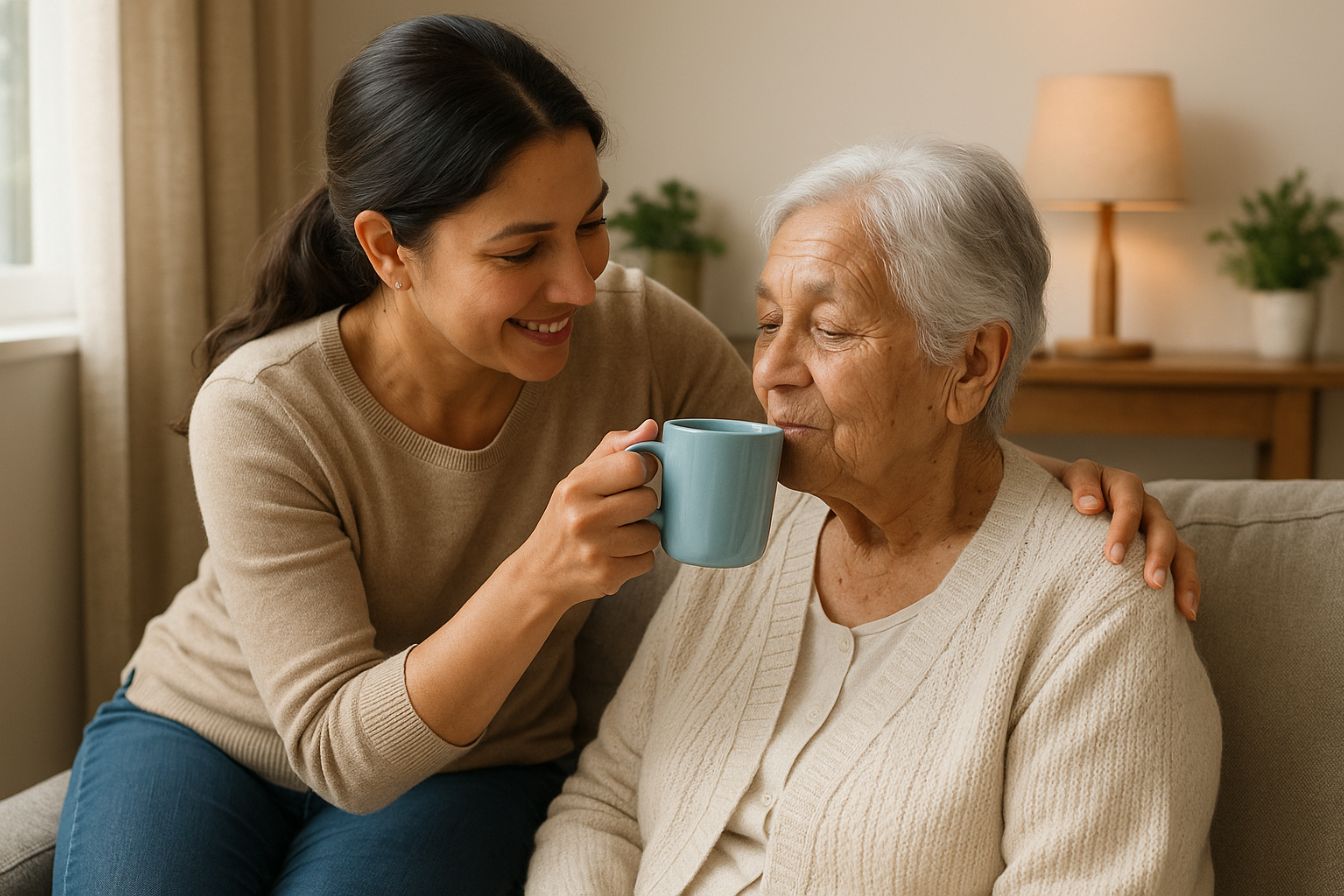
The Rise of Personalized Home Care Services
Cookie-cutter care models have outlived their usefulness. Seniors today expect support that matches their lifestyle, preferences, and health nuances, not a generic checklist. Demographics don’t lie: a steadily aging population coupled with longer lifespans is fueling demand for tailored in-home services. Industry data shows higher adoption rates for providers who adapt programs to individual needs, tapping into seniors’ drive for autonomy. Personalized care not only aligns with medical requirements but also keeps individuals mentally engaged and emotionally grounded. The conversation isn’t about defining home care—it’s about elevating its impact through strategic customization that respects both dignity and personality. This shift is setting the stage for a more precise, human-centered approach.
Incorporating innovative solutions into home care can significantly enhance the quality of life for seniors, offering them the freedom to enjoy their golden years with dignity and comfort. Personalized care plans, tailored to individual needs, ensure that each client receives the attention they deserve. This approach not only fosters independence but also strengthens the bond between caregivers and those they assist. For those interested in expanding their impact in this field, exploring a Better Solution In Home Care Franchise opportunity can be a rewarding path. By joining a network dedicated to compassionate care, you can contribute to a community that values the well-being and autonomy of its senior members, making a meaningful difference in their daily lives.
Key Benefits of Custom Senior Support at Home
Tailored support changes the equation entirely. Instead of reducing life to a list of limitations, it strengthens capability.
- Enhanced autonomy: Seniors pursue hobbies, maintain routines, and stay in control of daily choices without unnecessary interference.
• Improved safety: Focused attention on risks unique to the individual leads to fewer accidents and better response times.
• Cost-effectiveness: Resources target the right priorities, cutting waste without cutting quality.
Picture an active retiree who plays the piano, gardens daily, and video-chats with grandchildren—while receiving only the specific assistance needed for mobility and health checks. Quality of life rises when support strengthens independence rather than replacing it. Every hour of care becomes an investment in living well.
Harnessing Technology in Home Care Services
Technology’s value here is practical, not flashy. Telehealth consultations save travel time and make medical input accessible from a living room chair. Remote monitoring devices track vitals continuously, prompting timely interventions before problems escalate. A wearable health tracker can alert caregivers within seconds of abnormal readings. Video check-ins maintain human connection without unnecessary trips. Motion sensors in kitchens or hallways reveal patterns that help adjust care schedules to match activity levels. These tools are not gadgets for their own sake. They are extensions of a care strategy that closes safety gaps, reassures families, and sharpens decision-making.
Evaluating Quality in Home Care Services
Quality is not subjective sentiment—it is measurable. Four criteria stand out: caregiver training levels, the rigor of individualized care plans, transparent communication systems, and adherence to regulatory standards. Ratings from oversight bodies and recognized certifications give weight to claims. Testimonials add context, showing lived experience behind the numbers. For example, the service offered by We Care Home Care exemplifies how detailed care planning and consistent quality checks can enhance client satisfaction. Choose providers by comparing verifiable indicators, not by relying on feel-good marketing lines or one impressive meeting.
Emotional and Social Engagement in Home Care
Ignore social needs and you’ll compromise health. Structured outings, hobby-based visits, and volunteer roles create purpose. Unchecked isolation drives up hospital readmissions; studies confirm that seniors with regular social interaction see significantly fewer emergency stays. Engagement is not an optional add-on—it is a health intervention. Organizing weekly painting sessions for an art enthusiast or pairing a retired teacher with tutoring opportunities sharpen cognitive function and keep morale high. Real relationships and consistent stimulation protect more than mood-they sustain resilience.
Collaboration Between Family and Professional Caregivers
When everyone plays their role well, care is seamless. Joint care plans map responsibility clearly. Digital logs keep each side informed without endless phone calls. Regular check-in meetings—brief but focused—maintain alignment. A checklist of best practices includes agreed communication intervals, preferred channels, and clear documentation standards. These strategies prevent burnout, cut duplication, and remove ambiguity. Professional caregivers and family members need clarity and trust. Shared frameworks make that non-negotiable.
Charting the Future of At-Home Care Practices
AI-driven scheduling will cut inefficiency. Community-based networks will weave support into neighborhoods. Personalized medicine will intertwine with daily routines, adjusting therapies to real-time health data. The net effect is more freedom, fewer crises, and stronger connections between seniors and their care teams. Providers who embrace innovation without losing the human touch will set the standard. Home care is shifting from a reactive service to a proactive force in healthy aging—a transformation driven by deliberate design, not feel-good slogans.
