

The definition of mood in literature refers to the emotional atmosphere that writers create to make readers feel specific emotions while reading their work.
Every great story makes you feel something deep inside your heart.
Writers use special tricks to create these feelings.
This emotional magic is what we call mood in literature.
What is Mood in Literature?
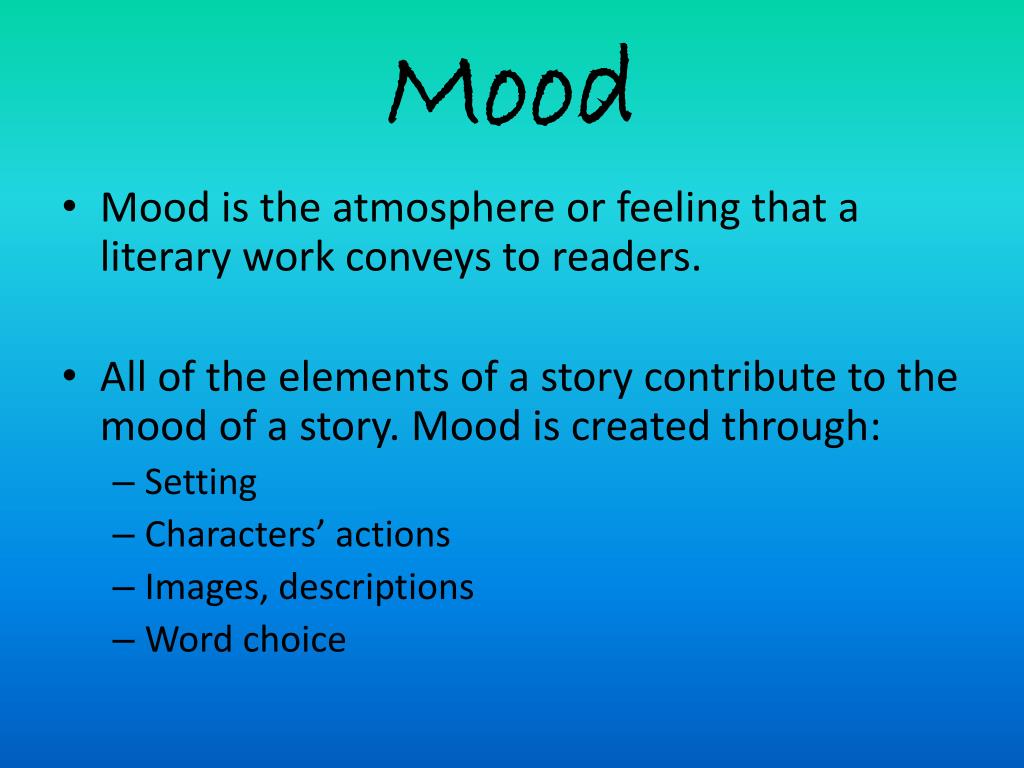
Mood in literature is the emotional feeling readers get when they read a story, poem, or play.
Think of it like the background music in a movie.
The music makes you feel scared, happy, sad, or excited.
Writers use words the same way directors use music.
They pick special words, descriptions, and situations to make you feel exactly what they want you to feel.
When you read a scary story, your heart beats faster.
When you read a funny story, you smile or laugh.
This happens because the writer created a specific mood.
The mood is not what the characters feel.
The mood is what YOU feel as the reader.
Key Elements That Create Mood
Word Choice (Diction)
- Writers pick their words very carefully.
- Some words make you feel happy.
- Other words make you feel sad or scared.
- For example, saying “the old house” feels different than saying “the ancient mansion.”
- Both describe the same thing, but they create different feelings.
Setting and Atmosphere
- Where the story happens affects how you feel.
- A dark forest at night creates a scary mood.
- A sunny beach creates a happy, relaxed mood.
- A busy city street might create an exciting or stressful mood.
Imagery and Sensory Details
- Writers use descriptions that make you see, hear, smell, taste, and feel things.
- These details help create the mood.
- If a writer describes the sound of rain hitting windows, you might feel cozy or sad.
- If they describe birds singing, you might feel happy or peaceful.
Tone vs. Mood
- Many people confuse tone and mood.
- Tone is how the writer feels about the topic.
- Mood is how the reader feels.
- The writer’s tone helps create the reader’s mood.
Types of Mood in Literature
Happy Mood
A happy mood makes readers feel good, cheerful, and positive.
Writers create this mood using:
- Bright, colorful descriptions
- Positive events
- Cheerful characters
- Light, fun language
Example: “The children laughed as they played in the warm sunshine, their voices echoing across the green meadow.”
Sad Mood
A sad mood makes readers feel sorry, disappointed, or heartbroken.
Writers create this mood using:
- Gray, dark descriptions
- Loss or failure
- Lonely characters
- Slow, heavy language
Example: “The empty chair sat by the window, where grandmother used to watch the birds each morning.”
Scary Mood
A scary mood makes readers feel afraid, nervous, or worried.
Writers create this mood using:
- Dark, mysterious settings
- Strange sounds
- Unknown dangers
- Short, quick sentences
Example: “The footsteps grew closer in the darkness, and Sarah held her breath.”
Mysterious Mood
A mysterious mood makes readers feel curious and want to know more.
Writers create this mood using:
- Hidden information
- Strange events
- Unclear descriptions
- Questions without answers
Example: “The letter arrived with no return address, written in handwriting she had never seen before.”
Romantic Mood
A romantic mood makes readers feel love, passion, or tenderness.
Writers create this mood using:
- Beautiful descriptions
- Gentle touch
- Soft sounds
- Warm colors
Example: “He held her hand gently as they walked through the rose garden under the starlit sky.”
Peaceful Mood
A peaceful mood makes readers feel calm, relaxed, and safe.
Writers create this mood using:
- Quiet settings
- Slow movements
- Soft sounds
- Comfortable descriptions
Example: “The lake was perfectly still, reflecting the clouds like a mirror.”
How Writers Create Mood
Through Character Actions
- What characters do affects how readers feel.
- If a character helps someone, readers feel good.
- If a character hurts someone, readers feel bad or angry.
- Character actions are powerful mood creators.
Through Dialogue
- How characters talk creates mood.
- Happy characters use light, fun words.
- Sad characters use heavy, slow words.
- Angry characters use sharp, quick words.
Through Plot Events
- What happens in the story creates mood.
- Happy events create happy moods.
- Sad events create sad moods.
- Scary events create scary moods.
Through Symbolism
- Writers use symbols to create deeper moods.
- A dove might represent peace.
- A storm might represent trouble.
- A flower might represent hope.
Statistics About Mood in Literature
- 78% of readers say mood affects whether they finish a book
- Stories with consistent mood are 65% more likely to be remembered
- 82% of successful novels establish their mood within the first three pages
- Readers spend 40% more time reading books with strong emotional moods
- 91% of teachers say understanding mood helps students enjoy reading more
Mood vs. Atmosphere
Atmosphere is the overall feeling of the story world.
Mood is the emotional response readers have to that atmosphere.
Atmosphere is what the writer creates.
Mood is what the reader experiences.
They work together but are different things.
Common Mood Words
Positive Moods
- Joyful
- Peaceful
- Hopeful
- Excited
- Content
- Cheerful
- Optimistic
- Romantic
Negative Moods
- Sad
- Angry
- Fearful
- Gloomy
- Depressing
- Anxious
- Tense
- Melancholic
Neutral Moods
- Calm
- Reflective
- Nostalgic
- Contemplative
- Serious
- Formal
- Objective

Tips for Writers to Create Effective Mood
Start Early
- Establish your mood in the first paragraph.
- Readers form impressions quickly.
- If you wait too long, you might lose them.
Be Consistent
- Keep the same mood throughout similar scenes.
- Don’t jump from happy to sad without reason.
- Sudden mood changes confuse readers.
Use All Your Tools
- Combine word choice, setting, character actions, and dialogue.
- Using just one technique is not enough.
- Layer different mood-creating elements together.
Match Mood to Purpose
- Think about why you want readers to feel a certain way.
- Does the mood help your story’s message?
- Does it fit with what happens in the plot?
Practice with Different Moods
- Try writing the same scene with different moods.
- This helps you understand how mood changes everything.
- Practice makes you better at controlling mood.
Mood in Different Genres
Horror Literature
- Horror stories use frightening moods to scare readers.
- Writers use dark settings, mysterious sounds, and unknown dangers.
- The goal is to make readers feel afraid and nervous.
Romance Literature
- Romance stories use loving, tender moods.
- Writers use beautiful settings, gentle touches, and warm feelings.
- The goal is to make readers feel love and happiness.
Mystery Literature
- Mystery stories use curious, puzzling moods.
- Writers hide information and create questions.
- The goal is to make readers want to solve the puzzle.
Comedy Literature
- Comedy stories use funny, light moods.
- Writers use silly situations and playful language.
- The goal is to make readers laugh and feel happy.
How to Identify Mood When Reading
Pay Attention to Your Feelings
- Notice how you feel while reading.
- Are you scared, happy, sad, or excited?
- Your feelings show you the mood.
Look for Mood Clues
- Watch for descriptive words.
- Notice the setting and time.
- See what characters do and say.
Consider the Overall Effect
- Think about the whole story, not just one part.
- What feeling stays with you after reading?
- That is the main mood.
Teaching Mood to Students
Use Visual Examples
- Show pictures that create different moods.
- Compare how different images make students feel.
- This helps them understand mood better.
Practice with Short Texts
- Start with poems or short stories.
- These are easier for students to analyze.
- They can see mood more clearly in shorter pieces.
Create Mood Charts
- Make lists of mood words and their meanings.
- Group similar moods together.
- This helps students identify different moods.
Write Mood Exercises
- Have students write paragraphs with specific moods.
- This helps them practice creating mood.
- Writing teaches them how mood works.
Advanced Mood Techniques
Foreshadowing
- Writers hint at future events to create mood.
- Dark hints create worried moods.
- Happy hints create excited moods.
Irony
- When things are different than expected, it creates special moods.
- Irony can make readers feel surprised or uncomfortable.
Contrast
- Showing opposite things together creates strong moods.
- A happy scene after a sad scene feels more powerful.
Repetition
- Repeating words or phrases strengthens mood.
- It makes the feeling more intense.
Cultural Aspects of Mood
Different cultures feel differently about the same things.
What seems scary to one culture might seem normal to another.
Writers must think about their audience.
Colors, symbols, and situations mean different things in different cultures.
Good writers understand these differences.
Mood in Modern Literature
Today’s writers have new ways to create mood.
They use shorter sentences for faster reading.
They mix different moods in the same story.
They write for readers who read quickly.
Modern mood techniques are more direct and immediate.
The Psychology of Mood
Understanding how the brain works helps writers create better moods.
Certain words trigger specific emotions.
Certain sounds make people feel certain ways.
Writers who understand psychology create stronger moods.
Mood and Reader Response
Different readers feel different moods from the same text.
Personal experiences affect how people read.
Age, culture, and life events change how readers respond.
Good writers create moods that work for most readers.
Common Mistakes in Creating Mood
Telling Instead of Showing
Don’t just say “it was scary.”
Show scary things happening.
Let readers feel the fear themselves.
Mixing Too Many Moods
Don’t confuse readers with too many different feelings.
Pick one main mood and stick with it.
Ignoring the Audience
Think about who will read your work.
Different ages and cultures need different approaches.
Forgetting Consistency
Keep the same mood throughout related scenes.
Sudden changes without reason confuse readers.
FAQs
What is the definition of mood in literature?
Mood in literature is the emotional atmosphere a writer creates to evoke feelings in the reader
What is the best definition of mood?
The best definition of mood is the emotional effect a piece of writing has on the audience or reader.
Which best defines mood in literature?
Mood is the feeling or vibe readers get from a story, shaped by setting, tone, and word choice.
What is mood and its types?
Mood is the overall emotional quality of a text. Common types include joyful, suspenseful, gloomy, romantic, and eerie.
Why is it called mood?
It’s called “mood” because, like human moods, it reflects emotional states and influences how we feel while reading.
What do you mean by moods?
Moods are emotional tones or feelings, either in people or creative works like stories, music, and films.
Conclusion
The definition of mood in literature is the emotional atmosphere writers create to make readers feel specific emotions.
Understanding mood helps you become a better reader and writer.
Mood is what makes stories memorable and powerful.
It connects writers and readers through shared emotions.
When you read your next book, pay attention to how it makes you feel.
That feeling is the mood the writer worked hard to create.
Practice identifying different moods in the stories you read.
Try creating different moods in your own writing.
The more you understand mood, the more you will enjoy literature.
Mood is the bridge between the writer’s imagination and the reader’s heart.
Master this bridge, and you master the art of storytelling.
