

Why Does My Steering Wheel Feel Loose? Turning the wheel and feeling a delay before your tires actually respond is unsettling, especially at highway speed.
That gap between your input and the car’s reaction usually points to real wear somewhere in the steering or suspension system.
Why Does My Steering Wheel Feel Loose

A loose steering wheel is almost always caused by worn components in the steering or suspension system, such as tie rods, ball joints, the steering rack, or steering column bushings. As these parts wear down, they create extra play, or “slop,” between the wheel and the tires.
Alignment problems and low power steering fluid can also mimic this feeling. A mechanic can pinpoint the exact cause with a simple inspection.
What “Loose Steering” Actually Means
Loose steering describes excess play between turning the steering wheel and the tires actually changing direction. In a healthy system, that response should feel almost immediate.
When something wears out, you have to turn the wheel further than normal before the car reacts. This delay, sometimes called steering slop, tends to worsen gradually over weeks or months.
Why Does My Steering Wheel Feel Loose? Common Causes
1. Worn Tie Rod Ends
Tie rods connect your steering rack directly to the front wheels. As they wear, they introduce play into the connection, making the wheel feel sloppy and imprecise.
Worn tie rods often come with a faint squeak or clunk when turning, especially at low speeds or in parking lots.
2. Worn Ball Joints
Ball joints let the wheels pivot while staying connected to the suspension. Once they wear out, the wheels gain unwanted movement, and you’ll often hear a banging sound over bumps.
This wear also tends to cause uneven tire wear over time, since the wheel alignment shifts slightly with the added play.
3. Steering Rack or Gearbox Issues
The steering rack converts wheel rotation into side-to-side wheel movement. A worn, leaking, or damaged rack creates a disconnected feeling, especially at lower speeds.
Some drivers notice inconsistent effort, where the wheel feels loose in one position but tighter in another, which usually points to internal rack wear.
4. Worn Steering Column Components
If bushings or joints inside the steering column wear down, you can feel excess movement directly at the wheel itself, even before the front tires are involved at all.
This type of looseness often feels different, more like play in your hands rather than delayed tire response.
5. Low or Degraded Power Steering Fluid
Low hydraulic pressure from old or leaking power steering fluid can make the wheel feel inconsistent or spongy. This is more common in vehicles with hydraulic power steering rather than electric systems.
6. Wheel Alignment Problems
Poor alignment doesn’t create mechanical play, but it can still make steering feel loose or drifty. The car may pull to one side, forcing constant small corrections that feel like a lack of control.
7. Worn Bushings and Control Arms

Suspension bushings absorb vibration and keep components stable. As they age and crack, steering precision drops and the wheel can feel noticeably less tight.
Quick Comparison of Common Causes
| Cause | Typical Symptom | Usually Noticed |
|---|---|---|
| Worn tie rods | Squeaking, play in wheel | Low speeds, parking |
| Worn ball joints | Banging over bumps | Rough roads |
| Steering rack wear | Inconsistent effort | Varies by speed |
| Column bushings | Play felt at the wheel | While turning |
| Low power steering fluid | Spongy, inconsistent feel | All driving conditions |
| Alignment issues | Drifting, pulling | Highway speeds |
| Worn suspension bushings | Reduced precision | Cornering |
Is a Loose Steering Wheel Dangerous?
Yes, and this isn’t something to put off. Delayed steering response reduces your ability to react quickly to hazards, especially at higher speeds or in emergency maneuvers.
The problem typically worsens gradually, so what feels minor today can become a genuine safety risk within a few months if ignored.
How Mechanics Diagnose a Loose Steering Wheel
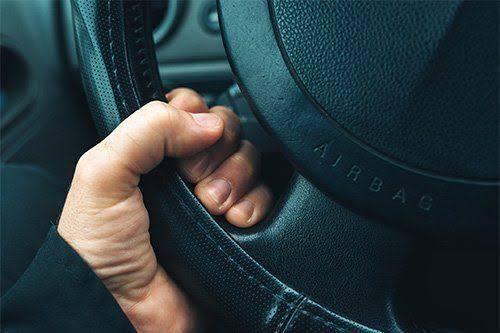
Dry Park Test
A common shop test involves an assistant gently wiggling the steering wheel while the vehicle is stationary. The mechanic watches each steering linkage for visible movement or play.
Vehicle Lift Inspection
Raising the car allows a technician to physically check tie rods, ball joints, and bushings for wear that isn’t visible from the ground.
Fluid and Pressure Check
For hydraulic systems, mechanics check power steering fluid level and condition, since low or dirty fluid can closely mimic mechanical looseness.
Best Practices to Prevent Steering Looseness
- Get your alignment checked at least once a year
- Have tie rods and ball joints inspected during routine maintenance
- Replace power steering fluid according to your manufacturer’s schedule
- Address unusual noises early instead of waiting for them to worsen
- Rotate tires regularly to catch uneven wear caused by suspension issues
Mistakes Drivers Commonly Make
Many drivers assume a loose wheel is just normal wear and put off inspection. In reality, delayed diagnosis often means a small, cheap tie rod fix turns into a full steering rack replacement.
Another common mistake is blaming the power steering pump first, when the actual cause is frequently a worn mechanical linkage instead.
When to See a Mechanic

If your steering wheel has noticeable play before the tires respond, or you hear clunking sounds while turning, get it inspected as soon as possible. Waiting risks turning a simple repair into a major safety issue.
Any sudden change in steering feel, especially combined with pulling or vibration, deserves an immediate professional inspection rather than a wait-and-see approach.
Frequently Asked Questions (FAQs)
Why does my steering wheel feel loose all of a sudden?
A sudden change usually points to a failing component like a tie rod or ball joint reaching the end of its lifespan, or a sudden power steering fluid leak.
Can low tire pressure make steering feel loose?
Yes, underinflated tires can make steering feel vague and less responsive, though this is usually a milder symptom compared to worn linkage parts.
Is it safe to drive with a loose steering wheel?
It’s not recommended. Delayed steering response reduces your ability to react to hazards and can worsen quickly, especially at higher speeds.
How much does it cost to fix loose steering?
Costs vary widely depending on the cause, from a simple tie rod replacement to a more expensive steering rack repair. A diagnostic inspection gives an accurate estimate.
What noise indicates a worn tie rod?
Worn tie rods often produce a clunking or squeaking noise, especially when turning at low speeds or driving over bumps.
Can a wheel alignment fix loose steering?
Alignment can fix drifting and pulling, but it won’t correct actual mechanical play caused by worn tie rods, ball joints, or bushings.
How do mechanics test for loose steering?
Mechanics commonly use a dry park test, gently wiggling the wheel while the car is lifted, to check for visible movement in the steering linkages.
Does loose steering affect tire wear?
Yes, worn components like ball joints and tie rods often cause uneven or accelerated tire wear due to the added, uncontrolled movement.
Is a loose steering wheel covered under warranty?
This depends on your vehicle’s warranty terms and mileage, but steering and suspension components are often covered under powertrain or extended warranties.
Can cold weather make steering feel looser?
Cold temperatures can temporarily stiffen power steering fluid, sometimes making the wheel feel different, though this is less common than heat-related fluid thinning.
How often should tie rods be inspected?
Most manufacturers recommend inspecting tie rods and other steering components during regular maintenance intervals, typically every 12,000 to 15,000 miles.
Can I drive to a mechanic if my steering feels loose?
For mild looseness, a short, careful drive is usually fine, but any clunking, pulling, or severe play should be inspected before driving further.
Conclusion
If you’ve been asking why does my steering wheel feel loose, the answer almost always traces back to worn tie rods, ball joints, a failing steering rack, or degraded power steering fluid.
None of these issues improve on their own, and most get more expensive the longer they’re ignored. A quick inspection can identify the exact cause and keep your steering tight, predictable, and safe.
Staying ahead of routine maintenance, alignment checks, and fluid changes is the simplest way to avoid this problem altogether.
