

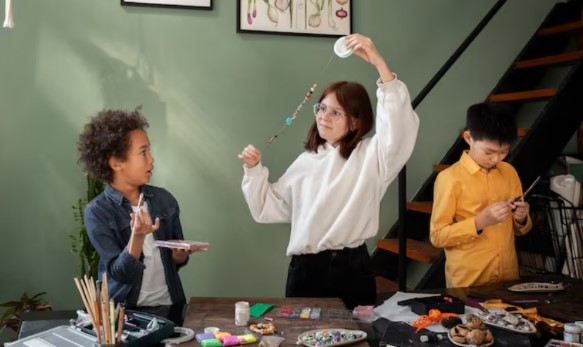
In an increasingly dynamic world, the integration of creative arts within the educational framework of senior schools is of paramount importance. The programme in Senior School Creative Arts at Brighton College (Singapore) exemplifies this by offering a robust curriculum that fosters creativity, innovation, and critical thinking among students. This programme not only enriches the academic experience but also prepares students for the challenges of a multifaceted future by nurturing their artistic talents and abilities.
The Importance of Creative Arts in Senior Education
The creative arts encompass various disciplines, including visual arts, music, drama, and dance. These artistic practices are vital in cultivating soft skills such as communication, emotional intelligence, and collaboration. By engaging in creative arts, students develop a holistic skill set that supports their academic and personal growth.
Creative arts education encourages problem-solving, fosters imagination, and enhances cognitive abilities. Engaging in artistic activities provides an outlet for self-expression and emotional well-being, allowing students to articulate their thoughts and feelings creatively. This is particularly important during the senior school years, as students navigate the complex landscape of adolescence and academic pressures.
Benefits of a Diverse Arts Curriculum
A diverse arts curriculum exposes students to a range of artistic disciplines, broadening their perspectives and helping them discover their passions. By offering a spectrum of art forms, schools empower students to explore different modes of expression, fostering an appreciation for various cultures and artistic traditions.
Music, for instance, sharpens memory and builds discipline, while drama enhances empathy and public speaking skills. Visual arts improve fine motor skills and visual literacy, and dance promotes physical health and teamwork. This wide array of benefits underscores the significance of integrating creative arts into the senior school curriculum.
Influence on Cognitive and Emotional Development
Engagement in creative arts significantly impacts cognitive and emotional development. Participation in music, art, and drama has been linked to enhanced brain function, improved memory, and increased concentration. These activities stimulate the development of both the right and left hemispheres of the brain, leading to better academic performance across all subjects.

Emotionally, the arts offer a therapeutic space for students to express themselves and process their emotions constructively. Art therapy is a recognised practice that aids individuals in managing mental health issues, and its principles are naturally woven into arts education. By encouraging introspection and emotional exploration, the creative arts help students build resilience and adaptability.
Fostering Innovation and Creativity
Innovation is often born from creativity, and the arts serve as a foundation for nurturing innovative minds. In an era where disruptive technologies and complex global issues demand novel solutions, the ability to think creatively is invaluable. A creative arts programme equips students with the mindset to approach problems from multiple angles, think outside traditional paradigms, and generate original ideas.
Furthermore, collaboration in artistic projects mirrors real-world professional environments, where teamwork, ideation, and constructive feedback are critical. By participating in group performances or collaborative art installations, students learn to value diverse perspectives and integrate them into cohesive outcomes.
Real-World Applications and Career Opportunities
Exposure to the creative arts prepares students for a multitude of career paths. The evolving job market increasingly favours individuals who can adapt to change and contribute innovative ideas. Skills honed through the arts such as communication, critical thinking, and emotional intelligence are highly sought after in professions ranging from business and technology to education and design.
Moreover, the creative sector itself presents lucrative career opportunities. With the rise of digital media, new platforms for artistic expression continue to emerge, providing avenues for artists, designers, writers, and performers to showcase their talents and build successful careers.
Community and Cultural Enrichment
Creative arts also play a crucial role in fostering community and cultural engagement within schools. Art exhibitions, theatre productions, and music concerts not only showcase student talent but also strengthen community bonds and foster a sense of shared identity. These cultural events provide students with the opportunity to engage with diverse audiences, gaining appreciation and understanding of various perspectives and experiences.
Schools that actively promote creative arts contribute to cultural preservation and innovation, enabling students to connect with their heritage while encouraging the evolution of new artistic paradigms. This cultural enrichment is particularly valuable in increasingly global and diverse communities, where understanding and celebrating cultural differences is essential.
Conclusion
The integration of creative arts in senior school education, as demonstrated by institutions like Brighton College (Singapore), cannot be overstated. This robust educational initiative aids in moulding well-rounded individuals equipped with the skills necessary for personal growth and professional success. As educational methodologies continue to evolve, the emphasis on creative arts will remain crucial in preparing students for the complexities of the future.
