

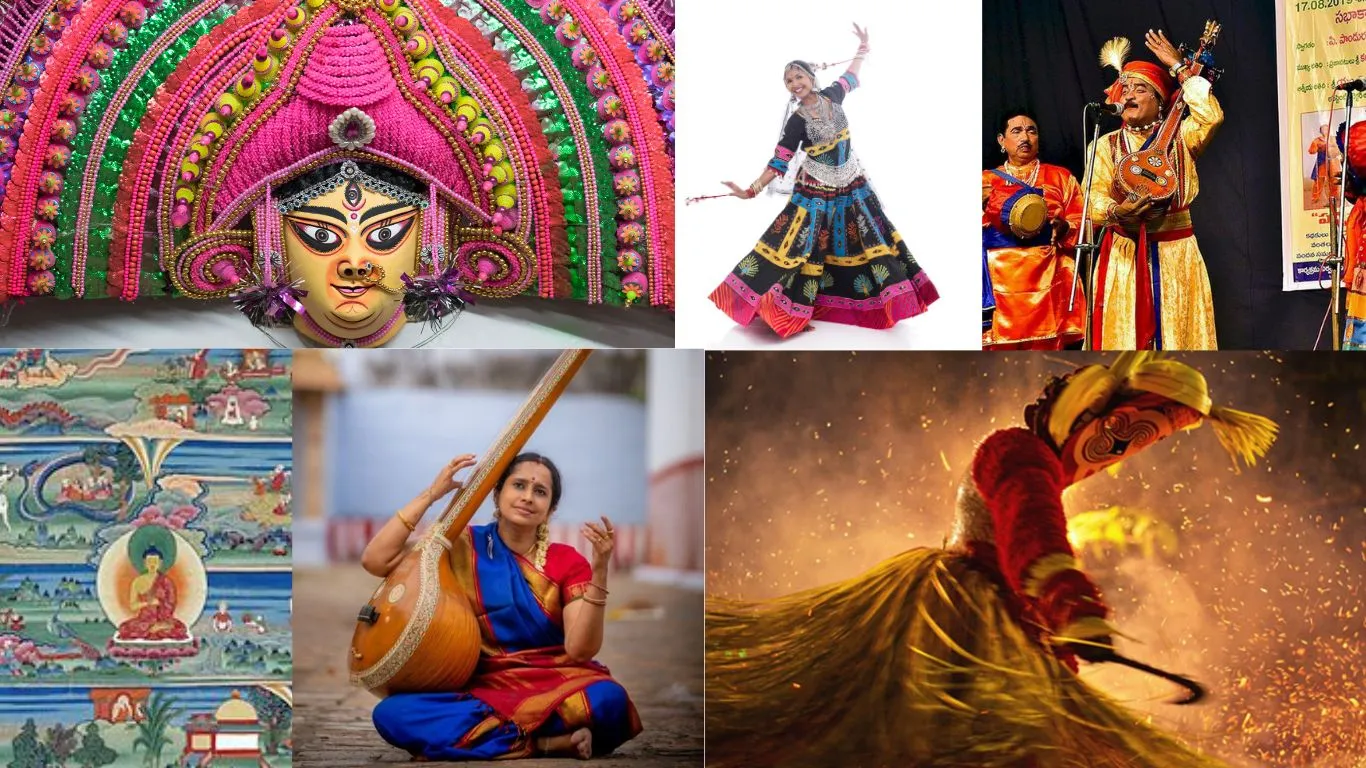
Indian storytelling treats chance as a character. Monsoon clouds cue risk. A stray messenger changes a dynasty. A blessing nudges a traveler home. Across epics, folk tales, film scripts, and street poetry, craft devices turn uncertainty into meaning. Hope does not hide from fate. It bargains with it – through structure, rhythm, and images that teach how to stand steady when outcomes wobble.
Literary technique makes that lesson feel lived rather than lectured. When a verse plants a hint early and pays it off much later, audiences learn to read conditions the way a bettor reads the board. For a modern, working example of how today’s interfaces stage risk with clear cues, readers curious about design and probability can read more. The link is not a pitch. It simply mirrors how narrative turns moving numbers into a shared grammar.
Metaphor – from monsoon to money line
Metaphor in Indian literature rarely decorates. It operationalizes chance. Rains become a ledger where patience and timing decide harvests. Dice become the shape of pride that goes too far. A festival lamp becomes a balance between breath and wind. When a story says “the river remembered,” it trains attention on cycles and base rates. Listeners start asking what changed in the setup, not only what happened in the scene. That is the same cognitive move a cautious player makes when the market shifts – read conditions first, then choose.
Metaphor also keeps optimism honest. Hope is depicted as a disciplined flame, not a wildfire. Characters claim agency through preparation. Fortune is invited, not demanded. The tone respects uncertainty while giving audiences a method for moving through it.
Foreshadowing – odds-making on the page
Foreshadowing is literature’s way of pricing the future. A stray remark about a travel route. A cracked bangle on a mantel. A rumor of a returning captain. Each clue edges probability without announcing destiny. Readers learn that outcomes tend to follow setups. That habit of mind is portable. It guides voters reading a policy teaser. It steadies fans watching a young lineup face a noisy stadium. Foreshadowing rewards focus because it values signals over spectacle.
The ethical subtext matters. Foreshadowing discourages fatalism. If an ending can be earned through earlier choices, the story places responsibility back in human hands. That stance mirrors responsible play cultures where a clean plan – small units, natural pauses, graceful exits – turns excitement into a craft.
Symbol and game – when play carries philosophy
Games in Indian narratives are never just games. A spin of the charkha frames patience. A round of gilli-danda becomes a rehearsal for reading angles and wind. Card tables in stories often recast greed as a lesson in limits. These symbols compress strategy into scenes that feel playful yet instructive. Luck appears, but it competes with discipline.
Modern spectatorship borrows the same grammar. Clear labels, honest clocks, and short reason codes turn a volatile night into something the crowd can parse. Symbol and interface meet in one aim – help people read the state before they act. The result is calmer hope. Not passive. Not loud. Practical.
Proverbs, choruses, and bankroll wisdom
Indian storytelling often closes with a chorus or lands a proverb that lingers. These lines are more than rhetorical bows. They are policy in folk clothing. The best of them sound like bankroll discipline without numbers.
- Pick a task sized for the day. Then finish it.
- Celebrate with soft voices. Keep tomorrow’s bread safe.
- Enter on a breath, not a shout. Exit on time.
- Share credit when rivers run high. Share caution when wells run low.
- Silence after a win is a gift. It protects the next decision.
A list like this belongs on a wall and in a wallet. It treats fortune as a rhythm that favors those who honor tempo.
Reversal and chiasmus – learning from the swing
Indian verse loves symmetrical turns. A line that flips its halves teaches the audience to expect the swing and to respect it. “What the city took by day, the village returned by night.” “When pride rose, grace fell. When grace rose, pride fell.” These chiasms act like humility machines. They inoculate against tilt. The listener rehearses in language what a cautious player practices on a screen – never chase a spike. Wait for a pause. Recenter.
Reversal also keeps hope elastic. If the arc can bend both ways, optimism is allowed to retreat without breaking. That flexibility is healthy in any arena that mixes skill and chance. It preserves the capacity to show up again with clear eyes.
Final raga – hope that knows the odds
Craft choices in Indian storytelling do not deny risk. They score it. Metaphor gives chance a body. Foreshadowing prices, of the future before it arrives. Symbols turn play into philosophy. Proverbs and chiasms compress restraint into memorable lines. Together they produce a public language where hope feels earned and fortune feels legible. That language travels from page to pitch and from stage to screen. It trains a crowd to enjoy the surge while guarding the exit. It also invites tools that present risk with respect to step into the same cultural current. When art and interface both speak clearly, excitement does not have to fight judgment. It can sit beside it – bright, disciplined, and ready for the next scene.
