

Why Do My Teeth Feel Sensitive? when the protective enamel covering them wears down or the gums pull back, exposing the softer layer underneath called dentin.
That sharp, sudden zing you feel after a sip of cold water or a bite of ice cream is your nerve endings reacting to something they are normally shielded from.
Tooth sensitivity is extremely common and affects people of every age, but the underlying cause can range from harmless habits like brushing too hard to more serious issues like a cracked tooth or early gum disease.
What Does It Mean When Your Teeth Feel Sensitive?
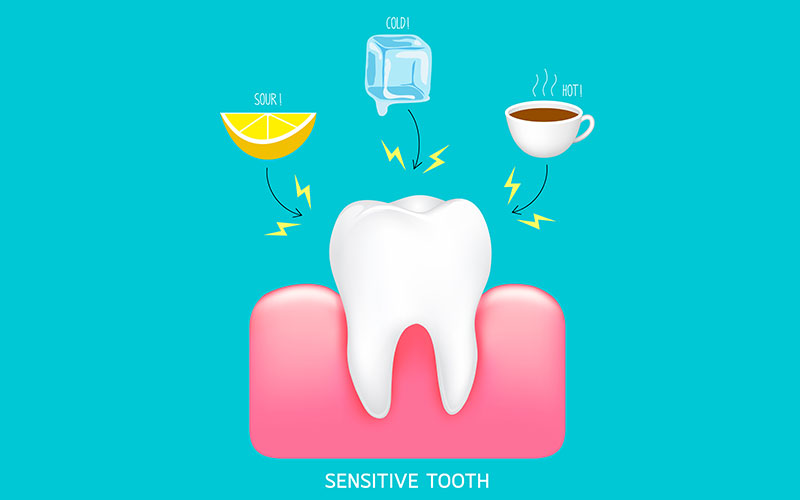
Tooth sensitivity, known clinically as dentin hypersensitivity, happens when the dentin layer beneath your enamel becomes exposed to outside stimuli.
Dentin contains thousands of microscopic tubules that lead directly to the nerve inside your tooth. When these tubules are uncovered, temperature changes and certain foods can trigger sharp pain almost instantly.
This is different from a toothache caused by infection, since sensitivity pain is usually short and tied directly to a specific trigger like cold air or a sweet drink.
Most people experience sensitivity in waves rather than constantly. It might flare up for a few weeks and then settle down, depending on diet, brushing habits, and whether any underlying issue is actively progressing.
Dentists note that sensitivity is one of the most common complaints heard in everyday practice, affecting a significant percentage of adults at some point in their lives regardless of how well they care for their teeth.
Quick Overview Before Going Deeper
| Question | Short Answer |
|---|---|
| What is it called? | Dentin hypersensitivity |
| Main cause | Exposed dentin from enamel loss or gum recession |
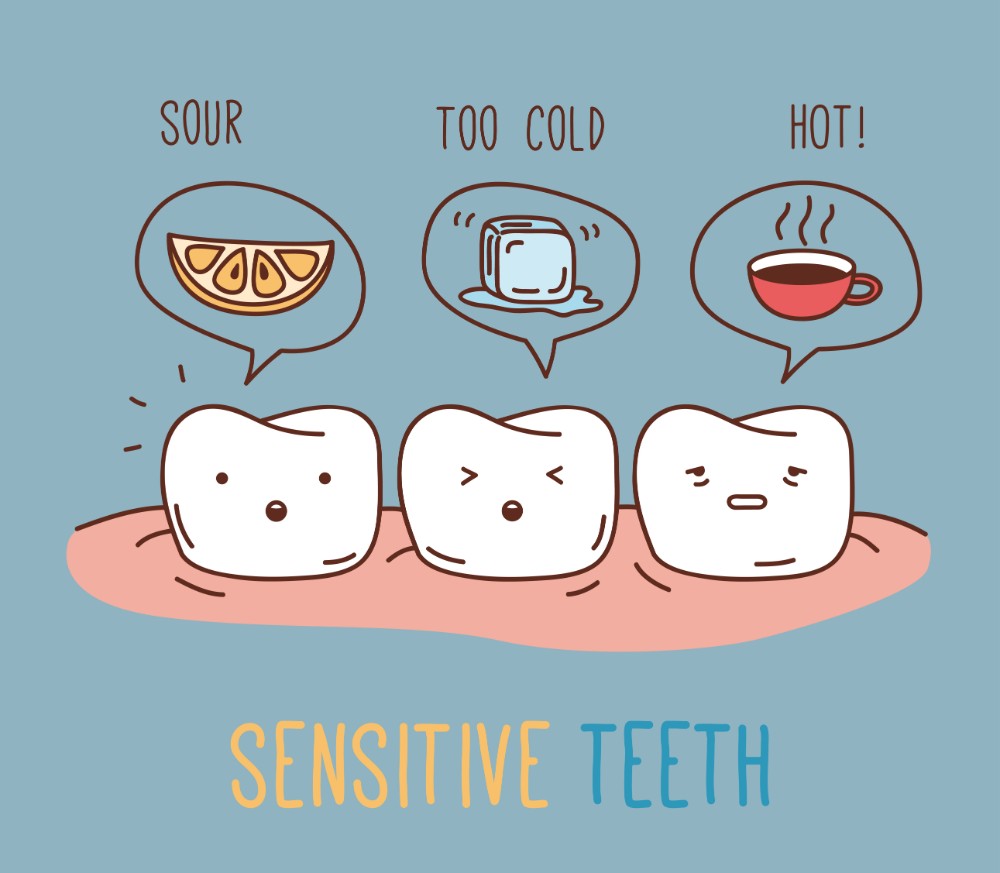
| Common triggers | Hot, cold, sweet, sour, and physical pressure |
| Is it serious? | Usually not, but persistent pain needs a dentist |
| Can it be treated? | Yes, with toothpaste, fluoride, or dental procedures |
| Can it be prevented? | Yes, with gentler brushing and dietary changes |
This snapshot covers the basics, but understanding each cause individually makes it much easier to know which fix will actually help your specific situation.
The Anatomy Behind Tooth Sensitivity
Each tooth has three main layers: the hard outer enamel, the dentin underneath it, and the soft pulp at the center that contains nerves and blood vessels.
Enamel is the hardest substance in the human body, but it is not indestructible. Once it wears away, it does not grow back on its own.
Beneath the gum line, a layer called cementum protects the tooth root instead of enamel. Cementum is softer and wears away more easily, which is part of why gum recession causes such noticeable sensitivity.
When either enamel or cementum is lost, the dentin tubules are exposed directly to the mouth environment, allowing temperature and pressure changes to reach the nerve far more easily than they should.
Inside the pulp chamber, the nerve does not just sense pain. It also helps regulate blood supply to the tooth, which is part of why an irritated nerve can sometimes cause sensitivity that lingers slightly longer than expected.
Children’s teeth and adult teeth differ slightly in dentin density, which is one reason younger patients sometimes report different sensitivity patterns than older adults dealing with decades of gradual enamel wear.
Understanding this layered structure makes it easier to see why sensitivity is rarely random. Almost every cause traces back to the same basic mechanism, something is allowing outside stimuli to reach nerve tissue that should normally be protected.
Why Do My Teeth Feel Sensitive? The Main Causes
There is rarely just one reason behind sensitive teeth. Most cases involve a combination of habits, diet, and underlying dental conditions working together.
Worn Tooth Enamel
Enamel naturally thins with age, but certain habits speed up the process significantly. Once it thins enough, dentin becomes exposed and sensitivity follows.
This type of sensitivity tends to develop slowly over months or years, rather than appearing suddenly after one specific incident.
People who frequently snack throughout the day without rinsing afterward tend to experience faster enamel wear, since their teeth spend more total time exposed to acids and sugars compared to someone who eats fewer, larger meals.
Gum Recession
When gums pull away from the teeth, the unprotected root surface is left exposed. Roots are far more sensitive than the crown of the tooth because they lack a hard enamel coating.
Gum recession can be caused by aggressive brushing, gum disease, genetics, or even the natural aging process, making it one of the most common sensitivity triggers among adults.
Some people are simply more genetically prone to thinner gum tissue, meaning they can develop recession and sensitivity even with excellent brushing habits and a gentle technique.
Brushing Too Hard
Many people believe pressing harder while brushing cleans teeth more effectively, but the opposite is often true. Excessive pressure wears down enamel and pushes gums backward over time.
Dentists frequently recommend switching to a soft-bristled brush and using light, circular motions instead of aggressive back-and-forth scrubbing.
A good way to check your pressure is watching the bristles while you brush. If they are visibly flattening or splaying outward, you are very likely pressing too hard against your teeth and gums.
Acidic Foods and Drinks
Citrus fruits, soda, wine, tomatoes, and tea all contain acids that gradually erode enamel with repeated exposure. The damage builds slowly, often without any noticeable symptoms until sensitivity finally appears.
Rinsing your mouth with water after consuming acidic items can help reduce the impact, since it dilutes the acid before it has extended contact with enamel.
Sparkling water and sports drinks are often overlooked sources of acid, since people tend to associate erosion mainly with soda or citrus rather than these everyday beverages.
Teeth Grinding (Bruxism)
Grinding or clenching, especially during sleep, places enormous pressure on teeth and wears enamel down unevenly. Many people are unaware they grind their teeth at all until a dentist points out the wear patterns.
A nightguard is one of the most effective tools for protecting teeth from this kind of damage, since it creates a physical barrier between the upper and lower teeth.
Morning jaw soreness, headaches, or flattened-looking teeth are all common signs of nighttime grinding that many people overlook until a dentist points them out during a routine checkup.
Teeth Whitening Products
Whitening treatments, whether professional or over-the-counter, can temporarily increase sensitivity by opening the dentin tubules slightly during the bleaching process.
This type of sensitivity is usually short-lived, often resolving within a few days after the whitening treatment ends.
Using a lower-concentration whitening product or spacing out treatments over a longer period can significantly reduce how intense this temporary sensitivity feels.
Cracked or Chipped Teeth
A crack does not have to be visible to cause sensitivity. Even a hairline fracture can let temperature and bacteria reach the inner layers of a tooth.
Cracks often cause sensitivity that is isolated to one specific tooth rather than affecting the entire mouth evenly.
These cracks can sometimes be difficult to see without specialized dental tools, which is why a dentist may use a special dye or bite test to confirm a suspected fracture.
Cavities and Tooth Decay
Decay gradually breaks down enamel and dentin, eventually exposing the nerve if left untreated. Sensitivity caused by a cavity tends to worsen over time instead of staying constant.
This is one of the more serious causes on this list, since untreated decay can progress into an infection requiring more extensive treatment.
Early-stage decay sometimes causes sensitivity before a cavity is even visible on an X-ray, making routine dental checkups important for catching problems at the earliest possible stage.
Recent Dental Work
Fillings, crowns, and professional cleanings can all cause temporary sensitivity as the tooth and surrounding tissue adjust. This usually fades within a few days to a couple of weeks.
If sensitivity from dental work lasts longer than expected, it is worth following up with the dentist who performed the procedure.
This temporary sensitivity happens because the tooth structure and surrounding nerve tissue need time to settle after being drilled, filled, or otherwise manipulated during treatment.
Gum Disease
Early gum disease, called gingivitis, can progress into periodontitis if untreated, leading to gum recession and bone loss around the teeth.
Bleeding gums, persistent bad breath, and noticeable recession alongside sensitivity are all signs that gum disease may be the underlying issue.
Because gum disease develops gradually and often painlessly in its early stages, sensitivity is sometimes the very first noticeable symptom that prompts someone to schedule a dental visit.
Common Sensitivity Triggers Explained
| Trigger | Why It Causes Pain |
|---|---|
| Cold foods and drinks | Rapid temperature change reaches exposed dentin tubules |
| Hot foods and drinks | Heat expands fluid inside tubules, irritating the nerve |
| Sweet foods | Sugar interacts with exposed dentin and nerve endings |
| Sour or acidic foods | Acid directly irritates exposed nerve pathways |
| Cold air | Breathing through the mouth exposes teeth to rapid cooling |
| Brushing or flossing | Physical contact with exposed roots or thin enamel |
Recognizing which trigger bothers you most can actually help narrow down the underlying cause, since different causes tend to react more strongly to specific stimuli.
For example, sensitivity that flares mainly with cold air or cold drinks often points toward exposed dentin from enamel wear, while sensitivity that worsens with pressure or chewing may suggest a crack or loose filling instead.
Keeping a brief mental note of what triggers your discomfort, and how intense or long-lasting the pain feels, gives your dentist valuable information during your next appointment.
How Dentists Diagnose the Cause
A dentist typically starts with a visual examination, checking for visible cracks, decay, recession, and wear patterns across all of your teeth.
Many dentists also use a cold air test or a gentle probe to identify exactly which tooth or teeth are reacting, since sensitivity is not always evenly distributed across the mouth.
X-rays may be used if decay, an abscess, or bone loss around the teeth is suspected, since these issues are not always visible during a standard exam.
Tapping on individual teeth can also help distinguish between sensitivity caused by exposed dentin and pain caused by a deeper infection or cracked tooth.
Treatment Options Dentists Recommend in 2026
| Treatment | Best For |
|---|---|
| Desensitizing toothpaste | Mild, generalized sensitivity |
| Fluoride varnish | Strengthening weakened enamel |
| Dental bonding | Covering exposed roots or small chips |
| Dentin sealants | Blocking pain signals at the source |
| Nightguard | Sensitivity caused by teeth grinding |
| Gum graft | Severe gum recession |
| Root canal | Sensitivity caused by deep decay or infection |
Most cases of mild to moderate sensitivity respond well to desensitizing toothpaste used consistently over several weeks, since these products work by gradually blocking the dentin tubules.
For more advanced cases, a dentist may recommend an in-office fluoride treatment, which strengthens enamel and can reduce sensitivity noticeably after just one or two visits.
When sensitivity comes from a specific structural issue like a crack or significant gum recession, more targeted treatments such as bonding or a gum graft tend to be necessary for lasting relief.
At-Home Remedies That Actually Help
Switching to a soft-bristled toothbrush is one of the simplest and most effective changes anyone can make, since it immediately reduces pressure on enamel and gums.
Desensitizing toothpaste applied directly to a sensitive spot before bed, rather than only during regular brushing, can sometimes provide faster relief according to several dentists.
Limiting acidic foods and rinsing with plain water afterward helps reduce the cumulative erosion that builds up from daily diet choices over months and years.
Avoiding whitening toothpaste while sensitivity is active is also important, since these products are more abrasive and can worsen the underlying problem instead of helping it.
Can Tooth Sensitivity Go Away on Its Own?
In some cases, mild sensitivity following a dental procedure or whitening treatment resolves naturally within a few days without any specific treatment needed.
However, sensitivity caused by ongoing issues like enamel erosion, gum recession, or decay typically does not improve without some form of intervention or behavior change.
Waiting too long to address persistent sensitivity can allow the underlying cause to worsen, which is why dentists generally recommend getting it checked rather than simply enduring it.
When Sensitive Teeth Signal a Bigger Problem
Sensitivity that is limited to one single tooth, rather than spread across multiple teeth, often points toward a localized issue like a crack, cavity, or failing filling.
Pain that lingers for an extended period after the trigger is removed, rather than fading within seconds, can be a sign of nerve involvement that needs professional evaluation.
Sensitivity accompanied by swelling, visible damage, or a foul taste in the mouth should never be ignored, since these symptoms often indicate infection.
If sensitivity appears suddenly and intensely after an injury to the mouth, it is important to see a dentist quickly, since trauma can crack a tooth even without obvious visible damage.
Preventing Sensitive Teeth Long Term
Using a fluoride toothpaste consistently helps strengthen enamel over time, making teeth more resistant to the everyday wear that leads to sensitivity.
Wearing a nightguard if you grind your teeth protects enamel from the kind of pressure that regular brushing habits simply cannot prevent.
Scheduling regular dental checkups allows small issues like early decay or minor recession to be caught and treated before they progress into more painful, expensive problems.
Cutting back on highly acidic foods and drinks, or at least rinsing afterward, reduces the slow erosion that often goes unnoticed until sensitivity finally develops.
Diet Tips for People With Sensitive Teeth

Dairy products like cheese and yogurt can help neutralize acid in the mouth and are generally gentle on sensitive teeth compared to citrus or soda.
Crunchy vegetables and water-rich fruits tend to be easier on sensitive teeth than sticky or extremely acidic snacks, which can prolong contact time with enamel.
Drinking water after meals, especially after anything acidic or sugary, helps rinse away residue before it has extended time to interact with tooth surfaces.
Frequently Asked Questions (FAQs)
Why do my teeth suddenly feel sensitive?
Sudden sensitivity often points to a new crack, recent dental work, or aggressive brushing. A dentist can confirm the exact cause quickly.
Is tooth sensitivity a sign of a cavity?
It can be, especially if the pain worsens over time. A dental exam and possible X-ray will confirm whether decay is present.
Can stress cause sensitive teeth?
Yes, indirectly. Stress often leads to teeth grinding, which wears down enamel and increases sensitivity over time.
Does sensitive teeth toothpaste really work?
Yes, for most mild cases. It works by gradually blocking the dentin tubules, though it usually takes a few weeks for full effect.
Why are my teeth sensitive to cold but not hot?
This often points to early enamel wear, since cold typically triggers exposed dentin faster than heat does in milder cases.
Can whitening strips cause permanent sensitivity?
Usually not. Sensitivity from whitening is typically temporary and resolves within days after stopping the treatment.
Should I stop brushing if my teeth are sensitive?
No, continue brushing gently with a soft brush. Stopping entirely increases the risk of decay and gum disease.
How long does tooth sensitivity last after a filling?
It typically resolves within one to two weeks. Sensitivity lasting longer should be checked by your dentist.
Can gum recession be reversed naturally?
No, gum tissue does not regenerate on its own. Treatment like a gum graft is needed for significant recession.
When should I see a dentist for sensitive teeth?
See a dentist if pain is severe, lasts more than a few seconds, or is limited to one specific tooth.
Conclusion
Sensitive teeth are uncomfortable, but they are also one of the most common and treatable dental issues people experience. In most cases, the underlying cause comes down to worn enamel, gum recession, or daily habits like brushing too hard or grinding at night.
While at-home solutions like desensitizing toothpaste and a softer toothbrush can ease mild discomfort, ongoing or worsening sensitivity is your body’s way of signaling that something deeper, like a cavity, crack, or gum disease, needs professional attention.
A dentist can pinpoint the exact cause through a simple exam and recommend the right treatment, whether that means a fluoride varnish, a nightguard, or a more targeted procedure. Taking sensitivity seriously now, rather than waiting it out, is the best way to protect your long-term oral health heading into 2026 and beyond.
