

Why do dogs snore — and is your dog’s nighttime rumble something to smile about or something to worry about? Snoring happens when airflow through the nose or throat is partially blocked, causing soft tissues to vibrate and produce that familiar rattling sound.
For some dogs, it is completely harmless. For others, it is a sign of an underlying health condition that deserves a vet’s attention.
Heading Structure Pattern Used by Top Competitors:

All top-ranking pages use H2 only for the main title and conclusion. Body sections run on H3 for primary topics and H4 for sub-topics and FAQ answers. Short paragraphs of 2 to 3 sentences are used throughout. At least one comparison or cause table appears in every top-ranking article.
What Is Dog Snoring and Why Does It Happen
Dog snoring is the noisy sound produced when air meets resistance while moving through the nose, throat, or mouth during sleep. The medical term for this low-pitched snoring or rattling sound is stertor.
It happens when the soft tissues in the upper airway — the soft palate, throat lining, or nasal passages — partially block or narrow the path air travels through. When those tissues vibrate from restricted airflow, you hear the characteristic rumble.
Snoring is not a behavior. It is a physical response to airway restriction. The cause can range from a simple sleeping position to a serious structural or medical condition — which is why understanding the difference matters.
Is It Normal for Dogs to Snore
Yes, snoring is common in dogs and is often completely harmless. Many dogs snore occasionally, especially when they are sleeping deeply or in a particular position.
That said, not all snoring is created equal. Light, consistent snoring in a dog that is otherwise healthy, active, and eating normally is rarely cause for concern. Loud, sudden, or worsening snoring — especially if paired with other symptoms — is a different story.
The key question is not whether your dog snores, but whether the snoring has changed, gotten louder, or started appearing alongside other signs like nasal discharge, labored breathing, or lethargy.
The 12 Most Common Reasons Why Dogs Snore
1. Brachycephalic Breed Anatomy
The single most common reason why dogs snore is breed anatomy. Brachycephalic dogs — breeds with short, flat faces — are built to snore. Their compressed skulls mean the same amount of soft tissue has to fit into a much smaller space, creating folds, narrowing, and constant airflow restriction.
Dogs in this category include Pugs, English Bulldogs, French Bulldogs, Boston Terriers, Boxers, Shih Tzus, Pekingese, and Chow Chows. For these breeds, snoring is a baseline, not an anomaly.
The umbrella condition behind this anatomy-driven snoring is called Brachycephalic Obstructive Airway Syndrome, or BOAS. It involves several structural abnormalities that work together to restrict breathing.
2. Sleep Position
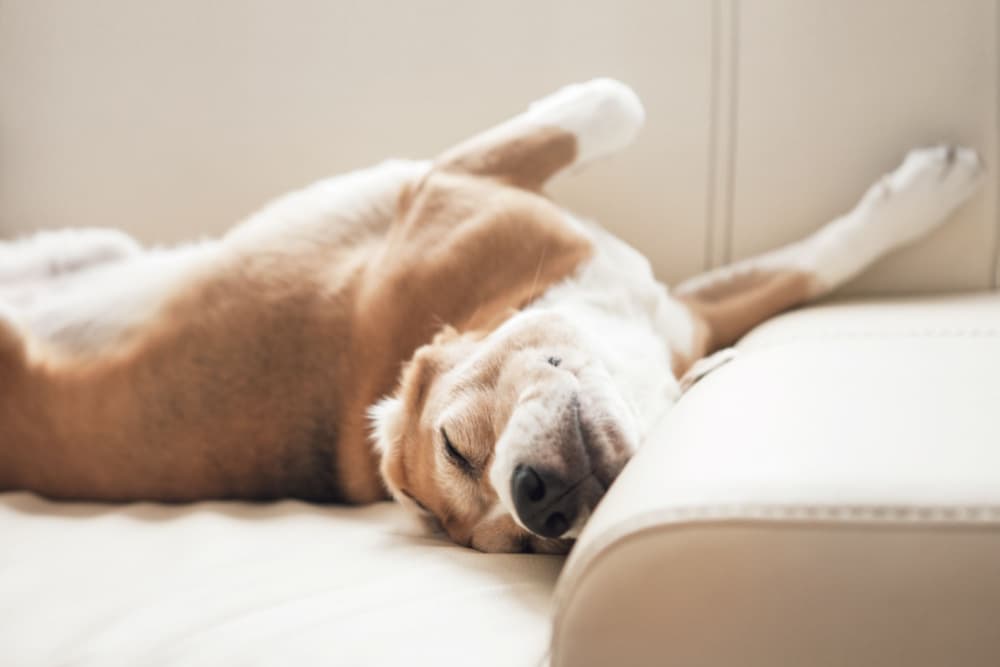
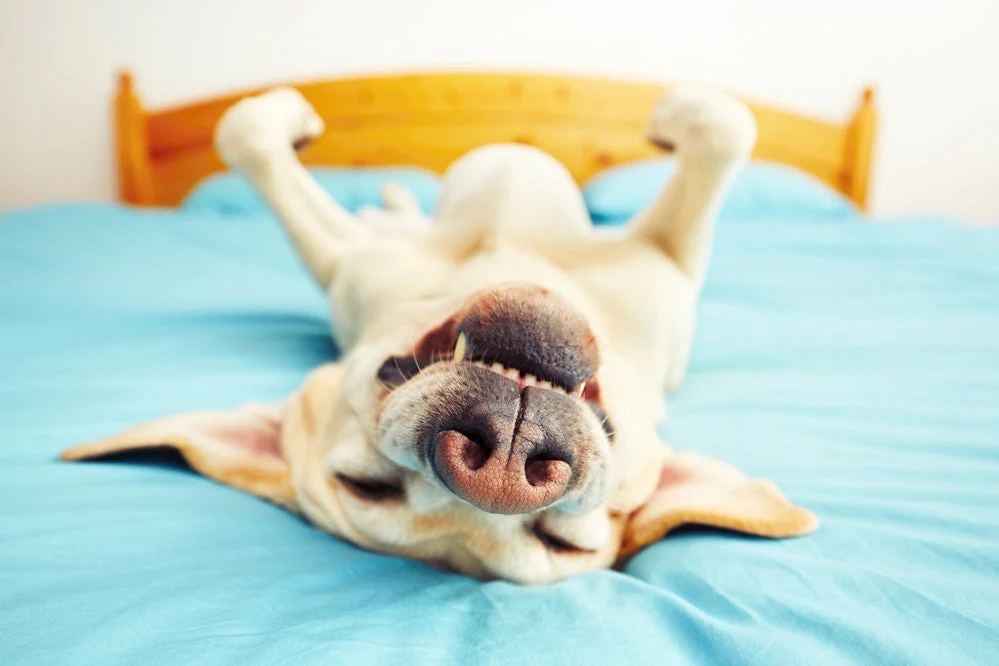
Sleep position is one of the most overlooked reasons why dogs snore. When a dog sleeps on its back, gravity pulls the tongue and soft throat tissues backward, partially blocking the airway.
The moment the dog shifts position, the snoring typically stops. This type of positional snoring is harmless and resolves on its own without any intervention.
If your dog only snores in certain positions and breathes quietly when awake or when lying on their side, positional snoring is the most likely explanation.
3. Obesity and Excess Weight
Overweight dogs snore more consistently and more loudly than dogs at a healthy weight. Extra fat deposits around the neck and chest compress the already-narrow airway, making every breath harder during rest.
This type of snoring tends to be persistent rather than positional. It does not go away when the dog changes position because the extra tissue is always there.
Weight loss through diet and regular exercise is one of the most effective interventions for obesity-related snoring. Even a modest reduction in body weight can significantly open the airway.
4. Allergies and Environmental Irritants
Seasonal allergies and environmental irritants cause the tissues lining the nasal passages and throat to swell and become inflamed. That swelling narrows the airway and produces snoring.
Common dog allergens include pollen, dust mites, mold spores, pet dander, cleaning product residue, and cigarette smoke. Dogs with allergies often snore more during certain seasons or after exposure to specific environments.
Secondary signs of allergy-related snoring include frequent sneezing, itchy skin, face rubbing, watery eyes, and nasal discharge. Identifying and reducing allergen exposure is the first line of management.
5. Upper Respiratory Infections
Bacterial and viral respiratory infections cause nasal congestion, mucus buildup, and swollen airway tissues. A dog that has never snored may suddenly start doing so during a bout of kennel cough, canine influenza, or another respiratory illness.
This type of snoring is temporary. Once the infection clears — usually within one to two weeks — normal breathing resumes. Other signs to watch for include sneezing, coughing, nasal discharge, watery eyes, and mild lethargy.
If a respiratory infection is suspected, a vet visit is important. Some infections require antibiotics or antiviral support to resolve fully.
6. Dental Disease and Tooth Abscesses
This connection surprises many dog owners. A dental abscess — a bacterial infection in the root of a tooth — can cause significant swelling in the surrounding tissue. Because some upper teeth sit very close to the nasal passages, that swelling can partially obstruct airflow and produce snoring.
Other signs of dental disease include bad breath, drooling, face pawing, resistance to having the face touched, reduced appetite, and visible swelling on the jaw or cheek.
Dental infections require tooth extraction combined with antibiotics. Once the infection is treated, the snoring caused by dental disease typically resolves within a few days.
7. Foreign Object in the Airway
Dogs explore the world with their noses. Grass seeds, small pieces of debris, and other inhaled objects can become lodged in the nasal passage or throat, creating a physical blockage that causes snoring or noisy breathing.
Foreign body obstruction typically causes sudden snoring in a dog that was not previously a snorer. The snoring may be accompanied by pawing at the face, sneezing, nasal discharge from one nostril, or visible distress.
This is a veterinary emergency. Do not attempt to remove a suspected foreign object at home, as this risks pushing it deeper into the airway.
8. Nasal Polyps and Growths
Abnormal tissue growths — including benign polyps, cysts, or malignant tumors — inside the nasal passages, throat, or larynx physically reduce the space air has to travel through.
Benign nasal polyps are non-cancerous but still cause progressive snoring that worsens over time. Malignant tumors such as nasal carcinoma or fibrosarcoma are more serious and may also cause facial swelling, nosebleeds, or bloody discharge.
Any new or worsening snoring that is accompanied by nosebleeds, visible facial asymmetry, or one-sided nasal discharge warrants prompt veterinary evaluation to rule out growths.
9. Hypothyroidism
Hypothyroidism is a condition where the thyroid gland does not produce enough thyroid hormone. It is more common than many owners realize and has a direct connection to snoring.
Hypothyroidism causes weight gain, which puts pressure on the airway. It also causes general tissue swelling throughout the body, including in the neck area. Both effects contribute to airway narrowing and snoring.
Additional signs include a dull, dry coat, flaky skin, low energy, cold intolerance, weight gain without changes in diet, and recurring ear or skin infections. Hypothyroidism is managed with daily thyroid hormone replacement medication.
10. Age-Related Changes
As dogs get older, the muscles and connective tissues throughout their body lose tone and firmness — and the throat is no exception. Weakened throat muscles during sleep allow tissues to relax and partially collapse into the airway.
Senior dogs that were quiet sleepers for years may begin snoring as they age. This is normal up to a point. However, any significant change in snoring pattern in an older dog still warrants a vet check to rule out more serious causes like hypothyroidism or growths.
Keeping older dogs at a healthy weight and ensuring they have a comfortable, supportive sleeping position helps minimize age-related snoring.
11. Secondhand Smoke and Chemical Irritants
Exposure to cigarette smoke, strong cleaning chemicals, air fresheners, and perfumes irritates the delicate tissues lining a dog’s nasal passages and throat. Chronic exposure causes persistent low-level inflammation that narrows the airway and causes snoring.
Dogs exposed to secondhand smoke regularly are at significantly higher risk of respiratory issues, including snoring, chronic coughing, and even lung disease over time. Removing the irritant source is essential for long-term improvement.
If smoke exposure is unavoidable, smoking outdoors and keeping windows open helps reduce the amount of irritant your dog inhales.
12. Sleep Apnea
Dog sleep apnea is less common than positional or anatomical snoring, but it is a genuine condition that deserves serious attention. It is estimated to affect more than 20 percent of male dogs and around 10 percent of females.
Sleep apnea occurs when breathing repeatedly stops and restarts during sleep, depriving the dog of oxygen. It is most common in obese dogs and brachycephalic breeds. Signs include very loud snoring, gasping sounds, brief pauses in breathing, and waking up suddenly during sleep.
Untreated sleep apnea affects mood, cardiovascular health, energy levels, and quality of life over time. A vet evaluation is essential if sleep apnea is suspected.
Brachycephalic Obstructive Airway Syndrome (BOAS) Explained
BOAS is not a single disorder — it is a combination of structural abnormalities that work together to restrict airflow and increase breathing effort. Understanding it is essential for owners of flat-faced dogs.
| BOAS Component | What It Is | Effect on Breathing |
|---|---|---|
| Stenotic nares | Narrowed nostril openings | Limits air entering the nose |
| Elongated soft palate | Soft palate extends too far toward the windpipe | Partially blocks the trachea opening |
| Everted laryngeal saccules | Small pouches that turn outward into the airway | Reduce space in the upper trachea |
| Hypoplastic trachea | Abnormally narrow windpipe | Restricts total airflow throughout breathing |
BOAS signs often worsen with age, weight gain, heat exposure, and exercise. Many dogs with BOAS also experience gastrointestinal issues including regurgitation and vomiting due to the increased effort of breathing.
Mild cases of BOAS can be managed with weight control, activity limitation, and avoiding heat and stress. Moderate to severe cases often benefit significantly from corrective surgery.
Breeds That Snore the Most
While any dog can snore, certain breeds are consistently more prone due to their anatomy, body size, or throat structure.
| Breed | Primary Snoring Cause |
|---|---|
| Pug | Stenotic nares, elongated soft palate, narrow nostrils |
| English Bulldog | BOAS — full range of anatomical abnormalities |
| French Bulldog | Narrow nostrils, elongated soft palate, narrow trachea |
| Boston Terrier | Shortened skull, compressed airway |
| Shih Tzu | Flat face, excess throat tissue |
| Boxer | Short muzzle, strong jaw but narrow airway |
| Chow Chow | Thick neck tissue, restricted throat space |
| St. Bernard | Large size, heavy throat tissue, excess neck mass |
| Newfoundland | Heavy body, thick throat structures |
| Mastiff | Relaxed throat muscles, heavy build |
If your dog is not on this list but snores regularly, do not dismiss it. Snoring can occur in any breed due to weight, allergies, infections, or sleeping habits.
Normal Snoring vs. Concerning Snoring: How to Tell the Difference
Not every snore needs a vet visit. This table helps you quickly assess what you are dealing with.
| Feature | Normal Snoring | Concerning Snoring |
|---|---|---|
| Onset | Lifelong or gradual | Sudden — dog was not previously a snorer |
| Pattern | Consistent, predictable | Irregular, escalating, or changing |
| During the day | Silent or near-silent when awake | Noisy breathing even when awake |
| Accompanying symptoms | None | Nasal discharge, coughing, wheezing, lethargy |
| Sleep quality | Dog sleeps through the night | Dog wakes suddenly, gasps, or seems restless |
| Position-dependent | Stops when dog changes position | Present in all positions |
| Breed factor | Flat-faced breed with lifelong pattern | Not a brachycephalic breed |
Red Flags That Mean a Vet Visit Is Urgent
Certain signs alongside snoring make a vet visit non-negotiable. Do not wait if your dog shows any of the following.
Snoring That Starts Suddenly
A dog that has never snored before and begins doing so overnight has experienced a change in their airway. This could be a foreign object, a new infection, an allergic reaction, or the start of a growth. A vet needs to determine the cause.
Nasal Discharge, Especially from One Side
One-sided nasal discharge paired with new or worsening snoring is a significant warning sign. It can indicate a foreign object lodged in one nostril, a nasal polyp, or in serious cases a tumor. Bilateral discharge is more commonly linked to infections or allergies.
Breathing Difficulty While Awake
If your dog is snoring or making noisy breathing sounds while they are fully awake, their airway restriction is significant enough to affect breathing in all positions. This is especially concerning during exercise or in warm weather.
Nosebleeds or Blood in Discharge
Any blood coming from the nose alongside snoring demands urgent veterinary evaluation. This can indicate trauma, a foreign object, a nasal growth, or a clotting disorder.
Gasping, Choking, or Stopping Breathing During Sleep
These are potential signs of sleep apnea. If you observe your dog’s breathing stopping and restarting during sleep, or hear gasping sounds, contact your vet promptly.
Blue or Pale Gums
Blue or pale gum color indicates inadequate oxygen reaching the bloodstream. This is an emergency. A dog with blue gums needs immediate veterinary care regardless of any other symptoms.
What a Vet Does to Diagnose Dog Snoring
When you bring a snoring dog to the vet, the assessment typically follows a logical sequence to identify the underlying cause.
The vet takes a full history — when the snoring started, how it has changed, what other symptoms are present, and whether there have been any recent changes in diet, environment, or exposure. A thorough physical examination covers the nasal passages, throat, mouth, and lymph nodes.
For brachycephalic breeds, a BOAS evaluation assesses the severity of each structural component. For other dogs, diagnostics may include blood panels to check for hypothyroidism, imaging such as X-rays or CT scans for suspected growths or foreign bodies, and rhinoscopy to visualize the nasal passage directly.
The goal is always to determine whether the snoring has a treatable cause and what the most effective intervention looks like for that specific dog.
How to Help a Snoring Dog at Home
Not all snoring requires medical treatment. For mild, non-urgent cases, several home adjustments can make a genuine difference.
Manage Your Dog’s Weight
Weight management is one of the most impactful things you can do for a snoring dog. Work with your vet to set a target body weight and build a plan that combines portion control with daily exercise.
Even a 10 to 15 percent reduction in body weight can meaningfully reduce the fat compressing the airway. Dogs that reach their ideal weight consistently snore less.
Adjust the Sleeping Position and Setup
Encourage your dog to sleep on their side rather than their back. A round or donut-shaped dog bed naturally supports a curled sleeping position that keeps the airway more open.
Using an elevated orthopedic bed or placing a rolled blanket under your dog’s head slightly raises the airway and reduces the effect of gravity on throat tissues. Even a small elevation can reduce snoring volume.
Improve Indoor Air Quality
Use a HEPA air purifier in the rooms where your dog spends the most time. Change HVAC and air filters monthly during allergy season. Wash your dog’s bedding weekly using unscented, pet-safe detergent.
Keep your home free from cigarette smoke, strong perfumes, scented candles, and chemical cleaning sprays. These are all common airway irritants that worsen snoring in sensitive dogs.
Use a Humidifier
Dry air irritates nasal passages and makes airflow more turbulent. Keeping indoor humidity between 30 and 50 percent helps keep your dog’s nasal tissues moist and reduces the vibration that produces snoring.
A cool-mist humidifier placed near your dog’s sleeping area is a simple, low-cost intervention that helps many dogs sleep more quietly.
Wipe Down After Outdoor Time
After walks or outdoor play during allergy season, wipe your dog’s coat, paws, and muzzle with a damp cloth. This removes pollen, mold spores, and other environmental allergens before they enter your home and irritate your dog’s airways.
Keep Up with Dental Care
Brush your dog’s teeth regularly with a pet-safe toothpaste. Provide dental chews that reduce plaque buildup. Schedule professional dental cleanings as recommended by your vet.
Dental disease is an underappreciated driver of snoring. Preventing tooth abscesses and gum infections eliminates one cause entirely.
Treatment Options Vets May Recommend
When home adjustments are not enough, veterinary treatment depends on the specific underlying cause of the snoring.
| Cause | Veterinary Treatment |
|---|---|
| BOAS (stenotic nares) | Surgical widening of nostrils |
| BOAS (elongated soft palate) | Surgical resection of excess soft palate tissue |
| BOAS (everted laryngeal saccules) | Surgical removal |
| Obesity | Prescription weight management diet, exercise plan |
| Allergies | Antihistamines, corticosteroids, allergy testing, environmental changes |
| Upper respiratory infection | Antibiotics, antiviral support, rest |
| Dental abscess | Tooth extraction, antibiotics, anti-inflammatories |
| Hypothyroidism | Daily oral thyroid hormone replacement |
| Nasal polyp | Surgical removal or laser removal |
| Malignant tumor | Surgery, radiation, or chemotherapy depending on type and stage |
| Foreign object | Rhinoscopy-guided removal under sedation |
| Sleep apnea | Weight loss, BOAS surgery if applicable, medication in some cases |
Snoring in Puppies: Is It Different
Puppies can and do snore, and in most cases it is completely normal. Their bodies are still developing, their airways are more flexible, and they sleep more deeply than adult dogs — all of which contribute to soft snoring sounds.
Puppies that sleep on their backs, or those of brachycephalic breeds, are especially likely to snore. In most healthy puppies, snoring improves as they grow and their musculature strengthens.
However, puppy snoring that is very loud, accompanied by labored breathing while awake, or present from birth in a flat-faced breed should be discussed with a vet. Early BOAS evaluation is recommended for brachycephalic puppies to assess airway health before symptoms worsen.
Snoring in Senior Dogs: What Changes With Age
Older dogs snore more for several reasons. Muscle tone throughout the body decreases with age, including in the throat. Connective tissues become looser and more prone to collapsing partially into the airway during sleep.
Senior dogs are also more likely to develop hypothyroidism, dental disease, and airway growths — all of which can trigger or worsen snoring. Weight gain in older dogs due to reduced activity compounds the problem.
Any new or worsening snoring in a senior dog is worth a veterinary check. Catching hypothyroidism, dental disease, or a benign polyp early makes treatment straightforward and prevents the problem from escalating.
Frequently Asked Questions (FAQs)
Why do dogs snore so loudly?
Loud snoring happens when airway restriction is significant enough to force air through a very narrow passage at high velocity. Brachycephalic breeds, obese dogs, and dogs with infections or growths tend to produce the loudest snoring because their airway obstruction is more severe.
Is it normal for my dog to snore every night?
Consistent nightly snoring is normal for many flat-faced breeds and for dogs that sleep in positions that naturally restrict the airway. If your dog has always snored, is otherwise healthy, and shows no other symptoms, nightly snoring alone is not cause for alarm.
Why did my dog suddenly start snoring?
Sudden snoring in a dog that was previously quiet is a red flag. The most common causes include a new respiratory infection, an allergic reaction, a foreign object in the nasal passage, a dental abscess, or the beginning of a growth. A vet check is recommended when snoring appears suddenly.
Do certain dog breeds snore more than others?
Yes. Brachycephalic breeds — Pugs, Bulldogs, French Bulldogs, Boston Terriers, Boxers, and Shih Tzus — snore far more than other breeds due to their compressed airway anatomy. Large dogs with heavy neck tissue, like St. Bernards and Mastiffs, are also frequent snorers.
Can dog snoring be a sign of sleep apnea?
Yes. Loud snoring combined with gasping, choking sounds, or brief pauses in breathing during sleep can indicate canine sleep apnea. This condition is most common in obese dogs and flat-faced breeds and requires veterinary evaluation and treatment.
Can allergies cause my dog to snore?
Absolutely. Allergies cause the nasal passage and throat tissues to swell and become inflamed, narrowing the airway and producing snoring. Dogs that snore more during spring or summer, or after being in dusty environments, are often experiencing allergy-related airway inflammation.
How do I stop my dog from snoring?
The approach depends on the cause. Positional snoring can be reduced by changing the sleeping setup. Weight-related snoring improves with weight loss. Allergy-related snoring responds to allergen reduction and air purifiers. Structural snoring in brachycephalic dogs may require veterinary management or surgery.
Is dog snoring dangerous?
Most dog snoring is not dangerous. However, snoring caused by severe BOAS, sleep apnea, or large airway growths can significantly reduce a dog’s quality of life and oxygen intake. These cases require treatment and should not be left unmanaged.
When should I take my snoring dog to the vet?
See a vet if the snoring started suddenly, is getting louder or more frequent, is accompanied by nasal discharge, coughing, or lethargy, occurs while your dog is awake, or involves gasping or apparent breathing pauses during sleep.
Can surgery fix dog snoring?
Surgery can significantly reduce snoring caused by BOAS — widening stenotic nares, resecting an elongated soft palate, and removing everted laryngeal saccules all improve airflow. Growths such as polyps can also be surgically removed. However, surgery does not completely eliminate all anatomical snoring, and some noise often remains post-procedure.
Conclusion
Why do dogs snore? Most of the time the answer is reassuringly simple — anatomy, sleep position, or a bit of extra weight.
For flat-faced breeds like Pugs and Bulldogs, snoring is practically a breed characteristic driven by the structural reality of a compressed airway.
For other dogs, occasional snoring is a normal part of deep, relaxed sleep.
But snoring can also be your dog’s body signaling that something needs attention.
A dental abscess, a respiratory infection, seasonal allergies, or a developing growth can all show up first as a change in snoring.
When snoring is new, suddenly louder, or paired with any other symptom, that is the moment to get a vet involved.
The best approach is observation. Know your dog’s normal. Notice when something changes. Act promptly when the signs are there.
With the right care — whether that means an air purifier, a weight loss plan, allergy medication, or corrective surgery — most dogs with snoring issues can be helped significantly.
Your dog deserves restful sleep, and so do you.
