

Why do dogs eat their vomit? If you have ever watched your dog vomit and then immediately turn around to eat it, your reaction was probably a mix of horror and confusion.
But this behavior is far more common — and far more natural — than most pet owners realize.
From deep-rooted evolutionary instincts to behavioral habits and health signals, there are several well-documented reasons behind this gross-but-normal canine habit.
How Common Is It for Dogs to Eat Their Vomit?
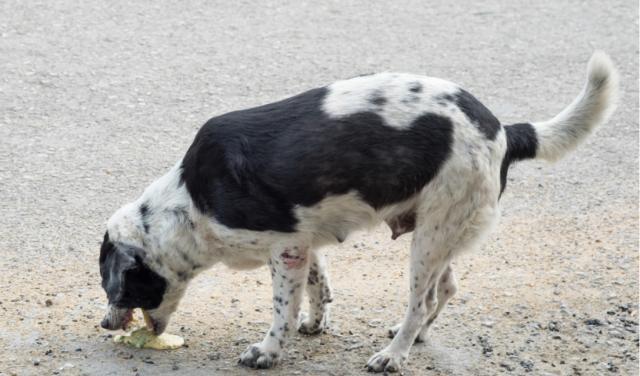
This is not a rare or abnormal behavior. The majority of dog owners will witness it at least once.
Veterinarians and certified dog behaviorists consistently describe vomit-eating as a natural instinctive behavior deeply embedded in canine biology. In most cases, a dog eating its own vomit occasionally is not a cause for serious concern.
The behavior becomes a concern only when it happens repeatedly, is paired with frequent vomiting, or occurs alongside other symptoms like lethargy, weight loss, or blood in the vomit.
Vomiting vs. Regurgitation: Why the Difference Matters
Before diving into why dogs eat vomit, it is critical to understand that not everything that comes back up is technically vomit.
Vomiting is an active process. It involves visible abdominal contractions, retching, heaving, drooling, and lip licking before the material is expelled. The expelled content is partially digested, often mixed with bile or yellow foam, and comes from the stomach.
Regurgitation is passive. It happens suddenly, without warning, without any abdominal effort. The material comes from the esophagus — not the stomach — and appears undigested. It often has a tubular shape from being compressed in the esophageal tube.
Key differences at a glance:
| Feature | Vomiting | Regurgitation |
|---|---|---|
| Process | Active, involves effort | Passive, no warning |
| Origin | Stomach or upper intestine | Esophagus |
| Content | Partially digested, may have bile | Undigested, tubular shape |
| Warning signs | Retching, drooling, nausea | None — sudden expulsion |
| Dog’s behavior after | Often appears unwell | Usually resumes normal behavior |
| Re-eating behavior | Sometimes | Very common |
Dogs are actually more likely to eat regurgitated material than true vomit — primarily because regurgitated food looks and smells almost identical to regular food, having never been fully digested.
Understanding which one your dog is doing is important because they point to completely different parts of the body and require different diagnostic paths.
The Top Reasons Dogs Eat Their Vomit
1. Evolutionary and Wild Instinct
The single most documented reason dogs eat their vomit is rooted in their evolutionary history as pack animals descended from wolves.
In the wild, mother wolves and wild dogs routinely regurgitate partially digested food for their puppies. This pre-digested material is easier for young dogs to eat and digest than whole prey. Puppies are hardwired from birth to recognize regurgitated food from their mother as a food source.
This ancient feeding behavior is deeply embedded in canine genetics. Even though domestic dogs no longer need it for survival, the instinctive response to eat regurgitated or vomited material remains intact in many dogs.
2. It Still Smells Like Food
To a dog, vomit does not smell the way it smells to you.
Humans are neurologically wired to be repulsed by vomit because it signals illness. But a dog’s sense of smell is estimated to be 10,000 to 100,000 times more sensitive than a human’s. What a dog detects in vomit is primarily the food it used to be — the proteins, fats, and partially digested nutrients that still carry strong, appealing food odors.
The bile smell that repels humans is present, but it does not override the dominant food scent for most dogs. This is a key reason why so many dogs instinctively go back to eat vomited material with apparent enthusiasm.
3. Eating Too Fast
One of the most practical and common causes of vomit-eating is simply eating too quickly.
Dogs that scarf down their food without chewing properly often vomit very soon after eating, sometimes within minutes. At this early stage, the food has not yet been significantly digested — it looks, smells, and essentially is still food. From the dog’s perspective, eating it back is not disgusting. It is a second attempt at a meal.
This cycle is especially common in food-motivated breeds and in multi-dog households where dogs feel competition for resources at mealtime.
Breeds commonly prone to fast eating and re-vomiting:
| Breed Type | Reason for Fast Eating |
|---|---|
| Labrador Retrievers | Highly food-motivated by genetics |
| Beagles | Strong foraging instinct |
| Golden Retrievers | Enthusiastic eaters |
| Pugs and Bulldogs | Brachycephalic structure affects eating pace |
| Border Collies | High energy, fast behavior across all activities |
| Rescue dogs | Anxiety-driven resource guarding from past food scarcity |
Using a slow-feeder bowl, a snuffle mat, or puzzle feeder can break this cycle effectively.
4. Maternal Instinct Carried Into Adulthood
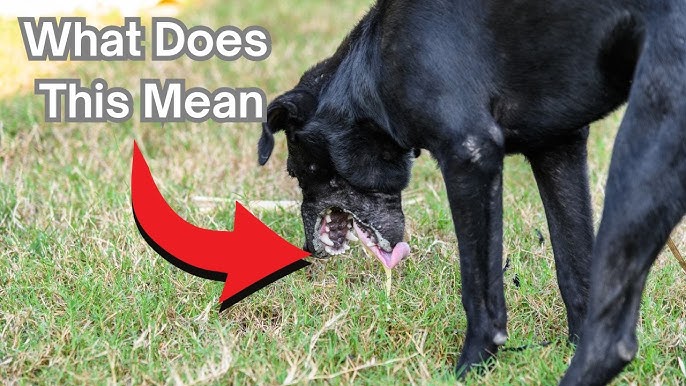
Many dogs retain maternal feeding behaviors even after puppyhood, and even in dogs that have never had a litter.
Puppies learn very early that their mother’s regurgitated food is a meal. This creates a strong positive association between vomit and food that can persist into adulthood. For some dogs, the behavior is simply an artifact of those early developmental associations.
Mother dogs that are still nursing or caring for puppies may actively eat vomit as part of nest-cleaning behavior — keeping the space clean to reduce predator attraction in the wild, even though this is now a domestic setting.
5. Hiding Sickness from Predators
This is a more subtle evolutionary driver that some veterinary behaviorists have proposed.
In the wild, showing visible signs of illness — including vomit left on the ground — can attract predators. The instinct to eliminate evidence of weakness by consuming vomit may have been a survival mechanism in ancestral dogs.
While domestic dogs face no real predator threat in a home environment, these ancient alarm signals can still fire automatically. The dog is not thinking rationally about the situation. The behavior is reflexive and instinctual.
It is worth noting that some veterinary experts consider this explanation less strongly supported by evidence than the maternal and nutritional reclamation theories, though it remains a plausible contributing factor.
6. Resource Guarding and Food Aggression
Some dogs eat their vomit for a completely different reason: they do not want another dog or animal to get it.
Dogs with resource-guarding tendencies have an innate drive to protect what they perceive as theirs — food bowls, toys, sleeping spots, and sometimes even their own vomit. Territorial dogs may eat their vomit rapidly to prevent another household dog from consuming it first.
This is especially likely in multi-dog households where dogs have a history of competing over food or where one dog regularly guards resources from others. The behavior can appear to escalate in these environments compared to single-dog households.
7. Anxiety, Boredom, and Habit
Not all vomit-eating is driven by instinct or food motivation. For some dogs, it can be a behavioral habit that develops from anxiety or insufficient stimulation.
Dogs that are left alone for long periods, lack adequate exercise, or suffer from separation anxiety may develop compulsive or anxious habits — including eating vomit as a coping mechanism or out of boredom.
If vomit-eating appears alongside other stress-related behaviors like destructive chewing, excessive barking, or pacing, it is worth addressing the underlying anxiety with the help of a certified dog behaviorist or veterinarian.
8. Nutritional Deficiency or Dietary Inadequacy
In some cases, dogs may eat their vomit because their current diet is not meeting their nutritional needs, and they are attempting to reclaim partially digested nutrients.
This is more speculative than the instinctual explanations, but some veterinarians note that dogs on low-quality diets or those not absorbing nutrients properly due to gastrointestinal issues may show increased interest in consuming vomited material.
If a dog is vomiting regularly and consistently eating the vomit, a nutritional evaluation and potential diet change should be part of the veterinary conversation.
Is It Safe for Dogs to Eat Their Own Vomit?
The answer is: usually yes, for their own vomit — but it depends on what caused the vomiting.
If a dog vomits from eating too fast, eating grass, or mild stomach upset, eating that vomit is generally harmless. The material is essentially partially processed food from the dog’s own digestive system.
The risks increase in specific situations. If the vomiting was caused by a toxin, eating the vomit re-exposes the dog to the same toxic substance. If the dog vomited due to an infection, the vomit may contain pathogens. If medications are involved, vomited pills or coatings can be re-ingested.
Safety assessment by cause of vomiting:
| Cause of Vomiting | Risk of Eating Own Vomit | Action |
|---|---|---|
| Eating too fast | Very low | Monitor only |
| Eating grass | Low | Monitor; remove if chemical-treated grass |
| Mild stomach upset | Low | Monitor |
| Unknown cause | Moderate | Prevent re-eating, monitor for symptoms |
| Toxin ingestion | High | Emergency vet visit immediately |
| Medication | High | Prevent re-eating, contact vet |
| Infection (parvovirus, etc.) | High | Immediate vet visit |
| Blood in vomit | High | Emergency vet visit immediately |
Is It Safe for Dogs to Eat Another Dog’s Vomit?
This is where the answer changes significantly.
Eating another dog’s vomit carries real health risks. The vomit may contain pathogens — viruses, bacteria, or parasites — that the other dog is carrying but your dog has no immunity to.
Gastrointestinal parasites like roundworms, giardia, and hookworms are commonly transmitted through fecal-oral contamination, and vomited material from an infected dog can serve as a transmission route. Canine parvovirus is shed in bodily fluids and is highly contagious, including through vomited material.
In multi-dog households, preventing dogs from accessing each other’s vomit should be a priority. Clean it up promptly before any dog has the chance to consume it.
Common Causes of Vomiting in Dogs
Understanding why dogs vomit in the first place helps identify when vomit-eating is a side effect of a bigger issue.
Most common causes by category:
| Category | Specific Causes |
|---|---|
| Dietary | Eating too fast, dietary indiscretion, table scraps, rich treats, grass eating |
| Parasites | Roundworms, hookworms, giardia, whipworms |
| Infections | Parvovirus, distemper, bacterial gastroenteritis |
| Medical conditions | Pancreatitis, kidney disease, liver disease, Addison’s disease |
| Obstructions | Swallowed foreign objects, intestinal blockage |
| Motion sickness | Car travel, anxiety during travel |
| Toxins | Household chemicals, plants, human foods (xylitol, chocolate, grapes) |
| Medications | NSAIDs, antibiotics, certain dewormers |
| Esophageal | Megaesophagus, esophagitis, stricture |
Occasional vomiting in otherwise healthy, alert, and active dogs is generally not alarming. Persistent, frequent, or symptomatic vomiting always warrants veterinary investigation.
How to Stop Your Dog from Eating Their Vomit
Prevention is straightforward in most cases and does not require medical intervention.
The most effective approach is simply to clean it up immediately. Remove the vomit before your dog has a chance to turn around and re-eat it. Keeping an enzyme-based cleaning spray nearby makes this faster and ensures the area is properly deodorized so the dog is not attracted back to the spot.
Practical prevention strategies:
- Use a slow-feeder bowl, snuffle mat, or puzzle feeder at mealtime to reduce fast eating and post-meal vomiting
- Feed smaller, more frequent meals rather than one or two large meals per day
- Train and reinforce the “Leave It” command so you can interrupt the behavior reliably
- In multi-dog households, feed dogs separately to remove competition pressure
- Increase mental and physical enrichment to address any anxiety-driven behavior
- Review your dog’s diet with a vet if vomiting is frequent and cause is unclear
What Your Dog’s Vomit Color Tells You
Not all vomit looks the same, and the color and consistency can be informative.
Vomit color guide:
| Color / Appearance | Likely Meaning | Action |
|---|---|---|
| Yellow or yellow-green foam | Bile — empty stomach, bilious vomiting syndrome | Feed smaller, more frequent meals |
| White foam | Air in stomach, kennel cough, or acid buildup | Monitor; vet if persistent |
| Undigested food (shortly after eating) | Eating too fast or regurgitation | Slow feeder; monitor |
| Brown, digested food | Normal vomit from stomach | Monitor |
| Red streaks or bright red | Fresh blood — irritation or injury | Vet visit urgently |
| Dark brown or black (coffee grounds) | Digested blood — serious | Emergency vet immediately |
| Teal or blue-green | Possible rodent poison ingestion | Emergency vet immediately |
| Worms visible | Roundworm infection | Vet visit for deworming |
When to Call the Vet Immediately
Most single episodes of vomiting in healthy adult dogs can be monitored at home. But several situations require urgent veterinary attention.
Contact your veterinarian right away if you observe any of the following:
- Vomiting more than twice within 24 hours
- Vomiting that continues for more than one day
- Blood in the vomit — any shade of red, dark brown, or black
- Vomit that looks like coffee grounds or is teal-colored
- Vomiting accompanied by diarrhea, lethargy, or significant loss of appetite
- Signs that your dog may have swallowed a foreign object, toxin, medication, or poison
- A distended or painful-looking abdomen — this may indicate bloat (GDV), which is life-threatening
- Puppies that vomit even once, as they dehydrate quickly and are more vulnerable
Any vomiting puppy who appears depressed, lethargic, weak, or in pain should be seen by a veterinarian immediately, regardless of the suspected cause.
Caring for a Dog After a Vomiting Episode
For mild, one-off vomiting in an otherwise healthy adult dog, there are sensible at-home steps you can take.
Withhold food for 6 to 12 hours (for adults only — not puppies) to allow the digestive system to rest. Always ensure fresh water is available to prevent dehydration. After the fasting period, reintroduce bland food — plain boiled chicken and white rice in small portions is the widely recommended option.
Gradually transition back to the regular diet over 2 to 3 days. If symptoms return, escalate to a vet visit.
Offer small ice cubes if your dog is nauseous and unable to keep water down. Take a photo of the vomit before cleaning it up — the color, consistency, and contents can be extremely useful information for your veterinarian
Frequently Asked Questions (FAQs)
Why do dogs eat their vomit right after throwing up?
Dogs eat their vomit due to evolutionary instincts that associate regurgitated food with nutrition. To a dog, freshly vomited food still smells like a meal worth reclaiming.
Is it normal for dogs to eat their own vomit?
Yes, occasional vomit-eating is considered normal canine behavior. It becomes a concern only when vomiting is frequent, the dog appears unwell, or vomit contains blood or worms.
Is it dangerous for a dog to eat its own vomit?
For their own vomit from mild causes like eating too fast, it is generally harmless. It becomes dangerous when the vomiting was caused by a toxin, infection, or medication that should not be re-ingested.
Why does my dog eat other dogs’ vomit?
Dogs are attracted to any vomit because it still smells like food. However, eating another dog’s vomit is risky as it can transmit parasites, bacteria, or viruses like parvovirus between animals.
How do I stop my dog from eating their vomit?
Clean up the vomit immediately before your dog can re-eat it. Training the “Leave It” command and using slow-feeder bowls to reduce fast eating and post-meal vomiting are the most effective strategies.
Does eating vomit mean my dog has a nutritional deficiency?
Not necessarily, though it can be a factor. Most vomit-eating is instinctual or behavioral. A recurring pattern should prompt a dietary review with your veterinarian to rule out nutritional causes.
What does it mean when a dog vomits yellow foam?
Yellow foam indicates bile — the stomach is empty and producing acid without food to process. Feeding smaller, more frequent meals usually resolves bilious vomiting syndrome.
Should I feed my dog after it vomits?
Withhold food for 6 to 12 hours for adult dogs to let the stomach rest. Then reintroduce bland food like boiled chicken and rice in small amounts before gradually returning to the regular diet.
When is dog vomiting a medical emergency?
Seek emergency veterinary care immediately if the vomit contains blood, is dark brown or teal-colored, is accompanied by a bloated abdomen, or if your dog may have ingested a toxin, poison, or foreign object.
Why does my puppy eat its vomit more than my adult dog?
Puppies are developmentally conditioned to associate regurgitated food with feeding from their mother. They are also more curious and less discriminating. Any vomiting in puppies warrants a vet call since they dehydrate and deteriorate faster than adults.
Conclusion
Why do dogs eat their vomit? At its core, the answer is rooted in millions of years of canine evolution. From maternal feeding instincts to the basic fact that vomit still smells like food to a dog, this behavior is natural, common, and usually harmless in healthy adult dogs when it occurs occasionally.
The real focus should not be on the act of eating the vomit itself, but on why your dog is vomiting in the first place.
Prevent the behavior by cleaning up immediately, using slow-feeder bowls, and feeding smaller more frequent meals. Teach a reliable “Leave It” command as a backup.
In multi-dog households, always clean up promptly to prevent cross-contamination between animals.
Most importantly, know your warning signs. Blood in vomit, frequent vomiting, lethargy, a painful abdomen, or any sign of toxin ingestion demands a same-day vet visit.
Puppies that vomit even once should always be evaluated.
Your dog relies entirely on you to recognize the difference between a normal quirk and a genuine health emergency — and now you have everything you need to do exactly that.
