

Why Is My Tongue Swollen and Sore on the Sides is one of the most common oral health questions people search for — and for good reason.
The sides of the tongue are among the most sensitive and exposed areas in the entire mouth, making them vulnerable to injury, infection, allergic reactions, and underlying health conditions.
Most causes are temporary and easy to treat at home. But some require professional care.
Understanding Why the Sides of the Tongue Are So Vulnerable
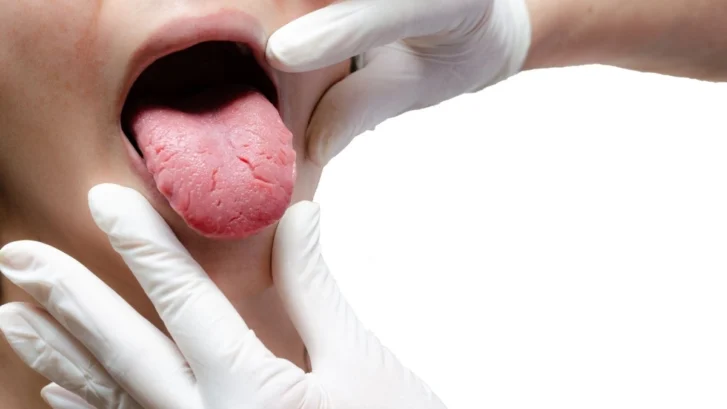
The lateral edges of the tongue — the sides — are in constant contact with the teeth, dental appliances, and food. They bend and flex with every chew, swallow, and spoken word.
This constant movement and contact makes the sides far more prone to irritation, cuts, and swelling than other parts of the tongue. Even a minor aggravation from a slightly rough molar or a crunchy chip can leave the side tender and swollen for days.
Understanding the anatomy helps explain why symptoms concentrate there rather than elsewhere on the tongue.
What Does a Swollen and Sore Tongue on the Sides Look Like
The appearance varies depending on the cause, but common visual signs include redness or pinkish-red discoloration along the edges, visible ulcers or white/yellow patches, a puffy or enlarged appearance where the tongue presses against the teeth, and scalloped or wavy indentations along the sides from repeated contact with tooth edges.
Some people also notice a burning or stinging sensation even when the tongue is at rest. Others only feel pain when eating, drinking, or speaking.
13 Causes of a Swollen and Sore Tongue on the Sides
1. Accidental Biting and Physical Trauma
Accidentally biting the side of the tongue while chewing or talking is the most common cause of sudden, localized soreness. It creates a small wound or bruise that swells within minutes and remains tender for several days.
Sharp-edged foods like chips, crackers, hard toast, and crusty bread can also scratch and irritate the delicate lateral tissue. The wound may appear red, slightly raised, or have a whitish coating as it begins to heal.
Healing time: 3 to 7 days with basic care.
2. Canker Sores (Aphthous Ulcers)
Canker sores are small, round ulcers that appear as white or yellow lesions with a distinct red border. They develop on the soft tissue inside the mouth, and the sides of the tongue are one of their most common locations.
They are not contagious and are not caused by any virus. Typical triggers include emotional stress, hormonal changes, dietary deficiencies, acidic or spicy foods, and minor mouth injuries. Most heal on their own within 7 to 14 days.
Key appearance: Round or oval white/yellow ulcer with a red border.
3. Allergic Reactions and Angioedema
Allergies are among the most well-known causes of a swollen tongue on the sides. When the immune system reacts to a food allergen — shellfish, peanuts, tree nuts, strawberries, dairy — or a medication like aspirin or an antibiotic, it triggers inflammation that can cause rapid swelling of the tongue tissue.
Angioedema is a deeper form of allergic swelling that affects the tissues beneath the tongue’s surface. It can develop rapidly and, in severe cases, becomes a medical emergency if it restricts breathing. Any sudden swelling alongside difficulty breathing, hives, or throat tightening needs emergency care immediately.
Key sign: Swelling appears quickly after eating or taking medication.
4. Oral Thrush (Fungal Infection)
Oral thrush is caused by an overgrowth of Candida albicans yeast. It creates raised, creamy white or pale yellow patches on the tongue, including along the sides. Underneath these patches, the tissue is typically red, inflamed, and sore.
It is more common in people with weakened immune systems, those on antibiotics, people with diabetes, and those who use inhaled corticosteroids. Prescription antifungal medications like fluconazole or clotrimazole clear it effectively.
Key sign: White, curd-like patches that reveal red tissue underneath when wiped.
5. Canker Sores vs. Cold Sores — Know the Difference
These two conditions are frequently confused but have entirely different causes and behaviors.
| Feature | Canker Sore | Cold Sore |
|---|---|---|
| Cause | Non-viral (stress, diet, injury) | Herpes Simplex Virus (HSV-1) |
| Contagious | No | Yes |
| Location | Inside mouth, sides of tongue | Lips, occasionally hard palate |
| Appearance | White/yellow with red border | Fluid-filled blister cluster |
| Healing time | 7–14 days | 7–10 days |
| Triggers | Stress, acidic food, hormones | Stress, fatigue, sun exposure |
6. Geographic Tongue (Benign Migratory Glossitis)
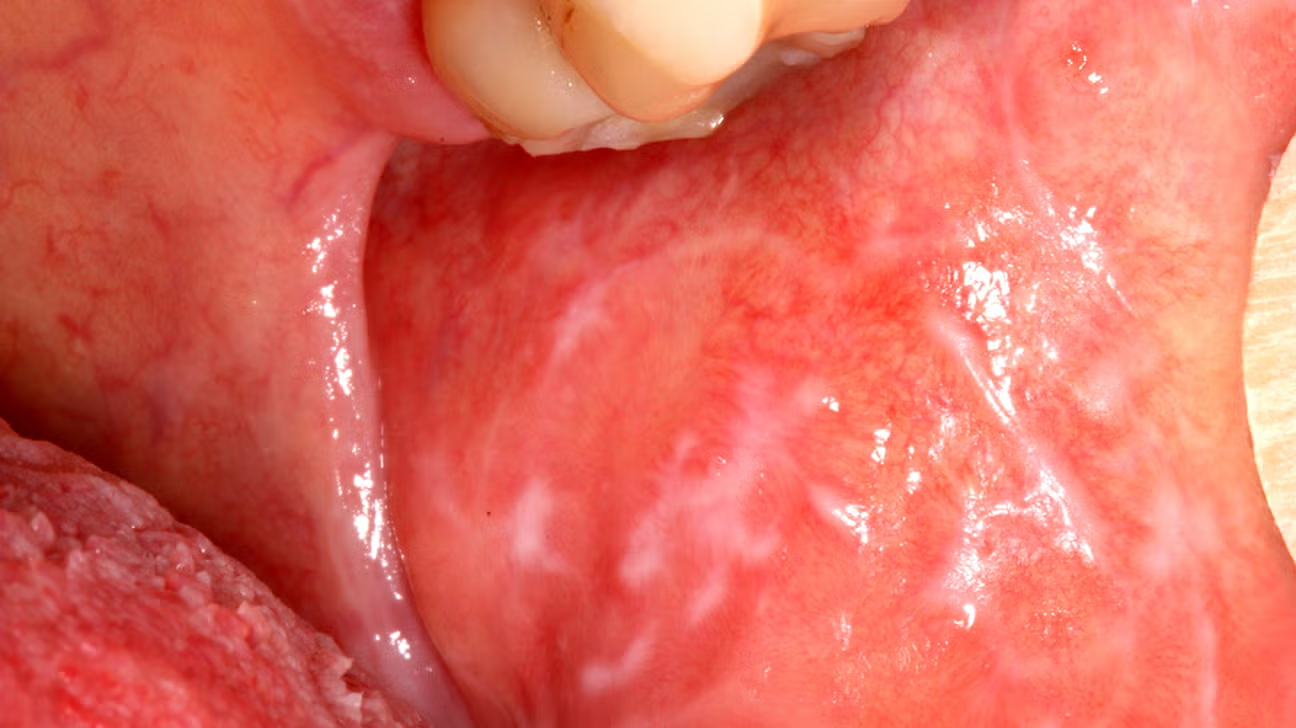
Geographic tongue is a harmless but often alarming condition where irregular patches of smooth, reddened tissue appear on the tongue’s surface and sides. These patches are formed where the small bumps (papillae) have temporarily disappeared.
The patches shift and move over time, giving the tongue a map-like appearance. The exact cause is unknown, but links to stress, vitamin deficiencies, and psoriasis have been observed. There is no cure, but it is entirely benign and not contagious.
Key sign: Irregularly shaped smooth red patches with white borders that change location over days.
7. Vitamin and Nutritional Deficiencies (Glossitis)
Deficiencies in key nutrients are a very common and frequently overlooked cause of tongue swelling and soreness. The medical term for tongue inflammation from nutritional causes is glossitis.
The most commonly linked deficiencies include vitamin B12, iron, folic acid (B9), zinc, niacin (B3), and riboflavin (B2). Glossitis from these deficiencies typically presents as a smooth, swollen, red, and sore tongue — often shiny in appearance because the papillae have flattened or disappeared.
Pernicious anemia — an autoimmune condition causing vitamin B12 deficiency — is one of the most frequent causes of this type of tongue soreness and is estimated to cause glossitis in up to 25% of affected individuals.
Key sign: Smooth, shiny, red, or pale swollen tongue with no visible ulcers.
| Deficiency | Effect on Tongue |
|---|---|
| Vitamin B12 | Smooth, red, sore tongue (glossitis); common in pernicious anemia |
| Iron | Pale, smooth tongue; tenderness and burning |
| Folic Acid (B9) | Tongue soreness, ulcers, swelling |
| Zinc | Impaired healing, recurring mouth sores |
| Niacin (B3) | Tongue swelling and redness (pellagra-related) |
| Riboflavin (B2) | Inflamed tongue edges, cracking at corners of mouth |
8. Dental Appliances and Teeth Irritation
Braces, retainers, dentures, mouthguards, and even a single chipped tooth or rough dental filling can create repeated friction against the sides of the tongue. Over time this causes soreness, swelling, and sometimes ulcers at the exact contact point.
This type of irritation is highly predictable — the sore will always appear on the same spot, at the same edge, consistent with whatever surface is rubbing against it. Adjusting or replacing the appliance eliminates the problem.
Key sign: Persistent sore at one specific point that aligns with a dental appliance or sharp tooth edge.
9. Scalloped Tongue
A scalloped tongue — also called a crenated or pie-crust tongue — appears when the tongue swells and presses against the teeth repeatedly, leaving wavy indentations or ridges along the sides. It is not painful on its own but often signals an underlying issue.
Common underlying causes include hypothyroidism (underactive thyroid), sleep apnea, chronic dehydration, vitamin deficiencies, and temporomandibular joint (TMJ) dysfunction. The scalloping itself is harmless but serves as a useful diagnostic clue.
Key sign: Wavy, ridged, or indented edges along the sides of the tongue.
10. Burning Mouth Syndrome
Burning mouth syndrome causes a persistent burning, scalding, or tingling sensation — often concentrated on the sides and tip of the tongue — with no visible cause. The tissue looks completely normal despite feeling extremely sore.
It is more common in postmenopausal women and people with low B12 levels, dry mouth, or anxiety disorders. Because it looks normal to the naked eye, it is often dismissed or misdiagnosed. A dentist or doctor can run tests to identify the underlying trigger.
Key sign: Chronic burning or soreness with no visible sores, blisters, or redness.
11. Oral Lichen Planus
Oral lichen planus is a chronic inflammatory condition that affects the mucous membranes inside the mouth, including the sides of the tongue. It appears as white lacy patches, red inflamed areas, or open sores that cause significant discomfort.
It is thought to be an autoimmune response and is more common in middle-aged adults. It can flare and remit. Severe cases are managed with corticosteroid gels or immunosuppressive treatment. It should be monitored by a dentist because it carries a small but real risk of malignant transformation over time.
Key sign: Lacy white lines or streaks alongside painful red or ulcerated areas.
12. Infections — Bacterial, Viral, and Fungal
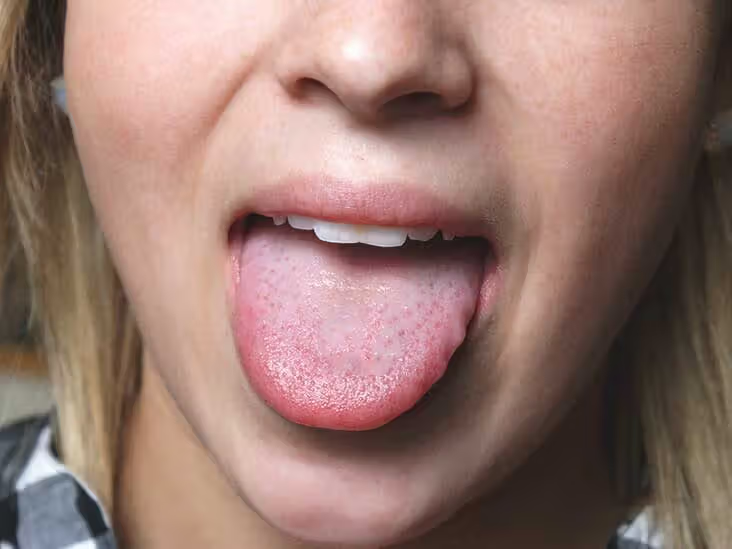
Bacterial infections can enter the tongue through a piercing, a cut, or after dental procedures and cause swelling, pain, redness, and sometimes pus. Viral infections including herpes simplex (cold sores), hand-foot-and-mouth disease, and mononucleosis can cause painful blisters or ulcers on the tongue sides.
Sexually transmitted infections including syphilis, gonorrhea, and oral HPV can also present with tongue sores. Any infection that does not improve within 10 days with basic oral care needs professional evaluation and likely a prescription.
Key sign: Swelling accompanied by fever, chills, pus, or a bad taste.
13. Oral Cancer
In rare cases, a persistent sore or lump on the side of the tongue that does not heal within two weeks may indicate oral cancer. Oral cancer on the tongue is most common on the lateral edges and the underside.
Risk factors include heavy tobacco use, excessive alcohol consumption, chronic HPV infection, and prolonged irritation from sharp dental edges. A painless sore that does not heal, a thickened patch, or unexplained numbness are red flags that require immediate evaluation.
Key sign: Non-healing sore lasting more than 2 weeks, especially in someone who smokes or drinks heavily.
Symptoms to Help Identify the Cause
| Symptom Pattern | Most Likely Cause |
|---|---|
| Sudden swelling after eating | Allergic reaction or angioedema |
| White/yellow ulcer with red border | Canker sore |
| White curd-like patches | Oral thrush |
| Moving reddish patches | Geographic tongue |
| Smooth, shiny red tongue | Vitamin B12 or iron deficiency |
| Burning with no visible sore | Burning mouth syndrome |
| Wavy ridges on the sides | Scalloped tongue |
| Sore at same spot every time | Dental appliance irritation |
| Lacy white lines + ulcers | Oral lichen planus |
| Sore not healing after 2 weeks | Requires urgent evaluation |
Best Remedies for a Swollen and Sore Tongue on the Sides
Saltwater Rinse
A warm saltwater rinse is the most effective and widely recommended home remedy for a sore, swollen tongue. Mix ½ teaspoon of salt in 1 cup of warm water. Swish gently for 30 seconds and spit. Repeat 2 to 3 times daily, especially after meals. Salt has natural antibacterial and anti-inflammatory properties that reduce swelling and keep the area clean as it heals.
Ice Chips or Cold Water
Sucking on ice chips or sipping cold water reduces swelling by constricting blood vessels and numbing the irritated tissue. This is especially useful immediately after a bite injury or burn. Do not apply ice directly to the tissue for extended periods — brief cooling is sufficient.
Aloe Vera Gel
Aloe vera has well-documented anti-inflammatory and soothing properties. Applying food-grade aloe vera gel directly to the sore area, or rinsing with aloe vera juice 2 to 3 times per day, can reduce swelling and speed up tissue repair. It is particularly helpful for canker sores and minor burns.
Honey
Raw honey has natural antibacterial and wound-healing properties. Applying a small amount of honey directly to the sore area provides a protective coating, reduces bacterial activity, and soothes pain. Manuka honey is especially effective due to its higher antibacterial potency.
Baking Soda Rinse
Mix 1 teaspoon of baking soda in half a cup of warm water. Rinse gently for 30 seconds and spit. Baking soda neutralizes acids in the mouth, reduces bacterial activity, and helps canker sores heal faster. It is also gentle enough to use daily.
Topical OTC Oral Gels
Over-the-counter oral numbing gels containing benzocaine — such as Orajel — can be applied directly to the sore area for fast, temporary pain relief. These are particularly useful before meals when chewing aggravates the sore. Antimicrobial mouthwash without alcohol also helps keep the area infection-free.
Avoid Irritants
Stop consuming spicy, salty, acidic, very hot, or crunchy foods until the tongue heals. All of these directly irritate the raw tissue and delay recovery. Alcohol and tobacco should also be avoided — both impair healing and increase inflammation. Switching to alcohol-free mouthwash during recovery prevents stinging and drying.
Yogurt and Probiotics
Plain, unsweetened yogurt helps restore healthy bacterial balance in the mouth, which is especially useful when oral thrush is a factor. The probiotics in yogurt compete with Candida yeast and reduce overgrowth. One cup of yogurt per day during recovery is a simple and effective dietary addition.
Vitamin Supplements
If a nutritional deficiency is causing your tongue soreness, correcting it is the direct fix. Iron supplements, vitamin B12 (oral or injection), folic acid, and zinc supplements are all readily available. A blood test will confirm which levels are low and what dose is appropriate. Most people see tongue improvement within 2 to 4 weeks of starting supplementation.
| Remedy | Best For | How to Use |
|---|---|---|
| Saltwater rinse | All causes, general care | ½ tsp salt in 1 cup warm water, 2–3x/day |
| Ice chips | Trauma, burns, bites | Suck slowly for brief relief |
| Aloe vera gel | Canker sores, inflammation | Apply directly 2–3x/day |
| Honey | Bacterial irritation, minor wounds | Dab directly on sore |
| Baking soda rinse | Canker sores, acidic environment | 1 tsp in ½ cup warm water |
| OTC benzocaine gel | Pain before meals | Apply per package instructions |
| Vitamin supplements | Nutritional deficiency glossitis | B12, iron, folate as confirmed by blood test |
| Plain yogurt | Oral thrush, bacterial imbalance | 1 cup daily |
| Antihistamines | Allergic reaction swelling | As directed; see doctor for severe reactions |
| Antifungal medication | Oral thrush | Prescription from dentist or doctor |
Foods to Eat and Foods to Avoid
Foods That Help Healing
Soft, cool, and nutrient-rich foods support healing and do not irritate the raw tissue.
Good choices include plain yogurt, oatmeal cooled to lukewarm, mashed potatoes, scrambled eggs, smoothies, bananas, avocado, soft cooked vegetables, and cooled herbal teas like chamomile. These are easy to eat, do not aggravate soreness, and many provide the B vitamins and iron that support tissue repair.
Foods That Make It Worse
Avoid spicy curries, hot sauce, citrus fruits, tomatoes, vinegar-based dressings, chips, crackers, hard bread, pretzels, soda, alcohol, and tobacco. All of these directly inflame, scratch, or chemically irritate the tender tissue on the tongue’s sides.
Medical Treatments by Cause
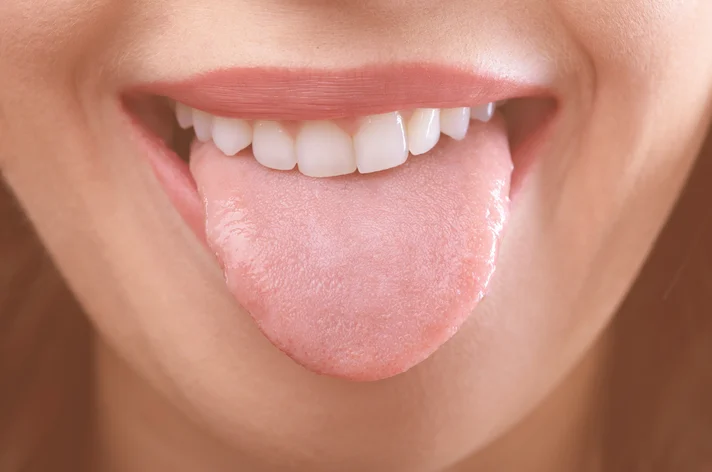
Some causes require prescription treatment that home remedies cannot replace.
| Cause | Medical Treatment |
|---|---|
| Oral thrush | Antifungal: fluconazole (Diflucan) or clotrimazole |
| Bacterial infection | Antibiotics (type depends on bacteria) |
| Viral cold sore | Antiviral: acyclovir or valacyclovir |
| Severe allergic reaction | Antihistamines, corticosteroids, EpiPen if severe |
| Vitamin B12 deficiency | Oral B12 supplements or IM injections |
| Iron deficiency | Iron supplements (ferrous sulfate) |
| Oral lichen planus | Corticosteroid gel or immunosuppressants |
| Burning mouth syndrome | Identify and treat underlying trigger |
| Dental appliance irritation | Dentist adjusts or replaces appliance |
| Oral cancer (suspected) | Biopsy, oncology referral |
When to See a Doctor or Dentist
Most minor causes heal on their own within 7 to 14 days with home care. But certain symptoms require professional evaluation without delay.
See a dentist or doctor if:
- The sore does not improve after 10 to 14 days
- Pain is getting worse rather than better
- A visible lump, thickened patch, or growth is present
- White patches do not wipe off easily (possible thrush)
- Swelling came on suddenly, especially after eating or a new medication
- Swelling makes it difficult to swallow, speak, or breathe — seek emergency care immediately
- You have recurring sores more than 3 times per year
- The sore is accompanied by fever, chills, or swollen lymph nodes in the neck
- You have a history of smoking or heavy alcohol use and notice a non-healing sore
Healing Timeline at a Glance
| Condition | Typical Healing Time | Needs Professional Care? |
|---|---|---|
| Bite or minor trauma | 3–7 days | No (unless infected) |
| Canker sore | 7–14 days | No (unless recurring or large) |
| Cold sore | 7–10 days | Antivirals can shorten duration |
| Allergic swelling | Hours to days | Yes — antihistamines minimum |
| Severe angioedema | Emergency | Yes — immediate medical care |
| Oral thrush | 7–14 days with antifungal | Yes — prescription needed |
| Vitamin deficiency glossitis | 2–4 weeks with supplements | Yes — blood test to confirm |
| Geographic tongue | Comes and goes (chronic) | No — but dentist should monitor |
| Dental appliance irritation | Days after adjustment | Yes — dentist adjusts appliance |
| Oral lichen planus | Chronic — flares and remits | Yes — ongoing dental management |
| Suspected oral cancer | Does not self-resolve | Yes — urgent biopsy referral |
How to Prevent Tongue Soreness on the Sides
Preventing recurrence is as important as treating the current episode.
Eat slowly and chew carefully to reduce accidental biting. Get regular dental checkups so rough fillings, sharp teeth, or ill-fitting appliances are caught early. Take a daily multivitamin that includes B12, iron, and folate if your diet is restricted. Stay well hydrated — dry mouth increases friction and tissue breakdown. Avoid sodium lauryl sulfate (SLS) in toothpastes if you experience recurring canker sores, as SLS is a known trigger for some people. Manage stress through regular exercise, sleep, and mindfulness, since stress is a leading canker sore trigger.
Frequently Asked Questions (FAQs)
Why is my tongue swollen and sore on the sides?
The most common causes are accidental biting, canker sores, allergic reactions, dental appliance irritation, or nutritional deficiencies like low B12 or iron. Most cases resolve on their own within 7 to 14 days with basic home care.
How long does a swollen sore tongue on the sides last?
Minor bites and canker sores heal within 7 to 14 days. Infections and deficiencies improve with the right treatment in 1 to 4 weeks. Any sore lasting more than 14 days needs professional evaluation.
Can vitamin deficiency cause my tongue to swell and hurt on the sides?
Yes. Deficiencies in vitamin B12, iron, folic acid, and zinc all cause glossitis — an inflammation of the tongue that makes it swollen, smooth, red, and sore, especially along the sides and tip.
Is a swollen tongue on one side serious?
It can be. One-sided swelling is often from local trauma, a canker sore, or dental irritation — all minor. But if the swelling persists beyond 7 to 10 days or includes a hard lump that does not move, it needs a professional evaluation to rule out serious conditions.
What is the fastest way to relieve tongue soreness on the sides?
A warm saltwater rinse 2 to 3 times daily combined with OTC benzocaine oral gel applied directly to the sore provides the fastest relief. Avoiding spicy, acidic, and crunchy foods also prevents further irritation while the tissue heals.
Can stress cause tongue swelling and soreness?
Yes. Stress weakens immune defenses and is one of the most common triggers for canker sores. It can also cause you to unconsciously clench or bite your tongue during sleep, creating soreness and swelling on the sides.
What does oral thrush look like on the tongue sides?
Oral thrush appears as raised, creamy white patches that may look like cottage cheese. When wiped gently, they leave a red, raw, and sore surface underneath. It often causes a burning sensation and a change in taste and requires antifungal medication to clear.
Should I see a dentist or a doctor for a swollen sore tongue?
If the cause seems dental — a rough tooth, appliance, or visible ulcer — start with a dentist. If you have fever, swollen lymph nodes, sudden swelling after eating, or a sore that has not healed in two weeks, see a doctor or visit urgent care immediately.
Can dry mouth cause the sides of my tongue to become sore?
Yes. Without adequate saliva, the tongue’s surface loses its natural protection, increasing friction against the teeth and causing soreness and breakdown along the sides. Staying well hydrated and addressing the cause of dry mouth reduces this significantly.
Can a swollen tongue on the sides be a sign of oral cancer?
In rare cases, yes. A non-healing sore, unexplained lump, thickened patch, or persistent pain lasting more than two weeks — especially in someone who smokes or drinks heavily — should be evaluated by a dentist or doctor promptly for a biopsy.
Conclusion
Why is my tongue swollen and sore on the sides is a question with many possible answers, and thankfully most of them are straightforward to treat.
Whether the cause is as simple as a bite injury or as nuanced as a vitamin B12 deficiency, knowing what to look for puts you in a much stronger position to respond correctly.
For the majority of people, basic home remedies — saltwater rinses, avoiding irritants, staying hydrated, and using OTC numbing gels — will resolve the discomfort within one to two weeks.
The important rule to remember is this: if the sore does not improve after 14 days, or if it comes with swelling, fever, white patches, lumps, or any difficulty swallowing and breathing, do not wait it out.
Visit a dentist or doctor for a proper diagnosis. Early evaluation is quick, often reassuring, and always far better than letting an avoidable condition progress.
Take care of your tongue — it works hard for you every single day.
