

Why do I keep biting my cheek is a question more people ask than you might think.
That sharp, sudden pain when your teeth clamp down on the soft tissue inside your mouth is instantly recognizable.
For some people it happens once in a while and they move on. For others it becomes a daily cycle that causes real pain, swelling, and frustration.
Whether your cheek biting started suddenly or has been creeping up over time, there is always a reason behind it.
What Is Cheek Biting?
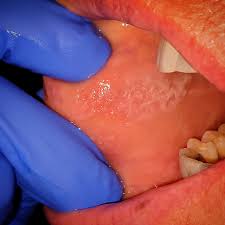
Cheek biting refers to accidentally or habitually biting the soft tissue lining the inside of your mouth, known as the buccal mucosa. When it happens once, it is simply an accident. When it keeps happening, it becomes a pattern worth paying attention to.
The medical term for chronic cheek biting is morsicatio buccarum. It describes repeated trauma to the inner cheek lining caused by habitual or subconscious biting. The condition sits at the crossroads of dental, behavioral, and psychological health.
Estimates from a 2013 review suggest approximately 750 out of every million people experience chronic cheek biting. Many more experience it occasionally without realizing there is an identifiable cause.
The Different Types of Cheek Biting
Not all cheek biting is the same. Understanding the type you are experiencing helps point to the right cause and solution.
| Type | Description | Most Likely Cause |
|---|---|---|
| Periodic accidental | Happens occasionally, hurts, heals quickly | Distraction, eating too fast |
| Regular accidental | Happens often during meals or speech | Dental misalignment, bite issues |
| Sleep-related | Cheek sore in the morning with no memory of biting | Bruxism, sleep teeth grinding |
| Habitual (semi-conscious) | You notice yourself doing it but cannot easily stop | Stress, boredom, concentration |
| BFRB (compulsive) | Continues despite injury, pain, and desire to stop | Anxiety, OCD-related disorder |
Knowing your type helps both your dentist and any mental health provider give you the right support.
Why Do I Keep Biting My Cheek? 11 Most Common Causes
There is always an underlying reason. Here are the most frequent causes ranked from structural to behavioral.
Dental Misalignment (Malocclusion)
When your upper and lower teeth do not meet properly, the inside of your cheek can get caught in the bite path. This is called malocclusion, and it is one of the most common structural causes of repeated cheek biting.
Misaligned molars, premolars, or overcrowded teeth create uneven pressure when you chew or speak. The soft tissue of the cheek gets pulled into the gap and bitten.
A dentist or orthodontist can assess your bite and recommend braces, aligners, or other corrections to bring your teeth back into proper alignment.
Wisdom Teeth Coming In or Shifting
Emerging wisdom teeth push against neighboring teeth and change the spatial relationship inside your mouth. This shift in tooth position can suddenly bring the inner cheek tissue into contact with teeth that were not previously a problem.
The discomfort of a growing wisdom tooth can also trigger the habit of pressing or biting the area as a form of relief. This creates a cycle that is hard to break until the tooth is fully erupted or removed.
If your cheek biting started suddenly and you are between the ages of 17 and 25, wisdom teeth are one of the first things your dentist will check.
Bruxism (Teeth Grinding and Clenching)
Bruxism is the habitual grinding or clenching of teeth, often during sleep. It changes how the teeth come together and places the inner cheek in an exposed position during this excessive jaw activity.
Many people with bruxism wake up with a sore or raw cheek without remembering any biting. The jaw muscles can be so active during sleep that biting the cheek happens repeatedly through the night.
A custom night guard from a dentist creates a physical barrier between the teeth and the cheek tissue, breaking the contact cycle while you sleep.
Swollen or Irritated Cheek Tissue
Once you bite your cheek once, the tissue swells. That raised, inflamed bump now sits closer to your teeth than the healthy tissue did. This makes re-biting the same spot almost inevitable.
The tongue is also drawn to the rough, damaged patch, which encourages unconscious chewing and further aggravates the area. Repetitive trauma to the buccal mucosa causes excess keratin production, thickening the tissue and creating a white, shredded appearance.
This is why one accidental bite can quickly spiral into a week or more of repeated biting in the exact same spot. The tissue needs time to heal, and protecting it is the only way to break the cycle.
Stress and Anxiety
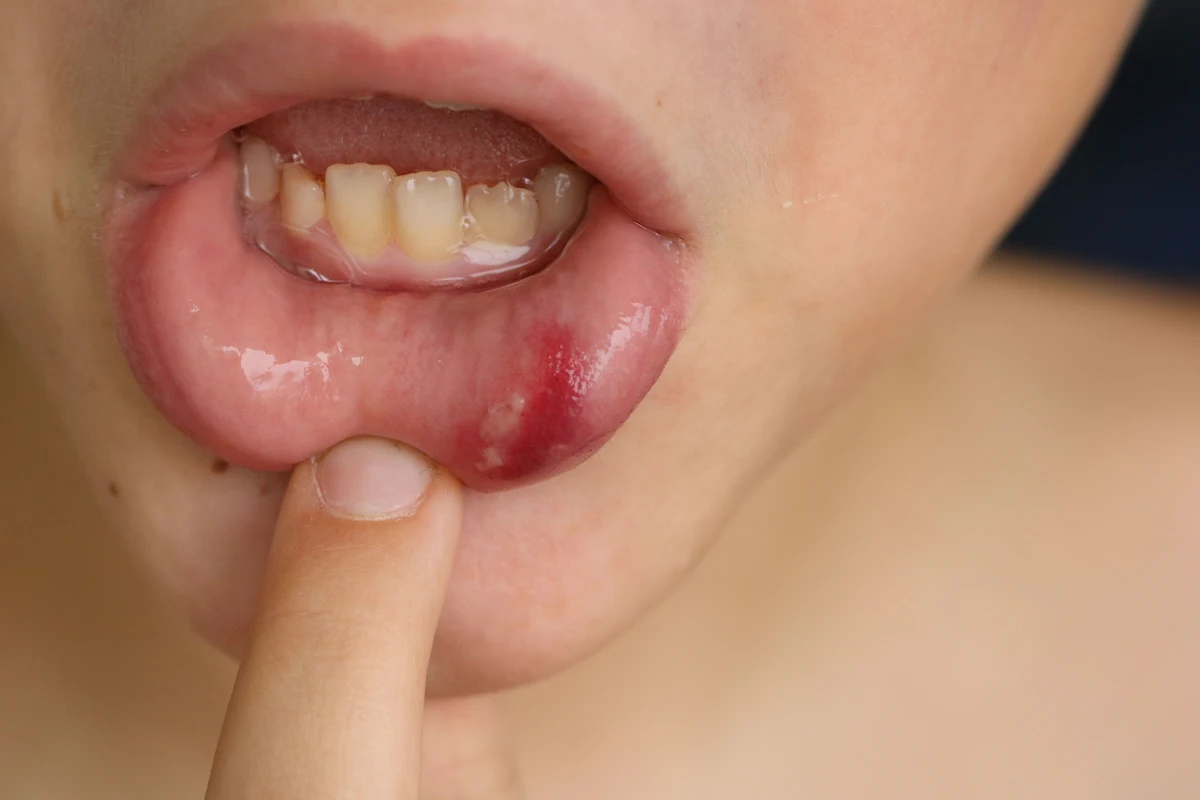
Stress is one of the most significant drivers of cheek biting. When the nervous system is in a heightened state, many people clench their jaw, brace their teeth, or unconsciously chew the inner cheek as a physical outlet for tension.
This happens both consciously and unconsciously. Some people notice themselves doing it during a difficult meeting or while feeling overwhelmed. Others only discover the habit when they feel the resulting soreness afterward.
A 2019 study found an association between cheek biting and individuals experiencing depression and anxiety. Managing the mental health trigger is as important as any dental solution.
Body-Focused Repetitive Behavior (BFRB)
Chronic compulsive cheek biting is classified as a body-focused repetitive behavior, or BFRB. The Diagnostic and Statistical Manual of Mental Disorders (DSM-5) places this under obsessive-compulsive and related disorders.
BFRBs are repetitive behaviors directed at the body, like nail biting, skin picking, or hair pulling. The person continues the behavior despite pain, injury, and genuine efforts to stop. Many cheek biters do not even realize they are doing it.
The key distinction between a nervous habit and a BFRB is control. If you can easily stop with mild self-awareness, it is a habit. If stopping feels genuinely difficult or impossible, professional support is the right step.
Concentration and Boredom
Many people bite their cheek unconsciously while deeply focused on a screen, a book, or a task. When attention is absorbed elsewhere, jaw awareness drops and the mouth is left to act on its own.
The same pattern happens with boredom. Without stimulation, some people turn to repetitive oral behaviors to fill the sensory gap. Chewing the inside of the cheek provides a sensation that the brain registers as input.
This type of biting is semi-conscious, meaning it is happening just below the level of active awareness. Building mindfulness around jaw position during work or downtime can help interrupt this pattern.
Poorly Fitted Dental Appliances
Braces, retainers, dentures, crowns, or fillings that are not correctly fitted can shift tooth position or create sharp edges that catch the cheek. Even a small change in how teeth come together can create a new bite pathway.
A new crown or filling that sits even slightly higher than the surrounding teeth changes the pressure dynamics of every bite. This forces the cheek tissue to compensate, leading to repeated biting in that area.
If your cheek biting started immediately after dental work, contact your dentist. A simple adjustment to the restoration can often solve the problem quickly.
TMJ Disorder (Temporomandibular Joint Dysfunction)
The temporomandibular joint connects the jaw to the skull and controls all jaw movement. When this joint is inflamed, misaligned, or dysfunctional, it affects the mechanics of every bite, chew, and spoken word.
TMJ disorder can cause the jaw to move slightly off-center during chewing, increasing the likelihood of the cheek getting caught between the back teeth. The associated muscle tension around the jaw also contributes to habitual clenching.
Symptoms of TMJ disorder include jaw clicking or popping, facial pain, headaches, and difficulty fully opening or closing the mouth. A dentist or oral physician can diagnose this and recommend a treatment plan.
Eating Too Fast or While Distracted
One of the most straightforward causes of cheek biting is simply eating too quickly or paying attention to something else while chewing. The coordination between jaw movement and tongue and cheek positioning breaks down when it is not guided by any conscious awareness.
Talking while eating is another common trigger. The jaw switches between chewing and speech movements, and the inner cheek can get caught during this transition.
Slowing down at mealtimes, cutting food into smaller pieces, and avoiding screens while eating are practical habits that reduce accidental biting significantly.
Autism Spectrum Disorder and Stimming
Stimming refers to self-stimulatory repetitive behaviors that help regulate sensory input or emotional states. It is most commonly discussed in the context of autism spectrum disorder but can appear in neurotypical individuals too.
Cheek biting as stimming provides consistent tactile and proprioceptive input that the person finds regulating or calming. Unlike BFRB-driven cheek biting, stimming is not typically driven by anxiety or distress but by a need for sensory input.
If cheek biting is functioning as stimming, a behavioral therapist or occupational therapist with sensory processing expertise can help identify safer sensory alternatives.
What Does Chronic Cheek Biting Look Like Inside the Mouth?
The inner cheek of a chronic biter looks distinctly different from healthy tissue. Knowing what to look for helps you understand the level of damage and whether you need to see a professional.
Repeated biting of the buccal mucosa causes the tissue to develop these visible changes:
White or grayish patches on the inner cheek that look shredded or frayed. This is thickened keratin produced by the tissue as a protective response to ongoing trauma.
Raised, rough ridges along the bite line where the upper and lower back teeth meet. These ridges are fibrous tissue that has hardened from repeated injury.
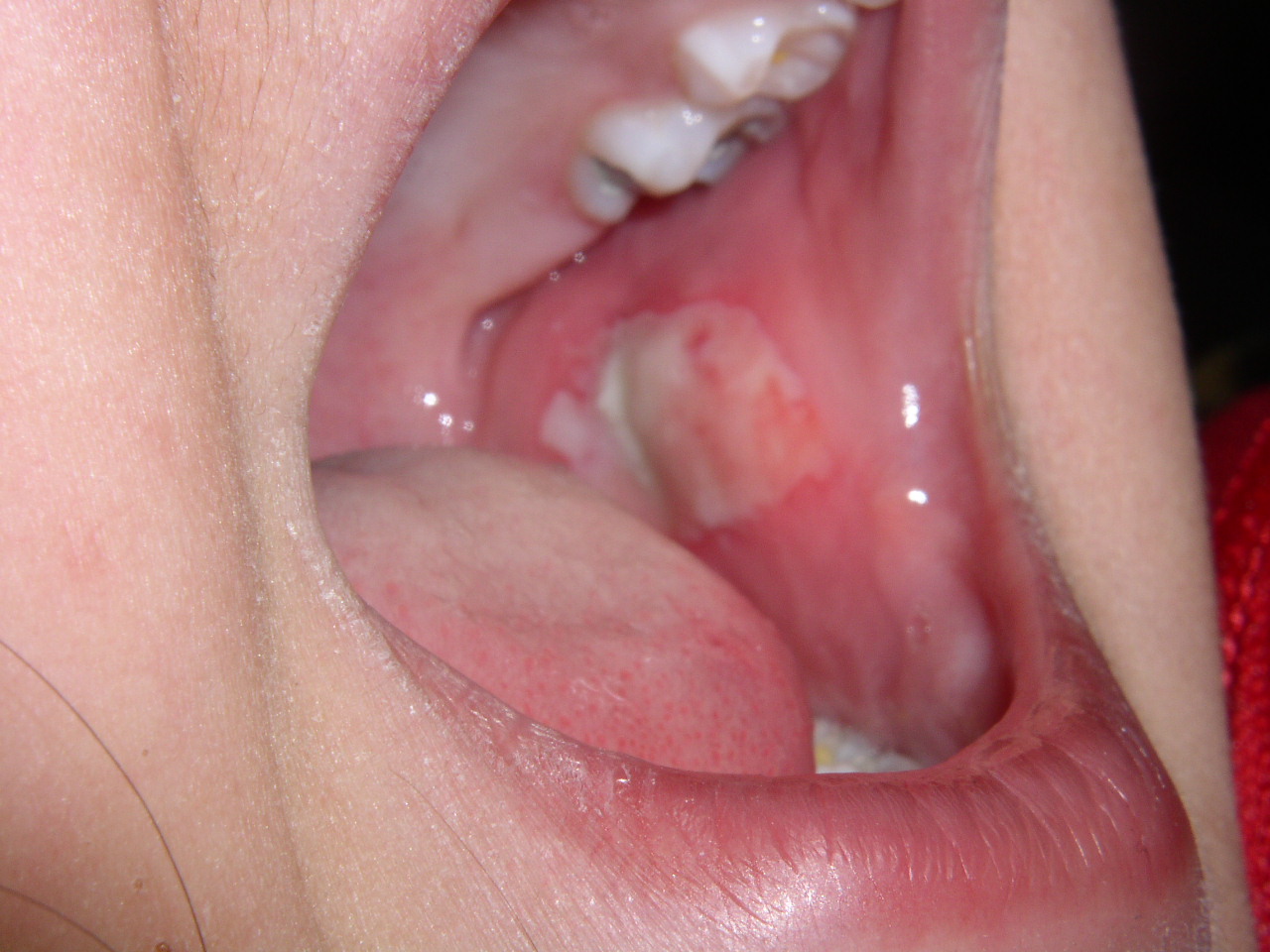
Canker sores and ulcers that appear at the site of bites. These are small, painful, round lesions that develop when tissue is broken repeatedly.
Redness and raw areas where the surface layer of the mucosa has been worn away. These patches can bleed when bitten again and are sensitive to spicy or acidic foods.
Can Cheek Biting Lead to Serious Health Problems?
For most people, cheek biting causes discomfort and cosmetic changes inside the mouth but not serious medical harm. However, the complications from chronic biting are worth knowing about.
Canker sores and mouth ulcers are the most common complication. These are painful and can make eating, drinking, and speaking uncomfortable for days.
Oral infections can develop if bacteria enter broken or open tissue. Signs of infection include increasing pain, swelling, warmth, or discharge from a sore.
Scarring inside the mouth can form over time from repeatedly damaged tissue. In some cases, this creates permanent texture changes along the inner cheek.
Psychological impact from chronic BFRB-type cheek biting includes guilt, shame, and social withdrawal. Some compulsive cheek biters go to significant lengths to hide the behavior from others, limiting their social interaction.
Oral cancer risk deserves mention with care. A 2017 study found that chronic mechanical irritation from teeth does not directly cause oral cancer. However, if cancer is already present from another cause, chronic mechanical irritation may contribute to its progression. White patches should always be evaluated by a dentist to rule out other causes.
Why Did My Cheek Biting Start All of a Sudden?
Sudden-onset cheek biting, after a long period with no issue, is usually triggered by one of a smaller number of specific causes. Here is how to think through what changed.
| Possible Trigger | What Changed |
|---|---|
| New dental work | Crown, filling, braces, retainer |
| Wisdom tooth movement | Age 17–25, jaw crowding |
| New medication | Some drugs cause dry mouth or jaw tension |
| Sudden stress increase | Life event, work pressure, relationship issue |
| New sleep position | Changed jaw mechanics during sleep |
| Weight changes | Altered facial muscle tone affecting bite |
| Jaw injury | Impact sport, fall, accident |
Walking through this checklist helps identify what is new in your life. The answer is often the trigger.
How to Stop Biting Your Cheek: Practical Strategies
There is no single fix for every type of cheek biting. The most effective approach targets the specific underlying cause. Here are strategies organized by cause type.
For Dental and Structural Causes
See a dentist for a bite assessment. If you are repeatedly biting the same area during chewing, the cause is very likely structural. Your dentist can examine how your teeth come together and identify any misalignment, sharp edges, or crowding.
Adjusting a crown or filling that sits too high is a straightforward procedure. Orthodontic treatment corrects deeper bite misalignment over several months. Wisdom tooth extraction eliminates a source of crowding and cheek pressure.
Regular checkups every six months catch developing bite issues before they become chronic problems.
Custom Night Guard for Sleep Biting
A custom-fitted night guard from your dentist creates a physical barrier between your teeth and cheek tissue during sleep. This prevents the contact that causes biting.
Over-the-counter mouth guards exist but do not fit as precisely as custom appliances. A poorly fitting guard can actually shift tissue position and cause new bite problems.
If you are waking up with a sore cheek regularly, a night guard consultation is one of the most effective steps you can take.
Habit Reversal Training (HRT)
Habit reversal training is a structured behavioral therapy approach and is considered the most effective treatment for BFRB-type cheek biting. It is delivered by a trained mental health professional.
The process involves three core steps. First, you increase awareness of exactly when and how the biting happens. Second, you identify the triggers, whether stress, boredom, concentration, or specific situations. Third, you develop a competing response, a different behavior that replaces biting when the urge arises.
Common competing responses include squeezing a stress ball, chewing sugar-free gum, sucking on a mint, drinking water, or placing a finger on your chin. The competing response occupies the same physical space as the biting urge without causing harm.
Comprehensive Behavioral Model (ComB)
The comprehensive behavioral model is a more personalized extension of habit reversal training. A therapist works with the patient to understand the specific sensory, motor, emotional, and cognitive components of their cheek biting.
Rather than applying a one-size-fits-all approach, ComB tailors interventions to the individual’s unique triggers and maintaining factors. It is especially helpful when cheek biting is deeply embedded or linked to anxiety disorders.
Both HRT and ComB are delivered by therapists with specific BFRB training. Finding a specialist matters, as general therapy without BFRB expertise tends to be less effective.
Mindful Eating Habits
For people whose cheek biting is primarily accident-driven during meals, mindful eating makes a measurable difference. Slow down, take smaller bites, and avoid screens or conversations during meals.
Chew on both sides of your mouth evenly rather than favoring one side. Avoid eating hard, crunchy, or brittle foods while you are already recovering from a bite injury.
Placing your tongue slightly away from the cheek during chewing can also help steer the bite away from soft tissue during the natural chewing cycle.
Stress and Anxiety Management
If stress or anxiety is driving your cheek biting, targeting that root cause directly is essential. No dental fix will stop a behavior that is driven by a psychological need.
Effective evidence-based approaches include mindfulness meditation, progressive muscle relaxation, deep breathing exercises, cognitive behavioral therapy (CBT), regular physical exercise, and adequate sleep.
Journaling can help identify patterns. Many cheek biters discover that the behavior spikes on specific days, in certain environments, or around particular triggers. That pattern points directly toward intervention.
Topical Oral Treatments and Home Remedies
These remedies do not fix the cause but help the bitten tissue heal faster so it is less raised and less likely to be re-bitten.
Warm saltwater rinse: Dissolve half a teaspoon of salt in a glass of warm water. Swish gently for 30 seconds, two to three times daily. This reduces bacterial load and promotes mucosal healing.
Over-the-counter oral gel: Products containing benzocaine or similar topical anesthetics numb the sore area temporarily and protect it from further irritation. Apply directly to the lesion as directed.
Honey application: Raw honey has natural antibacterial and healing properties. A small dab applied to a canker sore or ulcer can soothe the area and support tissue repair.
Antiseptic mouthwash: Use once daily to reduce bacterial buildup around open sores and reduce the risk of secondary infection.
When to See a Dentist or Doctor
Most cases of occasional cheek biting resolve on their own once the tissue heals. But several situations call for professional evaluation.
See a dentist if:
- You are biting the same spot repeatedly and cannot stop
- You notice white, rough, or thickened patches inside your cheek
- A dental procedure preceded the onset of cheek biting
- You suspect wisdom tooth crowding or bite misalignment
- You are biting your cheek during sleep
See a doctor or therapist if:
- You feel unable to control the biting despite wanting to stop
- The behavior causes guilt, shame, or social avoidance
- Cheek biting is accompanied by other BFRBs like nail biting or skin picking
- You are experiencing elevated anxiety, depression, or OCD symptoms
- The behavior significantly affects your quality of life
Early professional support produces far better outcomes than years of self-managed struggle.
Does Cheek Biting Mean You Have OCD?
Not necessarily. Cheek biting exists on a spectrum. Occasional stress-related biting is not OCD. Chronic, uncontrollable cheek biting that continues despite distress and repeated injury sits closer to OCD-related territory and is classified under the DSM-5 as an obsessive-compulsive related disorder when it meets specific criteria.
Most cheek biters fall somewhere in the middle. The behavior is driven by stress, habit, or dental factors rather than a formal psychiatric diagnosis. Evaluation by a qualified mental health professional is the only way to get a clear picture.
Cheek Biting in Children vs Adults
Children may bite their cheeks as an attention-seeking behavior, a reaction to dental changes, or as stimming. The habit often begins in late childhood and can carry into adulthood if not addressed.
In adults, cheek biting is more commonly linked to stress, professional pressure, and established nervous habits. The structural causes, including TMJ issues and misalignment, also become more significant as the bite matures and teeth shift with age.
Treatment approaches differ slightly by age group but the core principles remain the same. Dental evaluation, behavioral awareness, and stress management apply to both children and adults.
Nutrition and Cheek Biting
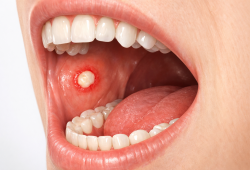
Nutrient deficiencies, particularly in B vitamins, iron, and zinc, can make oral tissue more fragile and slower to heal after biting. Canker sores associated with cheek biting may heal more slowly in people with low vitamin B12 or folate.
Ensuring adequate nutritional intake supports faster tissue repair and may reduce the frequency of sore formation. Eating a varied diet with plenty of vegetables, whole grains, and lean proteins supports overall oral mucosal health.
If you experience frequent canker sores alongside cheek biting, ask your doctor to check your B12, iron, and folate levels.
Frequently Asked Questions (FAQs)
Why do I keep biting my cheek in the same spot?
Once the cheek is bitten, tissue swells and protrudes into the bite path, making re-biting almost inevitable. The cycle continues until the tissue fully heals.
Is cheek biting a sign of anxiety?
It can be. Stress and anxiety are common triggers for habitual cheek biting, and a 2019 study linked cheek biting to depression and anxious behaviors.
Why did I suddenly start biting my cheek all of a sudden?
A new crown or filling, shifting wisdom teeth, increased stress, or a dental appliance change are the most common triggers for sudden-onset cheek biting.
Can cheek biting cause cancer?
Research shows chronic mechanical irritation alone does not cause oral cancer. However, any persistent white patch should be evaluated by a dentist to rule out other conditions.
How do I stop biting my cheek at night?
A custom-fitted night guard from your dentist physically separates your teeth from your cheek tissue during sleep and is the most effective solution.
Is cheek biting a mental health issue?
Compulsive cheek biting is classified as a body-focused repetitive behavior (BFRB) under OCD-related disorders in the DSM-5, but occasional cheek biting is not a mental health diagnosis.
How long does a bitten cheek take to heal?
A single minor bite heals within 3 to 7 days. Chronic biting that keeps re-injuring the same spot can take weeks if the underlying cause is not addressed.
Can a dentist fix my cheek biting problem?
Yes, for structural causes like malocclusion, ill-fitting restorations, or wisdom teeth. A dentist can also provide a night guard. Behavioral causes require a different approach.
What is morsicatio buccarum?
Morsicatio buccarum is the medical term for chronic cheek biting. It refers to repeated trauma to the inner cheek lining that results in thickened white patches and sores.
Does chewing gum help stop cheek biting?
Yes, sugar-free gum can serve as a competing response, giving the mouth something to do that occupies the oral urge without causing tissue damage.
Conclusion
Why do I keep biting my cheek is a question that deserves a real answer, not just reassurance that it will pass.
For some people, the cause is purely structural, a misaligned bite, a poorly fitted crown, or a wisdom tooth changing the geometry inside the mouth.
For others, stress, anxiety, or an established body-focused repetitive behavior is driving the habit from the inside out. Most cases involve a combination of both.
The good news is that every cause of cheek biting has a solution.
Dental causes respond well to professional correction.
Behavioral causes respond to habit reversal training, mindfulness, and stress management.
Sleep-related biting is managed effectively with a custom night guard.
And even the most stubborn compulsive patterns can improve with the right therapeutic support.
Do not dismiss repeated cheek biting as something you just have to live with.
See a dentist to rule out structural issues. Pay attention to when and where the biting happens.
And if the habit feels beyond your control, a trained therapist who specializes in BFRBs can make a real difference.
Take the first step in 2026 and give your cheek the chance to heal for good.
