

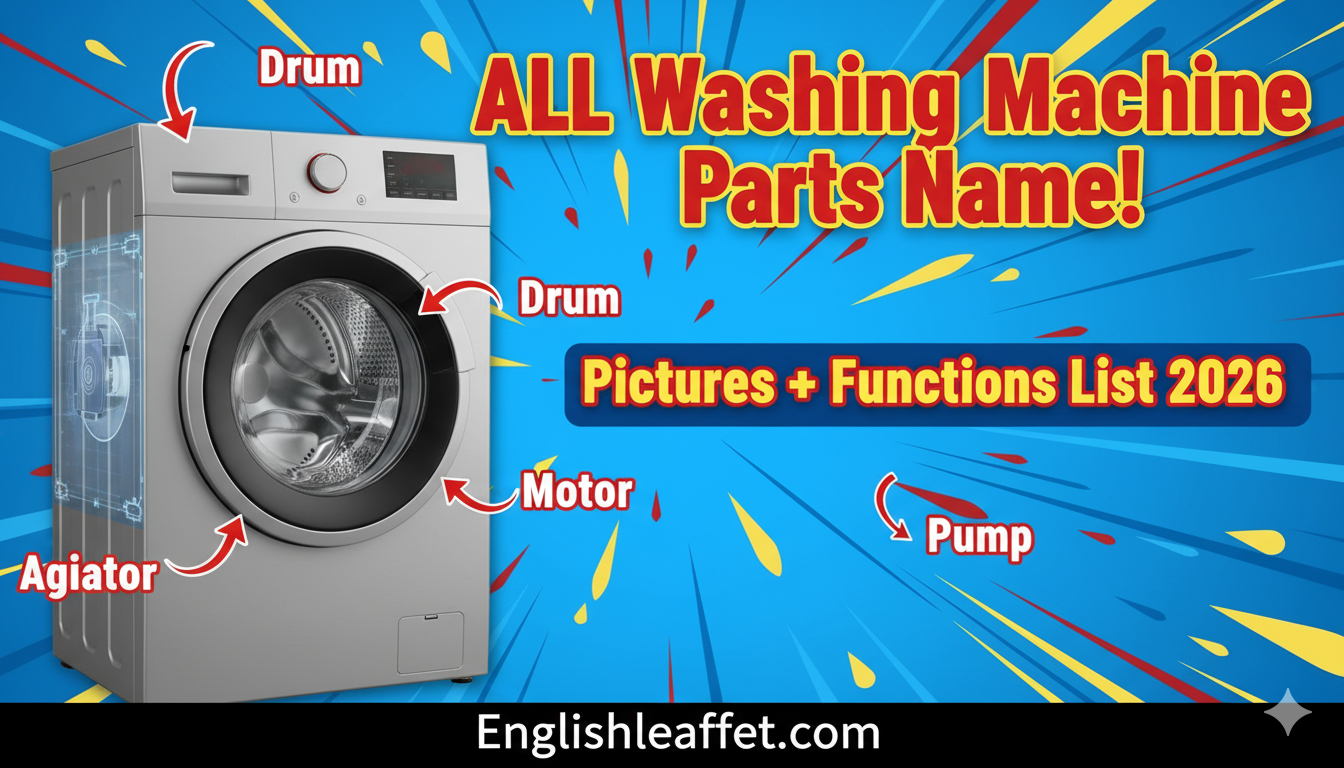
Washing machine parts name with picture is essential knowledge for every homeowner who wants to understand their appliance better.
Whether you own a front-load or top-load washer, knowing the different components and their functions helps you troubleshoot problems, perform basic maintenance, and make informed decisions about repairs or replacements.
This comprehensive guide breaks down every critical washing machine part with clear explanations and functions. From the drum that holds your clothes to the circuit board that controls operations, we’ll explore each component in detail.
Understanding these parts empowers you to identify issues quickly, communicate effectively with repair technicians, and potentially save money on unnecessary service calls.
Understanding Basic Washing Machine Parts Name with Picture
Water Pump
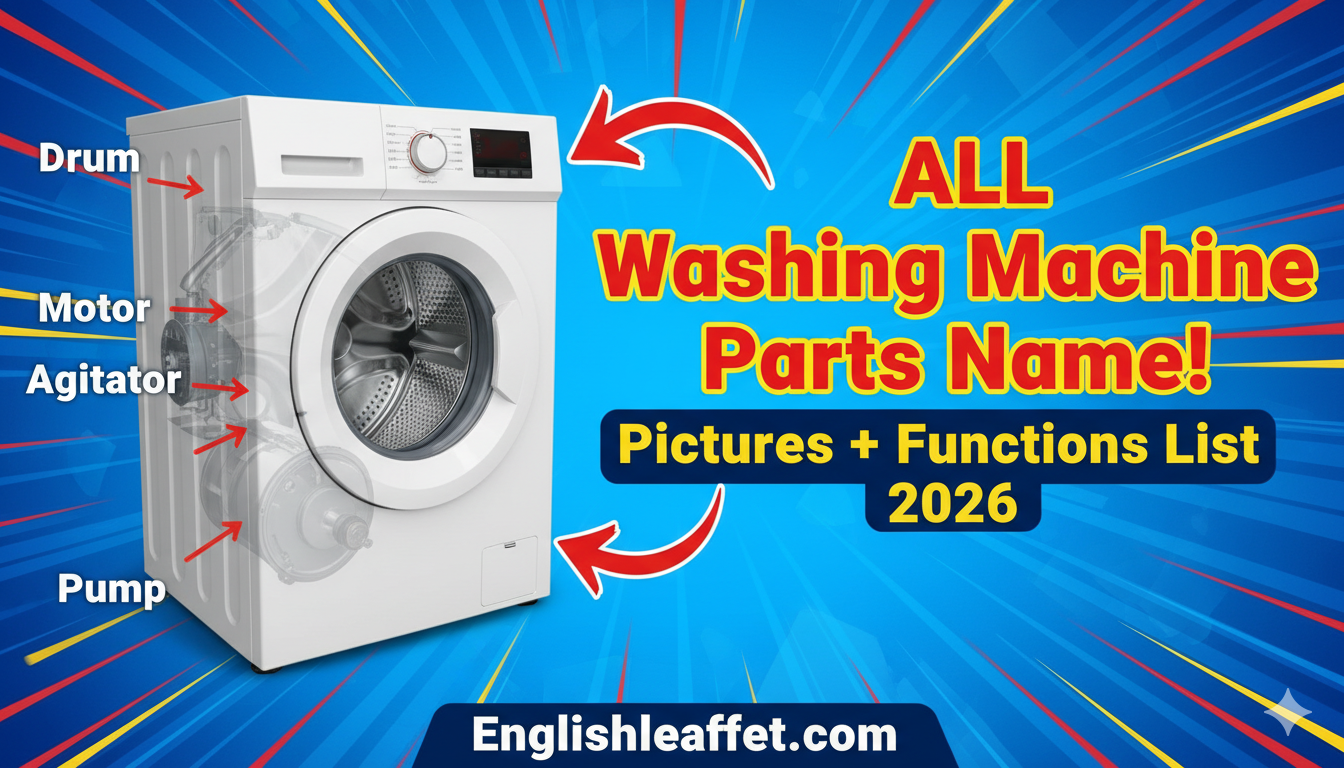
The water pump is one of the most critical washing machine parts located inside the appliance. This component serves a dual purpose in the washing cycle.
During operation, the water pump circulates water throughout the machine, ensuring proper distribution during wash and rinse cycles. After the cleaning process completes, this same pump drains all used water from the tub.
Some advanced washing machine models feature two separate pumps. One pump handles water circulation during washing, while the second pump manages drainage exclusively. This dual-pump system often provides more efficient operation and better longevity.
Drain Pipe
The drain pipe connects directly to the water pump and serves as the exit route for all used water. This component typically consists of corrugated plastic material that offers flexibility and durability.
In most washing machines, the drain pipe routes from the bottom of the appliance upward to a nearby sink or standpipe. The standard diameter ranges between 1 and 1.25 inches, which accommodates adequate water flow during drainage.
Proper installation of the drain pipe prevents backflow and ensures efficient water removal. If your washer experiences drainage issues, the drain pipe is often the first component to inspect for clogs or kinks.
Water Inlet Valve
The water inlet valve controls the flow of fresh water entering your washing machine. This electronically operated component opens and closes based on signals from the control board.
Located near the water connection point at the back of the machine, the inlet valve regulates water flow according to load size and cycle requirements. When the valve receives a signal to open, water flows into the drum at the appropriate rate.
Modern washing machines may have dual inlet valves for both hot and cold water connections. The control system determines which valve opens based on the selected wash temperature, ensuring precise water temperature control.
Water Supply Hose
Water supply hoses connect your home’s plumbing to the washing machine’s inlet valves. These flexible hoses typically come in standard lengths and feature secure connection fittings.
Most washing machines require two supply hoses: one for cold water and one for hot water. However, some energy-efficient models use only a cold water supply hose, relying on internal heating elements for warm water cycles.
Regular inspection of supply hoses prevents leaks and water damage. Manufacturers recommend replacing these hoses every five years, even if they appear undamaged, as internal deterioration can occur over time.
Drum (Inner Tub)
The drum, also called the inner tub or wash basket, is where you place your laundry. This perforated cylinder allows water to flow freely in and out during wash cycles.
In top-load washing machines, the drum is called a wash basket and sits vertically. Front-load washers have a horizontally mounted drum that tumbles clothes more gently, mimicking hand-washing techniques.
Drums are manufactured from various materials including stainless steel, porcelain-coated metal, or durable plastic. Stainless steel drums offer the longest lifespan and resist chipping, rust, and odor retention better than other materials.
Outer Tub
The outer tub surrounds and supports the inner drum while remaining stationary during operation. This component catches all water during wash cycles and prevents leakage into other parts of the machine.
Constructed from heavy-duty plastic or porcelain-coated steel, the outer tub must withstand constant water exposure and temperature fluctuations. It also houses important components like heating elements and various sensors.
The space between the inner drum and outer tub allows for proper water circulation and drainage. This design ensures thorough cleaning while maintaining structural integrity during high-speed spin cycles.
Internal Mechanical Components
Agitator or Impeller
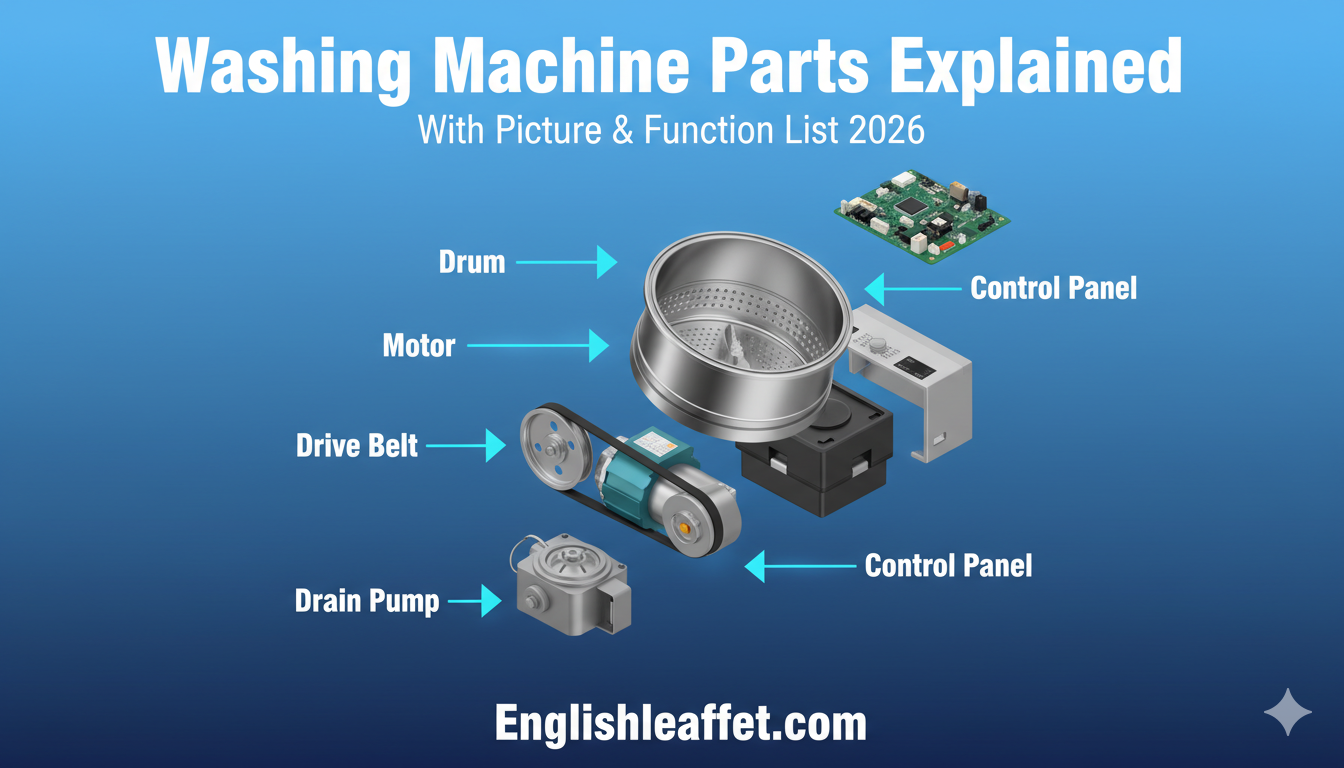
Top-load washing machines feature either an agitator or impeller to move clothes during the wash cycle. The agitator is a central spindle with fins that extends from the bottom of the drum to near the top.
During operation, the agitator twists back and forth, rubbing clothes against each other to loosen dirt and stains. This aggressive cleaning action works well for heavily soiled items but can be harder on delicate fabrics.
An impeller is a low-profile disc or cone at the drum’s bottom that rotates to create currents in the water. This design is gentler on clothes while still providing effective cleaning through cloth-on-cloth friction.
Paddles (Front-Load Washers)
Front-load washing machines use paddles, also called lifters or baffles, instead of agitators. These raised fins attach to the inside of the drum and lift clothes as the drum rotates.
As clothes reach the top of the rotation, gravity causes them to tumble back down through the water and detergent mixture. This tumbling action provides gentle yet thorough cleaning.
Paddles vary in design depending on the manufacturer, but all serve the same fundamental purpose of creating movement and ensuring even distribution of water and detergent throughout the load.
Motor
The washing machine motor is the powerhouse that drives all mechanical operations. This electric motor converts electrical energy into rotational motion that powers the drum, agitator, or impeller.
Modern washers typically use one of two motor types: direct drive or belt drive. Direct-drive motors connect directly to the drum shaft, offering quiet operation and fewer moving parts that can wear out.
Belt-drive motors use a drive belt to transfer power from the motor to the drum. While this design has more components that may require replacement over time, it often provides easier serviceability and repairs.
Drive Belt
In belt-driven washing machines, the drive belt is a crucial component connecting the motor to the transmission or drum. This flexible rubber belt wraps around pulleys to transfer rotational motion.
Over time, drive belts can wear, crack, or break, leading to drum malfunction. Signs of a failing drive belt include unusual noises, the drum not spinning, or burning smells during operation.
Replacing a worn drive belt is a common maintenance task that can extend your washing machine’s life. Regular inspection helps identify wear before complete failure occurs, preventing more extensive damage.
Drive Pulley
The drive pulley works in conjunction with the drive belt to facilitate drum rotation. This wheel-shaped component attaches to the motor shaft and provides a surface for the belt to grip.
In some washing machines, multiple pulleys work together: the motor pulley, pump pulley, and transmission pulley. Each serves a specific role in transferring power to different components.
When a drive pulley becomes worn or damaged, it can cause the belt to slip, resulting in poor drum performance or unusual noises during operation.
Motor Coupling
The motor coupling is a flexible connector between the motor and transmission in direct-drive washing machines. This small but critical component protects the motor from damage if the transmission locks up or experiences excessive resistance.
When functioning correctly, the motor coupling transfers rotational power smoothly while allowing slight flexibility to absorb shocks and vibrations. If the coupling fails, the drum will not spin even though you can hear the motor running.
Replacing a broken motor coupling is typically straightforward and much less expensive than motor or transmission replacement, making it an important protective component in the washer’s design.
Transmission
The transmission, also called a gearcase, controls the drum’s speed and direction during different cycle phases. This complex component converts the motor’s constant-speed rotation into variable speeds needed for washing, rinsing, and spinning.
During agitation, the transmission moves the agitator or drum slowly back and forth for cleaning. During the spin cycle, it increases rotation speed dramatically to extract water from clothes.
Transmission problems often result in the washer failing to agitate or spin properly. These issues typically require professional repair due to the component’s complexity and critical role in machine function.
Electronic and Control Components
Control Panel
The control panel is your interface with the washing machine, containing all buttons, knobs, dials, and displays for selecting wash settings. This component can be located on the top or front of the machine, depending on the model.
Modern control panels range from simple mechanical dials to sophisticated digital touchscreens. They allow you to select cycle types, water temperature, spin speed, and additional options like extra rinse or delayed start.
Behind the visible controls, the panel contains wiring and connection points that communicate your selections to the circuit board. Keeping this area clean and dry helps prevent electrical issues and extends component life.
Circuit Board (PCB)
The printed circuit board, commonly called the PCB or control board, functions as the washing machine’s brain. This electronic component receives input from the control panel and sends commands to all other electrical parts.
The circuit board manages complex operations including water level control, temperature regulation, cycle timing, and motor speed. It processes sensor data and makes real-time adjustments to ensure optimal washing performance.
When a circuit board fails, the washing machine may not start, display error codes, or behave erratically. Modern boards are often sophisticated computer systems, and replacement typically requires professional service.
Timer
The timer controls the duration of each cycle phase, automatically advancing the washer through wash, rinse, and spin stages. Some washing machines use mechanical timers with rotating cams, while others employ electronic timers integrated into the circuit board.
In machines with manual timers, you select the desired cycle length using a dial. The timer then mechanically switches between different functions at predetermined intervals until the cycle completes.
Electronic timers offer more precise control and can adjust cycle times based on load size, soil level, and other factors. They work seamlessly with the circuit board to optimize washing efficiency.
Heating Element
Not all washing machines include heating elements, but those that do use this component to warm water to desired temperatures. The heating element typically consists of an electrical resistance coil that heats water as it passes through or sits in the tub.
Electric heating elements allow the machine to achieve precise water temperatures for optimal cleaning and fabric care. This feature is especially valuable in homes where hot water supply is limited or where energy-efficient cold-water connections are preferred.
When the circuit board signals the need for warm or hot water, the heating element activates and continues heating until the temperature sensor indicates the target temperature has been reached.
Temperature Sensor (Thermostat)
The temperature sensor, also known as a thermostat, measures water temperature throughout the wash cycle. This component sends temperature data to the circuit board, enabling precise temperature control.
In machines with heating elements, the thermostat prevents overheating by signaling when to turn off the heating element. In all machines, it helps ensure water temperature matches the selected cycle requirements.
Accurate temperature sensing is crucial for both cleaning effectiveness and fabric protection. Different fabrics require different water temperatures, and the thermostat helps the machine deliver the right conditions for each load.
Water Level Sensor (Pressure Switch)
The water level sensor, commonly called a pressure switch, monitors the amount of water in the tub. This component uses air pressure to detect water level, communicating this information to the circuit board.
When the tub fills with water, air pressure in a connected tube increases. The pressure switch responds to this change, signaling when the proper water level has been reached based on the selected load size.
This sensor prevents overfilling, which could cause flooding, and underfilling, which would result in poor cleaning performance. Modern sensors can detect multiple water levels for different cycle requirements.
Lid Switch or Door Lock
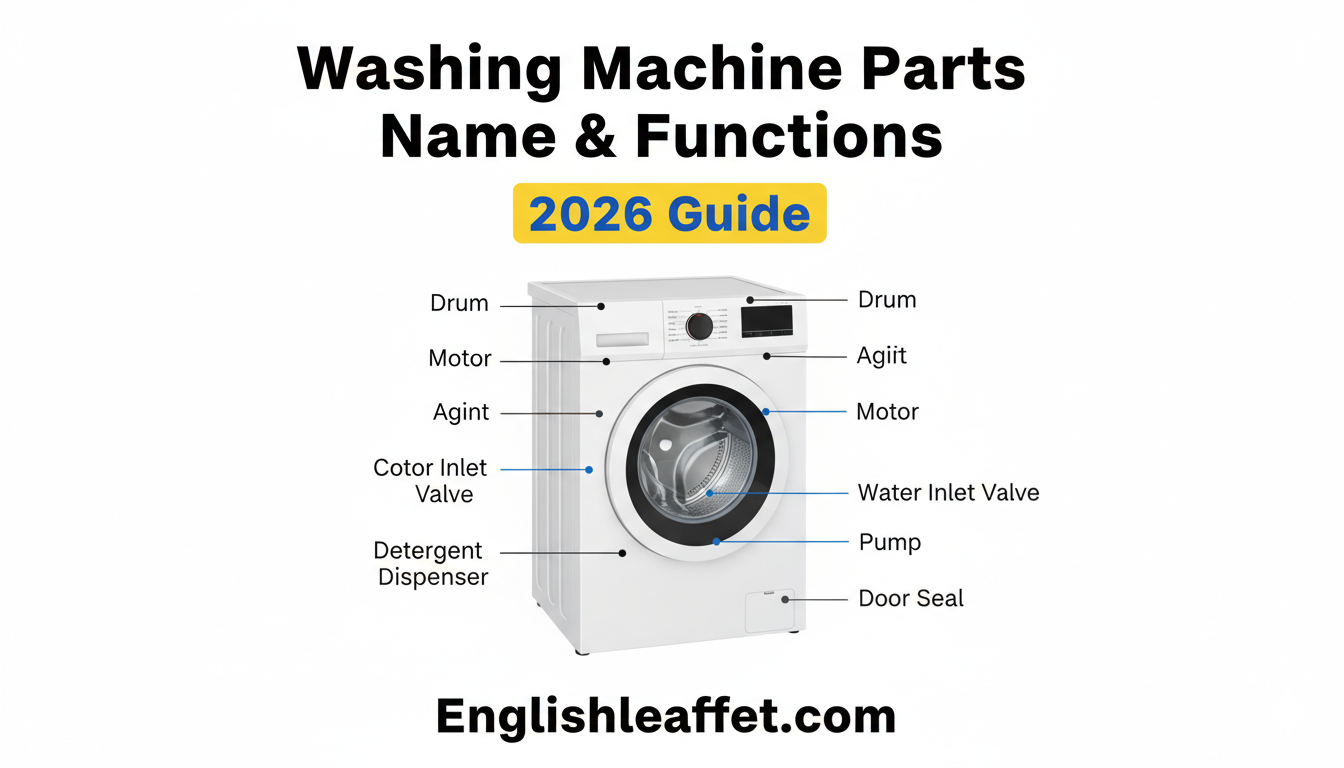
The lid switch (in top-load washers) or door lock (in front-load washers) is a critical safety component that prevents operation when the door or lid is open. This mechanism protects users from injury and prevents water spillage.
In top-load machines, the lid switch is a simple mechanical or magnetic sensor that detects lid position. When the lid opens, the switch interrupts power to the motor, immediately stopping drum rotation.
Front-load washers use electronic door locks that engage during operation, preventing the door from opening while the drum contains water. The lock releases automatically at cycle end or after a safety delay period.
Door Boot Gasket (Front-Load)
Exclusive to front-load washing machines, the door boot gasket is a large rubber seal creating a watertight barrier between the door and drum opening. This flexible component allows the door to close securely while accommodating slight drum movement during operation.
The gasket’s accordion-like folds compress when the door closes, creating a leak-proof seal even during high-speed spinning. High-quality gaskets resist mold and mildew growth, though regular cleaning is still recommended.
Door boot gaskets can develop tears, holes, or permanent compression over time. Any damage to this seal can result in water leaks during operation, requiring prompt replacement to prevent water damage.
Supporting and Stabilizing Components
Shock Absorbers
Shock absorbers play a crucial role in minimizing vibration and noise during washing machine operation, particularly during high-speed spin cycles. These components, typically located between the outer tub and the machine’s frame, absorb the drum’s movement.
Each washing machine usually contains two to four shock absorbers that work together to stabilize the machine. They compress and extend as the drum moves, preventing excessive vibration that could damage internal components or cause the machine to “walk” across the floor.
When shock absorbers wear out, you’ll notice increased noise, excessive vibration, and the machine moving during operation. Replacing worn shock absorbers is essential for maintaining proper function and preventing damage to other components.
Suspension Springs
Suspension springs support the outer tub and drum assembly, allowing controlled movement while maintaining proper alignment. These heavy-duty springs attach between the tub and the machine cabinet, suspending the tub assembly.
During operation, especially spinning, the springs flex to accommodate drum movement while pulling the tub back toward center. This suspension system works in harmony with shock absorbers to create a balanced, stable washing environment.
Over time, suspension springs can lose tension or break, leading to excessive tub movement, loud banging noises, or drum contact with the cabinet. Regular inspection helps identify spring issues before they cause more serious damage.
Leveling Feet
Leveling feet, located at the bottom corners of the washing machine, allow you to adjust the machine’s height and ensure it sits level on the floor. Proper leveling is essential for balanced operation and preventing excessive vibration.
Most washing machines have four adjustable feet that can be screwed in or out to raise or lower each corner independently. Some models include self-leveling rear feet that adjust automatically when the front feet are set.
An unlevel washing machine experiences uneven load distribution during spinning, causing excessive vibration, noise, and potential damage. Using a bubble level to ensure proper alignment during installation prevents these issues.
Cabinet or Outer Casing
The cabinet, also known as the outer casing, forms the washing machine’s exterior shell. This component, typically made from painted steel or durable plastic, protects internal components and provides structural support.
Beyond protection, the cabinet contributes to sound dampening, keeping operation noise at acceptable levels. The design also includes access panels that allow technicians to reach internal components for service and repair.
Modern cabinets incorporate aesthetic features, blending functionality with appearance to complement contemporary home décor. Some high-end models feature easy-access designs with removable panels that simplify DIY maintenance.
Water Management Components
Drain Pump
The drain pump is specifically designed to remove water from the tub at the end of wash and rinse cycles. Located at the lowest point of the machine, this component uses an electric motor to force water out through the drain hose.
During operation, the drain pump creates suction that pulls water from the tub and pushes it out with enough force to travel up through the drain hose to the household drain. This process typically takes just a few minutes.
Drain pumps can become clogged with lint, small objects like coins, or debris from pockets. Many washing machines include a drain pump filter that can be cleaned periodically to maintain optimal drainage performance.
Drain Hose
The drain hose serves as the pathway for used water to exit the washing machine and enter your home’s drainage system. This flexible hose typically measures 1 to 1.5 inches in diameter and extends from the drain pump.
Proper drain hose installation is crucial for effective drainage. The hose should be secured at the correct height (usually 30-40 inches above the floor) to prevent siphoning while allowing gravity to assist in water removal.
If the drain hose becomes kinked, clogged, or positioned incorrectly, water may not drain properly, leading to standing water in the tub or drainage errors. Regular inspection ensures this simple but critical component functions correctly.
Detergent Dispenser
The detergent dispenser provides a convenient way to add laundry detergent, fabric softener, and bleach to your wash. This component, usually located on the top or front of the machine, automatically introduces cleaning agents at the appropriate cycle times.
Most dispensers include separate compartments for different products, each designed to release its contents at specific cycle points. Detergent typically enters during the wash phase, while fabric softener releases during the final rinse.
Regular cleaning of the detergent dispenser prevents buildup that can restrict product flow or cause residue on clothes. Many dispensers can be removed for thorough cleaning under running water.
Water Level Control Dial
The water level control dial or selector allows you to choose how much water the machine uses for each load. This feature helps conserve water and energy by matching water quantity to load size.
In mechanical systems, turning the dial adjusts the pressure switch calibration, changing the water level at which the sensor signals the inlet valve to close. Digital systems use electronic sensors that respond to your selection.
Proper water level selection ensures effective cleaning while maximizing efficiency. Too little water results in poor cleaning, while too much wastes resources and may reduce cleaning effectiveness by diluting detergent excessively.
Specialty Parts for Different Washer Types
Top-Load Specific Components
Top-load washing machines include several unique components not found in front-load models. The most prominent is the agitator or impeller, which sits in the center of the drum and creates the washing motion.
The clutch assembly is another top-load specific component that controls the transition between agitation and spin modes. This mechanism allows the agitator to move during washing while enabling the full tub to spin at high speed for water extraction.
Top-load washers also feature simpler door mechanisms, typically using a basic lid with a safety switch rather than the complex locking systems required in front-load machines.
Front-Load Specific Components
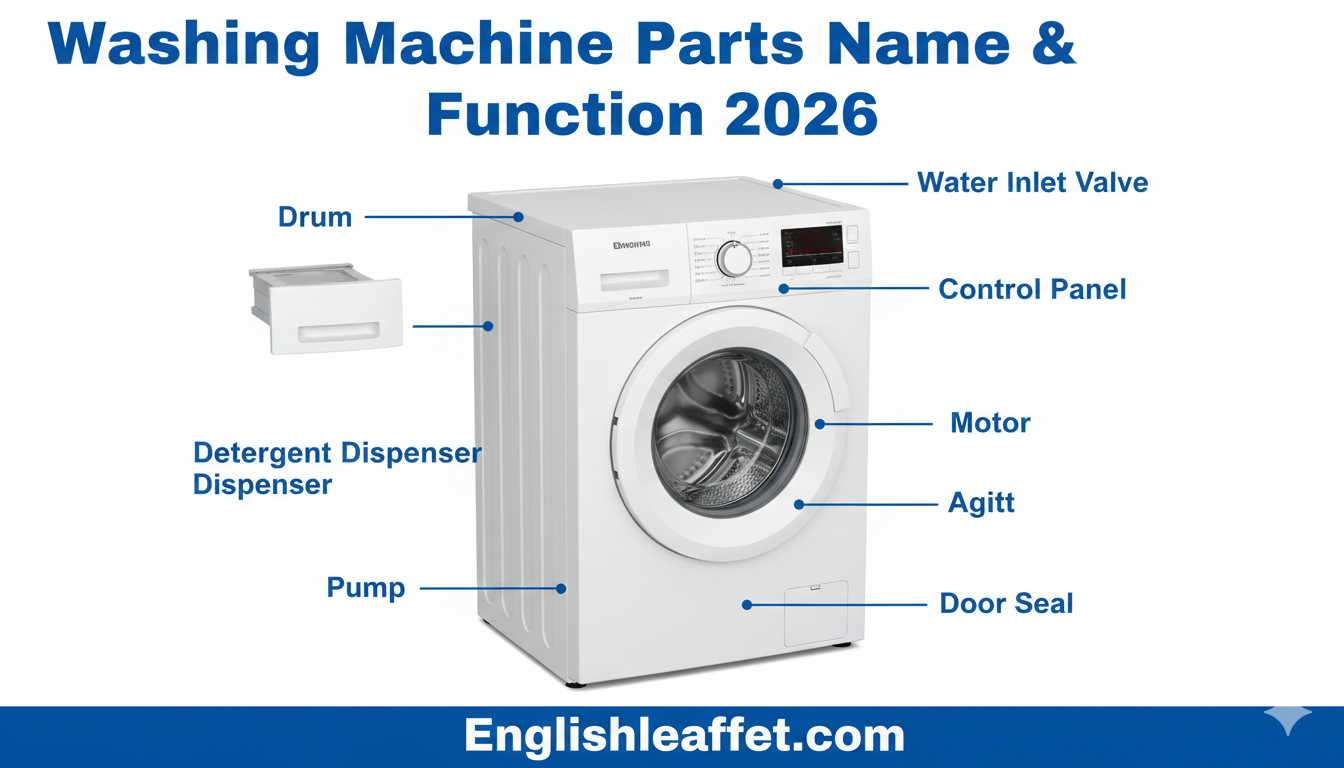
Front-load washing machines require specialized components to accommodate their horizontal drum orientation. The door lock assembly is far more complex than a simple lid switch, employing electronic locks that prevent opening during operation.
The door boot gasket, exclusive to front-loaders, creates the watertight seal necessary when the door is on the front of the machine rather than the top. This large rubber component must flex with door opening while maintaining a perfect seal during operation.
Front-load machines also include specialized bearings and seals at the rear of the drum to support the horizontal shaft while preventing water leakage. These components typically experience more wear than top-load equivalents due to their critical sealing function.
Inverter Motor
Many modern washing machines employ inverter motors, a technology that provides superior energy efficiency and quieter operation. Unlike traditional motors that run at constant speed, inverter motors adjust speed precisely based on cycle requirements.
This variable-speed capability allows the machine to optimize energy use throughout the cycle. The motor runs slower during gentle phases and faster during high-speed spinning, delivering performance exactly matched to needs.
Inverter motors typically operate more quietly, last longer, and require less maintenance than conventional motors. They also enable more precise control of wash and spin cycles, improving overall washing performance.
Understanding Part Functions and Relationships
How Components Work Together
Understanding how washing machine parts interact creates a complete picture of appliance operation. When you start a cycle, the control board receives input from the control panel and begins orchestrating component actions.
First, the water inlet valves open, allowing water to fill the tub to the level specified by the water level sensor. Simultaneously, the detergent dispenser releases cleaning agents into the incoming water stream.
Once proper water level is reached, the motor activates, rotating the drum or agitator to create washing action. Throughout the cycle, sensors monitor temperature, water level, and spin speed, feeding information to the control board for real-time adjustments.
The Washing Cycle Process
A complete washing cycle involves coordinated operation of multiple components in specific sequence. The fill phase uses water inlet valves, water level sensors, and the detergent dispenser to prepare the wash environment.
During the wash phase, the motor drives the agitator or drum while the heating element (if present) maintains desired temperature. The timer or circuit board controls phase duration based on selected cycle and load conditions.
The drain and spin phases activate the drain pump to remove water while the motor increases drum speed to extract moisture from clothes. Throughout this process, safety components like lid switches and door locks ensure user protection.
Component Interdependence
Washing machine components rarely function independently; instead, they operate as an integrated system where each part’s performance affects others. A failing water inlet valve, for example, impacts the water level sensor, heating element, and overall cycle timing.
This interdependence means that a single component failure can cause multiple symptoms or apparent malfunctions. Understanding these relationships helps in accurate diagnosis of washing machine problems and prevents unnecessary part replacement.
Regular maintenance of all components ensures the entire system functions optimally. Neglecting one component can create a cascade of problems that eventually compromise overall machine performance and longevity.
Maintenance and Troubleshooting Guide
Common Part Failures and Symptoms
Certain washing machine parts fail more frequently than others due to constant use and wear. The drain pump commonly develops clogs or motor failure, resulting in water remaining in the tub after cycles.
Drive belts wear over time, potentially breaking or slipping off pulleys. This failure prevents the drum from spinning, though you may still hear the motor running. Worn belts often squeal before complete failure.
Water inlet valves can become clogged with sediment or fail mechanically, leading to slow fills, no fills, or continuous water flow. Door locks and lid switches sometimes malfunction due to electrical issues or mechanical wear.
When to Replace vs. Repair
Deciding whether to replace a washing machine or repair it depends on several factors including the machine’s age, repair cost, and overall condition. As a general rule, if repair costs exceed 50% of replacement cost, consider buying new.
Machines over 10 years old often have multiple components near failure, making repair less economical. However, if a newer machine needs only a simple part like a belt or inlet valve, repair is usually the better choice.
Consider also the cost of related repairs. If replacing the failed component requires extensive disassembly that reveals additional worn parts, total repair costs may exceed initial estimates, favoring replacement.
Professional Service vs. DIY Repair
Some washing machine repairs are suitable for DIY completion, while others require professional expertise. Replacing external components like hoses, belts accessible without major disassembly, or cleaning filters typically falls within DIY capability.
However, repairs involving electrical components like circuit boards, complex mechanical systems like transmissions, or sealed systems requiring refrigerant handling should be left to qualified technicians. Improper repair can create safety hazards or cause additional damage.
If you choose DIY repair, always disconnect power and water supplies before beginning work. Consult your owner’s manual or reliable online guides specific to your model, and never proceed if you feel uncertain about any step.
Part Quality and Replacement Considerations
OEM vs. Aftermarket Parts
When replacing washing machine components, you’ll choose between OEM (Original Equipment Manufacturer) parts and aftermarket alternatives. OEM parts are made by the machine’s manufacturer or their authorized suppliers, ensuring exact fit and quality.
Aftermarket parts are produced by third-party companies and may offer cost savings but can vary in quality and precise fit. For critical components like circuit boards or motors, OEM parts typically provide better reliability and longevity.
For simple components like hoses, belts, or filters, quality aftermarket parts often perform adequately at reduced cost. Research manufacturer and user reviews before purchasing aftermarket parts for important components.
Brand-Specific Components
Different washing machine brands sometimes use proprietary parts that aren’t interchangeable with other brands. Whirlpool, Samsung, LG, GE, and other manufacturers often design unique components specific to their models.
This specialization means finding replacement parts requires knowing your exact model number and ensuring compatibility. Some components like motors or circuit boards may be brand-specific even when they perform similar functions across different machines.
Always verify part compatibility before purchasing replacements. Using incorrect parts can damage your machine, create safety hazards, or void any remaining warranty coverage.
Warranty Considerations
New washing machines typically include manufacturer warranties covering parts and labor for specified periods. Understanding warranty terms helps protect your investment and can save significant money on repairs.
Most warranties require using authorized service providers and OEM parts for covered repairs. Using unauthorized technicians or aftermarket parts often voids warranty coverage, leaving you responsible for future repair costs.
Extended warranties or service plans are available for purchase, extending coverage beyond the standard warranty period. Evaluate these carefully, considering your machine’s expected reliability and your tolerance for potential repair costs.
Energy Efficiency and Modern Technologies
Smart Components and Connectivity
Modern washing machines increasingly incorporate smart technology, enabling remote control and monitoring through smartphone applications. These features require additional components like Wi-Fi modules and advanced circuit boards.
Smart washers can send notifications when cycles complete, alert you to maintenance needs, or allow cycle adjustments from anywhere. Some models integrate with smart home systems, enabling voice control through devices like Amazon Alexa or Google Assistant.
These advanced features add complexity to the machine’s electronic systems and can increase repair costs if components fail. However, they provide convenience and can help optimize washing performance through features like automatic detergent dispensing based on load size.
Eco-Friendly Components
Environmental awareness has driven development of water-saving and energy-efficient washing machine components. Modern water level sensors provide more precise control, minimizing water waste while maintaining cleaning effectiveness.
Inverter motors dramatically reduce energy consumption compared to traditional motors, potentially saving significant money on utility bills over the machine’s lifetime. High-efficiency designs also reduce wear on clothes, extending garment life.
Improved insulation and sound-dampening materials in modern cabinets reduce noise pollution while maintaining energy efficiency. These enhancements create quieter operation without compromising performance or increasing energy use.
Sensor Technology Advances
Contemporary washing machines employ sophisticated sensor systems that monitor multiple variables throughout the cycle. Load sensors detect laundry weight, allowing automatic adjustment of water level, detergent amount, and cycle duration.
Turbidity sensors measure water clarity, extending wash time if water remains dirty or shortening cycles when clothes are clean. This optimization improves cleaning results while conserving resources.
Vibration sensors detect unbalanced loads, automatically adjusting spin speeds or redistributing clothes to prevent damage to the machine or excessive noise. These intelligent systems enhance performance while protecting the appliance from self-inflicted damage.
Safety Features and Components
Overflow Prevention
Washing machines include several safety features preventing water overflow that could damage your home. The primary component is the water level sensor, which stops water inlet when the proper level is reached.
Backup overflow protection comes from pressure relief systems that detect excessive water levels even if the primary sensor fails. Some machines include overflow drains that activate if water exceeds safe levels.
Regular maintenance of water level sensors and inlet valves ensures these safety systems function correctly. Testing overflow protection isn’t recommended, as it can cause water damage, but being aware of these systems provides peace of mind.
Electrical Safety Components
Modern washing machines incorporate various electrical safety features protecting users from shock hazards. Ground fault circuit interrupter (GFCI) protection is often required by electrical codes for outlets near water sources.
Internal wiring includes proper insulation and waterproof connections preventing short circuits even if small leaks occur. Thermal fuses protect against overheating by interrupting power if components exceed safe temperatures.
Door or lid locks prevent operation when open, eliminating risks associated with reaching into a spinning drum. These mechanical or electronic safety switches are crucial components that should never be bypassed or disabled.
Child Safety Features
Many washing machines include child lock functions preventing youngsters from starting the machine or changing settings during operation. This feature, controlled through the control panel, locks all buttons except power.
Front-load machines pose particular safety concerns as children could climb inside the drum. Beyond door locks that engage during operation, some manufacturers recommend keeping doors closed when the machine isn’t in use to prevent children from entering.
Top-load machines with transparent lids may tempt children to watch clothes during washing. Lid locks prevent opening during operation, while automatic pause functions stop the drum immediately if the lid opens unexpectedly.
Frequently Asked Questions
What are the most important parts of a washing machine?
The drum, motor, water pump, and control board are the most critical components. The drum holds and rotates your laundry, while the motor powers all movement. The water pump manages water circulation and drainage, and the control board orchestrates all functions, making decisions based on cycle selections and sensor inputs.
How long do washing machine parts typically last?
Most washing machine parts last 8-12 years with proper maintenance, though some components like belts and hoses may need replacement every 5-7 years. Shock absorbers and suspension springs typically last the machine’s lifetime. Circuit boards and motors usually survive 10+ years, while water pumps often need replacement around year 8-10.
What is the difference between a drum and a tub?
The drum (inner tub) is the perforated cylinder where you place clothes; it rotates during washing. The outer tub is stationary and surrounds the drum, catching water and supporting the drum structure. Both components work together but serve distinct purposes in the washing process.
Can I replace washing machine parts myself?
Simple parts like hoses, belts, and inlet screens can typically be replaced by confident DIYers following manufacturer guidelines. However, components involving electrical work, sealed systems, or complex disassembly should be handled by qualified technicians to ensure safety and prevent additional damage.
Why does my washing machine make loud noises?
Loud noises often indicate worn shock absorbers, damaged bearings, loose drive belts, or foreign objects trapped in the drum or pump. Unbalanced loads also cause excessive noise during spinning. Identifying the noise type (grinding, squealing, banging) helps diagnose the specific failing component.
What causes a washing machine to leak water?
Leaks commonly result from worn door gaskets (front-load), loose hose connections, damaged water inlet valves, cracked tubs, or failed pump seals. Sometimes drain hose clogs cause backflow leaking from unexpected areas. Identifying the leak location helps pinpoint the failing component.
How do I know if my washing machine motor is failing?
Motor failure symptoms include the machine not starting, unusual burning smells, humming without drum rotation, or intermittent operation. Excessive heat from the motor area or visible sparking also indicates problems requiring immediate attention and likely motor replacement.
What is the purpose of the circuit board in a washing machine?
The circuit board serves as the washing machine’s brain, receiving inputs from the control panel and sensors, then sending commands to all other components. It controls water levels, temperature, cycle timing, motor speed, and error detection, orchestrating every aspect of washing machine operation.
Are front-load and top-load washing machine parts interchangeable?
No, front-load and top-load machines use significantly different components due to their distinct designs. While some basic parts like hoses might be similar, critical components like drums, door mechanisms, agitators, and structural elements are specifically designed for each configuration and cannot be interchanged.
How often should I clean or maintain washing machine parts?
Clean the detergent dispenser monthly, drain pump filter every 2-3 months, and door gaskets weekly for front-loaders. Inspect hoses annually for wear or leaks. Professional deep cleaning and inspection should occur every 1-2 years to maintain optimal performance and extend machine life.
Conclusion
Understanding washing machine parts name with picture and their functions empowers you to maintain your appliance effectively, troubleshoot problems accurately, and make informed decisions about repairs or replacements.
Each component plays a specific role in the complex system that delivers clean laundry reliably cycle after cycle.
From the water pump that manages circulation and drainage to the circuit board that orchestrates all operations, every part contributes to your washing machine’s overall performance.
The drum holds and agitates your clothes, motors provide the power for movement, and safety components protect you and your home from potential hazards.
Modern machines incorporate advanced sensors and smart technologies that optimize washing while conserving resources.
