

Why do owls hoot is one of the most common questions asked by nature lovers, backyard birders, and curious minds who hear that mysterious sound echo through the night.
Owls hoot primarily to communicate — marking territory, attracting mates, warning rivals, and bonding with their young.
These calls are not random. Every hoot carries a specific message shaped by the season, the species, and the situation.
The Science Behind Owl Hooting
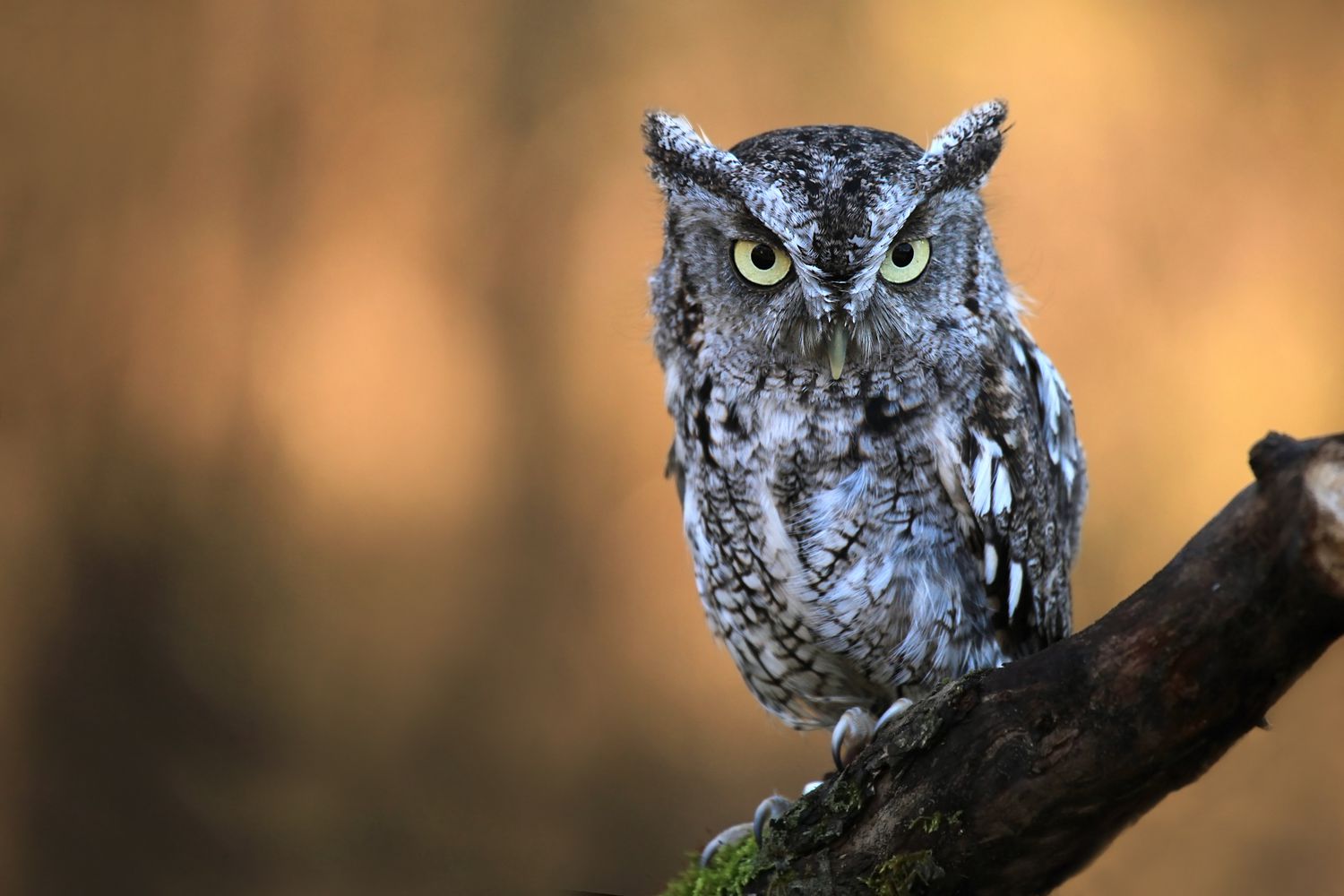
Owls are not just hooting for the sake of it. Their vocalizations are a form of long-distance communication that carries critical biological information.
Owls produce sound through a specialized structure called the syrinx, located at the base of the trachea. Unlike the human voice box, the syrinx allows owls to produce deep, resonant calls that travel far through dense forest and open landscape.
The low frequency of a typical hoot is no accident. Low-pitched sounds travel farther than high-pitched ones, especially at night when air is still and dense. This makes hooting an efficient long-range communication tool for birds active in darkness.
Why Do Owls Hoot? The 7 Main Reasons
Every time an owl hoots, it is doing so with purpose. Here are the seven core reasons behind owl vocalizations.
1. Territorial Defense
The most common reason owls hoot is to establish and defend their territory. A hooting owl is essentially broadcasting a “no trespassing” signal across its claimed hunting and nesting grounds.
Male owls perch in high, exposed locations and project repetitive hoots into the night. These calls warn rival owls to stay away and avoid conflict.
Territorial hoots become louder and more frequent during breeding season when competition for prime nesting sites and hunting areas is at its peak.
2. Attracting a Mate
During breeding season, male owls hoot to advertise themselves to potential female partners. The hoot communicates fitness, health, and territory quality.
A strong, consistent hoot signals to females that this male has good hunting grounds, a secure nesting site, and the stamina to provide for offspring.
In some species like the Eastern Screech-Owl, male and female pairs engage in coordinated duets during courtship, calling back and forth to evaluate compatibility before committing to a pair bond.
3. Pair Bonding and Communication Between Mates
Once a pair bond is formed, owls continue hooting to stay connected. Mated owls often hoot to coordinate location, especially when hunting separately across large territories.
These contact calls help partners locate each other in dark, dense woodland. They also signal the return to the nest after a hunting trip — often with information about prey.
Great Horned Owl breeding pairs regularly perform synchronized duets where the female’s higher-pitched voice and the male’s deeper hoot alternate in close timing. This vocal coordination strengthens their long-term bond.
4. Parent-to-Owlet Communication
Owls hoot to communicate with their young as well. Mother owls use distinct calls to prompt fledgling owlets to reveal their locations in the nest or surrounding trees.
Owlets respond with their own calls — typically high-pitched begging screams — to signal hunger and request food from parents.
This back-and-forth communication is critical during the early months of an owlet’s life when it depends entirely on parents for survival. Great Horned Owl owlets screech loudly for food and only begin producing true hoots at around one year of age.
5. Alarm and Predator Warnings
Owls produce sharp, aggressive calls when they sense a threat. These alarm calls warn other owls and nearby birds of the presence of a predator.
Great Horned Owls screech and chitter when disturbed near the nest. Barred Owls bark and rasp aggressively when a hawk or raccoon comes too close to their young.
These defensive sounds are usually rapid, harsh, and very different from the calm, rhythmic hoots associated with territory or courtship. If you hear frantic owl sounds, there is likely a predator nearby.
6. Identifying Neighbors vs. Strangers
Research shows that individual owls have unique vocal signatures — like fingerprints in sound. Owls can recognize the hoots of their established neighbors versus unknown intruders.
Owls tend to be more tolerant of familiar neighboring owls whose territories do not overlap. But when a stranger’s hoot is detected, the response is far more aggressive and defensive.
This ability to identify individuals by voice is a sophisticated social behavior that reduces unnecessary conflict and maintains stable territorial boundaries over time.
7. Responding to Perceived Threats Near the Nest
Owls become especially vocal when humans or large animals approach their nesting trees. This is a direct defense behavior rather than communication with other owls.
A startled or defensive owl may hoot aggressively, snap its bill loudly, or even swoop low to intimidate the intruder. This is common during nesting season when eggs or owlets are present.
If you hear an owl calling repeatedly while you are standing near a large tree, the owl is likely nesting above you and asking you to move on.
When Do Owls Hoot? Time and Season Explained
Understanding when owls hoot is just as important as understanding why.
Time of Day
Owls are most vocal during the first hour after sunset and just before sunrise. These are peak hunting periods when the night is darkest and prey is most active.
Hooting at night also means calls travel farther because there is less competing noise from daytime birds, wind, and human activity.
Most owl species rarely hoot during the day. When they do, it is usually a response to disturbance near the nest. Barred Owls are a notable exception and are frequently heard calling in broad daylight.
Time of Year
Owls hoot most intensively during fall and winter when they begin establishing territories and searching for mates for the upcoming breeding season.
Great Horned Owls — one of the earliest nesting birds in North America — begin their courtship calls in late autumn. Their eggs are often laid in January or February while most of the country is still in deep winter.
Hooting activity decreases significantly during summer and late spring once nesting is complete and owlets are growing. The quiet season corresponds to periods when communication needs drop and stealth during hunting becomes the priority.
Seasonal Hooting Calendar
| Season | Hooting Activity | Primary Reason |
|---|---|---|
| Fall (Sep–Nov) | Increasing | Territory establishment begins |
| Winter (Dec–Feb) | Peak activity | Courtship and pair bonding |
| Spring (Mar–May) | Moderate | Nesting defense, owlet communication |
| Summer (Jun–Aug) | Low | Owlet feeding calls, minimal adult hooting |
Why Do Owls Hoot at Night Specifically?
The nighttime hooting of owls connects directly to their nocturnal lifestyle and survival strategy.
Owls hunt at night to avoid competition with diurnal (daytime) raptors like hawks and eagles. Nighttime activity reduces the risk of being mobbed, attacked, or outcompeted.
Hooting at night takes advantage of superior acoustic conditions. Cold, still night air allows low-frequency sound waves to travel much farther than during the day — up to several miles in some conditions.
There is also evidence that Great Horned Owls call more actively on bright moonlit nights. Researchers studying the closely related Eagle Owl in Spain found they were more vocal when moonlight illuminated their distinctive white throat patches, suggesting visual and acoustic signals work together.
Different Owl Sounds and What They Mean
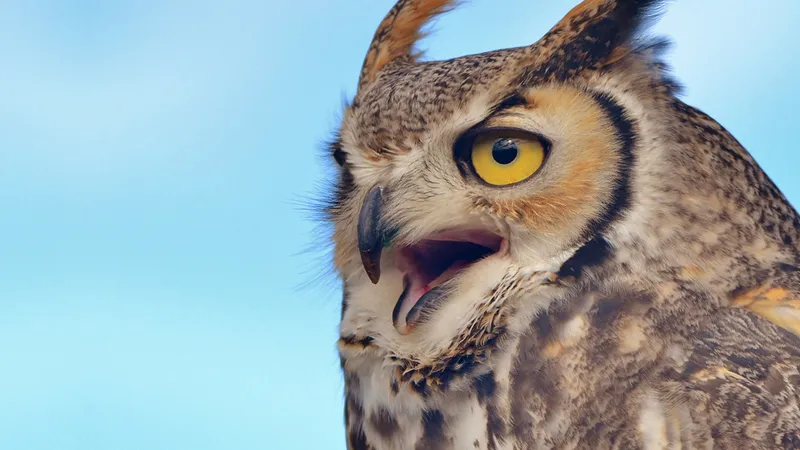
Not all owl sounds are hoots. Owls produce a surprisingly wide and complex range of vocalizations, each with a distinct meaning.
Hooting
The classic deep, rhythmic hoot is primarily used for territory and courtship. It is the most recognizable and far-reaching of all owl calls.
The Great Horned Owl’s call is described as “hoo-h’HOO-hoo-hoo” — a stuttering, four-syllable pattern that carries well through any landscape.
Screeching and Screaming
High-pitched screams and screeches indicate alarm, nest defense, or food begging by owlets. Barn Owls are famous for their blood-curdling screech rather than a traditional hoot.
The Barn Owl’s call sounds like a drawn-out, raspy hiss-shriek and is often described as one of the most startling sounds in nature. Despite its name, it produces no hoot at all.
Barking and Rasping
Short, sharp bark-like sounds signal irritation or moderate threat. Barred Owls produce aggressive barks and rasps when rivals or predators come too close to their nesting area.
Bill Snapping
Non-vocal bill snapping is produced when owls feel cornered or highly stressed. Great Horned Owls snap their bills loudly when a human gets too close to their nest.
Whinnying and Trilling
Eastern Screech-Owls do not hoot. Instead, they produce a descending whinny and a monotonic trill — sounds more reminiscent of a tiny horse than a typical owl.
The Western Screech-Owl produces a call described as similar to a bouncing rubber ball — a series of toots that accelerate in pace.
Owl Species and Their Unique Hoots
Each owl species has its own distinctive voice. Here is how the most common North American species sound and why they call.
Owl Calls by Species
| Species | Primary Call | Description |
|---|---|---|
| Great Horned Owl | Deep hoot series | “hoo-h’HOO-hoo-hoo” — loud, foghorn-like, far-traveling |
| Barred Owl | Rhythmic 8–9 note hoot | “Who cooks for you? Who cooks for you-all?” |
| Eastern Screech-Owl | Descending whinny and trill | Horse-like whinny; no traditional hoot |
| Barn Owl | Hissing screech | Eerie, raspy scream; no hoot |
| Snowy Owl | Low throaty hoot | Series of 2–6 hoots; deep and guttural |
| Northern Saw-whet Owl | Repetitive toot | “too-too-too” — like a saw being sharpened |
| Short-eared Owl | Series of hoots in flight | Barking hoots used primarily during courtship |
| Burrowing Owl | Soft two-note coo | Softer than most owls; active during the day |
The Great Horned Owl
The Great Horned Owl produces the most iconic and recognizable owl sound in North America. Its deep hoot can travel for miles on a still, cold winter night.
Male and female Great Horned Owls produce duets where the female’s call is noticeably higher-pitched — despite females being larger in body size. This size-voice reversal is a consistent and distinctive feature of this species.
Their territorial and courtship hooting peaks between November and February when pair bonding takes place before their unusually early nesting season.
The Barred Owl
The Barred Owl has a beloved call that sounds remarkably like the phrase “Who cooks for you? Who cooks for you-all?” — a pattern of 8–9 distinct hooting notes.
Barred Owls are unusually vocal during the day compared to most owl species. They are also one of the most commonly heard owls in the eastern United States and parts of the Pacific Northwest.
During courtship, mated pairs of Barred Owls produce spectacular duets that include cackles, hoots, caws, and gurgles — a surprisingly raucous performance for such a normally composed bird.
The Barn Owl
The Barn Owl is a fascinating outlier in the owl world — it produces no hoot whatsoever. Its primary call is a 2–3 second raspy screech used by males to signal females during mating season.
The Barn Owl’s scream is so startling that it has fueled countless ghost stories and supernatural legends across cultures for centuries.
Females rarely call, while males use their screech extensively during the breeding season as both a contact and courtship signal.
The Eastern Screech-Owl
Despite its fearsome name, the Eastern Screech-Owl’s main call is a gentle, descending whinny followed by a slow trill. It sounds more soothing than scary in most contexts.
Both males and females of this species call, often performing synchronized duets. Males typically call at a lower pitch than females.
Screech-Owls are highly adaptable and can be found in parks, suburban yards, and city trees — making their calls one of the most commonly heard owl sounds by people in residential areas.
Male vs. Female Owl Hoots: What Is the Difference?
An interesting and consistent pattern across most owl species is that females have higher-pitched voices than males, even though female owls are larger in body size.
This size-to-voice reversal is unusual in the bird world. In most bird species, larger individuals produce lower sounds. In owls, the relationship is reversed — especially in Great Horned Owls, Barred Owls, and Spotted Owls.
The reason likely relates to how males and females use their voices differently. Male calls are primarily for territorial broadcasting — favoring deep, far-traveling frequencies. Female calls are more often used for close-range communication with mates and owlets.
Male vs. Female Hoot Comparison
| Feature | Male Owl Hoot | Female Owl Hoot |
|---|---|---|
| Pitch | Lower, deeper | Higher, lighter |
| Primary use | Territory, mate attraction | Pair bonding, owlet communication |
| Volume | Louder and more projected | Softer and more intimate |
| Frequency | More frequent | Less frequent overall |
| Body size | Smaller | Larger |
How Far Can an Owl Hoot Be Heard?
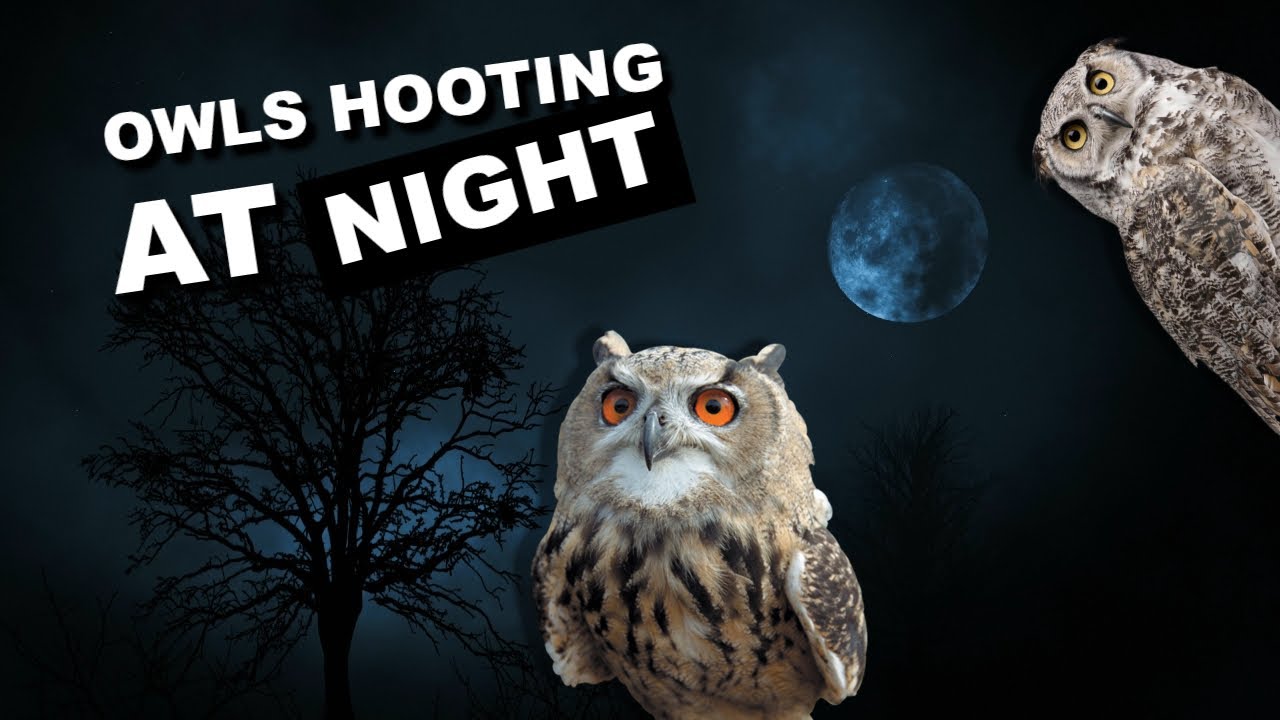
Most owl hoots can be heard from at least a quarter mile away under typical nighttime conditions.
The Great Horned Owl’s hoot, however, is exceptionally powerful. On a still, cold winter night, their calls have been reported to travel several miles. Some researchers have claimed Snowy Owl calls can be heard from nearly seven miles away under ideal conditions, though this is considered an extreme case.
Low temperatures and calm air dramatically extend the carrying distance of sound. This is why owls seem loudest during cold, quiet winter nights — conditions that coincide perfectly with their peak hooting season.
Cultural and Symbolic Meaning of Owl Hooting
Across human cultures throughout history, the sound of a hooting owl has carried deep symbolic weight — from ominous omen to wise guide.
In many Indigenous North American traditions, the owl’s call is associated with messages from the spirit world or announcements of significant life changes. The specific meaning varies widely between different nations and traditions.
Ancient Romans associated owls with the goddess Minerva and viewed their calls as omens of important events. A hooting owl was said to have announced the deaths of Julius Caesar and other famous Romans in historical accounts.
In contrast, ancient Greek tradition linked the Little Owl with the goddess Athena as a symbol of wisdom. The owl’s call was interpreted more positively as guidance rather than warning.
Some ancient warriors reportedly released owls before battle, viewing their hoots as omens of victory and protection. This association between owls and tactical wisdom runs through many military traditions.
Modern culture has largely retained the mysterious, slightly eerie quality of the owl’s hoot — it remains a standard sound effect in horror films, haunted houses, and Halloween celebrations worldwide.
Why Do Owls Hoot in the Morning?
While owls are primarily nocturnal, early morning hooting just before and around dawn is completely normal and has a specific explanation.
Dawn is a transitional period — the boundary between nocturnal and diurnal activity. Owls use this time for final territorial announcements before retiring to roost and for contact calls to locate their mates after a night of separate hunting.
The hour before sunrise is second only to the first hour after sunset in terms of owl vocal activity. This two-peak daily pattern is directly linked to the activity schedule of their prey and the acoustic advantages of calm morning air.
Why Do Owls Hoot During Winter?
Winter hooting surprises many people who expect birds to be quieter in cold weather. But for many owl species, winter is actually their noisiest time of year.
Great Horned Owls begin courtship calls as early as October and reach peak hooting intensity through December and January. This early start is a strategic advantage — by nesting in winter, owlets have the entire spring and summer to develop hunting skills before their first winter alone.
The bare, leafless trees of winter also allow hoots to travel farther. The acoustic landscape of a leafless forest is far more open and sound-conductive than a dense summer canopy.
Do All Owls Hoot?
A common misconception is that all owls hoot. In reality, not all owl species hoot, and the variety of sounds owls produce is remarkably wide.
As a general rule, larger owl species tend to hoot while smaller species produce higher-pitched calls. The Flammulated Owl is a famous exception — a small owl that produces an unusually deep hoot for its body size.
Barn Owls, Eastern Screech-Owls, Western Screech-Owls, and Northern Saw-whet Owls all lack a traditional hoot. Each produces its own distinctive sound — screeches, trills, whinnies, and tooting calls — that serve the same communication functions as hooting does in larger species.
Owls That Hoot vs. Owls That Do Not
| Owls That Hoot | Owls That Do Not Hoot |
|---|---|
| Great Horned Owl | Barn Owl (screeches) |
| Barred Owl | Eastern Screech-Owl (whinnies) |
| Snowy Owl | Northern Saw-whet Owl (toots) |
| Great Gray Owl | Western Screech-Owl (bouncy toot) |
| Long-eared Owl | Burrowing Owl (soft coo) |
| Spotted Owl | Elf Owl (chirps and chitters) |
What to Do If You Hear an Owl Hooting Near Your Home
Hearing an owl near your home is a good sign for your local ecosystem. Owls are important predators that control populations of mice, voles, rats, and other small mammals.
Do not attempt to locate, handle, or disturb a hooting owl, especially during spring and summer when they may be nesting nearby. Approaching a nest tree can trigger defensive behavior and stress the birds.
If you want to attract owls to your yard, consider installing a wooden nest box designed for the owl species in your region. Great Horned Owls, Barred Owls, and Eastern Screech-Owls all readily adopt nest boxes in appropriate habitats.
Reducing outdoor light pollution near wooded areas can also support owls by preserving the dark conditions they need for effective nighttime hunting and communication.
Fun Facts About Owl Hooting
There are many fascinating details about owl hooting that most people never learn.
Researchers studying Eagle Owls found they hooted more on moonlit nights when their white throat patches were most visible — suggesting their calls work together with visual displays for maximum communication impact.
Some owl call duets are so precise in timing and pitch that listeners mistake them for a single bird rather than two separate owls calling in coordination.
Young owlets of many species begin making vocalizations before they even hatch — producing sounds from inside the egg, possibly to gain the attention of a brooding parent.
Great Horned Owls only begin producing their true adult hoot at approximately one year of age. Before that, they rely on screams and screeches as juveniles.
The longest owl hooting bouts on record lasted virtually the entire night — from dusk to near dawn — during intense territorial disputes between rival males.
Summary: Why Do Owls Hoot?
The question why do owls hoot has many layered answers that go far beyond a simple explanation. Owls hoot to defend territory, attract mates, bond with partners, communicate with owlets, signal danger, identify individuals, and assert ownership of nesting and hunting grounds.
Their hoots are shaped by season, time of night, species, sex, and the specific social situation they are navigating. What sounds like a simple, mysterious nighttime call is actually a sophisticated and information-rich communication system that has evolved over millions of years.
The next time you hear an owl hooting in the dark, you are not just hearing a bird call. You are eavesdropping on a conversation — territorial, romantic, protective, or social — taking place in the language of one of nature’s most extraordinary hunters.
Frequently Asked Questions (FAQs)
Why do owls hoot at night?
Owls are nocturnal hunters and hoot at night because nighttime conditions carry sound farther and competition from daytime birds is absent. Their active hours naturally align with darkness.
What does it mean when an owl hoots outside your house?
An owl hooting near your home usually means it is claiming territory or communicating with a mate. It is a normal wildlife behavior and not a supernatural omen.
Why do owls hoot in the morning?
Owls hoot around dawn to make final territorial announcements and to locate their mates after a night of separate hunting. Dawn is their second-most-active calling period after dusk.
Why do owls hoot in winter?
Winter is peak courtship and territory-establishment season for many owls. Great Horned Owls begin breeding calls as early as October, reaching peak hooting in December and January.
Do female owls hoot?
Yes, female owls hoot, but their voices are higher-pitched than males. In many species, mated pairs perform duets where both sexes call in synchronized alternation.
Why do owls hoot so loudly?
Owls hoot loudly because their calls must travel long distances through dense forest at night. Low-pitched, resonant hoots carry farther than high-frequency sounds in still nighttime air.
Do all owls hoot?
No. Barn Owls screech, Eastern Screech-Owls whinny, and Northern Saw-whet Owls produce repetitive toots. Larger owl species generally hoot while smaller species have higher-pitched, different calls.
What does a hooting owl mean spiritually?
Across many cultures, an owl’s hoot symbolizes wisdom, change, or messages from the spirit world. Exact meanings vary widely by culture and tradition — from protective omen to warning sign.
How far away can you hear an owl hoot?
Most owl hoots carry at least a quarter mile. Great Horned Owl calls can travel several miles on still, cold winter nights due to their deep, resonant frequency.
Why do owls hoot multiple times in a row?
Repeated hooting usually signals an active territorial dispute, a search for a mate, or a pair bonding duet. The more intense the social situation, the more frequent and sustained the hooting becomes.
Conclusion
Why do owls hoot is a question with a rich, layered answer rooted in biology, survival, and sophisticated communication.
Owls hoot to defend their territory, attract and bond with mates, guide their young, warn of predators, and stay connected with their partners across dark landscapes.
Each hoot is purposeful, shaped by season and species, and carries far more information than it might seem at first listen.
The Great Horned Owl calling in midwinter, the Barred Owl asking “who cooks for you,” or the Screech-Owl trilling in your backyard — all of these sounds are chapters in a complex, ongoing story.
Understanding why owls hoot transforms a mysterious nighttime noise into one of nature’s most remarkable and meaningful forms of communication.
The next time you hear that sound in the dark, stop and listen closely — an extraordinary conversation is already underway.
