

Why are my feet hot at night is one of the most searched sleep health questions in 2026, and for good reason — that burning, radiating heat can make falling asleep feel nearly impossible.
Whether it happens every night or only occasionally, hot feet at night is a real and common problem that affects millions of people worldwide.
The causes range from completely normal body processes to underlying medical conditions. Some fixes are as simple as changing your bedding. Others require a visit to your doctor.
What Does It Mean When Your Feet Are Hot at Night?
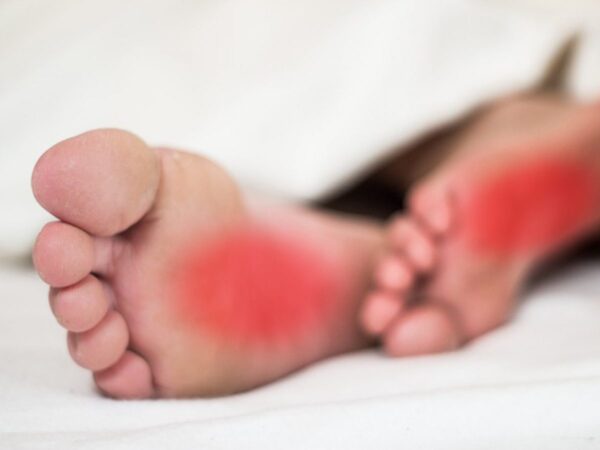
Hot feet at night is not always a warning sign. In many cases, it is a completely normal part of how your body prepares for sleep.
As bedtime approaches, your body begins lowering its core temperature. It does this by pushing warm blood toward the surface of your skin — especially your hands and feet. This process is called distal vasodilation, and it is actually a healthy sign that your sleep cycle is working.
The problem comes when this warmth turns into a persistent burning, tingling, or painful sensation. That is when hot feet may point to something that needs attention.
14 Causes of Hot Feet at Night
1. Normal Sleep-Related Distal Vasodilation
Your body temperature naturally drops by 1–2°C in the hours before sleep. To make this happen, blood vessels in your feet and hands dilate, releasing heat through the skin.
This is healthy and normal. It actually helps you fall asleep faster. If the warmth is mild and not painful, this is almost certainly what is happening.
You do not need to treat this. Simply uncovering your feet or choosing lighter bedding is usually enough to feel comfortable.
2. Peripheral Neuropathy
Peripheral neuropathy is one of the most common medical causes of burning feet at night. It occurs when the nerves that carry signals from your feet to your brain become damaged or start misfiring.
The sensation can feel like burning, tingling, pins and needles, or even numbness. It often gets worse at night because your brain has fewer distractions, making those faulty nerve signals feel louder and more intense.
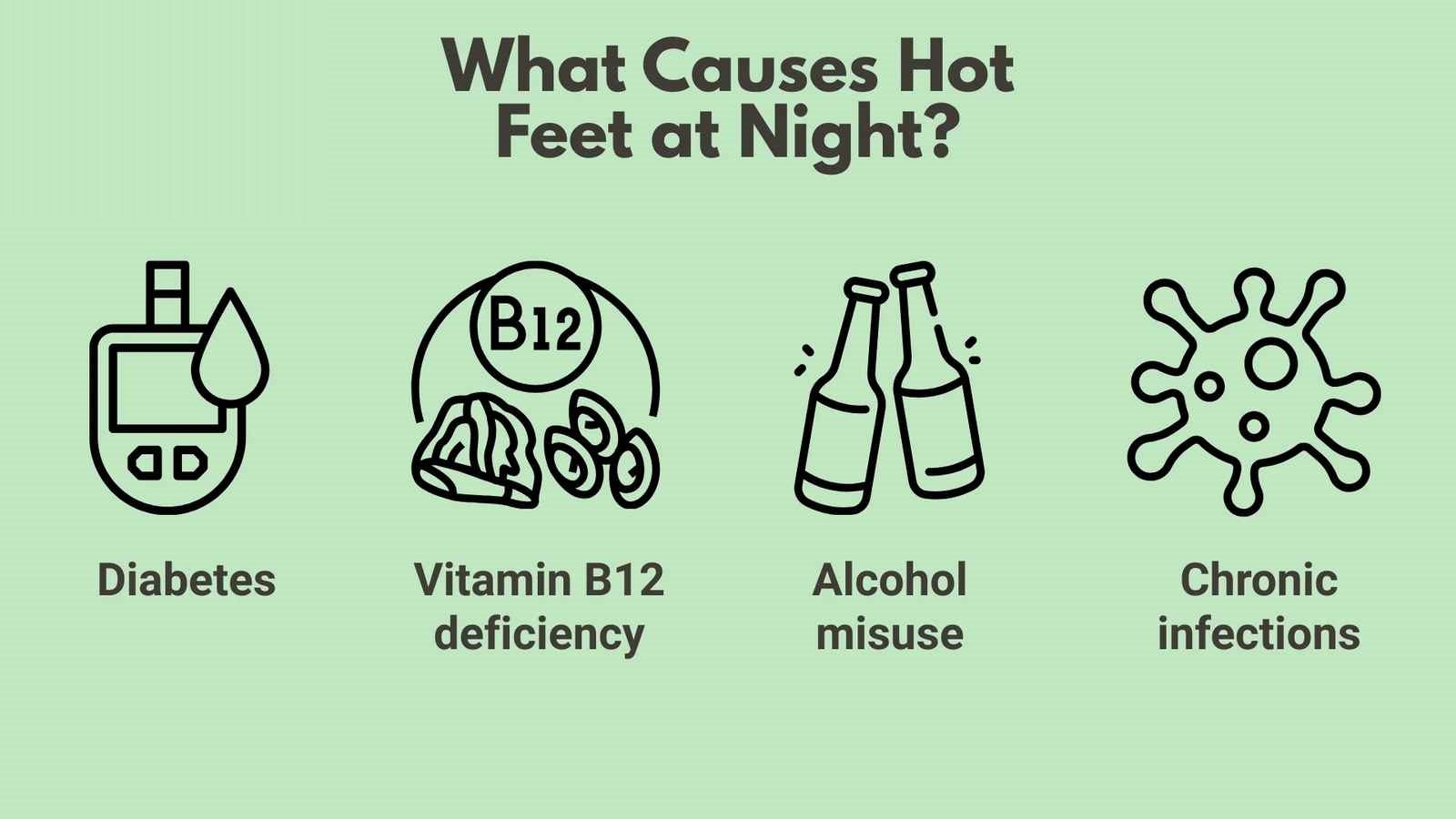
Peripheral neuropathy has many causes including diabetes, alcohol use, vitamin deficiencies, and chemotherapy.
3. Diabetic Neuropathy
Diabetes is the single most common cause of peripheral neuropathy worldwide. High blood sugar levels over time damage the small nerve fibers in your feet and lower legs.
Diabetic neuropathy often starts with a burning or tingling in the toes that slowly spreads upward. Symptoms are typically worse at night and may be accompanied by numbness, weakness, or hypersensitivity to touch.
If you have diabetes and your feet frequently feel hot at night, discuss this with your doctor as soon as possible. Early management prevents further nerve damage.
4. Vitamin B Deficiency
Nerves need specific nutrients to function correctly. Deficiencies in vitamin B12, B6, and folate (B9) are strongly linked to nerve damage and the sensation of burning feet.
Vitamin B12 deficiency is especially common in people over 50, vegetarians, vegans, and those taking metformin for diabetes. Without enough B12, the protective coating around nerves (myelin sheath) begins to deteriorate.
A simple blood test can confirm whether a deficiency is present. Supplementation often improves symptoms significantly within weeks.
5. Athlete’s Foot (Fungal Infection)
Athlete’s foot — known medically as tinea pedis — is a fungal infection that causes burning, itching, and redness on the feet. It thrives in warm, moist environments.
Symptoms often become worse at night because the feet are enclosed under warm bedding. The infection can spread between the toes, across the sole, and to the toenails if left untreated.
It is estimated that between 15–25% of people have athlete’s foot at any given time. Over-the-counter antifungal creams are effective when used consistently for the full recommended duration.
6. Menopause and Hormonal Changes
Hormonal fluctuations — particularly the drop in estrogen during menopause or perimenopause — cause blood vessels to expand rapidly. This leads to hot flashes that often radiate from the chest downward, reaching the feet.
Pregnant women can also experience hot feet due to increased blood volume, hormonal changes, and added weight on the feet. The sensation is typically temporary and improves after delivery.
Thyroid imbalances, both hyperthyroidism and hypothyroidism, can also disrupt temperature regulation and contribute to burning sensations in the feet.
7. Poor Circulation and Peripheral Artery Disease
Poor blood circulation means your feet are not receiving adequate oxygen-rich blood flow. When blood supply is restricted — especially through narrowed arteries — the feet can respond with burning, aching, or cramping, particularly at night when lying down.
Peripheral artery disease (PAD) is a condition where fatty deposits narrow the arteries that supply the legs and feet. It is more common in smokers, people with high cholesterol, and those over 65.
Signs of PAD include cold feet, slow-healing wounds, pale or bluish skin, and leg cramps when walking.
8. Burning Feet Syndrome (Grierson-Gopalan Syndrome)
Burning feet syndrome is a specific condition characterized by intense heat and pain in the feet, primarily at night. It is named after two physicians who first described it and is also called Grierson-Gopalan syndrome.
The syndrome is most commonly linked to nutritional deficiencies, particularly B vitamins, and to small-fiber peripheral neuropathy. Unlike ordinary nighttime warmth, burning feet syndrome tends to progressively worsen over time.
Symptoms may include redness, mild swelling, a deep ache, and a burning that does not go away by simply uncovering your feet.
9. Erythromelalgia
Erythromelalgia is a rare condition where the feet (and sometimes hands) become extremely hot, red, and painful. Episodes can be triggered by warmth, exercise, or simply lying under blankets.
The condition involves abnormal dilation of blood vessels in the extremities. Unlike regular hot feet, erythromelalgia episodes are more intense and may last from minutes to hours.
Treatment typically involves cooling strategies, topical creams with lidocaine, and in some cases aspirin. It requires proper medical diagnosis.
10. Kidney Disease
The kidneys filter waste products and excess fluid from the blood. When kidney function is impaired, toxins can accumulate in the bloodstream and damage peripheral nerves over time.
This type of nerve damage — called uremic neuropathy — produces burning, tingling, or painful sensations in the feet and legs, most noticeably at night.
Kidney disease is often silent in its early stages. Hot feet accompanied by swelling, fatigue, or changes in urination frequency should be evaluated by a doctor.
11. Heavy Metal Toxicity
Exposure to heavy metals such as arsenic, lead, or mercury can damage the nervous system and produce burning sensations in the feet and hands. This is rare but worth noting.
Toxic levels of these metals interfere with nerve function and can accumulate over time through occupational exposure, contaminated water, or certain foods.
If you work in an environment with heavy metal exposure and experience unexplained burning in your extremities, a blood or urine test for heavy metals is warranted.
12. Restless Legs Syndrome (RLS)
Restless legs syndrome is a neurological condition characterized by an irresistible urge to move the legs, often accompanied by uncomfortable sensations including burning, tingling, and crawling feelings.
Symptoms are almost always worse at night and while resting. Many people with RLS also experience hot, uncomfortable feet that make it hard to stay still.
RLS can be primary (no identifiable cause) or secondary to conditions like iron deficiency, kidney disease, or pregnancy.
13. Alcohol-Related Neuropathy
Long-term heavy alcohol use is toxic to peripheral nerves. Alcohol-related neuropathy develops slowly and produces burning, tingling, and pain in the feet and legs — symptoms that worsen at night.
The condition is made worse by the nutritional deficiencies that often accompany heavy drinking, particularly deficiencies in B vitamins. Reducing alcohol intake and correcting nutritional deficiencies can slow the progression.
14. Non-Breathable Bedding and Footwear
Sometimes the answer is simple. Heavy synthetic bedding, thick wool socks, or non-ventilated shoes trap heat around your feet throughout the day and night.
Feet covered in non-breathable materials cannot release heat efficiently. Combined with the natural increase in blood flow at night, this creates the perfect environment for uncomfortable warmth.
Switching to breathable cotton or bamboo bedding, and removing synthetic socks before bed, often resolves mild cases completely.
When Are Hot Feet at Night Serious?
Most cases of hot feet at night are harmless and manageable at home. However, certain symptoms alongside hot feet should prompt a medical evaluation.
| Symptom Alongside Hot Feet | What It May Indicate |
|---|---|
| Persistent tingling or numbness | Peripheral neuropathy |
| Hot feet + increased thirst and urination | Diabetes |
| Hot feet + swelling in legs | Kidney disease or poor circulation |
| Hot feet + fatigue and cold intolerance | Thyroid disorder |
| Hot feet + redness and intense heat episodes | Erythromelalgia |
| Hot feet + pain when walking | Peripheral artery disease |
| Hot feet + itching and peeling skin | Athlete’s foot or fungal infection |
| Hot feet that wake you from sleep regularly | Nerve damage, burning feet syndrome |
| Hot feet in menopause + night sweats | Hormonal changes, see a gynecologist |
| Hot feet + unexplained weight loss | Rule out systemic disease |
12 Proven Fixes for Hot Feet at Night
Fix 1: Stick One Foot Out of the Covers
The simplest and most immediately effective fix. The soles of your feet radiate heat quickly when uncovered. Exposing one or both feet from under the blanket allows the body to release heat and regulate temperature.
Many people do this instinctively. It works because uncovering the feet gives the distal vasodilation process somewhere to go.
Fix 2: Cool Water Soak Before Bed
Soaking your feet in cool (not cold) water for 10–15 minutes before bedtime can significantly lower foot temperature and provide relief that lasts 1–2 hours into sleep.
Avoid ice water — it can shock the blood vessels and worsen conditions like erythromelalgia. A bowl of comfortably cool water is sufficient.
You can also add Epsom salt, which may help with inflammation and muscle aches. People with diabetes should check with their doctor before trying foot soaks.
Fix 3: Switch to Breathable Bedding
Heavy synthetic duvets and fleece sheets trap heat efficiently — too efficiently. Switching to lightweight, breathable materials makes a meaningful difference.
The best bedding materials for hot sleepers are natural cotton, bamboo, linen, and Tencel. These fabrics wick moisture, allow airflow, and do not trap body heat the way polyester and microfiber do.
An innerspring or hybrid mattress also allows better airflow than dense foam mattresses, which are notorious for trapping body heat.
Fix 4: Keep Your Bedroom Cool
The ideal sleeping temperature for most people is 65–68°F (18–20°C). A room that is too warm makes natural distal vasodilation feel far more uncomfortable than it needs to.
Use a fan, open a window, or run the air conditioning before bed. Even a slight drop in room temperature can make hot feet feel much more manageable.
Fix 5: Go Barefoot or Wear Cotton Socks
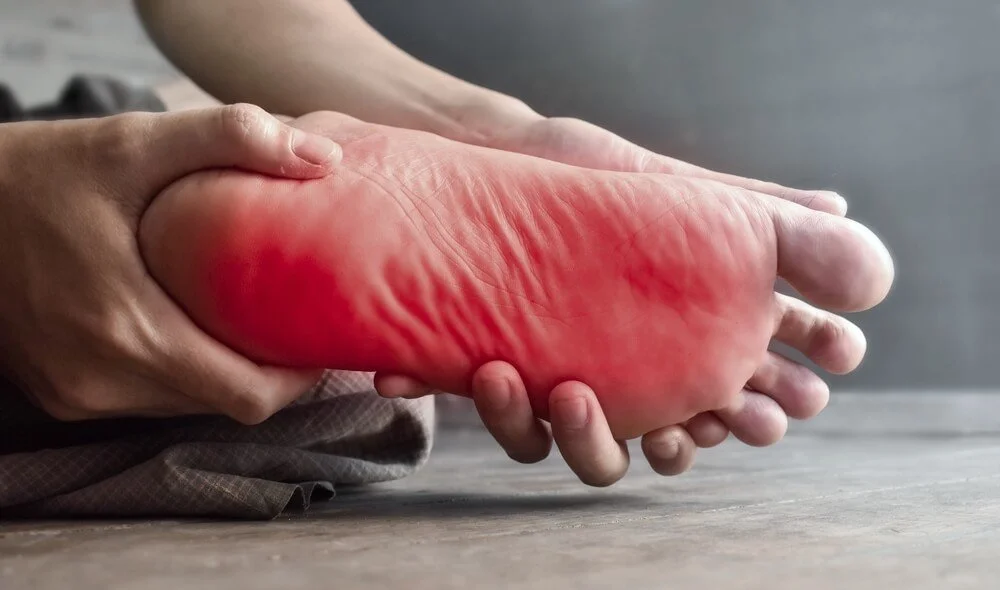
Remove synthetic socks before bed. If your feet feel cold first and then overheat, try lightweight cotton socks rather than heavy wool or synthetic blends.
Cotton allows airflow and absorbs some moisture, making it far more foot-friendly at night than synthetic materials.
Fix 6: Address Vitamin B Deficiency
If your hot feet are linked to a B12, B6, or folate deficiency, supplementation can make a significant difference. B12 deficiency in particular is strongly linked to peripheral neuropathy and burning feet.
Ask your doctor for a blood panel to check B vitamin levels. Oral B12 supplements or injections are both effective depending on the severity of the deficiency.
Fix 7: Manage Blood Sugar
For diabetic patients, keeping blood glucose levels within target range is the most important thing you can do to slow the progression of diabetic neuropathy.
Work with your healthcare provider to adjust medication, diet, and exercise. The earlier blood sugar is controlled, the more nerve damage can be prevented or reversed.
Fix 8: Treat Athlete’s Foot Promptly
Over-the-counter antifungal creams containing clotrimazole or terbinafine are effective for most cases of athlete’s foot. Apply consistently for the full course (usually 2–4 weeks) even after symptoms improve.
Keep feet clean and dry, change socks daily, avoid walking barefoot in shared wet areas, and wear breathable footwear. Prevention is easier than treatment.
Fix 9: Try Topical Creams
Topical creams containing lidocaine can block pain signals at the skin’s nerve endings and provide temporary relief. Capsaicin cream, derived from chili peppers, is another option often recommended for peripheral neuropathy.
Consult your doctor before starting topical treatments, especially if you have sensitive skin or underlying conditions.
Fix 10: Elevate Your Feet
Elevating your feet slightly while sleeping can improve blood flow and reduce pooling of heat and fluid in the lower extremities. Use a pillow under your feet or raise the foot of your bed by a few inches.
This is particularly helpful for people whose hot feet are linked to circulation problems or venous insufficiency.
Fix 11: Reduce Alcohol Intake
If alcohol use is contributing to neuropathy, reducing or eliminating alcohol is one of the most powerful interventions available. Nerve damage from alcohol can partially reverse with abstinence, especially when paired with B vitamin supplementation.
This is a long-term fix rather than an overnight solution, but the benefits extend well beyond foot comfort.
Fix 12: See a Doctor for Persistent Symptoms
If hot feet at night persist for more than two weeks despite lifestyle changes, or are accompanied by pain, tingling, numbness, or swelling, it is time to see a doctor.
A standard diagnostic workup typically includes a blood panel (blood glucose, B12, thyroid, kidney function, CBC) and possibly a nerve conduction study. Most causes are highly treatable when identified early.
Hot Feet vs. Burning Feet: What Is the Difference?
Many people use these terms interchangeably, but there is an important distinction.
| Hot Feet | Burning Feet | |
|---|---|---|
| Sensation | Warmth, increased skin temperature | Pain, fire-like sensation, sometimes tingling |
| Common Cause | Distal vasodilation, bedding, temperature | Neuropathy, vitamin deficiency, syndrome |
| Timing | Often at the start of sleep | Often worsens throughout the night |
| Accompanied by pain | Usually no | Often yes |
| Resolves with uncovering feet | Usually yes | Not always |
| Requires medical attention | Rarely | More often |
Hot feet is typically a temperature issue. Burning feet is more often a nerve or circulatory issue. If uncovering your feet does not resolve the sensation, the problem is likely deeper than body temperature regulation.
Conditions That Cause Hot Feet: Quick Reference Table
| Condition | Key Symptom | Most Affected |
|---|---|---|
| Peripheral neuropathy | Burning, tingling, numbness | Adults, diabetics |
| Diabetic neuropathy | Burning starting in toes | People with diabetes |
| Vitamin B12 deficiency | Burning + fatigue + weakness | Vegans, elderly, metformin users |
| Athlete’s foot | Burning + itching + peeling | Anyone |
| Menopause | Hot feet + hot flashes + sweating | Women 45–55 |
| Erythromelalgia | Intense redness + heat episodes | Adults |
| Peripheral artery disease | Burning + leg cramps + cold skin | Smokers, over 65 |
| Kidney disease | Burning + swelling + fatigue | Chronic kidney disease patients |
| Restless legs syndrome | Burning + urge to move legs | Adults, pregnant women |
| Burning feet syndrome | Intense heat mostly at night | Elderly, malnourished |
| Alcohol neuropathy | Burning + weakness in feet | Heavy drinkers |
| Hypothyroidism | Burning + cold sensitivity + weight gain | Women over 40 |
Hot Feet at Night During Pregnancy
Pregnancy brings a significant increase in blood volume — up to 50% more than normal. This extra circulation reaches the extremities, causing hands and feet to feel warmer than usual.
Hormonal changes also increase overall body temperature during pregnancy. The added weight on the feet causes physical pressure and fatigue that can translate to a burning sensation by evening and night.
Hot feet during pregnancy are generally harmless. Elevating the feet, staying cool, wearing breathable footwear, and avoiding prolonged standing can all help. However, swelling that is sudden, severe, or one-sided should always be evaluated promptly.
Hot Feet at Night and Diabetes: What You Need to Know
Diabetes is the most common cause of peripheral neuropathy, and peripheral neuropathy is one of the leading causes of burning feet at night.
High blood sugar damages the small blood vessels that nourish the nerves. Over time, those nerves stop transmitting signals correctly — sending false heat signals, burning sensations, or a mix of numbness and pain.
Diabetic neuropathy tends to begin in the toes and gradually move upward. The pattern is often described as a “stocking and glove” distribution — affecting the areas covered by socks and gloves first.
Early signs include mild tingling or warmth in the toes at night. If you have diabetes and notice this, do not wait. Early intervention protects your feet and prevents serious complications including foot ulcers.
Hot Feet at Night and Menopause
Menopause causes estrogen levels to fall sharply. Estrogen plays a significant role in how the body regulates heat and blood vessel behavior. Without it, blood vessels become more reactive and dilate unpredictably.
This leads to the hot flashes most people associate with menopause — sudden waves of heat that can start in the chest and radiate to the face and feet. At night, this can cause intense foot warmth that disrupts sleep.
Hormone replacement therapy (HRT) is one option for managing menopausal symptoms including hot feet. Non-hormonal options include certain antidepressants, gabapentin, and lifestyle adjustments.
Frequently Asked Questions (FAQs)
Why are my feet hot at night but not during the day?
Your body increases blood flow to your feet at night as part of its natural cooling process for sleep. The quiet and stillness of night also amplify sensations you ignore during the day.
Is it normal for feet to feel hot at night?
Yes, mild warmth in the feet at bedtime is completely normal. It is caused by distal vasodilation — your body preparing for sleep by releasing heat through the extremities.
Can vitamin deficiency cause hot feet at night?
Yes. Deficiencies in vitamin B12, B6, and folate damage peripheral nerves and produce burning, tingling, or hot sensations in the feet, especially at night.
What does it mean if my feet are burning hot at night?
Burning that is painful or does not resolve by uncovering the feet may indicate peripheral neuropathy, burning feet syndrome, diabetes, or a circulation problem. See a doctor if it persists.
How do I cool down my hot feet at night?
Soak feet in cool water for 10–15 minutes before bed, switch to breathable cotton bedding, keep your bedroom at 65–68°F, and sleep with one foot uncovered. These fixes work for most people.
Can menopause cause hot feet at night?
Yes. The drop in estrogen during menopause causes blood vessels to dilate irregularly, leading to hot flashes that often reach the feet. This is very common in women aged 45–55.
Can diabetes cause hot feet at night?
Yes. Diabetic neuropathy — nerve damage from high blood sugar — is one of the most common causes of burning and hot feet at night. Early blood sugar management can slow progression.
What is burning feet syndrome?
Burning feet syndrome (Grierson-Gopalan syndrome) is a condition of intense heat and pain in the feet, primarily at night. It is most often linked to B vitamin deficiency or small-fiber neuropathy.
Should I see a doctor for hot feet at night?
See a doctor if symptoms are persistent (more than 2 weeks), painful, accompanied by tingling or numbness, or if you have diabetes, kidney disease, or thyroid issues. Early diagnosis leads to better outcomes.
Can the wrong bedding cause hot feet at night?
Yes. Heavy synthetic bedding traps heat and prevents your feet from cooling naturally. Switching to lightweight, breathable cotton or bamboo bedding often provides significant relief.
Conclusion
Why are my feet hot at night has answers that range from the reassuringly normal to the medically significant.
In most cases, the warmth you feel is simply your body doing its job — using your feet to release heat and prepare you for deep sleep. Changing your bedding, cooling your room, and airing out your feet are often all that is needed.
But when that warmth turns into burning pain, tingling, or numbness that wakes you at night, it deserves attention.
Peripheral neuropathy, vitamin deficiencies, diabetes, hormonal changes, and circulation problems are all treatable — but only when identified.
The earlier you address the root cause, the better your outcome and the better your sleep. Do not dismiss hot feet as a minor annoyance. Your feet are telling you something. It is worth taking the time to listen.
