

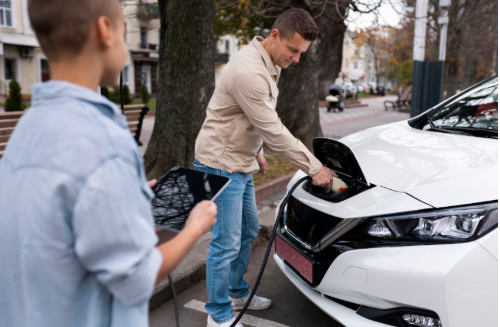
Urban streets around the world are evolving, reflecting a growing shift toward sustainable transportation solutions. Electric car rentals are rapidly gaining popularity as a convenient and eco-friendly option for individuals seeking the benefits of electric vehicles without committing to ownership. Services offering electric car rental in Singapore make it easy for residents and tourists to experience sustainable driving while reducing their carbon footprint. This trend aligns with broader environmental goals and demonstrates how urban centres can adopt greener alternatives while maintaining accessibility and mobility for residents and visitors alike.
Environmental and Economic Benefits
Electric vehicle rentals offer a practical solution for reducing carbon footprints and promoting cleaner air. EVs produce zero tailpipe emissions, contributing to improved air quality in densely populated areas. In addition to environmental benefits, renting electric cars can be economically advantageous. Electric vehicles typically have lower operating costs due to reduced fuel expenses and fewer mechanical parts requiring maintenance. Rental companies often pass these savings on to consumers, making electric car rentals a cost-effective and sustainable transportation option.
Government Policies and Incentives
Many governments are supporting the adoption of electric vehicles through various incentives. These may include rebates, subsidies, and schemes that reduce the upfront cost of purchasing or leasing EVs. Investments in charging infrastructure further encourage the transition by ensuring convenient access for both private owners and rental fleets. Rental companies benefit from these policies, allowing them to offer more competitive pricing and improve the availability of electric vehicles for customers. As a result, consumers can confidently choose electric rentals knowing that the supporting infrastructure is readily available.
Charging Infrastructure Developments
A key factor in the usability of electric vehicles is the accessibility of charging stations. Expanding charging infrastructure alleviates “range anxiety”, providing reassurance for renters concerned about running out of battery power. Rental companies often collaborate with charging network providers to ensure their fleets are supported by accessible and reliable charging points. This not only makes renting EVs more practical but also allows users to plan trips with confidence, knowing charging options are available throughout their journey.
Integration into Urban Mobility
Electric cars are most effective when integrated into a city’s broader mobility ecosystem. Rental services located near major transit hubs allow seamless travel, enabling users to combine electric vehicle usage with public transport, walking, or cycling. Renters can pick up a vehicle for specific segments of their journey, such as visiting areas that are less accessible by public transport, and return it conveniently at another location. This integration reduces reliance on private car ownership and supports the development of more liveable, sustainable urban environments.
Market Competitiveness and Consumer Choice
As demand for electric vehicle rentals rises, the market has become increasingly competitive. Rental companies now offer a wide range of vehicles, from compact city cars to luxury electric models, catering to diverse consumer preferences. Users can select vehicles that match their driving habits, personal style, and environmental values. Technological advancements in newer models also enhance the rental experience, providing advanced safety features, intuitive onboard systems, and improved battery performance. This ensures that electric car rentals are a viable and attractive alternative to traditional vehicles.
Challenges Facing the Electric Vehicle Rental Market
Despite rapid growth, the electric vehicle rental market faces several challenges. High initial costs associated with purchasing EVs can be a barrier for rental companies. Additionally, rapid technological changes can lead to fleet depreciation, affecting long-term investment returns. Charging infrastructure, while expanding, still requires strategic planning to meet growing demand. Companies must also consider maintenance, battery health, and vehicle turnover to ensure consistent service quality.
Future Outlook for Electric Vehicle Rentals
The outlook for electric car rentals is optimistic. As technology becomes more accessible and affordable, the market is expected to expand significantly. Companies are exploring flexible financial models, such as leasing and subscription services, to reduce upfront costs and increase fleet adaptability. Continuous improvements in battery technology, vehicle range, and autonomous features are likely to make electric rentals even more convenient and efficient. Over time, broader adoption of EVs in rental services will contribute to cleaner cities and more sustainable urban mobility systems.
Meet the Providers
A growing number of rental services now specialise in electric vehicles, offering tailored solutions to meet various consumer needs. These services cater to business travellers, environmentally conscious individuals, and tourists seeking sustainable transportation options.
 Providers often feature modern EV fleets equipped with the latest technology, comfort, and safety features. Partnerships with vehicle manufacturers and infrastructure providers further enhance accessibility and convenience for users. The diverse range of options allows renters to select vehicles aligned with both lifestyle and environmental goals.
Technological Advancements Enhancing Rentals
Innovation continues to drive improvements in the electric rental market. Vehicles now feature enhanced connectivity, real-time navigation, adaptive driving modes, and smart battery management systems.
Many models offer integrated mobile apps that allow renters to locate charging stations, monitor battery levels, and even schedule rentals remotely. As technology advances, these features are expected to improve convenience, efficiency, and the overall user experience.
Conclusion: Paving the Way for Sustainable Mobility
The momentum behind electric vehicle rentals reflects a broader global shift toward sustainable transportation solutions. Coordinated efforts from governments, rental companies, and consumers are transforming urban mobility, providing an accessible and environmentally responsible alternative to traditional cars. Electric rentals not only reduce emissions but also offer cost-effective, flexible, and technologically advanced transportation options.
As cities continue to invest in infrastructure and technology, electric vehicle rentals will play a key role in shaping the future of urban mobility. This trend demonstrates the potential of sustainable practices to coexist with modern convenience, making environmentally friendly choices both practical and appealing. The continued adoption and innovation within the electric vehicle rental market promise cleaner, smarter, and more efficient cities for generations to come.
