

You turn the key or press the start button, and nothing happens. That moment “Why Won’t My Car Turn Over” is stressful, especially if you’re in a hurry.
The sound your engine makes, or doesn’t make, is actually the biggest clue. A dead battery, bad starter, loose cable, or ignition problem can all cause this exact symptom.
Why Won’t My Car Turn Over?
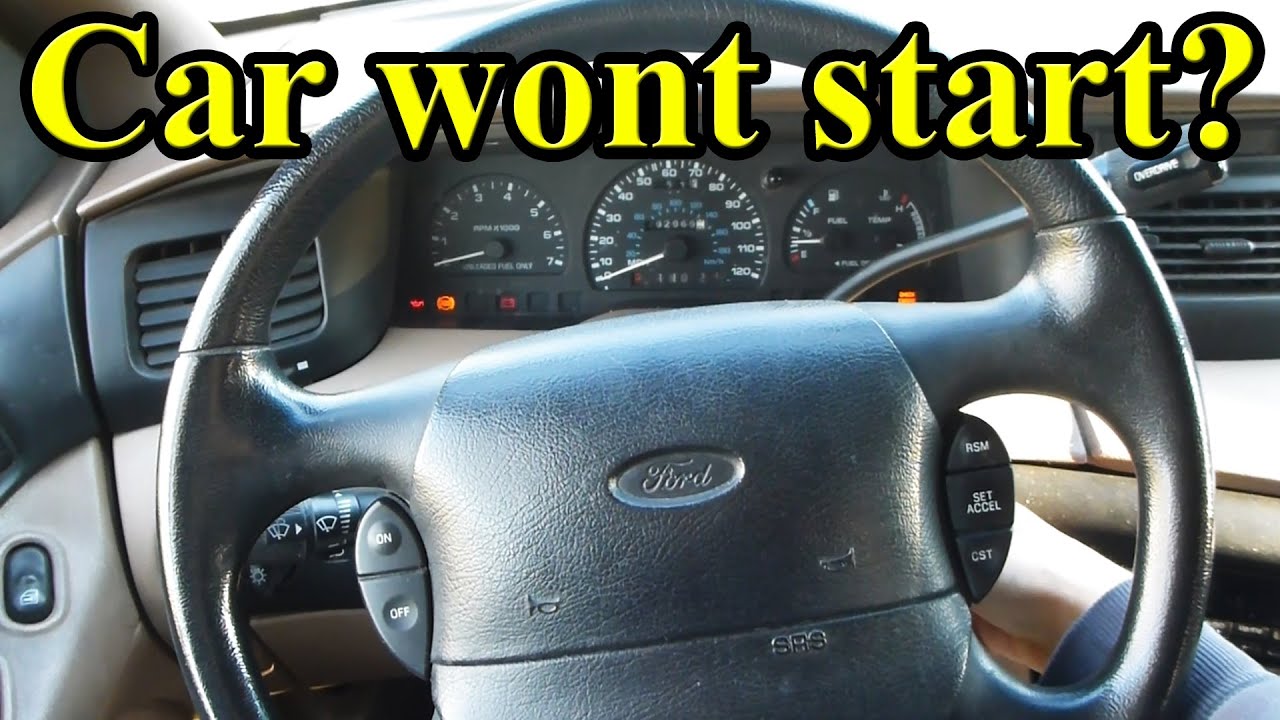
A car that won’t turn over is usually caused by a dead or weak battery, corroded connections, a bad starter motor, or a faulty solenoid.
Rapid clicking almost always points to the battery. A single loud click usually means the starter or solenoid. Complete silence often means a bad connection, blown fuse, or ignition switch problem.
What Does “Turn Over” Actually Mean?
“Turning over” refers to the engine cranking. This happens when the starter motor spins the engine fast enough for it to fire up on its own.
If the engine won’t turn over, the starter isn’t spinning the engine at all. This is different from a car that cranks normally but fails to start running.
Diagnose By The Sound You Hear
The exact sound your car makes is the fastest way to narrow down the problem. Use this table before doing anything else.
| Sound You Hear | Likely Cause |
|---|---|
| Rapid, repeated clicking | Weak or dead battery |
| One single loud click | Faulty starter motor or solenoid |
| Complete silence, no click | Blown fuse, bad connection, or ignition switch |
| Grinding noise | Worn starter gear or flywheel damage |
| Slow, sluggish crank | Weak battery or bad ground connection |
| Engine cranks but won’t start | Fuel or ignition issue, not the starting system |
Common Causes Of A Car That Won’t Turn Over
Each of these causes produces a slightly different symptom. Understanding them helps you fix the right part the first time.
Dead Or Weak Battery
A dead battery is the single most common reason a car won’t turn over. It usually causes rapid, chattering clicks when you turn the key.
Dim headlights, slow power windows, and a weak radio are other warning signs. Most batteries only last three to five years before needing replacement.
Corroded Or Loose Battery Terminals
Corrosion on the battery terminals blocks the flow of electricity to the starter. This can happen even when the battery itself is perfectly healthy.
White or blue buildup on the terminals is an easy visual sign. Cleaning the terminals with a wire brush often solves the issue immediately.
Faulty Starter Motor
The starter motor is what physically spins the engine to get it running. A failing starter usually produces one loud click and then silence.
Grinding noises can also point to a worn starter gear. In many cases, the starter needs professional testing or replacement.
Bad Starter Solenoid
The solenoid acts like a switch between the battery and the starter motor. If it’s failing, you may hear a single click without the engine cranking.
A weak battery can also stop the solenoid from fully engaging. This makes it easy to confuse with a starter problem.
Faulty Ignition Switch
The ignition switch tells the starter circuit to engage when you turn the key. A failing switch can cause intermittent starting or complete silence.
Flickering dashboard lights are a common accompanying symptom. Wiggling the steering wheel sometimes frees a jammed steering lock mechanism.
Blown Fuse Or Bad Relay
A blown fuse or failed starter relay can cut power to the starting system entirely. This often results in total silence when you turn the key.
Checking the fuse box is quick and doesn’t require special tools. Replacing a fuse is one of the cheapest possible fixes.
Faulty Or Corroded Ground Cable
The ground cable connects the battery to the engine and chassis. A loose or corroded ground cable can stop electrical current from completing its circuit.
Flickering lights and a struggling crank are common signs. Inspecting and cleaning this cable is an easy first step.
Mechanical Engine Lockup
In rare cases, a seized engine can prevent the starter from turning it over. You may hear a single click as the solenoid engages, but the engine stays completely still.
This is far less common than electrical causes. It usually requires a mechanic’s diagnosis to confirm.
Cold Weather And Starting Problems
Cold temperatures reduce a battery’s ability to deliver enough current. This makes weak batteries fail more often during winter mornings.
Engine oil also thickens in the cold, making it harder for the starter to turn the engine. Keeping your battery in good condition before winter helps prevent this.
Step-By-Step: How To Diagnose The Problem
Follow these steps in order before assuming you need a mechanic.
- Turn the key and listen carefully to the exact sound
- Check if the dashboard lights and radio turn on
- Inspect the battery terminals for corrosion or looseness
- Try jump-starting the vehicle with jumper cables
- Check the fuse box for a blown starting fuse
- Gently tap the starter motor if the engine won’t crank after a jump
- Have the battery and alternator tested if problems continue
Pros And Cons Of DIY Fixes
| Fix | Pros | Cons |
|---|---|---|
| Jump-starting | Fast, cheap, no tools needed | Only works for battery issues |
| Cleaning terminals | Easy, low cost | Won’t fix a failed starter |
| Replacing a fuse | Very cheap, quick | Won’t help if the cause is mechanical |
| Replacing the battery | Solves most no-start issues | Costs more than a jump |
| Starter replacement | Fixes chronic clicking issues | Usually needs a mechanic |
Mistakes To Avoid
Avoiding these mistakes saves time, money, and unnecessary parts replacement.
- Do not replace the starter before checking the battery first
- Do not ignore repeated clicking, since it often gets worse
- Do not keep cranking the engine repeatedly if it won’t start
- Do not assume dashboard lights working means the battery is fine
Expert Tips
- Test your battery every fall before cold weather arrives
- Keep jumper cables or a portable jump starter in your car
- Clean battery terminals every few months to prevent corrosion
- Note the exact sound before calling a mechanic, since it speeds up diagnosis
When To Call A Professional
Call a mechanic if jump-starting doesn’t work or the problem keeps happening. A recurring no-start issue usually points to a failing part that needs replacement, not a one-time fluke.
Grinding noises or a seized engine also require professional attention. These issues can cause further damage if ignored.
Conclusion
A car that won’t turn over almost always comes down to the battery, starter, solenoid, or a bad connection somewhere in between. Paying attention to the exact sound you hear is the fastest way to figure out what’s wrong.
Simple issues like corrosion or a blown fuse are easy do-it-yourself fixes. Anything involving the starter motor or mechanical lockup is best left to a professional.
Also Read:
- Meme Names – Best 15 Ideas
- Enjoy4Fun – Play Free Games Online
- Secrets To Winning Big On Online Slot Machines
- Literary Tools For Storytelling And Poetry
- Literary Devices VS Figurative Language
- 75 Literary Devices (A to Z List)
- Literary Devices For Storytelling
- 10 Literary Devices That Use Comparison
- Why Understanding Literary Devices Can Make You A Better Writer
- Literary Devices In The Scarlet Letter
- 50 Examples Of Figures Of Speech
- 50 Figures Of Speech (Types & Examples)
- 7 Figures Of Speech Examples In Poetry
- Figures Of Speech Examples In Literature
- 180 Leaf Puns That Will Leaf You Laughing
- Pun Creator: Generate Clever & Funny Puns
- 15 Weather Puns That Will Storm Your Heart
- Leaf It To Us: Short & Funny Plant Puns
- 50+ Tree Puns That’ll Leaf You Laughing
- Duck Pick Up Lines
- Tattoo Pick Up Lines
- WiFi Pick Up Lines
- Cow Pick Up Lines
- Pick Up Lines With Angels
- Dentist Chat Up Lines
Frequently Asked Questions
Why won’t my car turn over?
The most common causes are a dead or weak battery, corroded terminals, a bad starter, or a faulty solenoid. The exact sound you hear helps narrow down which one it is.
What does rapid clicking mean when my car won’t start?
Rapid, chattering clicks almost always point to a weak or dead battery. The battery has enough power to engage the solenoid but not enough to spin the starter.
What does a single loud click mean?
One loud click followed by silence usually points to a faulty starter motor or solenoid. The battery is likely fine, but a component has failed.
Why is there no sound at all when I try to start my car?
Complete silence often points to a blown fuse, a bad connection, or a faulty ignition switch. Check the fuse box and battery terminals first.
Can a bad ground cable stop a car from turning over?
Yes, a loose or corroded ground cable can block the electrical current needed to crank the engine. Flickering lights are a common accompanying sign.
How do I know if it’s the battery or the starter?
A weak or dead battery usually causes rapid clicking and dim lights. A bad starter usually causes one loud click with normal lights and radio.
Will jump-starting fix a car that won’t turn over?
Jump-starting only helps if the battery is the cause. If the car still won’t crank after a jump, the problem is likely the starter or a connection issue.
Can cold weather cause a car not to turn over?
Yes, cold temperatures reduce battery performance and thicken engine oil. This combination makes weak batteries fail more often in winter.
How long do car batteries usually last?
Most car batteries last between three and five years. Extreme heat, cold, and age all shorten their lifespan.
Can corroded battery terminals cause a no-start issue?
Yes, corrosion blocks the flow of electricity even if the battery itself is healthy. Cleaning the terminals with a wire brush often resolves it.
What’s the difference between a car not turning over and not starting?
A car that won’t turn over means the engine isn’t cranking at all. A car that cranks but doesn’t start has a different issue, usually fuel or ignition related.
Can a blown fuse stop my car from turning over?
Yes, a blown starting-related fuse can cut power to the entire starting circuit. This often causes complete silence when you turn the key.
Is grinding noise serious when trying to start a car?
Yes, grinding usually points to a worn starter gear or flywheel damage. This should be inspected by a mechanic to prevent further damage.
Can a faulty ignition switch cause intermittent starting issues?
Yes, a failing ignition switch often causes a car to start sometimes and not other times. Flickering dashboard lights are a common warning sign.
Should I keep trying to crank my car if it won’t turn over?
No, repeated cranking can drain the battery further or damage the starter. Stop after a few attempts and check the battery or connections instead.
Can I test my car battery myself?
Yes, a simple voltmeter can check battery voltage, with 12.6 volts considered healthy. Many auto parts stores also offer free battery testing.
Why does my car turn over slowly before stopping completely?
A slow, sluggish crank usually points to a weak battery or a bad ground connection. It often gets worse quickly if not addressed.
Can a mechanic diagnose this issue quickly?
Yes, most shops can test the battery, starter, and alternator within a short visit. Describing the exact sound you heard speeds up the diagnosis.
Is it expensive to replace a starter motor?
Cost varies by vehicle, but starter replacement is generally more expensive than a battery. Labor cost depends on how accessible the starter is in your engine bay.
What should I check first if my car suddenly won’t turn over?
Start by checking the battery terminals, listening to the sound, and confirming the dashboard lights work. This quickly narrows down whether it’s electrical or mechanical.
