

Reaching out to pet your cat and feeling chilly ears instead of the usual warmth can be a little unsettling. Most of the time, it’s completely normal.
Why Are My Cat’s Ears Cold? A cat’s ears feel cold most often because of natural temperature regulation, cool room air, or rest. Less commonly, cold ears can signal hypothermia, poor circulation, or illness.
Why Cat Ears Cool Down Naturally
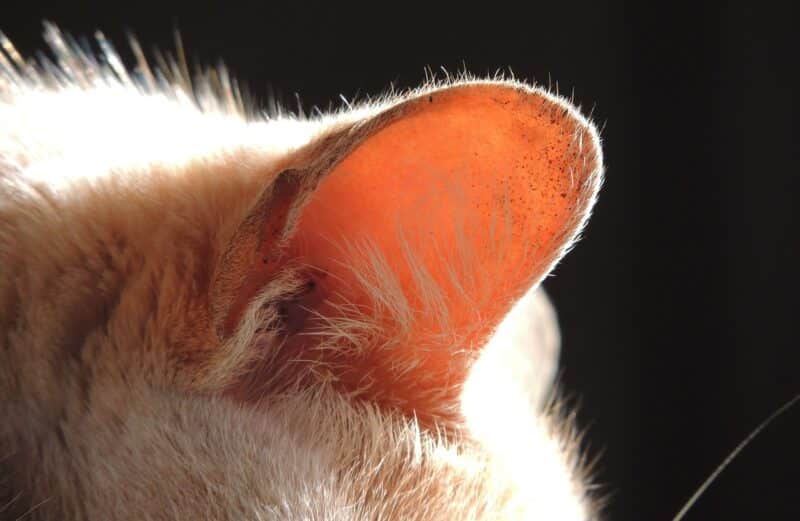
A cat’s ears are packed with blood vessels and sit right at the edge of the body. This makes them one of the first areas to lose warmth.
When a cat rests or sleeps, blood flow naturally shifts away from the extremities. This conserves heat for vital organs like the heart, lungs, and brain.
Thin fur on the ears also means less insulation compared to the rest of the body. That’s why ears and paw pads often feel cooler than a cat’s belly or back.
Normal Body Temperature for Cats
A healthy cat’s body temperature typically ranges from 99°F to 102.5°F (37.2°C to 39.2°C). Ear temperature alone isn’t a reliable way to measure this.
The most accurate way to check is a pet-specific rectal thermometer. If you’re ever unsure, comparing behavior alongside temperature gives a clearer picture.
Common Reasons for Cold Ears
Cool Room Temperature
Air conditioning, drafty windows, or a cold room can lower a cat’s ear temperature quickly. Some cats even seek out cool airflow near vents on purpose.
Sleep or Rest
During sleep, blood circulation to the extremities decreases as part of normal thermoregulation. Ears often warm back up once the cat becomes active again.
Recent Time Outdoors
Cats that spend time outside in cold weather naturally have cooler ears, paws, and tails. This is the body’s way of protecting the core from heat loss.
Curling Up to Conserve Heat
When a cat curls into a tight ball, it’s actively working to retain warmth. Ears may take a little longer to warm up compared to the rest of the body.
When Cold Ears Signal a Health Concern
Hypothermia
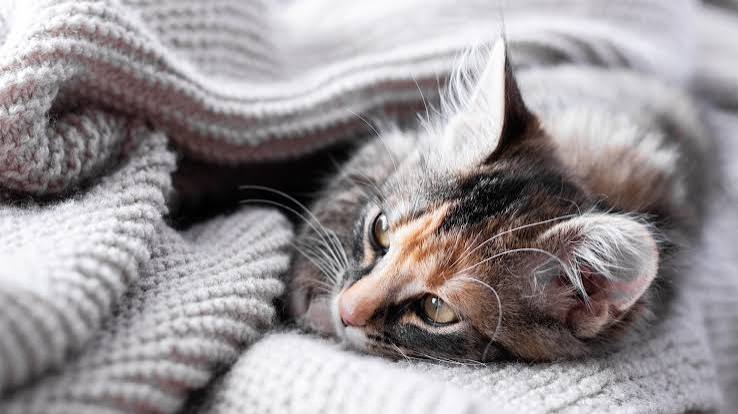
Hypothermia occurs when a cat’s core body temperature drops below the normal range, often from prolonged cold exposure. Along with cold ears, watch for shivering, lethargy, pale gums, and slow breathing.
Poor Circulation
Conditions like heart disease, high blood pressure, or anemia can reduce blood flow to the extremities. This can leave the ears feeling consistently cool even in a warm room.
Shock
Shock is a medical emergency where blood flow to the body’s extremities drops sharply. Cold ears combined with weakness, rapid breathing, or collapse require immediate veterinary care.
Frostbite
Frostbite develops when tissue is damaged by extreme cold, most often affecting exposed areas like the ear tips. Signs include discoloration, swelling, and pain when touched.
Normal Cold Ears vs. Warning Signs
| Sign | Normal Cold Ears | Warning Signs |
|---|---|---|
| Ear temperature | Mildly cool, warms up quickly | Consistently cold or icy |
| Behavior | Normal energy and appetite | Lethargy, weakness, confusion |
| Gums | Pink, normal color | Pale, gray, or bluish |
| Breathing | Normal | Slow, shallow, or labored |
| Other symptoms | None | Shivering, collapse, discoloration |
How to Check if Your Cat Is Truly Cold
A few simple steps help you tell the difference between normal ear coolness and something more serious.
- Gently touch the ears and compare them to the belly or inner thigh.
- Check the gums; they should be pink and moist, not pale or gray.
- Watch behavior for signs of lethargy, weakness, or confusion.
- Use a pet-safe rectal thermometer if you want an accurate reading.
- Note whether the cat was recently outdoors or in a cold room.
Best Practices to Keep Your Cat Warm

Simple environmental changes go a long way toward preventing cold-related discomfort. These habits matter most during colder months.
- Provide a warm, draft-free sleeping area away from windows and vents
- Offer soft bedding or a heated pet bed in colder seasons
- Limit outdoor time during extreme cold weather
- Keep indoor temperatures consistent, especially overnight
- Towel-dry your cat promptly if they get wet
Mistakes to Avoid
A few common missteps can make the situation worse or delay proper care. Watch out for these.
- Assuming cold ears always mean illness and skipping normal explanations
- Using direct heat sources like heating pads without a barrier, which risks burns
- Ignoring other symptoms like lethargy or pale gums alongside cold ears
- Leaving a cat outdoors too long in freezing temperatures
- Waiting too long to seek care if hypothermia symptoms appear
When to See a Vet
Cold ears alone rarely need urgent attention. But certain combinations of symptoms call for prompt veterinary care.
- Ears remain cold even after warming up indoors
- Lethargy, weakness, or unusual sleepiness
- Pale, gray, or bluish gums
- Shivering, slow breathing, or a weak pulse
- Visible discoloration, swelling, or pain on the ear tips
A vet can check core body temperature accurately and rule out hypothermia, poor circulation, or other underlying conditions.
Key Takeaways
- Cold ears in cats are usually normal and caused by natural thermoregulation, cool rooms, or rest.
- Ears are thin and blood-vessel-rich, making them one of the first places to lose warmth.
- Warning signs like pale gums, lethargy, or shivering alongside cold ears point to hypothermia or poor circulation.
- If cold ears persist along with other symptoms, a vet visit is the safest next step.
Frequently Asked Questions (FAQs)
Is it normal for a cat’s ears to be cold?
Yes, mildly cool ears are normal and usually caused by natural temperature regulation, cool room air, or rest.
What temperature should a cat’s ears normally be?
Cat ears don’t have an exact “normal” temperature, but they should feel warm to the touch and close to the cat’s overall body temperature of 99°F to 102.5°F.
Why are my cat’s ears cold but the rest of their body is warm?
Ears and paws often cool first because they have thin fur and sit at the edges of the body, where blood flow is reduced during rest or cold exposure.
Can cold ears mean my cat has a fever?
Cold ears don’t rule out a fever elsewhere in the body. If your cat seems lethargic or unusually warm to the touch overall, check with a vet.
How can I tell if my cat has hypothermia?
Signs of hypothermia include cold ears alongside shivering, lethargy, pale gums, slow breathing, and weakness. Warm your cat gently and contact a vet if these appear.
Should I be worried if my cat’s ears are cold after sleeping?
No, reduced blood flow to the ears during sleep is normal and they should warm up again once your cat becomes active.
Can cold ears indicate poor circulation in cats?
Yes, conditions like heart disease, high blood pressure, or anemia can reduce blood flow and cause consistently cold ears, especially alongside other symptoms.
Do outdoor cats have colder ears than indoor cats?
Yes, outdoor cats are more exposed to cold air and wind, which naturally cools the ears, paws, and tail faster than an indoor environment.
What does frostbite look like on a cat’s ears?
Frostbite can cause discoloration, swelling, pain when touched, and eventually skin that darkens or sloughs off in severe cases.
How quickly should a cat’s ears warm back up?
In a warm environment, ears typically warm up within a few minutes to an hour. Ears that stay cold much longer may need veterinary evaluation.
Can stress make a cat’s ears feel cold?
Yes, stress can temporarily affect blood circulation, sometimes resulting in cooler ears alongside other stress-related behavior changes.
Is it safe to use a heating pad to warm my cat’s ears?
Only with a protective barrier, since direct contact with a heating pad can cause burns. A warm blanket or towel is a safer first option.
Can anemia cause cold ears in cats?
Yes, anemia reduces the blood’s ability to carry heat efficiently, which can leave the ears and other extremities feeling cooler than normal.
What should I do if my cat’s ears are cold and they seem lethargic?
Warm them gently with a blanket in a draft-free room and contact a vet promptly, since lethargy alongside cold ears can indicate hypothermia or illness.
Do kittens get cold ears more easily than adult cats?
Yes, kittens have less body fat and a less developed ability to regulate temperature, making them more prone to cold extremities, including their ears.
Can air conditioning cause a cat’s ears to feel cold?
Yes, direct airflow from an AC vent or fan can cool a cat’s ears quickly, especially if they’re resting nearby.
Are cold ears more common in certain cat breeds?
Cats with thinner coats or less body fat, such as hairless breeds, may experience cold ears more often than long-haired, well-insulated breeds.
How do vets check for hypothermia in cats?
Vets use a rectal thermometer to measure core body temperature accurately, since ear temperature alone isn’t a reliable indicator.
Can heart disease cause cold ears in cats?
Yes, heart conditions can impair circulation, reducing blood flow to the extremities and causing the ears to feel persistently cool.
When should cold ears be treated as an emergency?
Cold ears combined with collapse, pale or blue gums, weak pulse, or extreme lethargy should be treated as an emergency requiring immediate veterinary care.
Conclusion
In most cases, a cat’s cold ears are simply a sign of normal temperature regulation, a cool room, or rest, not something to worry about. Their thin, blood-vessel-rich ears are naturally one of the first places to lose warmth.
Pay closer attention if cold ears show up alongside lethargy, pale gums, shivering, or weakness, since these can point to hypothermia or a circulation issue.
When in doubt, a quick check with your vet offers peace of mind and catches any underlying problem early.
