

Running your hand over your dog and finding a small, soft bump you’ve never noticed before is a little alarming, even if it turns out to be nothing serious.
Why Do Dogs Get Skin Tags? Skin tags are one of the most common growths vets see in dogs, and in the vast majority of cases they’re harmless.
Why Do Dogs Get Skin Tags?
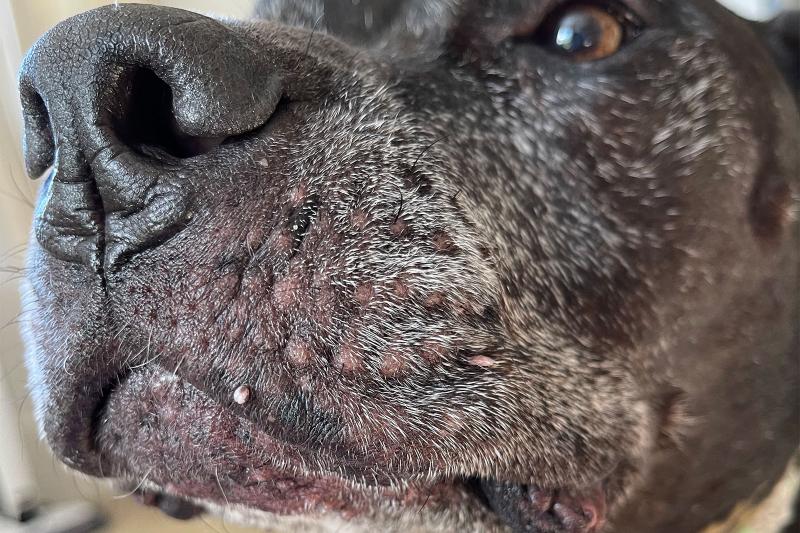
Dogs get skin tags mainly from chronic skin irritation, friction, aging, and genetics.
They are benign, not contagious, and usually painless unless they’re in a spot that gets rubbed, scratched, or bumped often.
What Exactly Is a Dog Skin Tag?
A skin tag, also called an acrochordon, is a small, soft growth attached to the skin by a thin stalk.
It looks like a tiny flap of extra skin and can appear almost anywhere on the body, though certain spots are far more common than others.
Common Causes of Skin Tags in Dogs
Chronic Friction and Irritation
Repeated rubbing, whether from a collar, harness, or skin folds pressing together, is one of the most frequently cited causes.
Constant low-level irritation can trigger the skin to grow a small tag over time, especially in dogs that wear the same gear daily.
Pressure from Lying on Hard Surfaces
Dogs that regularly rest or sleep on hard floors put repeated pressure on the same points, particularly the chest, elbows, and knees.
This chronic pressure can inflame the skin in that spot, which may eventually lead to a tag forming there.
Aging
Skin tags show up more often in middle-aged and senior dogs. As a dog ages, skin becomes less elastic and slower to heal from minor irritation.
That reduced resilience is thought to make older dogs more prone to developing these growths over time.
Genetics and Breed Predisposition
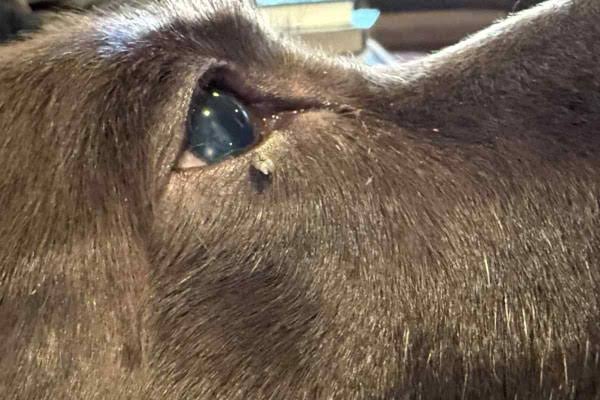
Some breeds are simply more likely to develop skin tags than others, independent of lifestyle factors.
Deep-chested breeds like Greyhounds and Doberman Pinschers, for example, are commonly noted for developing tags on the underside of the chest.
Obesity
Dogs carrying extra weight experience more friction and pressure on their skin, especially when lying down.
That added mechanical stress raises the likelihood of skin tags forming, particularly in the belly and leg-fold areas.
Allergies and Skin Inflammation
Ongoing allergic skin irritation can lead to excessive licking and scratching, which further irritates the same areas repeatedly.
While a direct link isn’t firmly established, chronic inflammation from allergies is thought to contribute to tag formation in some dogs.
Hormonal Factors
Hormonal shifts are sometimes associated with changes in skin growths, including tags, though this connection isn’t as well documented as friction or aging.
Vets may consider hormone-related causes if a dog develops several tags at once without an obvious irritation source.
Where Skin Tags Commonly Appear
- Chest and sternum, especially in deep-chested breeds
- Neck, often from collar friction
- Elbows and knees, from pressure on hard floors
- Armpits and groin, where skin folds rub together
- Eyelids and around the mouth, less common but possible
- Between the toes, from repeated movement and friction
Skin Tags vs. Other Growths
Not every bump is a skin tag, so it helps to know the difference before deciding whether it’s something to watch or something to get checked.
| Growth Type | Texture | Attachment | Typical Concern Level |
|---|---|---|---|
| Skin Tag | Soft, fleshy | Thin stalk | Low, usually cosmetic |
| Wart (Papilloma) | Rough, cauliflower-like | Fully attached | Low to moderate, monitor |
| Cyst | Firm or soft, larger | Broader attachment | Moderate, vet check recommended |
| Tick | Small, oval, may have visible legs | Attached to skin surface | Needs removal, disease risk |
| Tumor | Firm, may grow quickly | Deeper attachment | Higher, needs veterinary evaluation |
Are Skin Tags Dangerous?
In most cases, no. Skin tags are benign, not contagious, and typically don’t bother a dog unless the tag sits somewhere that gets bumped or rubbed often.
If a tag is scratched, chewed, or torn, it can bleed or become infected, which is when a simple skin tag turns into an irritated, uncomfortable spot.
When to See a Veterinarian
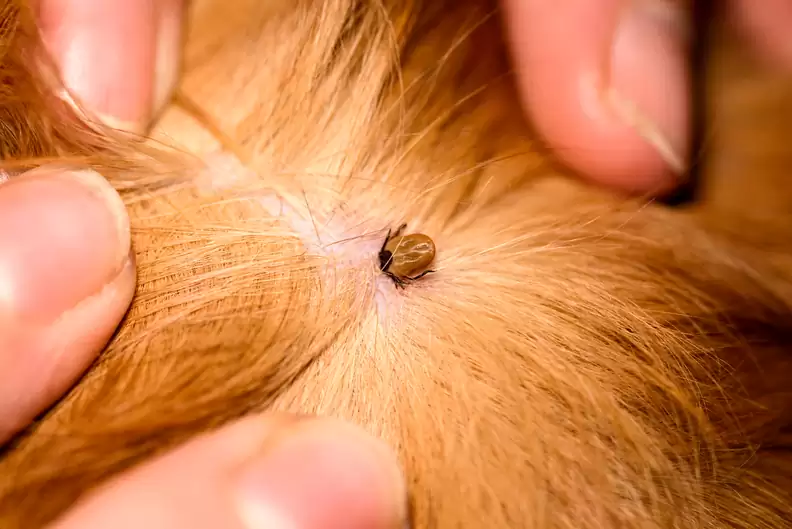
Get a growth checked if it changes color, grows quickly, bleeds without an obvious cause, or seems to bother your dog.
Multiple new growths appearing at once, or a bump that looks different from a typical soft skin tag, are also worth a professional look.
A vet visit matters because some tumors and cysts can resemble skin tags at a glance, and only an exam or biopsy can confirm what you’re dealing with.
How Vets Diagnose Skin Tags
A veterinarian usually starts with a visual and physical exam of the growth and surrounding skin.
If there’s any doubt, they may recommend a fine needle aspiration, a simple test that collects cells with a small needle, or a biopsy for a more definitive answer.
Treatment and Removal Options
| Method | How It Works | When It’s Used |
|---|---|---|
| Monitoring | No treatment, regular observation | Small, stable, non-irritated tags |
| Surgical excision | Tag is cut away, often under local anesthesia | Larger or irritated tags |
| Cryotherapy | Tag is frozen off with liquid nitrogen | Smaller tags in accessible areas |
| Electrocautery | Tag is burned off using heat | Combined with other minor procedures |
Removal is often done alongside another scheduled procedure, like a dental cleaning or spay, rather than as a standalone surgery.
At-Home Care Tips
- Never try to cut, tie off, or pull a skin tag yourself.
- Keep an eye on the tag with a magnifying glass for any changes in size or color.
- Use a properly fitted collar or harness to reduce friction.
- Provide soft, supportive bedding to ease pressure on chest, elbows, and knees.
- Keep your dog at a healthy weight to reduce friction-related skin stress.
Mistakes to Avoid
- Don’t assume every new bump is automatically a harmless skin tag.
- Don’t attempt DIY removal, since this risks bleeding, pain, and infection.
- Don’t ignore a tag that’s rapidly growing or changing shape.
Prevention Tips
- Choose well-padded, orthopedic-style bedding, especially for larger or senior dogs.
- Check collar and harness fit regularly to avoid constant rubbing in one spot.
- Maintain a healthy weight through diet and exercise.
- Keep up with regular skin checks during grooming or petting sessions.
- Address allergies promptly with your vet to reduce chronic scratching and licking.

Frequently Asked Questions (FAQs)
Are dog skin tags the same as human skin tags?
Yes, they’re very similar in appearance and cause, both are soft, benign growths linked to friction, aging, and skin irritation.
Can I remove my dog’s skin tag at home?
No. Home removal risks pain, bleeding, and infection, so tag removal should always be done by a veterinarian.
Do skin tags on dogs grow back after removal?
No, skin tags typically don’t regrow once properly removed by a vet.
Are skin tags contagious to other dogs or people?
No, skin tags are not contagious and won’t spread between pets or people in the household.
What dog breeds are most prone to skin tags?
Deep-chested breeds like Greyhounds and Doberman Pinschers, along with large or senior dogs, tend to develop skin tags more often.
Can skin tags turn into cancer?
True skin tags are benign and rarely become cancerous, but some cancers can look similar, which is why unusual growths should be checked by a vet.
Why does my dog have a skin tag between its toes?
Between-toe skin tags often develop from repeated movement and friction during walking, running, or play.
Is it normal for an older dog to suddenly develop several skin tags?
Yes, it’s common. Aging skin is less elastic and more prone to irritation, which can lead to multiple tags appearing over time.
Can allergies cause skin tags in dogs?
Allergies aren’t a proven direct cause, but the chronic scratching and inflammation they trigger may contribute to tag formation.
How can I tell if it’s a skin tag or a tick?
Ticks are usually firmly attached with visible legs, while skin tags are soft, movable, and connected by a thin stalk. If you’re unsure, ask your vet.
Do skin tags hurt dogs?
Most skin tags don’t cause pain unless they’re irritated, scratched, or located somewhere that experiences frequent friction.
Should I be worried if my dog’s skin tag starts bleeding?
Yes, contact your vet. Bleeding usually means the tag has been damaged or irritated and needs evaluation.
Can obesity really cause skin tags in dogs?
Yes, extra weight increases friction and pressure on the skin, particularly where the body rests on the floor, raising the risk of tags forming.
Do collars cause skin tags on a dog’s neck?
Chronic friction from a poorly fitted collar is a commonly cited contributor to neck-area skin tags.
Is skin tag removal painful for dogs?
Removal is typically done with local or general anesthesia, so dogs generally don’t feel pain during the procedure itself.
How much does skin tag removal cost at the vet?
Costs vary by clinic, size, and whether it’s combined with another procedure, so it’s best to ask your vet directly for an estimate.
Can puppies get skin tags?
It’s uncommon but not impossible. Skin tags are far more frequently seen in middle-aged and senior dogs.
What’s the difference between a skin tag and a wart on a dog?
Skin tags are soft and smooth with a thin stalk, while warts are typically rougher, with a cauliflower-like surface and full attachment to the skin.
Should I monitor a skin tag instead of having it removed?
Yes, if it’s small, stable, and not bothering your dog, monitoring is often the recommended first step rather than immediate removal.
Can diet affect skin tag development in dogs?
There’s no direct proven link, but a healthy diet that supports a stable weight can indirectly reduce friction-related skin stress.
Conclusion
Skin tags in dogs are mostly explained by chronic friction, pressure, aging, and genetics, and in the majority of cases they’re nothing more than a cosmetic issue.
Knowing where they typically show up, and how they differ from warts, cysts, or more serious growths, helps you decide when to simply monitor and when to book a vet visit.
When in doubt, a quick veterinary check is the safest way to confirm what you’re looking at and rule out anything more concerning.
