

Why are fuel leaks a problem? Because even a small drip can turn into a fire hazard, a health risk, and an expensive repair bill within days. Fuel leaks are one of the most overlooked issues in vehicles, generators, and machinery.
Most drivers ignore the smell of gas at first, hoping it fades. It rarely does. A leaking fuel system wastes gasoline, harms the environment, and puts everyone nearby at risk.
Why This Topic Matters More in 2026
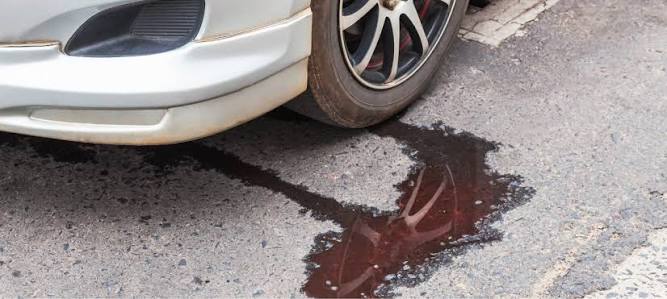
Fuel prices and repair costs have both risen in recent years, making fuel efficiency more important than ever for everyday drivers.
At the same time, older vehicles are staying on the road longer, which naturally increases the number of aging fuel system components in use.
This combination makes understanding fuel leak causes, risks, and repairs a practical safety issue for a wide range of vehicle owners in 2026.
What Is a Fuel Leak
A fuel leak happens when gasoline or diesel escapes from a sealed part of the fuel system.
This can occur in the fuel tank, fuel lines, fuel pump, injectors, or the fuel pressure regulator.
Fuel is meant to stay under pressure inside a closed loop. Any crack, loose seal, or worn gasket lets it escape.
Why Are Fuel Leaks a Problem
Fuel leaks are a problem because they combine fire risk, toxic exposure, and financial loss into a single issue.
Gasoline vapor ignites easily near heat, sparks, or exposed wiring. This makes leaks a genuine fire hazard rather than a minor inconvenience.
Beyond fire, leaking fuel damages soil, contaminates groundwater, and pollutes the air through evaporation.
It also drains your wallet slowly, since lost fuel means more frequent refills and higher running costs.
Fire and Explosion Risk
Gasoline fumes need only a small spark to ignite. A fuel leak near the engine bay is especially dangerous because of nearby heat sources.
Diesel is less flammable but still combustible under the right conditions, so leaks should never be ignored.
Health and Toxicity Concerns
Gasoline contains hydrocarbons like benzene and toluene. Breathing these fumes over time can affect the lungs and nervous system.
Skin contact with fuel can cause irritation, and swallowing even small amounts is dangerous.
Environmental Damage
Leaking fuel seeps into soil and can travel into water sources nearby.
This contamination harms plants, animals, and drinking water supplies, sometimes for years after the original leak.
Reduced Fuel Efficiency and Cost
A slow leak still adds up. You burn through fuel faster than normal, and mileage drops noticeably.
Over weeks, this raises fuel costs and often signals a bigger mechanical problem waiting to happen.
Engine and Vehicle Damage
Fuel dripping onto hot engine parts can damage wiring, hoses, and paint.
Left unchecked, a leak can starve the engine of proper fuel pressure, causing stalling or rough running.
Common Causes of Fuel Leaks
Fuel leaks rarely appear out of nowhere. They build up from wear, damage, or poor maintenance over time.
Below are the most frequent causes mechanics see in 2026.
Damaged or Loose Gas Cap
A cracked or poorly sealed gas cap lets vapor escape. This is one of the easiest and cheapest fixes available.
Cracked Fuel Lines
Rubber or metal fuel lines wear down with age, heat, and road exposure, eventually cracking or loosening at the joints.
Corroded Fuel Tank
Rust and corrosion weaken the tank walls over time, especially in areas with road salt or high humidity.
Faulty Fuel Pump
A damaged fuel pump seal can leak gasoline onto the ground or into the engine compartment.
Clogged or Worn Fuel Injectors
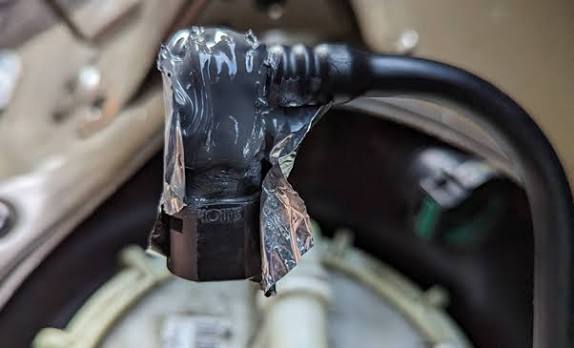
Dirt buildup inside injectors can crack seals, causing small but steady leaks near the engine.
Failing Fuel Pressure Regulator
When this component fails, pressure spikes or drops, pushing fuel into places it should never reach.
Fuel Rail Cracks
Fuel rail issues often appear in older vehicles and are usually found during deeper mechanical inspections.
EVAP System Failure
The Evaporative Emissions Control System traps fuel vapor. A failure here often causes a gas smell without any visible puddle.
Table: Common Causes and Their Warning Signs
| Cause | Common Warning Sign | Urgency Level |
|---|---|---|
| Loose or cracked gas cap | Faint gas smell after fueling | Low |
| Cracked fuel line | Wet spots under the car | High |
| Corroded fuel tank | Fuel smell near rear of vehicle | High |
| Faulty fuel pump | Engine sputtering, fuel odor | High |
| Clogged fuel injectors | Rough idle, damp engine bay | Medium |
| Failing pressure regulator | Poor acceleration, fuel smell | High |
| Cracked fuel rail | Fuel odor under the hood | Critical |
| EVAP system failure | Gas smell with no visible leak | Medium |
Warning Signs You Should Never Ignore
A strong gasoline smell inside or outside the car is the most common early warning sign.
Visible puddles or damp patches under the vehicle point to an active leak.
Sudden drops in fuel efficiency without a clear reason often mean fuel is escaping somewhere in the system.
Engine misfires, rough idling, or stalling can also signal fuel pressure loss from a leak.
How to Detect a Fuel Leak
Detecting a leak early prevents costly repairs and serious safety risks later.
Visual Inspection
Check under the vehicle for wet spots, stains, or discoloration near the tank, lines, and engine bay.
Smell Test
Pay attention to any unusual gasoline odor, especially right after parking or fueling up.
Electronic Leak Detectors
These tools sense hydrocarbons in the air and pinpoint leaks that are hard to see with the naked eye.
Fuel Dye Testing
A special dye mixed into the fuel traces the exact leak path once it stains the surrounding surface.
Professional Smoke Test
Mechanics pump smoke into the fuel or EVAP system to visually trace where vapor escapes.
Table: Fuel Leak Detection Methods Compared
| Method | Best For | Cost Level |
|---|---|---|
| Visual inspection | Obvious tank or line leaks | Free |
| Smell test | Early-stage vapor leaks | Free |
| Electronic detector | Hidden or slow leaks | Moderate |
| Fuel dye test | Hard-to-trace leaks | Low |
| Smoke test | EVAP system failures | Moderate to High |
Repair Options for Fuel Leaks
Repairs depend entirely on which part of the fuel system is affected.
Gas Cap Replacement
This is the simplest fix, usually costing between $10 and $30 for a new sealed cap.
Fuel Line Repair or Replacement
Cracked lines are typically replaced rather than patched, since fuel lines carry pressurized fuel.
Fuel Tank Repair
Minor corrosion may be sealed, but severe rust usually requires full tank replacement.
Fuel Pump Replacement
A leaking pump seal generally means the entire pump assembly needs replacement for safety.
Injector Seal Replacement
Worn injector seals are replaced individually, which is far cheaper than replacing the whole injector.
EVAP System Repair
Depending on the failure point, technicians may replace a hose, valve, or charcoal canister.
Table: Estimated Repair Costs
| Repair | Estimated Cost Range |
|---|---|
| Gas cap replacement | $10 – $30 |
| Fuel line repair | $150 – $400 |
| Fuel tank replacement | $500 – $1,200 |
| Fuel pump replacement | $400 – $800 |
| Injector seal replacement | $100 – $300 |
| EVAP system repair | $150 – $500 |
Preventing Fuel Leaks Before They Start
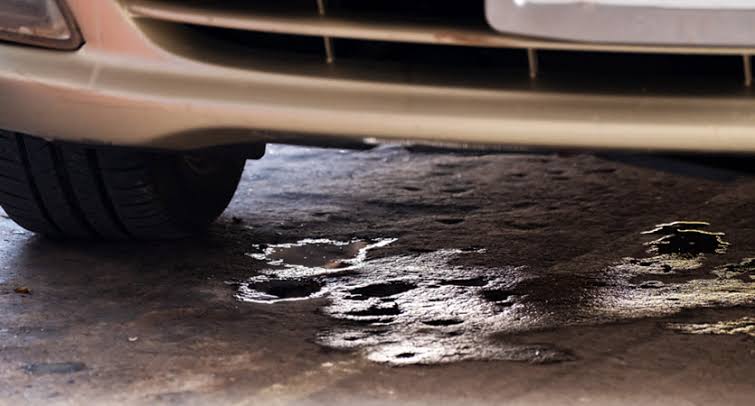
Regular maintenance is the single best defense against fuel leaks.
Schedule Routine Fuel System Inspections
Have a mechanic check fuel lines, seals, and the tank during every oil change or service visit.
Tighten and Inspect the Gas Cap
Always turn the cap until it clicks, and replace it if it looks worn or cracked.
Avoid Overfilling the Tank
Topping off after the pump clicks off can damage the EVAP system and cause vapor leaks.
Watch for Early Symptoms
Address any fuel smell, stain, or performance drop immediately instead of waiting for it to worsen.
Use Quality Replacement Parts
Cheap aftermarket seals and lines wear out faster and increase the chance of future leaks.
When to Call a Professional Immediately
If you smell fuel strongly inside the cabin, stop driving and pull over safely.
Any visible fuel leak under the hood should be treated as an emergency due to fire risk.
A qualified mechanic has the pressure-testing tools needed to diagnose leaks safely, something that is not always possible at home.
Types of Fuel Leaks You Should Know
Not all fuel leaks look or behave the same way. Knowing the type helps you judge the urgency.
Liquid Fuel Leaks
These are visible leaks where gasoline or diesel drips or pools on the ground.
They are usually easier to detect but can quickly become fire hazards if near heat sources.
Vapor Leaks
Vapor leaks release fuel fumes without any visible liquid, often from the EVAP system or a loose cap.
These are harder to spot but still pose health and fire risks.
Pressurized Leaks
These occur in the fuel rail or injector lines, where fuel is under high pressure.
They can spray fuel suddenly and are considered the most dangerous type of leak.
Slow Seepage Leaks
Corrosion or worn seals often cause gradual seepage rather than sudden leaks.
These are easy to miss because the fuel loss happens slowly over days or weeks.
Fuel Leaks Across Different Fuel Types
The risks of a fuel leak change slightly depending on whether the vehicle runs on petrol, diesel, or CNG.
Petrol and Gasoline Leaks
Gasoline evaporates quickly and ignites easily, making leaks especially dangerous around sparks or heat.
Diesel Fuel Leaks
Diesel has a higher flashpoint, so it burns less easily, but spilled diesel still creates slip hazards and pollution.
CNG and LPG Leaks
Gas-based fuel systems leak as vapor rather than liquid, and any leak should be treated as a serious fire risk immediately.
Table: Fuel Type Comparison for Leak Risk
| Fuel Type | Flammability | Typical Leak Form | Main Risk |
|---|---|---|---|
| Gasoline | High | Liquid and vapor | Fire and toxic fumes |
| Diesel | Moderate | Liquid | Slip hazard, pollution |
| CNG/LPG | High | Vapor only | Explosion risk |
Seasonal Factors That Increase Fuel Leak Risk
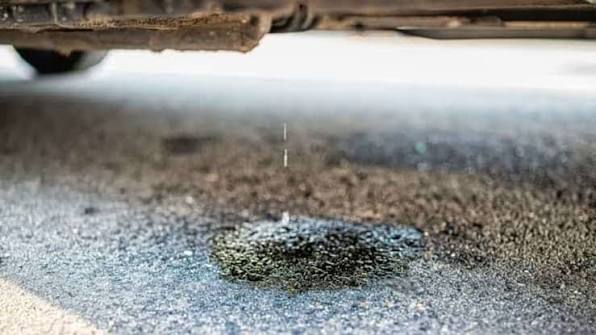
Weather and driving conditions can make fuel leaks more likely at certain times of the year.
Winter and Road Salt Exposure
Road salt speeds up corrosion on fuel tanks and metal lines, especially in colder regions.
Summer Heat and Expansion
High temperatures cause fuel and components to expand, which can stress older seals and gaskets.
Rainy Season Moisture
Moisture buildup around fittings can accelerate rust on fuel lines and tank seams over time.
DIY Checks vs Professional Repair
Some fuel leak checks are safe to do yourself, while others should always go to a mechanic.
What You Can Safely Check
You can visually inspect for stains, tighten the gas cap, and note any fuel odor patterns.
What Requires a Professional
Any repair involving the fuel pump, fuel rail, or pressurized lines needs proper tools and training.
Attempting these repairs without experience raises the risk of fire or incomplete fixes.
Immediate Safety Steps If You Smell Fuel
Acting quickly when you notice a fuel smell can prevent a small problem from becoming a dangerous one.
Step 1: Stop and Park Safely
Pull over away from traffic, open flames, or other vehicles as soon as it is safe to do so.
Step 2: Turn Off the Engine
Shutting off the engine reduces heat and removes a major ignition source near the leak.
Step 3: Avoid Sparks and Flames
Do not smoke, use lighters, or start the engine again until the leak is checked.
Step 4: Call for Professional Help
Contact a tow service or mechanic rather than attempting to drive the vehicle further.
Table: Do’s and Don’ts After Detecting a Fuel Leak
| Do | Don’t |
|---|---|
| Park in an open, ventilated area | Park in an enclosed garage |
| Turn off the engine immediately | Keep the engine running |
| Call a professional mechanic | Attempt risky DIY pressure repairs |
| Keep bystanders away from the area | Allow smoking near the vehicle |
Insurance and Legal Considerations
Fuel leaks can sometimes affect vehicle insurance claims, especially after an accident or fire.
Many insurers require proof of regular maintenance before covering fuel system damage.
Environmental regulations in most regions also require reporting significant fuel spills, particularly from tanks or industrial equipment.
Ignoring a known leak may reduce your coverage eligibility if it later causes a fire or environmental incident.
Fuel Leaks in Aircraft and Industrial Equipment
Fuel leaks are not only a car problem. Aircraft fuel tanks face similar risks from age, pressure changes, and material fatigue.
In aviation, a fuel leak can compromise range, performance, and safety, making regular inspection and welding integrity checks essential.
Industrial equipment and generators face the same core risks, including fire hazards, environmental contamination, and lost fuel efficiency.
Long-Term Effects of Ignoring a Fuel Leak
Ignoring a fuel leak rarely makes it disappear. In most cases, the problem grows steadily worse over time.
Escalating Repair Costs
A small fuel line crack can turn into a full fuel system replacement if left unaddressed for months.
Increased Fire Risk Over Time
As seals degrade further, the volume of leaking fuel usually increases, raising the chance of ignition.
Engine Wear and Performance Loss
Inconsistent fuel pressure from a leak can cause long-term wear on injectors and the engine itself.
Higher Environmental Cleanup Costs
Small seepage that goes unnoticed for months can contaminate a larger area of soil, making cleanup more expensive later.
Fuel Leak Prevention Checklist
Use this quick checklist during your next service visit or before a long road trip.
| Checklist Item | Frequency |
|---|---|
| Inspect gas cap seal | Every fill-up |
| Check for wet spots under vehicle | Weekly |
| Inspect fuel lines and hoses | Every oil change |
| Test EVAP system | Annually |
| Check fuel tank for rust | Every 6 months |
Why 2026 Vehicles Still Face Fuel Leak Risks
Even with modern safety systems, fuel leaks remain common in 2026 due to aging vehicle fleets and older parts still in circulation.
Many drivers keep vehicles for over a decade, meaning seals, hoses, and tanks naturally wear past their intended lifespan.
Newer hybrid and flex-fuel vehicles also introduce additional seals and connections, which can develop their own leak points if not properly maintained.
Regular inspection remains the most reliable defense, regardless of how advanced the vehicle’s fuel system technology becomes.
Frequently Asked Questions (FAQs)
Why are fuel leaks a problem for car safety?
Fuel leaks create fire hazards near hot engine parts and expose people to toxic gasoline fumes.
Can a small fuel leak cause a fire?
Yes. Even a small vapor leak can ignite near a spark or heat source under the hood.
How do I know if my car has a fuel leak?
Look for a strong gas smell, visible puddles, or a sudden drop in fuel efficiency.
Is it safe to drive with a fuel leak?
No. Driving with a fuel leak risks fire, engine damage, and running out of fuel unexpectedly.
What is the most common cause of fuel leaks?
A loose or cracked gas cap is the most common and easiest cause to fix.
How much does it cost to fix a fuel leak?
Costs range from $10 for a gas cap to over $1,000 for a full fuel tank replacement.
Can fuel leaks damage the environment?
Yes. Leaking fuel contaminates soil and can seep into groundwater, harming plants and wildlife.
Does a fuel leak affect gas mileage?
Yes. Leaking fuel is wasted fuel, which lowers overall efficiency and increases running costs.
Are diesel leaks as dangerous as gasoline leaks?
Diesel is less flammable but still combustible and can cause slipping hazards and environmental harm.
How often should I check for fuel leaks?
Inspect your fuel system during every routine service or immediately after noticing a fuel smell.
Choosing the Right Mechanic for Fuel System Repairs
Not every repair shop has the right tools to safely diagnose pressurized fuel system leaks.
Look for Fuel System Experience
Ask if the shop regularly handles fuel pump, injector, and fuel rail repairs, not just general maintenance.
Check for Proper Testing Equipment
Pressure testing and smoke testing require specialized tools that not every garage keeps on hand.
Ask About Warranty on Parts
A reliable shop will offer a warranty on replaced fuel lines, pumps, or tanks in case of early failure.
Read Reviews From Other Customers
Look specifically for mentions of fuel leak repairs, not just general reviews about the shop.
Conclusion
Fuel leaks are never just a minor inconvenience. They combine fire risk, health hazards, environmental damage, and rising repair costs into one serious problem.
Whether the cause is a cracked gas cap, a corroded tank, or a failing fuel pump, early detection makes all the difference.
Simple habits like checking your gas cap, watching for fuel smells, and scheduling routine inspections can prevent most leaks before they become dangerous.
If you ever notice a strong gasoline odor or visible fuel stains, treat it as an emergency and have a professional inspect the vehicle immediately.
Staying proactive protects your safety, your wallet, and the environment around you in 2026 and beyond.
