

Why do cats bury their poop? This is one of the most searched cat behavior questions online — and for good reason.
Cats are meticulous creatures, and their litter box habits reveal a lot about their instincts, health, and personality.
Understanding why cats bury their poop helps you become a more informed and attentive cat owner.
Why Do Cats Bury Their Poop?
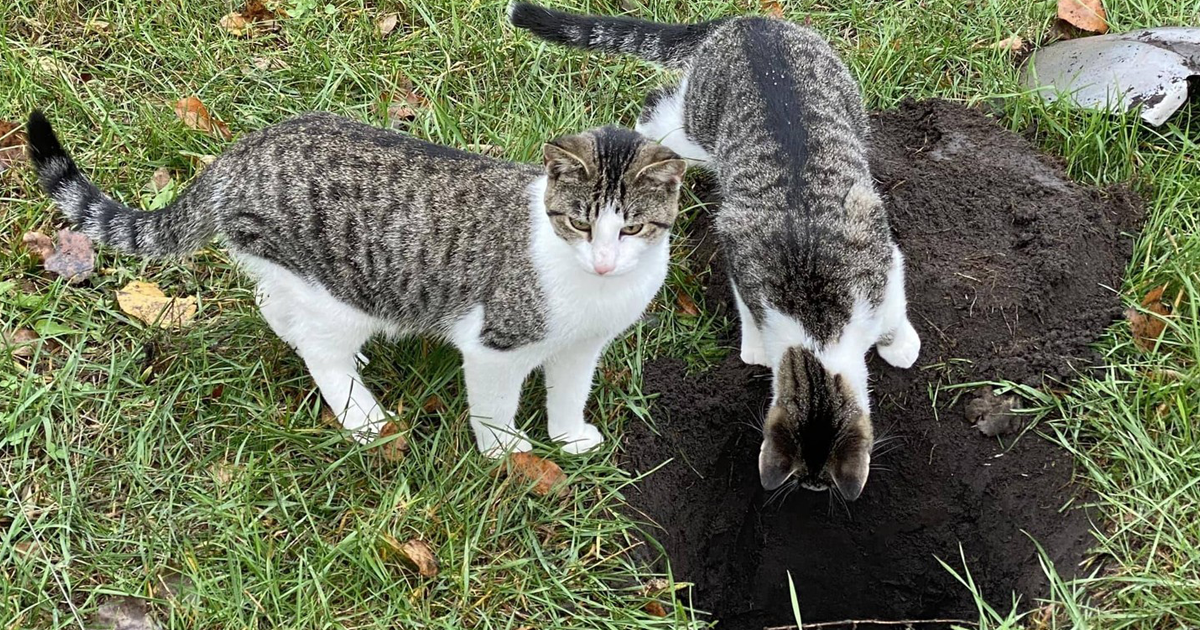
Why do cats bury their poop traces back millions of years. Long before your cat curled up on your couch, their wild ancestors roamed the African savannah. Burying waste was a key survival tactic — not a hygiene preference.
Wild cats buried their feces to avoid detection from predators and rival animals. Scent is one of the most powerful communication tools in the animal kingdom, and exposed waste is essentially a GPS signal for predators.
Even though domestic cats face zero predators at home, their brain is still wired for this ancient behavior. It is a hardwired, instinctual trait that has survived thousands of years of domestication.
Why Do Cats Bury Their Poop?
Cats communicate heavily through scent. Their urine and feces contain unique chemical compounds called pheromones that carry identity information — age, sex, health status, and territorial claims.
By burying their poop, cats essentially “mute” that scent broadcast. This is especially important for weaker or subordinate cats who do not want to challenge dominant animals nearby.
Scent markers act like signposts. When a cat buries its waste, it is saying: “I am here, but I am not looking for trouble.” It is a passive, non-confrontational form of communication.
Dominance Hierarchy: Why Some Cats Do NOT Bury Their Poop
Not all cats bury their poop — and that is completely intentional. In the wild, dominant cats like lions, tigers, leopards, and jaguars deliberately leave their feces uncovered to mark territory.
Your domestic cat can exhibit the same dominant behavior. If a new cat or pet enters the home, your resident cat may suddenly stop covering its poop as a territorial signal.
This behavior communicates: “This space belongs to me.” It is not a health problem in this context — it is a power statement.
Cats Show Respect to Their Human “Pack Leader”
Here is a fascinating insight: when domestic cats bury their poop, they are also showing deference to you. Zoologist Desmond Morris notes in his book Catlore that in an undisturbed home, domestic cats view themselves as subordinates to their human owners.
Covering their waste is their way of acknowledging your role as the dominant member of the household. It is a subtle but meaningful act of feline respect.
This is why well-adjusted, secure cats almost always cover their waste in a clean, comfortable litter box. They feel safe, settled, and socially connected in their home.
Hygiene and Contamination Prevention
Beyond instinct and social communication, there is a deeply practical reason cats bury their poop. In the wild, exposed feces near food and water sources can cause serious illness through bacterial and parasitic contamination.
Wild cats naturally toilet away from their eating and drinking areas. Domestic cats retain this instinct — they prefer their litter box to be placed far from their food bowls.
Burying feces also helps contain parasites like worms and harmful bacteria. It is a built-in hygiene mechanism that keeps their immediate environment safer.
What the Research Says: 2024 Study Findings
A 2024 study shed new light on feline waste-covering behavior with a specific focus on nursing females and kittens. Researchers found that nursing cats covered their feces significantly more often than non-reproductive or younger females.
The reason is protective. Nursing females bury their waste to hide chemical information that could lead predators or rival cats directly to their nests and vulnerable kittens.
This adds another layer to our understanding — poop-burying is not just personal survival. It is also maternal and protective behavior, driven by the instinct to shield offspring.
Comparing Cat and Dog Behavior: Why Dogs Don’t Bury Poop
| Behavior | Cats | Dogs |
|---|---|---|
| Bury waste instinctively | Yes — submissive behavior | Rarely |
| Use waste for territory marking | Yes — uncovered poop signals dominance | Yes — primary method |
| Smell other animals’ waste | Yes — for identification | Yes — for identification |
| Cover waste when stressed | Sometimes stops covering | Occasionally covers |
| Feel threatened by predators domestically | Instinct remains active | Instinct largely suppressed |
Dogs are wired differently. Most dogs leave their poop uncovered because their primary goal is territory marking — they want their scent to linger and broadcast. Cats, by contrast, default to concealment.
Top Reasons Cats Stop Burying Their Poop
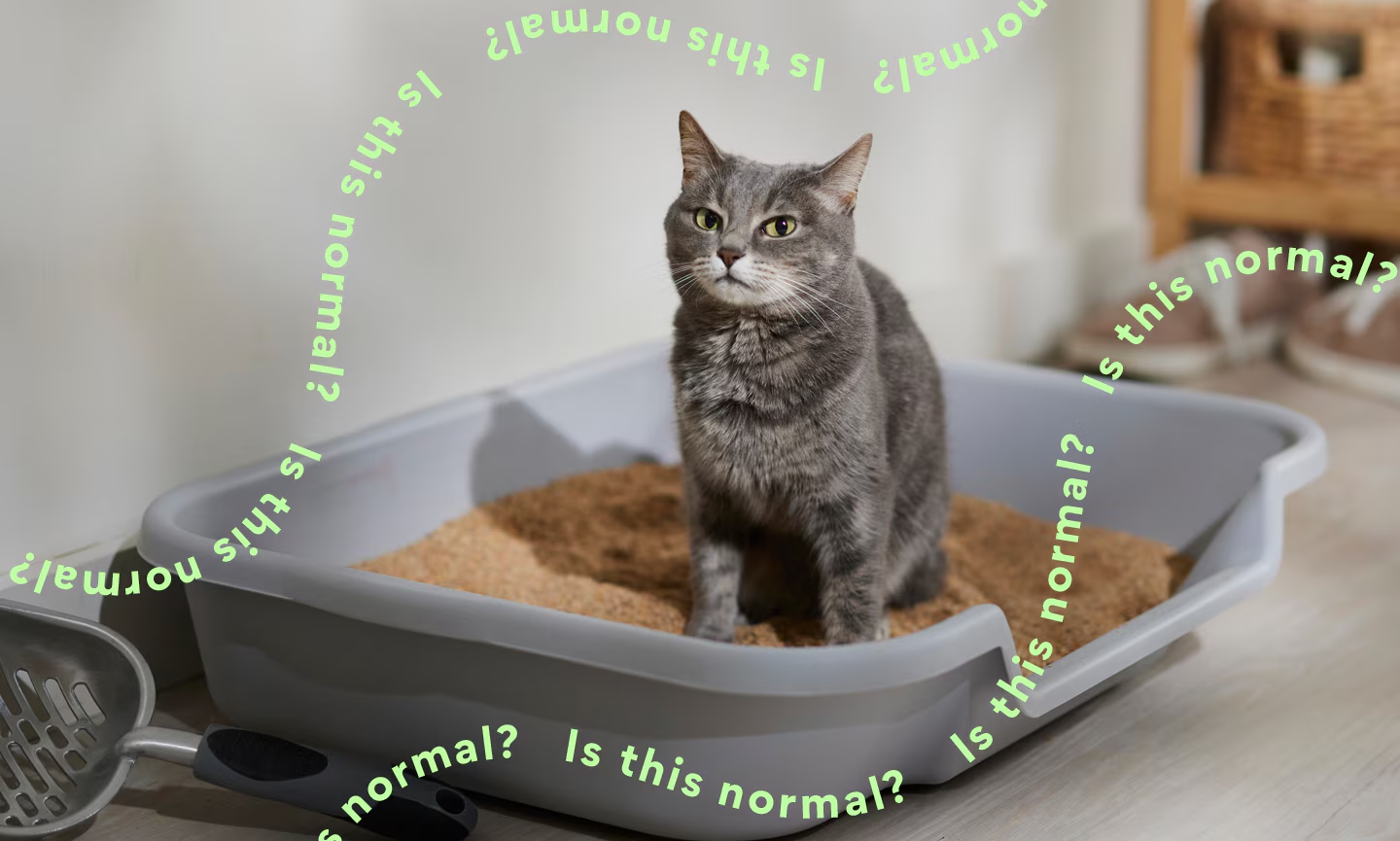
If your cat suddenly stops covering its waste, do not ignore it. This behavioral shift is often a signal worth investigating.
Health Problems
Arthritis, joint pain, or paw injuries can make it physically painful to scratch and dig in the litter box. Senior cats are especially prone to this.
Digestive issues like diarrhea, constipation, and inflammatory bowel disease can create urgency, causing your cat to exit the box quickly without covering. Kidney disease, hyperthyroidism, and diabetes can all disrupt normal litter box habits.
Stress and Anxiety
Cats are creatures of habit. A new pet, a new baby, loud noises, moving homes, or even rearranging furniture can spike anxiety levels significantly.
When stressed, cats may stop covering their poop because they seek comfort in their own scent. Or they may rush out of the litter box quickly because the box itself feels like an unsafe space.
Litter Box Problems
The litter box itself may be the issue. A dirty, small, covered, or poorly placed box can make a cat reluctant to spend time digging inside it.
Cats are sensitive to litter texture, depth, and scent. Switching litter brands suddenly or using scented litter the cat dislikes can cause avoidance behaviors almost overnight.
Dominance Assertion
As covered earlier, a cat asserting territorial dominance — especially in multi-cat households — may intentionally leave waste uncovered. It is a social signal, not negligence.
Early Learning Gaps
Kittens learn litter box behavior partly from their mothers. Kittens separated too early may miss out on this learning and develop inconsistent covering habits into adulthood.
Litter Box Setup: What the Experts Recommend
Getting the litter box environment right is one of the most effective ways to encourage healthy, consistent waste-covering behavior.
| Factor | Expert Recommendation |
|---|---|
| Number of boxes | One per cat, plus one extra |
| Box size | Large enough for the cat to fully turn around |
| Litter depth | At least 2–3 inches of litter |
| Cleanliness | Scoop daily, full clean weekly |
| Placement | Private, quiet, away from food and water |
| Type of litter | Unscented, clumping preferred by most cats |
| Multi-floor home | At least one box per floor |
The gold standard rule: one litter box per cat, plus one. Three cats means four boxes minimum. This prevents territorial disputes and ensures every cat has a comfortable, accessible option.
Do Feral Cats Bury Their Poop?
Feral cats do not always bury their waste, and this is backed by research. A 2009 study found that feral cats bury feces within their home range but may leave it uncovered outside that core territory.
This makes behavioral sense. Inside their home range, burying waste hides their presence from threats. Outside that range — on neutral or rival territory — leaving waste uncovered sends a territorial message to other cats.
This nuanced behavior shows that even wild and feral cats apply context to their waste-covering decisions, not just blind instinct.
Why Cats Smell Their Poop Before Burying It
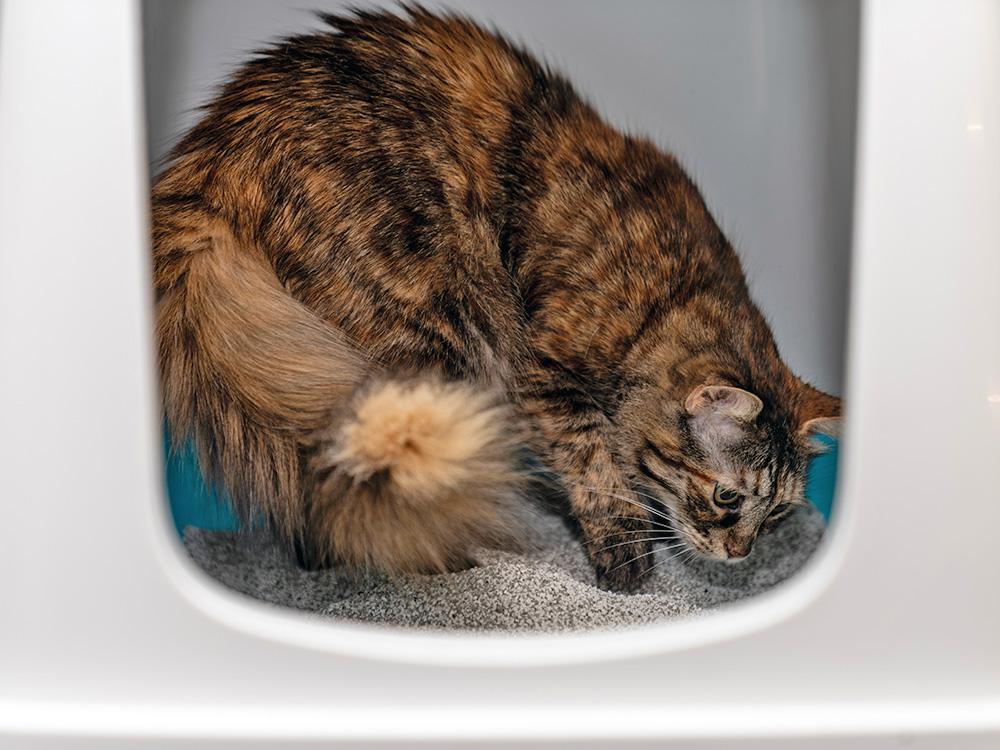
You may have noticed your cat sniffing their waste before carefully covering it. This behavior has a purpose. Cat behaviorist Mieshelle Nagelschneider explains that cats may sniff their feces to monitor their own internal health.
They are essentially doing a quick self-check — assessing whether the scent could attract predators or signal something unusual. It is a brief but purposeful act of self-awareness built into their instinctual routine.
When to Call the Vet
A sudden change in litter box habits — including stopping poop burying — can be the only visible sign of an underlying health problem. Do not wait too long to seek veterinary advice.
Conditions that commonly affect litter box behavior include:
- Osteoarthritis and joint problems
- Urinary tract infections (UTIs)
- Constipation or chronic diarrhea
- Inflammatory bowel disease (IBD)
- Kidney disease or hyperthyroidism
- Diabetes
- Paw injuries or overgrown claws
If the behavior change is sudden and unexplained, schedule a vet appointment promptly. Early detection of these conditions makes treatment significantly more effective.
Encouraging Proper Litter Box Habits: Practical Tips
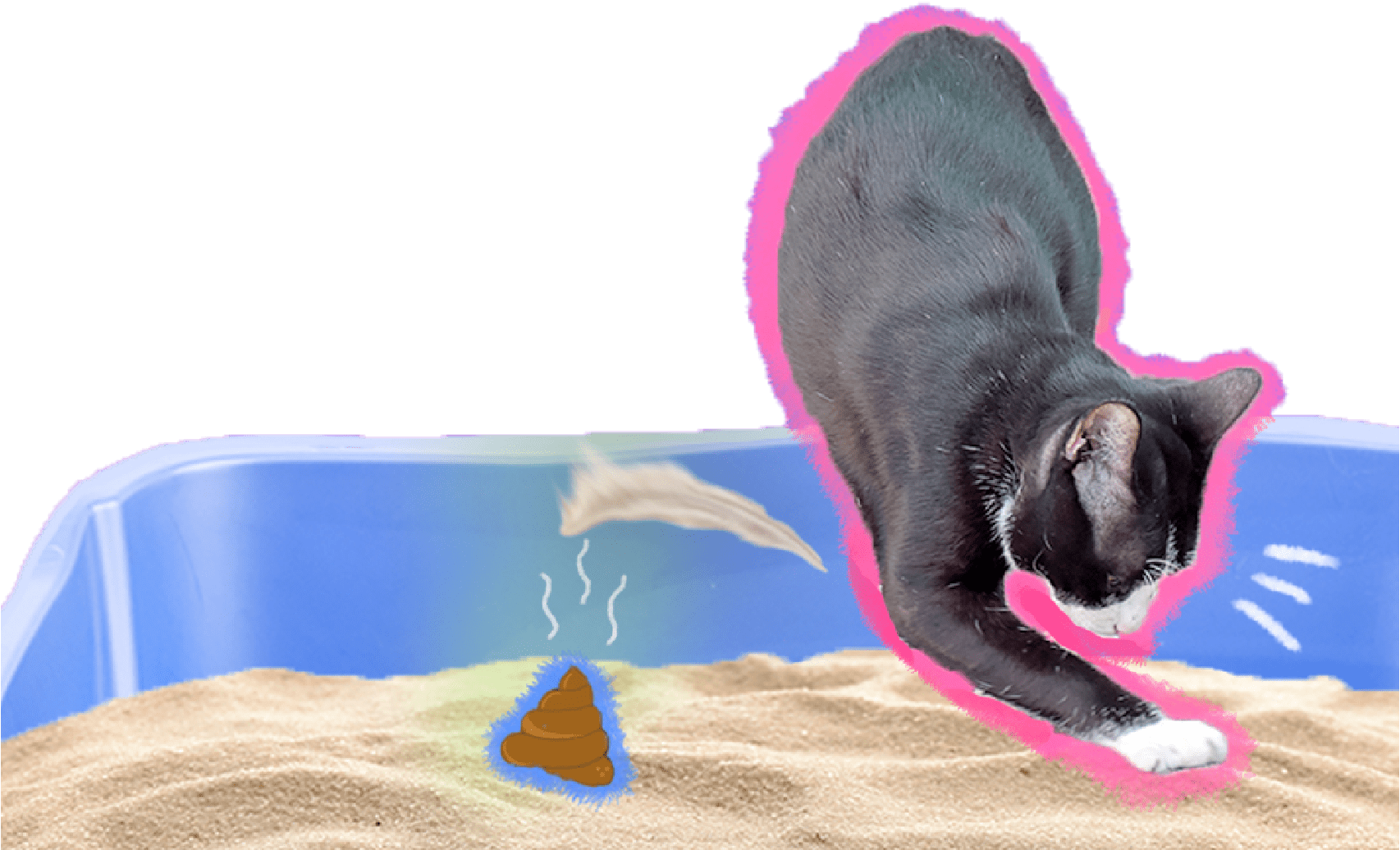
If your cat has stopped covering its poop and health issues have been ruled out, there are several practical steps you can take.
Keep it clean. Scoop the litter box at least once a day. Cats will avoid a dirty box, and many will skip covering waste if the litter is already too soiled to dig in comfortably.
Try different litter types. Experiment with unscented clumping litter. Many cats dislike heavily perfumed litters. Fine-grained, unscented litter tends to be the most universally accepted.
Upgrade the box size. If the box is too small, your cat cannot complete the natural digging and covering sequence. A larger box gives them space to behave naturally.
Reduce stress. Use feline pheromone sprays or diffusers in areas where your cat spends time. Feliway is a widely used brand that many cat owners find effective for anxiety-related behavior issues.
Add more boxes. In multi-cat households especially, providing additional litter boxes in separate, private locations removes competition and territorial pressure.
Cat Poop Burying Behavior by Life Stage
| Life Stage | Typical Behavior |
|---|---|
| Kittens (0–6 months) | Learning from mother; may be inconsistent |
| Young adults (6 months–2 years) | Consistent covering typical in healthy cats |
| Adult cats (2–10 years) | Well-established routine; changes signal issues |
| Senior cats (10+ years) | May slow or stop due to arthritis or mobility |
| Nursing females | Cover more frequently to protect kittens |
Understanding how life stage affects behavior helps you interpret changes with more context and respond appropriately.
Frequently Asked Questions (FAQs)
Why do cats bury their poop in the litter box?
Cats bury their poop by instinct to hide their scent from predators and show submission to dominant members of their social group. Even indoor cats retain this ancient survival behavior.
Is it normal if my cat doesn’t bury its poop?
Yes, in some cases. Dominant cats may intentionally leave waste uncovered as a territorial signal. However, if it is a sudden change, it could indicate stress or a health issue.
Why did my cat suddenly stop covering its poop?
A sudden change often signals a health problem like arthritis, digestive issues, or a UTI. Stress from environmental changes — new pets, moving, loud noise — can also trigger this shift.
Do all cats bury their poop?
Most do, but not all. Wild dominant cats like lions and tigers leave waste uncovered to mark territory. Domestic cats follow similar social logic in multi-pet households.
Why does my cat scratch around the litter box but not cover the poop?
This usually means your cat is going through the motions of the burying ritual but is not satisfied with the litter type, box size, or cleanliness. Try upgrading the box setup.
Can litter box type affect whether my cat buries its poop?
Yes. A box that is too small, has a lid the cat dislikes, uses uncomfortable litter, or is placed in a noisy area can discourage thorough burying behavior.
Do kittens naturally know how to bury their poop?
Kittens learn partly from their mothers and partly by instinct. Those separated too early may have gaps in litter box habits that require patient encouragement from owners.
Why do cats sniff their poop before burying it?
Cats sniff their waste to assess their own health and check whether the scent could attract predators or rival cats. It is a brief but instinctual self-monitoring behavior.
Should I be worried if my senior cat stops burying its poop?
Yes — senior cats are prone to arthritis and joint pain that makes digging uncomfortable. A vet visit is recommended to check for mobility issues or other age-related conditions.
How many litter boxes does my cat need?
The standard recommendation is one litter box per cat, plus one extra. This reduces territorial stress and ensures every cat always has a clean, accessible option.
Conclusion
Why do cats bury their poop? The answer is rooted in millions of years of evolution, survival instinct, and social communication.
From hiding their scent to showing respect for their human household, this behavior tells a rich story about feline psychology.
Understanding it helps you recognize when something is off — whether it is a dirty litter box, rising stress, or a hidden health condition.
The best thing you can do as a cat owner is provide clean, well-placed litter boxes, watch for sudden behavior changes, and consult your vet when something does not feel right.
Your cat is not just being tidy — they are communicating with you in the only language they have always known.
