

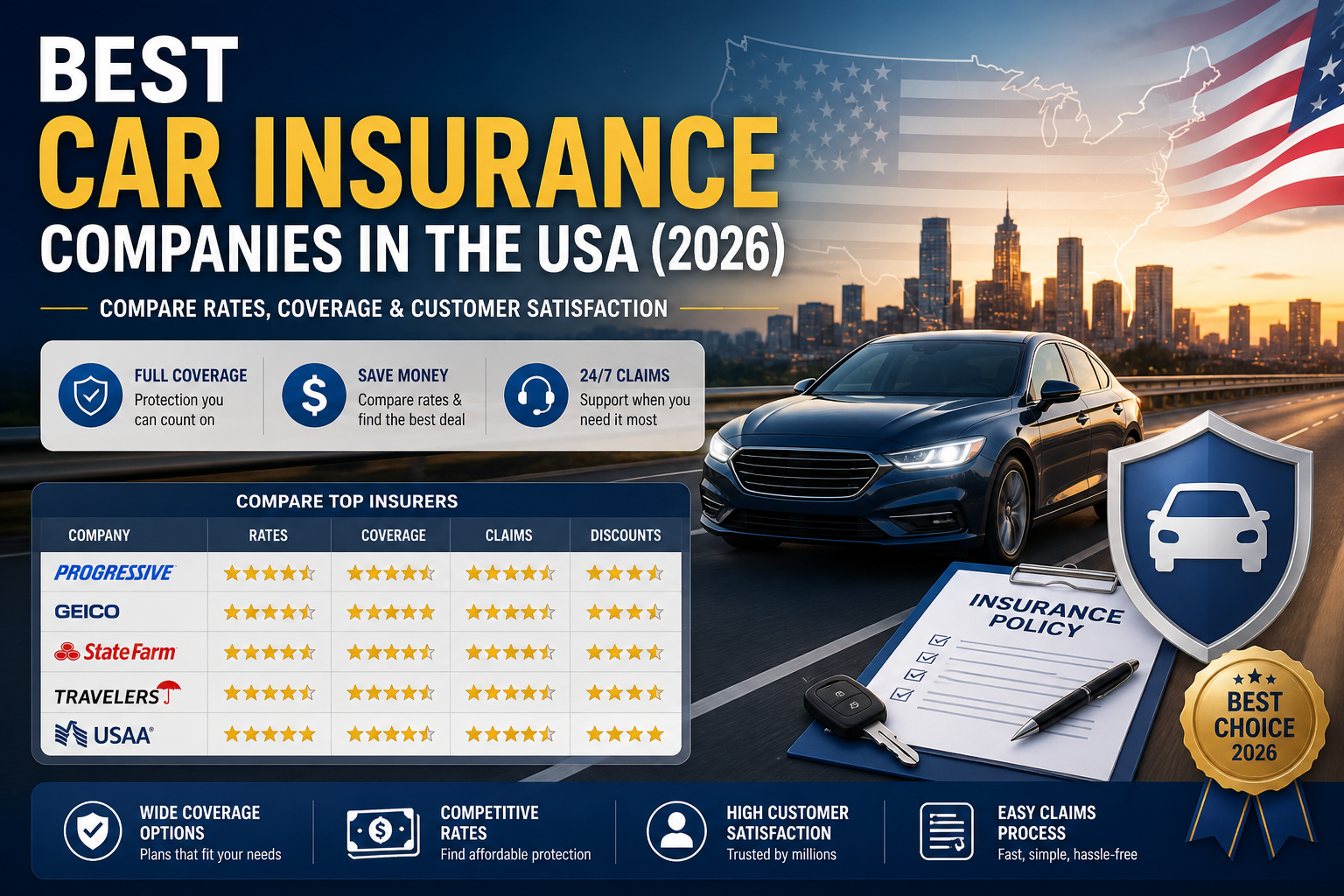
Car insurance in the United States is mostly run by private companies. Drivers compare rates, choose a provider, buy a policy, and file claims through insurers that compete for customers. But what would happen if the government banned private auto insurance companies and replaced them with state-owned insurers?
It would be one of the biggest changes in the history of the U.S. insurance market. Private passenger auto insurance generated more than $344 billion in direct written premiums in 2024, according to NAIC market data. Moving that entire market into government control would affect drivers, insurers, repair shops, lawyers, regulators, and taxpayers.
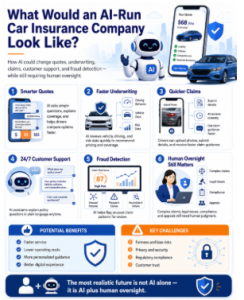
Auto Insurance Would Become More Like a Public Utility
If all car insurance companies became state-owned, auto insurance would probably start to look less like a competitive marketplace and more like a public utility. Instead of choosing between companies such as State Farm, Progressive, GEICO, Allstate, or Farmers, drivers might buy coverage from one state-run insurer in their state.
The government would decide how policies are priced, what coverage is offered, how claims are handled, and how much financial reserve the public insurer must keep. In theory, this could make the system simpler. Drivers would not need to compare dozens of companies, discounts, and policy forms.
However, simplicity would come with a major trade-off: less competition.
Prices Could Become More Stable
One possible advantage of state-owned car insurance is price stability. A public insurer would not need to generate profits for shareholders. It could focus on covering claims, paying operating costs, and keeping premiums affordable.
This might help some drivers, especially those who currently face high rates because of age, credit-based pricing, location, or limited insurance history.
For example, a young driver in a high-cost ZIP code might benefit from a public system that spreads risk more evenly across the population. Instead of being priced mainly by private risk models, that driver could pay a more standardized rate.
But lower prices for some drivers could mean higher prices for others. If the state decides to subsidize high-risk drivers, safer or lower-risk drivers may end up paying more than they would in a competitive private market.
Competition Would Disappear
The biggest downside would be the loss of competition. In the current system, private insurers compete on price, claims service, digital tools, discounts, coverage options, and customer experience.
If private insurers were banned, drivers would no longer be able to shop around for a better deal. A state-owned insurer might offer one standard price structure with fewer options.
That could make it harder for drivers to customize coverage. Someone who wants very basic liability coverage, a low deductible, roadside assistance, accident forgiveness, or usage-based pricing might have fewer choices.
This is why comparison tools would still matter. Even under a public system, drivers would need to understand the real cost of coverage, deductibles, and policy limits. Before buying or changing coverage, it would still be useful to estimate car insurance costs before choosing coverage.
Claims Could Become More Standardized
A state-owned insurance system could make claims more consistent. Instead of each private insurer having different claim procedures, repair networks, and settlement practices, the state could create one uniform process.
This could help reduce confusion. Drivers might know exactly where to file a claim, what documents are required, and how repairs are approved.
However, government-run claims systems could also become slower if they are underfunded or poorly managed. Long wait times, limited staff, strict procedures, and appeals bureaucracy could frustrate drivers after accidents.
The quality of the system would depend heavily on how well each state manages staffing, technology, fraud detection, repair approvals, and customer service.
Taxpayers Could Carry More Risk
Private insurers currently absorb a large amount of financial risk. If claims rise because of storms, repair inflation, lawsuits, or accident severity, private companies must manage those losses through premiums, reserves, and reinsurance.
In a fully state-owned system, taxpayers could become more exposed. If the public insurer charges too little and claims costs rise, the state may need to raise premiums, reduce benefits, borrow money, or use public funds to cover losses.
That means the risk would not disappear. It would move from private companies to the public sector.
Innovation Might Slow Down
Private insurers are not perfect, but competition pushes them to improve. Many companies invest heavily in mobile apps, digital claims, telematics, online quotes, AI fraud detection, and faster customer support.
A state-owned insurer might still innovate, but the pressure would be weaker. Without competitors, the public insurer would not risk losing customers to another company because no private alternative would exist.
This could lead to slower upgrades, older technology, and fewer customer-friendly tools unless the government makes modernization a priority.
Some Drivers Could Benefit
A state-owned system could help drivers who are underserved by the private market. This might include low-income drivers, people in expensive urban areas, drivers with older vehicles, or people who struggle to find affordable minimum coverage.
The government could design a public insurer to guarantee basic coverage access for nearly everyone. California already has a Low Cost Auto Insurance Program for eligible drivers, although that program does not replace the private market. A fully state-owned model would go much further.
Other Drivers Could Pay More
Not everyone would win. Safe drivers with clean records, strong credit, low mileage, and access to discounts might lose the benefits they currently receive from private competition.
If the public insurer spreads costs more evenly, low-risk drivers could subsidize higher-risk drivers. That might make the system feel fairer to some people but unfair to others.
The Insurance Industry Would Be Reshaped Overnight
Banning private auto insurers would affect thousands of jobs and businesses. Agents, brokers, underwriters, claims adjusters, marketing teams, software vendors, and insurance executives would all be impacted.
Some workers might move into the state-run system, but many private-sector roles could disappear or change dramatically.
The government would also need to build or absorb massive infrastructure: call centers, claims teams, pricing systems, fraud departments, legal teams, and customer service platforms.
Corruption, Inefficiency, and the Risk of Re-Privatization
Another major concern would be corruption and political influence. A state-owned auto insurance system would control enormous amounts of money through premiums, claims payments, repair contracts, technology vendors, legal services, and administrative budgets. Whenever one public institution manages that much money with limited competition, the risk of misuse increases.
For example, government officials could award inflated contracts to favored repair networks, towing providers, software companies, or consulting firms. Executives could be appointed for political reasons instead of insurance experience. Over time, some decision-makers might try to use the public insurer as a source of personal enrichment or political power.
This does not mean a public insurance system would automatically become corrupt. Strong audits, public reporting, independent oversight, strict procurement rules, and criminal penalties could reduce the risk. However, corruption would be a real danger if the system lacked transparency.
Large public institutions can also become slower and more bureaucratic over time. If drivers begin experiencing rising premiums, delayed claims, poor customer service, or corruption scandals, public pressure for reform could grow quickly.
In that scenario, the government might eventually decide to reintroduce private competition into the market. Privatization could be presented as a way to improve efficiency, reduce taxpayer exposure, modernize technology, and give drivers more choice.
Supporters of privatization often argue that when a service belongs to everyone collectively, accountability can become weaker because no single company directly bears the consequences of inefficiency. In a competitive private market, insurers must improve pricing, service, and claims handling or risk losing customers.
Critics would still argue that private insurers can prioritize profit too heavily. But if a state-owned monopoly became inefficient, expensive, or politically influenced, the same government that nationalized the industry could eventually be pressured to privatize parts of it again.
The Bigger Picture
If all car insurance companies in the United States became state-owned, the system might become simpler and potentially more affordable for some drivers. It could improve access to basic coverage and reduce the role of profit in insurance pricing.
However, the trade-offs would be serious. Drivers could lose competition, choice, personalized pricing, and private-sector innovation. Taxpayers could also carry more risk if the public system fails to collect enough premium to cover claims.
The real question is not whether public insurance is automatically better or worse. The real question is how well the system is designed. A well-managed public insurer could offer stability and access. A poorly managed one could create delays, deficits, and limited options.
Car insurance is expensive because accidents, repairs, medical bills, litigation, theft, and weather losses are expensive. Whether the insurer is private or state-owned, those costs still have to be paid by someone.
References
- National Association of Insurance Commissioners, 2024 market share data for private passenger auto insurance.
- California Department of Insurance, California Low Cost Automobile Insurance Program.
