

Why are wisdom teeth called wisdom teeth Is a question millions of people search for every year — and the answer is more fascinating than most people expect.
These late-blooming third molars carry a name rooted in ancient Greek, Latin, and 17th-century European language.
Understanding why they are named this way also helps explain when they arrive, why they cause so many problems, and what modern dentistry says about them in 2026.
What Are Wisdom Teeth?
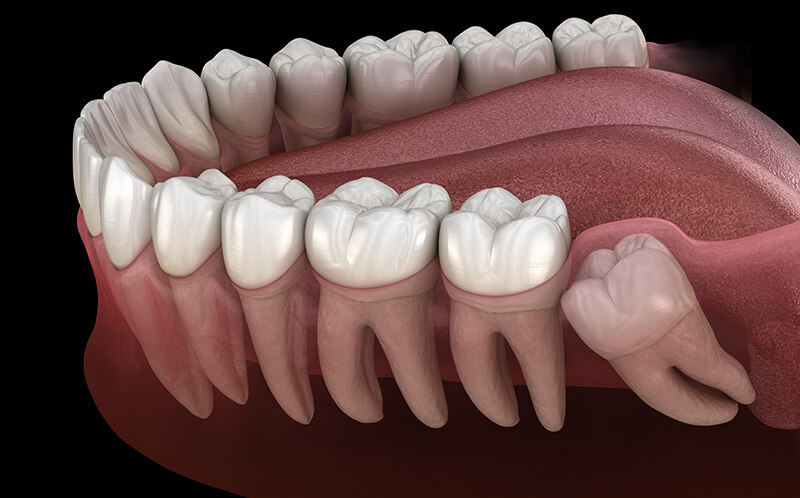
Wisdom teeth are the third set of molars located at the very back of your mouth. Every adult can develop up to four of them — one in each corner of the jaw.
They are the very last permanent teeth to erupt. All your other 28 adult teeth come in during childhood, but wisdom teeth show up years later, typically in your late teens or early twenties.
Dentists and oral surgeons refer to them clinically as third molars or M3. The nickname “wisdom teeth” is purely based on the timing of their arrival.
The Core Reason: Why Are They Called Wisdom Teeth?
The name comes from when they arrive. Wisdom teeth typically erupt between the ages of 17 and 25 — a period historically associated with the transition from youth into adulthood and maturity.
The logic behind the name is simple: by the time these teeth appear, a person is considered older, more mature, and “wiser” than they were as a child when their other teeth came in.
People were not literally claiming the teeth give you wisdom. The name is a reflection of the age and life stage during which the teeth emerge.
The Ancient Greek Origins of the Name
The name traces back to ancient Greece. The Greek term for these teeth was “odontias sophias” — which directly translates to “teeth of wisdom.”
The Greek philosopher Aristotle mentioned these teeth in his famous work The History of Animals, writing that the last molars come in “at the age of twenty years, in the case of both sexes.” He observed the connection between these teeth and adulthood over 2,000 years ago.
In Latin, they were called dens sapientiae — literally “tooth of wisdom.” This Latin term was widely used in medical writings throughout the medieval period.
From “Teeth of Wisdom” to “Wisdom Teeth”
The terminology evolved over the centuries through a clear timeline.
| Time Period | Term Used | Language |
|---|---|---|
| Ancient Greece (300s BC) | Odontias Sophias | Greek |
| Medieval Period | Dens Sapientiae | Latin |
| 17th Century | Teeth of Wisdom | English |
| 19th Century | Wisdom Teeth | Modern English |
| Today | Wisdom Teeth / Third Molars | Global |
The term “teeth of wisdom” was used in English writing from the 17th century onward. The shorter, modern version — “wisdom teeth” — became common in the 19th century and has been the standard ever since.
What Do Other Languages Call Wisdom Teeth?
Different cultures around the world gave these late-arriving molars names that reflect similar ideas about age, maturity, and judgment.
| Language | Term | Translation |
|---|---|---|
| Spanish | Las muelas del juicio | Teeth of judgment |
| Dutch | Verstandskiezen | Far-standing tooth / wisdom tooth |
| German | Weisheitszähne | Wisdom teeth |
| Japanese | 親知らず (Oyashirazu) | Unknown to parents |
| Turkish | Yirmilik dişler | Twenty-year teeth |
| Hebrew | שן בינה (Shen Bina) | Tooth of understanding |
The Spanish name — muelas del juicio or “teeth of judgment” — is especially interesting. It reflects the same idea that these teeth arrive when a person should be mature enough to exercise good judgment.
The Japanese name Oyashirazu (“unknown to parents”) comes from the idea that these teeth come in so late in life that a person may have already left home, so their parents never know about it.
The Science Behind the Timing
The timing of wisdom teeth arrival is not random. It is part of a programmed developmental sequence built into human biology.
All 32 permanent teeth begin forming in the jawbone long before they erupt through the gums. Wisdom teeth start developing around age 7 to 10 inside the jaw, but they don’t push through until the late teens or early twenties.
This delayed eruption is partly why they were associated with wisdom and maturity. By the time they appear, the brain has also undergone significant development.
Recent neuroscience research supports this link. Most researchers believe the human brain does not reach full maturity until around age 25 — roughly the same window when wisdom teeth complete their eruption. This scientific detail gives the ancient naming tradition some modern credibility.
Why Did Humans Evolve Wisdom Teeth?
Understanding why we have wisdom teeth requires looking back millions of years.
Early human ancestors had larger jaws than modern people. Their diet consisted of tough, raw, and abrasive foods — fibrous roots, nuts, uncooked meat, and coarse plant material. This diet caused heavy wear on the molars, and the third molar served as a crucial replacement or backup grinding tool.
The third molar had two main evolutionary purposes:
Grinding tough food. The extra molars provided more chewing surface area to break down rough, unprocessed food.
Replacing worn teeth. When earlier molars wore down from abrasive diets, the wisdom teeth erupted as a natural replacement, keeping chewing function intact.
As human diets shifted — first with the development of cooking, then with agriculture, and eventually with modern food processing — the need for this extra grinding power disappeared.
Why Human Jaws Shrank Over Time
Here is where the modern problem begins. Human jaws have become smaller over thousands of years, but the genetic programming for wisdom teeth has not caught up.
The jaw shrank due to several factors working together over a long time period.
Dietary changes are the biggest driver. As humans cooked and processed food, the jaw muscles were used less intensively. Less mechanical stress on the jaw during development means the bone grows smaller.
Brain expansion also played a role. As the human cranium grew larger to accommodate a bigger brain, the proportions of the skull shifted, leaving less room for a longer jaw.
Agricultural revolution accelerated the shrinkage. Farming introduced softer, grain-based foods that required far less chewing force than a hunter-gatherer diet.
The result is a mismatch: modern humans still develop up to four wisdom teeth, but the jaw often does not have enough room to accommodate them properly.
The Evolutionary Timeline of Wisdom Teeth
| Era | Human Jaw | Diet | Wisdom Teeth Status |
|---|---|---|---|
| 3–4 Million Years Ago | Large, robust | Tough, raw, abrasive | Fully functional, necessary |
| 10,000 Years Ago | Moderately large | Agricultural, cooked foods | Still mostly functional |
| Industrial Age (1800s) | Noticeably smaller | Processed, soft foods | Impaction becomes common |
| Today (2026) | Modern, smaller | Highly processed, soft | Often vestigial, frequently impacted |
| Future Trend | Continuing to shrink | Ultra-processed | ~35% of people already born without them |
Are Wisdom Teeth Vestigial?
Yes. Wisdom teeth are widely classified by scientists as a vestigial structure — a body part that has lost its original function through evolution but has not yet been eliminated.
Other examples of vestigial structures in the human body include the appendix, the coccyx (tailbone), and the plantaris muscle in the leg.
The fact that approximately 35% of people today are born without one or more wisdom teeth is a strong indicator that evolution is actively working to remove them from the human genetic blueprint.
Researchers have linked the absence of wisdom teeth to genetic mutations in the PAX9 and MSX1 genes. These mutations are becoming more common over generations, suggesting that future humans may not develop wisdom teeth at all.
The Oldest Known Impacted Wisdom Tooth
This problem is not new. The oldest recorded case of an impacted wisdom tooth dates back to approximately 13,000 BC, found in a European woman from the Magdalenian period.
However, impaction was relatively rare throughout most of human history. It only became dramatically more common during the Industrial Revolution in the late 19th century, when highly processed, soft foods became widespread. At that point, the rate of wisdom tooth impaction increased roughly tenfold.
Why Wisdom Teeth Cause Problems Today
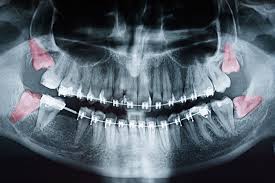
Because the jaw no longer grows large enough to comfortably accommodate third molars, wisdom teeth frequently run into trouble during eruption.
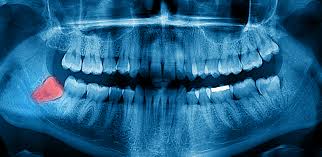
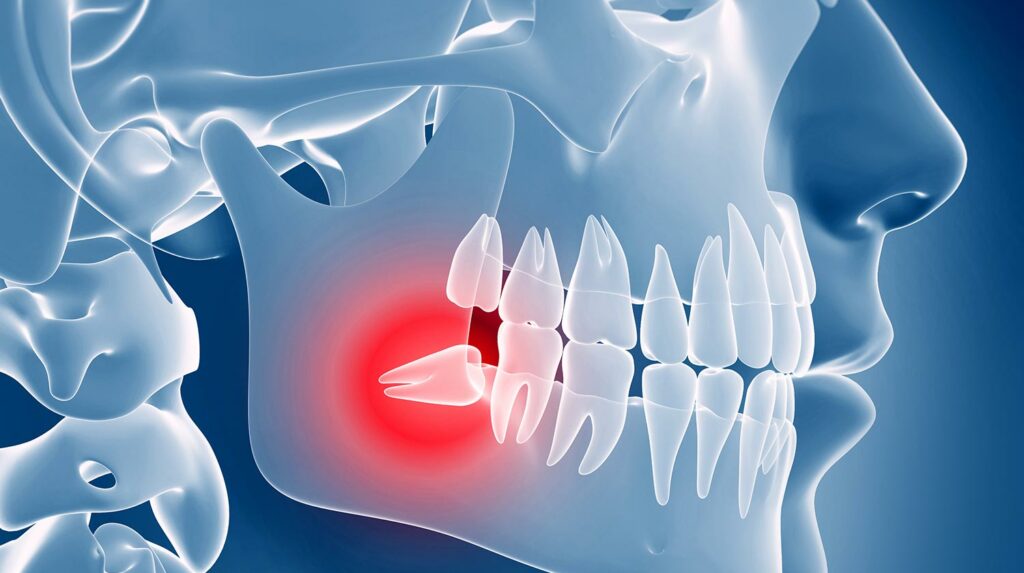
Impaction is the most common issue. An impacted wisdom tooth is one that cannot fully erupt because it is physically blocked by the jawbone, the gum tissue, or the adjacent second molar. It may grow at an angle, remain partially buried under the gum, or stay completely encased in bone.
Crowding is another concern. An erupting wisdom tooth can press against neighboring teeth and push them out of alignment, potentially undoing years of orthodontic work.
Pericoronitis is an infection that occurs when a flap of gum tissue covers a partially erupted wisdom tooth. Bacteria and food particles get trapped under this tissue, causing painful inflammation.
Cyst formation can occur around an impacted tooth. These cysts can expand and damage the surrounding jawbone and the roots of nearby teeth.
Decay is common because wisdom teeth sit so far back in the mouth that they are very difficult to brush and floss properly, making them highly susceptible to cavities.
Common Wisdom Tooth Problems at a Glance
| Problem | Cause | Common Symptom |
|---|---|---|
| Impaction | Not enough jaw space | Pain, pressure, swelling |
| Pericoronitis | Bacteria under gum flap | Swelling, bad taste, fever |
| Crowding | Tooth pushes neighbors | Shifting teeth, bite changes |
| Cyst Formation | Follicle fills with fluid | Jaw swelling, silent damage |
| Decay | Hard to clean location | Toothache, sensitivity |
| Root Damage | Pressure on second molar | Neighboring tooth pain |
Who Needs Their Wisdom Teeth Removed?
Not everyone needs extraction. Removal is generally recommended when wisdom teeth are causing or are clearly about to cause problems.
The American Association of Oral and Maxillofacial Surgeons (AAOMS) recommends early evaluation of wisdom teeth in young adults, even before symptoms appear. Removal is easier and recovery is faster when the tooth’s root structure is not yet fully formed, typically in the late teens or early twenties.
Removal is usually advised in the following situations.
When the tooth is impacted and causing pain or pressure. When there is evidence of infection or gum disease around the tooth. When the wisdom tooth is pushing against or damaging the second molar. When a cyst has formed around an impacted tooth. When decay has developed in a wisdom tooth that cannot be properly cleaned.
If a wisdom tooth has fully erupted, is growing straight, is easy to clean, and is not causing any crowding or damage, it can often be monitored and kept indefinitely.
Signs Your Wisdom Teeth May Need Attention
Even if you feel no pain, there can be silent damage happening underneath the gumline. Look out for these warning signs.
Persistent aching or pressure at the back of the jaw. Swelling or redness in the gums behind your last molar. A bad taste in the mouth or persistent bad breath. Difficulty opening your mouth fully. Tenderness or pain when biting down. Headaches that seem to originate from the jaw.
Always get an X-ray evaluation from a dentist or oral surgeon if you are in your late teens or early twenties and have not yet had your wisdom teeth assessed.
How Dentists Diagnose Wisdom Tooth Issues
Modern dental diagnosis relies on both visual examination and imaging. A traditional two-dimensional X-ray (panoramic radiograph) gives dentists a broad view of where wisdom teeth are positioned in the jaw.
For more complex cases — such as teeth close to major nerves — a cone-beam computed tomography (CBCT) scan provides a three-dimensional view. This helps surgeons plan removal with greater precision and safety.
Wisdom Teeth in Different Cultures and Traditions
Beyond language, different cultures have historically attached meaning to the arrival of wisdom teeth.
In traditional Chinese medicine, the eruption of wisdom teeth was viewed as a critical transition marker — a sign that a person had entered adulthood and taken on greater responsibilities.
In various Native American traditions, the appearance of wisdom teeth symbolized personal growth and spiritual development.
In medieval European traditions, the Latin dens sapientiae was used not just as an anatomical term but as a metaphor — the idea that the body itself was signaling a person’s passage into the age of reason.
How to Care for Your Wisdom Teeth (If You Keep Them)
If your wisdom teeth have erupted properly and your dentist confirms they are healthy, you can keep them — but they require dedicated care.
Brush the area behind your last molar thoroughly, twice a day. Use a water flosser or interdental brush to clean around the wisdom tooth where a regular toothbrush cannot reach. Rinse with an antibacterial mouthwash to reduce bacteria at the back of the mouth. Visit your dentist every six months for monitoring. Report any pain, swelling, or change in bite immediately.
Even healthy wisdom teeth that cause no symptoms should be checked regularly with X-rays, as problems can develop silently over time.
Interesting Facts About Wisdom Teeth in 2026
A few fast facts worth knowing as research and statistics continue to evolve.
About 35% of people are born without one or more wisdom teeth — a number researchers expect to grow over time as genetic trends continue.
9 out of 10 people who develop wisdom teeth have at least one impacted tooth.
The worldwide rate of third molar agenesis (being born without wisdom teeth) is estimated at around 22.63%, though this varies significantly by geography and ancestry.
Some people develop supernumerary wisdom teeth — more than four third molars. These extra teeth are rare but documented.
Wisdom teeth do not grow back once removed. In very rare cases where a patient appears to grow a new wisdom tooth after extraction, it is usually a previously undetected supernumerary tooth that had not yet erupted at the time of surgery.
The oldest known wisdom tooth impaction occurred around 13,000 BC, showing this has been a human challenge for at least 15,000 years.
Quick Comparison: Wisdom Teeth Then vs Now
| Factor | Ancient Humans | Modern Humans (2026) |
|---|---|---|
| Jaw Size | Large | Smaller |
| Diet | Tough, raw, abrasive | Soft, cooked, processed |
| Wisdom Tooth Function | Essential for grinding | Largely unnecessary |
| Impaction Rate | Rare | Very common (~90%) |
| Extraction | Not practiced | Standard dental procedure |
| % Born Without Them | Very rare | ~22–35% globally |
Frequently Asked Questions (FAQs)
Why are wisdom teeth called wisdom teeth?
They are named for the age at which they arrive — between 17 and 25 — which was historically considered the “age of wisdom,” when a person matures into adulthood.
What is the origin of the term “wisdom teeth”?
The term traces back to the ancient Greek odontias sophias and Latin dens sapientiae, both meaning “tooth of wisdom,” and entered modern English in the 17th century.
Are wisdom teeth actually connected to intelligence?
No. The name is purely about timing. Wisdom teeth erupt during adulthood, not because they have any link to intelligence or cognitive ability.
Do all people get wisdom teeth?
No. Roughly 35% of people are born without one or more wisdom teeth, and this rate is increasing as genetic mutations linked to tooth agenesis become more common.
Why do wisdom teeth cause so many problems?
Modern human jaws are smaller than those of our ancestors, so there is often not enough room for wisdom teeth to erupt properly, leading to impaction, crowding, and infection.
At what age do wisdom teeth typically come in?
Wisdom teeth usually erupt between the ages of 17 and 25, though some people see them appear slightly earlier or later.
What are impacted wisdom teeth?
Impacted wisdom teeth are third molars that cannot fully emerge because they are blocked by the jawbone, gum tissue, or adjacent teeth, often growing at an angle.
Is it necessary to remove wisdom teeth?
Not always. Removal is only necessary if the teeth are causing problems such as pain, infection, crowding, or decay — or if a dentist foresees these issues developing.
What did other cultures call wisdom teeth?
Spanish speakers call them muelas del juicio (teeth of judgment), while Japanese speakers say Oyashirazu (unknown to parents), and Turkish speakers use “twenty-year teeth.”
What is the evolutionary future of wisdom teeth?
Scientists believe wisdom teeth are being gradually eliminated through evolution. About 22–35% of people globally are already born without them, and the genetic mutations responsible are becoming more widespread.
Conclusion
Why are wisdom teeth called wisdom teeth comes down to one simple truth: they show up when you are older and presumably wiser.
The name stretches back over two thousand years to ancient Greek and Latin, passed through the 17th century as “teeth of wisdom,” and settled into the modern term we use today.
These third molars were genuinely useful to our ancestors — their large jaws and tough diets made a third set of molars a real asset.
But as human jaws shrank and diets softened over thousands of years, wisdom teeth became more of a liability than an asset.
Today, they are classified as vestigial structures, and in 2026, roughly a third of the global population is born without them.
Whether you keep yours or have them removed, understanding the name and history behind these teeth makes the whole experience a little more interesting — and a little less daunting.
