

Why do my legs feel heavy and weak? If you have ever ended a long day feeling like your legs are made of concrete, you are not alone. Millions of people worldwide deal with this dragging, weighted sensation daily.
Heavy, weak legs can range from simple muscle fatigue after exercise to a sign of serious circulatory or nerve conditions. Understanding the root cause is the first step toward real, lasting relief.
What Does It Mean When Your Legs Feel Heavy and Weak?
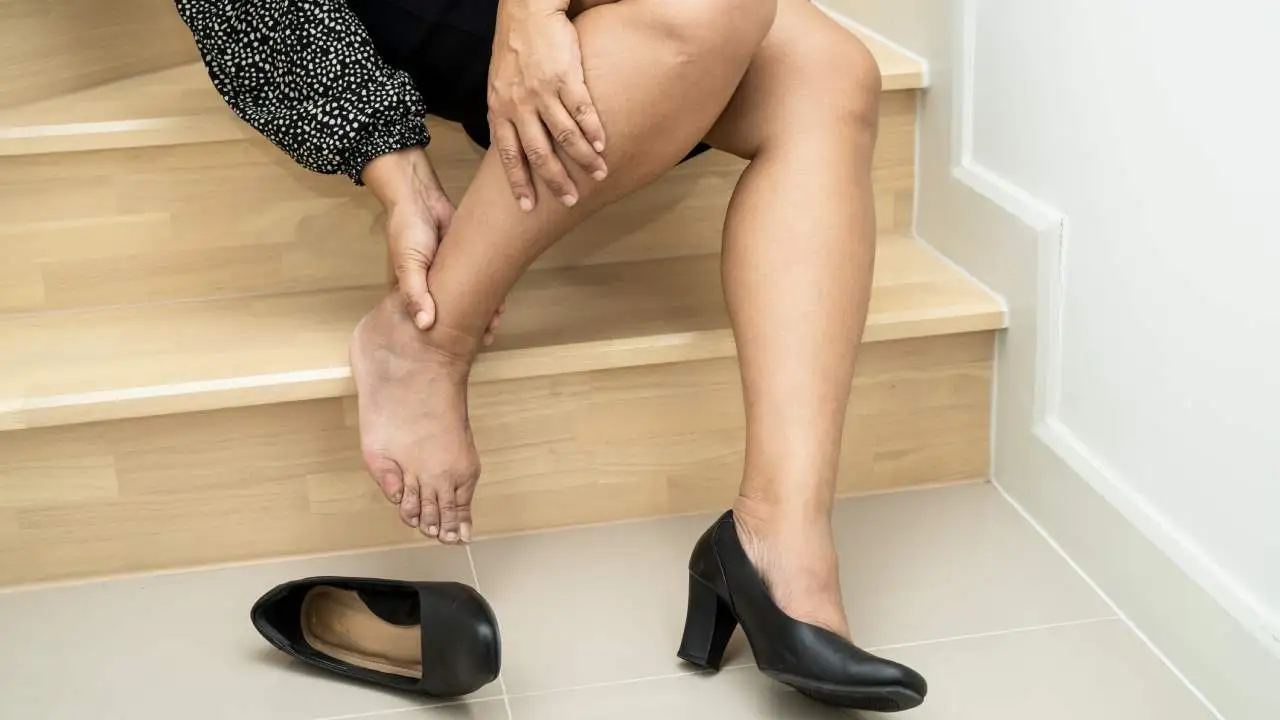
Heavy legs describe a sensation of weight, stiffness, or sluggishness in the lower limbs. People often say their legs feel like they are “dragging through sand” or “filled with lead.”
Weakness, on the other hand, is a loss of actual muscle strength. You may struggle to rise from a chair, climb stairs, or bear your own body weight.
Both sensations can occur together or separately, and each points to a different underlying cause.
Heavy Legs vs. Weak Legs: Key Differences
| Feature | Heavy Legs | Weak Legs |
|---|---|---|
| Main feeling | Weighted, sluggish, tired | Reduced strength, giving out |
| Common causes | Poor circulation, CVI, fatigue | Nerve damage, spine issues, stroke |
| Worsens with | Long standing/sitting | Walking, climbing stairs |
| Relieved by | Leg elevation, rest | Depends on cause |
| Urgency | Moderate | High if sudden onset |
Top Causes of Heavy and Weak Legs
Chronic Venous Insufficiency (CVI)
Chronic venous insufficiency is one of the most common reasons legs feel heavy, especially at the end of the day. It occurs when the one-way valves inside leg veins weaken and stop working properly.
When these valves fail, blood cannot travel efficiently back up to the heart. It pools in the lower legs, increasing internal vein pressure and creating that heavy, aching sensation. CVI often worsens as the day goes on and typically improves when the legs are elevated.
If left untreated, CVI can progress to varicose veins, skin changes, and even ulcers.
Varicose Veins
Varicose veins are enlarged, twisted, bulging veins that form when vein walls lose their elasticity. They are very common in people who stand or sit for long periods.
When blood pools in dilated veins, it increases leg pressure and creates heaviness. Many people with varicose veins report aching, swelling, and a tired sensation especially by late afternoon.
Up to 73% of people worldwide develop varicose veins at some point in their lives.
Peripheral Artery Disease (PAD)
Peripheral artery disease occurs when fatty deposits build up in the walls of arteries, narrowing them and reducing blood flow to the legs. This lack of oxygen-rich blood causes legs to feel heavy, weak, or cramped, a sensation known as claudication.
Symptoms typically appear during physical activity and improve with rest. Around 20% of PAD patients report no symptoms at all, making early screening important.
Risk factors include smoking, diabetes, high blood pressure, and high cholesterol.
Deep Vein Thrombosis (DVT)
DVT occurs when a blood clot forms deep inside a leg vein, blocking blood flow. It causes significant swelling, warmth, and heaviness usually on one side.
DVT is a medical emergency. If the clot breaks loose and travels to the lungs, it can cause a pulmonary embolism, which is life-threatening.
Seek immediate medical care if one leg suddenly becomes swollen, red, and heavy.
Restless Legs Syndrome (RLS)
Restless legs syndrome causes an irresistible urge to move the legs, often accompanied by a creeping, tingling, or heavy pulling sensation. Symptoms are typically worse at night and temporarily relieved by movement.
RLS is linked to dopamine imbalances in the brain and is associated with iron deficiency, pregnancy, and chronic venous insufficiency. It affects sleep quality significantly and can lead to chronic fatigue.
Muscle Fatigue and Overtraining
Intense or prolonged exercise causes lactic acid to build up in muscles. Overworked muscles that do not get enough rest produce a heavy, sluggish sensation that affects performance and daily movement.
When muscles are pushed beyond their capacity day after day, they do not have time to repair. The result is persistently heavy, weak legs that perform poorly even during light activity.
Rest, hydration, and proper recovery are the primary fixes for exercise-related leg heaviness.
Dehydration and Electrolyte Imbalance

When the body lacks sufficient fluids, muscles cannot function properly. Dehydration reduces blood circulation and nutrient transport to muscle tissue, leaving legs feeling heavy and fatigued.
A deficiency in essential nutrients like iron, magnesium, or potassium makes things worse. These minerals are vital for proper blood flow and muscle contraction.
Studies show that dehydrated individuals report higher perceived exertion, meaning they feel heavier and more tired even at the same workload.
Lumbar Spinal Stenosis
Spinal stenosis occurs when the spinal canal narrows and compresses the spinal cord or surrounding nerves. These nerves control muscle movement in the legs, so any disruption causes weakness, numbness, and heaviness.
Symptoms typically worsen with walking or standing and improve with sitting or leaning forward. This condition is more common in older adults due to natural spinal aging.
Obesity, smoking, and previous spinal injuries increase the risk.
Lymphedema
Lymphedema occurs when damaged or blocked lymphatic vessels cannot circulate fluid throughout the body. Fluid pools in the legs, creating feelings of fullness, tightness, and heaviness.
It often develops after cancer treatment, surgery, or infection that damages lymph nodes. Lymphedema is a chronic condition but can be managed with compression therapy, exercise, and lymphatic massage.
Hormonal Changes and Pregnancy
Changes from pregnancy or menopause cause veins to dilate, making it harder for veins to pump blood back to the heart. This leads to increased fluid retention and a persistent heavy sensation in the legs.
During pregnancy, the growing uterus also puts direct pressure on pelvic veins, slowing blood return from the legs. Leg heaviness during pregnancy usually improves after delivery.
Risk Factors That Make Heavy Legs Worse
| Risk Factor | How It Contributes |
|---|---|
| Prolonged sitting or standing | Reduces blood circulation in the legs |
| Obesity | Adds pressure on leg veins and valves |
| Smoking | Constricts blood vessels and damages vein walls |
| Sedentary lifestyle | Weakens calf muscle pumps |
| Old age | Natural weakening of vein valves |
| Family history | Genetic predisposition to vein disease |
| High salt intake | Promotes fluid retention and swelling |
Warning Signs: When to See a Doctor Immediately
Some symptoms alongside heavy legs are red flags that need urgent medical evaluation.
Seek care right away if you notice sudden one-sided leg swelling with redness and warmth, as this can indicate DVT. Also get immediate help if leg weakness is accompanied by facial drooping, slurred speech, or arm weakness, which are signs of stroke.
Other urgent symptoms include new or sudden loss of bladder or bowel control, severe leg pain at rest, skin that is dark, discolored, or ulcerated, and coldness or paleness in one leg compared to the other.
How to Fix Heavy and Weak Legs: Proven Solutions
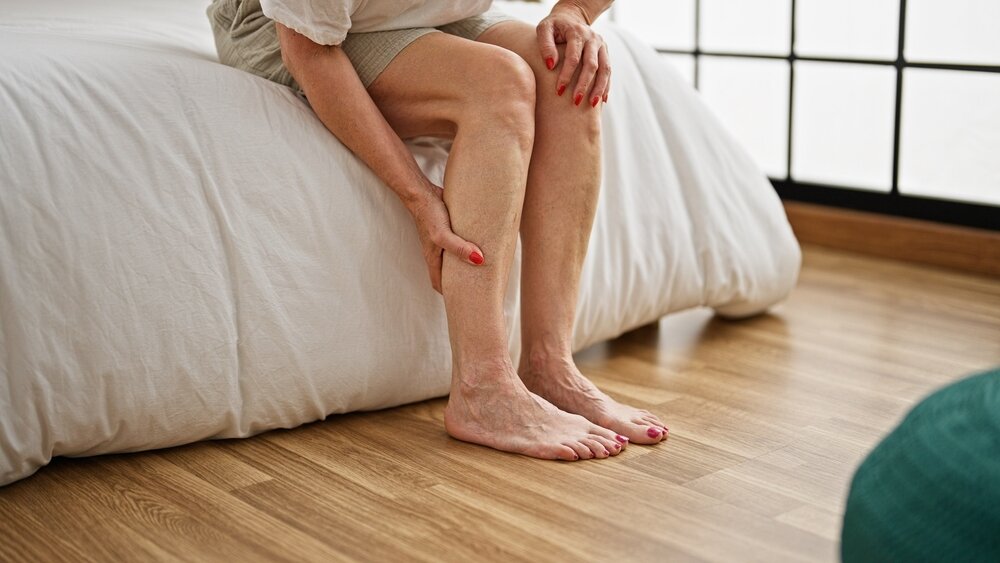
Elevate Your Legs Daily
Leg elevation is one of the most effective and simplest ways to relieve heaviness. Lie down and prop your legs on pillows so they rest above your heart level.
Do this for 15 to 20 minutes several times a day. It helps blood and fluid drain from the lower legs back toward the heart, reducing pressure and that concrete-like sensation.
Wear Graduated Compression Socks
Compression socks apply gentle, graduated pressure to the legs — tighter at the ankle and gradually looser toward the knee. This design pushes blood and fluid upward, preventing pooling.
They are especially helpful for people who stand or sit for long periods at work. Studies confirm that compression socks reduce leg fatigue, swelling, and heaviness when used consistently.
Choose socks that fit snugly but not so tight that they are uncomfortable. A vein specialist can advise on the right compression level for your condition.
Stay Hydrated and Fix Your Nutrition
Drinking enough water throughout the day keeps muscles functioning properly and supports circulation. Aim for at least 2 litres of water daily, more if you are active or in hot weather.
Focus on foods rich in potassium (bananas, avocados), magnesium (nuts, leafy greens), and iron (lean meats, legumes). These nutrients directly support blood flow and muscle performance.
Reduce sodium intake to minimize fluid retention and swelling in the legs.
Move Every Hour
Prolonged sitting or standing is a major trigger for heavy legs. Take short movement breaks every hour to activate the calf muscle pump, which pushes blood back up toward the heart.
Simple calf raises, ankle circles, and short walks are highly effective. Even flex your feet up and down while seated to contract calf muscles and improve venous return.
Exercise Regularly to Strengthen Leg Circulation
Regular aerobic exercise like walking, cycling, and swimming strengthens leg muscles and dramatically improves circulation. A 30-minute walk five days a week is a solid starting point.
Calf raises, lunges, and squats also build the leg muscles that support vein function. Always allow adequate rest between intense sessions to prevent overtraining-related heaviness.
Yoga poses that involve leg elevation, like legs-up-the-wall, offer added circulatory benefits.
Try Cold and Warm Hydrotherapy
Alternating between cold and warm water on the legs stimulates blood vessel activity and reduces fatigue. Cold water causes vessels to constrict while warm water causes them to dilate, creating a pumping effect.
Finish showers with a 30-second cold rinse on your legs. You can also alternate between warm and cold footbaths for 10 to 15 minutes in the evening.
This approach works especially well after long days of standing or intense exercise.
Get a Leg Massage
A gentle upward-stroking massage from the feet toward the thighs improves circulation and relieves muscle tension. Use warm olive or coconut oil and massage twice daily for best results.
For more serious venous or lymphatic issues, seek a trained lymphatic drainage therapist. Professional massage is more targeted and can clear fluid from deep tissues.
Medical Treatments for Persistent Heavy Legs
When lifestyle changes are not enough, medical options are available.
For CVI and varicose veins, treatments include sclerotherapy (injecting veins with an irritant to collapse them), endovenous laser treatment (sealing veins with laser heat), radiofrequency ablation, and VenaSeal (a medical glue to seal faulty veins).
For PAD, doctors may recommend medication, angioplasty to widen narrowed arteries, or surgery. For neurological causes, physical therapy, steroid injections, or spinal surgery may be needed depending on severity.
Exercises Specifically for Heavy and Weak Legs
Calf Raises
Stand with feet hip-width apart and slowly rise up onto your toes, then lower back down. Do 15 to 20 repetitions three times daily.
This directly activates the calf muscle pump, the most powerful circulatory mechanism in the lower leg.
Ankle Circles
While seated or lying down, rotate each foot slowly in a full circle ten times in each direction. This keeps the ankle joint mobile and promotes blood flow throughout the lower leg.
It is an ideal desk exercise for office workers to do every hour.
Legs-Up-the-Wall Pose
Lie on your back and extend your legs vertically up a wall. Hold this position for 5 to 10 minutes to drain fluid from the lower legs passively.
This is especially effective before bed to reduce overnight swelling and morning stiffness.
Squats and Lunges
Squats and lunges strengthen the quadriceps, hamstrings, and calf muscles, all of which support circulation and stability. Start with bodyweight versions and add resistance gradually.
Aim for 3 sets of 10 to 15 repetitions, three times a week for progressive strength building.
Daily Habits That Prevent Heavy and Weak Legs
Building these habits into your routine can prevent leg heaviness before it becomes a problem.
Quit smoking, as compounds in cigarettes constrict blood vessels and accelerate vein damage. Maintain a healthy weight through a balanced diet and regular activity to reduce pressure on leg veins.
Avoid prolonged sitting or standing without breaks. Use a footrest at your desk, take walking meetings, and switch positions frequently throughout the day.
Sleep with your legs slightly elevated if you experience heaviness at night. A simple pillow under the calves makes a meaningful difference in overnight circulation.
Nutrition Guide for Healthier Leg Circulation
| Nutrient | Best Food Sources | Benefit |
|---|---|---|
| Potassium | Bananas, avocados, sweet potatoes | Reduces fluid retention |
| Magnesium | Nuts, seeds, dark leafy greens | Supports muscle function |
| Iron | Lean meats, lentils, spinach | Prevents RLS and fatigue |
| Vitamin C | Citrus fruits, bell peppers | Strengthens vein walls |
| Omega-3 fatty acids | Fatty fish, flaxseed, walnuts | Reduces inflammation |
| Water | Plain water, herbal teas | Supports circulation |
When Heavy Legs Are a Medical Emergency
Heavy legs combined with any of the following symptoms require immediate emergency care.
Sudden asymmetric swelling of one leg with redness and warmth signals a possible DVT. Leg weakness appearing suddenly alongside facial drooping, arm weakness, or slurred speech indicates a stroke.
Loss of bladder or bowel control alongside leg weakness points to cauda equina syndrome, a spinal emergency. Severe chest pain with leg swelling may indicate a pulmonary embolism from a blood clot that has traveled to the lungs.
Do not wait to seek care in any of these situations.
Frequently Asked Questions (FAQs)
Why do my legs feel heavy and weak when I wake up?
Morning leg heaviness is often caused by overnight fluid pooling in leg tissues, especially with venous insufficiency. Elevating legs at night and doing morning ankle exercises can help reduce it significantly.
Can dehydration cause heavy and weak legs?
Yes, dehydration reduces blood flow efficiency and impairs muscle performance, leading to fatigue and a sensation of heaviness. Drinking adequate water daily and replenishing electrolytes resolves this quickly in most cases.
Are heavy legs a sign of heart problems?
Heavy legs can sometimes indicate heart failure or poor cardiac output, especially if they are accompanied by ankle swelling, breathlessness, and fatigue. A doctor should evaluate persistent unexplained leg heaviness alongside these symptoms.
What deficiency causes heavy legs?
Iron, magnesium, and potassium deficiencies are commonly linked to heavy and weak legs. These nutrients support blood flow, oxygen transport, and muscle contraction, and a blood test can identify any deficiencies.
Do compression socks really help heavy legs?
Yes, graduated compression socks are clinically proven to reduce leg heaviness, swelling, and discomfort. They work by applying gentle pressure to push blood and fluid upward, preventing pooling in the lower legs.
Can anxiety cause legs to feel heavy and weak?
Yes, anxiety triggers muscle tension and alters breathing, which can reduce oxygen delivery to muscles and cause legs to feel weak, shaky, or heavy. This usually resolves when anxiety is managed through relaxation techniques or therapy.
Why do my legs feel heavy when I walk?
Leg heaviness during walking is often caused by peripheral artery disease (PAD), where narrowed arteries reduce blood flow to leg muscles. It can also result from spinal stenosis or severe venous insufficiency that worsens with activity.
Is it normal for legs to feel heavy during pregnancy?
Yes, leg heaviness is very common during pregnancy due to increased blood volume, hormonal changes, and uterine pressure on pelvic veins. Compression socks, hydration, and regular gentle movement help manage it effectively.
Can sitting all day cause heavy legs?
Absolutely. Prolonged sitting reduces calf muscle activity, which is the primary pump that pushes blood back from the legs to the heart. Blood pools in the lower legs, causing heaviness, swelling, and fatigue by day’s end.
How long does it take to fix heavy legs?
For lifestyle-related causes, improvement can be felt within days of consistent hydration, movement, and compression. For medical causes like CVI or PAD, treatment timelines vary but most patients see improvement within weeks of starting the right therapy.
Conclusion
Why do my legs feel heavy and weak? The answer almost always comes back to how well blood and oxygen are reaching your leg muscles.
Whether the culprit is chronic venous insufficiency, poor circulation from prolonged sitting, dehydration, nerve compression, or overtraining, there are real and proven solutions for every scenario.
Start with the basics: stay hydrated, move every hour, elevate your legs daily, and wear compression socks if you stand or sit for long periods.
Add regular exercise to strengthen the calf muscle pump and support your veins. Improve your diet with potassium, magnesium, and iron-rich foods.
If heaviness is persistent, worsening, or paired with swelling, skin changes, or sudden weakness, do not delay medical evaluation.
Early diagnosis of venous or arterial disease leads to faster and simpler treatment. Take your leg symptoms seriously in 2026. Your circulation and long-term mobility depend on the choices you make today.
