

Why am I suddenly getting ocular migraines is a question more people are asking in 2026 than ever before.
Ocular migraines, also called retinal migraines, are temporary visual disturbances that affect one eye and can appear without warning.
They cause flashing lights, blind spots, zigzag patterns, and even short-term vision loss. While they are usually harmless, a sudden onset can feel terrifying.
What Is an Ocular Migraine?
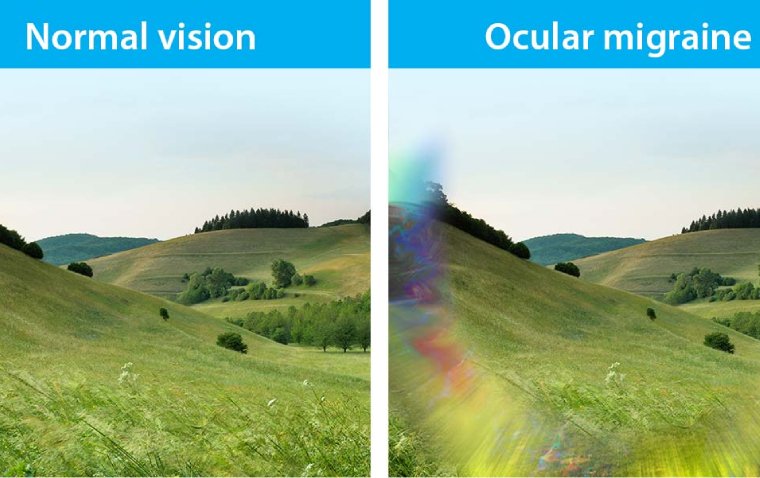
An ocular migraine is a brief episode of visual disturbance affecting one eye. It is caused by reduced blood flow or spasms of blood vessels in the retina or behind the eye.
Unlike a migraine with aura, which affects both eyes, an ocular migraine targets only one eye. The symptoms are produced in the eye itself, not just the brain.
Visual symptoms typically last less than 60 minutes and then fully resolve. In most cases, no permanent damage occurs to the eye or vision.
Ocular Migraine vs. Migraine with Aura
| Feature | Ocular Migraine | Migraine with Aura |
|---|---|---|
| Eyes affected | One eye | Both eyes |
| Origin | Retina / eye blood vessels | Visual cortex in brain |
| Visible with eyes closed | No | Yes |
| Headache follows | Sometimes | Often |
| Duration | Under 60 minutes | 20–60 minutes |
| Risk of vision damage | Rare but possible | Very rare |
Why Am I Suddenly Getting Ocular Migraines?
This is the core question. A sudden onset usually points to a new trigger that has entered your life. Below are the most common and medically recognized reasons.
1. Increased Stress Levels
Stress is one of the most well-documented triggers for ocular migraines. It creates a cycle where stress triggers the migraine, and the migraine creates more stress.
If your work, relationships, or life responsibilities have recently changed, your nervous system may be responding by causing vascular spasms in the eye.
Managing stress through exercise, sleep, and breathing techniques can break this cycle.
2. Hormonal Fluctuations
Hormonal changes are a major factor, especially in women. Drops in estrogen levels during menstruation, pregnancy, or perimenopause can trigger ocular migraines.
Starting or changing hormonal contraceptives is another common cause of sudden onset. The shift in hormone balance directly influences blood vessel behavior around the eye and brain.
If your ocular migraines began around a hormonal change, speak to your doctor about adjusting your contraception or hormone therapy.
3. Dehydration
Dehydration is one of the most overlooked causes of ocular migraines. Even mild fluid loss can narrow blood vessels and reduce oxygen delivery to the retina.
People who work long hours, exercise heavily, or live in hot climates are especially vulnerable. Drinking more water consistently throughout the day is one of the simplest preventive steps.
Aim for at least 8 to 10 glasses of water daily, increasing intake during exercise or heat.
4. Dietary Triggers
Certain foods and drinks are strongly linked to ocular migraines. These include red wine, chocolate, caffeine, MSG, artificial sweeteners, food preservatives, and nitrate-rich processed meats.
If you have recently changed your diet or started eating more of these foods, that change may be responsible for your sudden symptoms.
Keeping a food diary alongside a headache journal is the best way to identify your specific dietary triggers.
5. High Blood Pressure
Elevated blood pressure puts extra strain on blood vessels throughout the body, including in the retina. People with uncontrolled hypertension are at higher risk of ocular migraines.
If you have not had your blood pressure checked recently, now is the time. Managing it through diet, exercise, and medication (if prescribed) can significantly reduce migraine frequency.
A blood pressure reading above 140/90 mm Hg warrants immediate medical attention.
6. Screen Time and Blue Light Exposure
Prolonged screen use causes eye strain, which can lead to visual disturbances and trigger ocular migraines. Flickering lights, including fluorescent office lighting, are also known triggers.
If you have recently increased your screen time due to remote work or a new job, this could be the direct cause of your sudden migraines.
Using blue light glasses, following the 20-20-20 rule (every 20 minutes, look 20 feet away for 20 seconds), and adjusting screen brightness can help.
7. Sleep Disruption
Poor sleep or irregular sleep patterns destabilize the nervous system and lower the threshold for migraine episodes. Both too little and too much sleep can be triggers.
A recent change in your sleep schedule, jet lag, shift work, or a new baby at home can all spark sudden ocular migraine onset.
Establishing a consistent sleep schedule with 7 to 9 hours of sleep per night is one of the most powerful preventive measures available.
8. Caffeine Changes
Caffeine has a complicated relationship with migraines. Too much caffeine daily can trigger migraines. Suddenly stopping caffeine after regular use also commonly causes withdrawal migraines.
If you recently started drinking more coffee or energy drinks, or abruptly stopped your daily caffeine habit, this may explain your sudden onset.
Gradual reduction rather than cold-turkey stopping is recommended if you are trying to cut caffeine.
9. Smoking and Alcohol
Cigarette smoke, including secondhand smoke, is a well-established migraine trigger. The chemicals in smoke cause blood vessel constriction and reduce oxygen supply.
Alcohol, particularly red wine, contains histamines and tannins that can directly trigger ocular migraines in susceptible people.
Reducing or eliminating both can have a rapid effect on migraine frequency.
10. Changes in Weather or Environment
Sudden changes in weather, barometric pressure, humidity, or temperature can trigger ocular migraines. People who are migraine-sensitive often notice they get attacks before storms or during extreme heat.
Exposure to strong odors, loud noises, or bright sunlight are environmental triggers that can also spark an episode without warning.
Being aware of weather patterns and protecting yourself with sunglasses and ear protection in stimulating environments can reduce exposure.
11. Low Blood Sugar (Hypoglycemia)

Skipping meals causes blood sugar to drop, and hypoglycemia is a recognized migraine trigger. The brain and retina depend on steady glucose levels to function properly.
If you have been skipping breakfast, eating irregularly, or dieting aggressively, your sudden ocular migraines may be directly linked to blood sugar crashes.
Eating small, balanced meals every 3 to 4 hours keeps blood sugar stable and reduces migraine risk.
12. Genetic Predisposition
If you have a family history of migraines, your risk of developing ocular migraines is significantly higher. Genetics plays a strong role in how your blood vessels and nervous system respond to various triggers.
Sometimes ocular migraines appear for the first time in your 30s or 40s even if you had no prior migraine history. This is because age-related changes in hormones and blood vessel elasticity can activate a genetic tendency.
Women between 30 and 39 with a family history of migraines are the highest-risk group.
13. New Medications
Some prescription medications list migraines or visual disturbances as side effects. Blood pressure drugs, antidepressants, and hormonal medications are among the most common offenders.
If you recently started a new medication and noticed ocular migraines shortly after, tell your prescribing doctor. They may be able to switch you to an alternative.
Never stop a prescription medication without consulting your doctor first.
14. Underlying Eye Conditions
In some cases, sudden ocular migraines can be linked to underlying eye conditions like increased intraocular pressure, early glaucoma, or vascular problems in the retina.
A comprehensive dilated eye exam can rule out structural causes. This is especially important if your visual disturbances are getting more frequent or severe.
Do not assume all visual disturbances are benign migraines without a proper diagnosis.
Symptoms of Ocular Migraines
Knowing the symptoms helps you distinguish ocular migraines from more serious conditions.
| Symptom | Description |
|---|---|
| Blind spot (scotoma) | A dark or empty area in your vision, usually starting small and growing |
| Shimmering or twinkling lights | Scintillating edges around the blind spot |
| Temporary vision loss | Complete loss of vision in one eye, usually lasting under 20 minutes |
| Zigzag or wavy lines | Often described as kaleidoscope vision |
| Headache | May follow the visual symptoms by about an hour |
Symptoms typically resolve within 60 minutes. If vision loss lasts longer than an hour or affects both eyes, seek emergency care immediately.
How Is It Different from a Stroke?
This is a critical question. Ocular migraines can mimic stroke symptoms, especially sudden vision loss. However, there are key differences.
A stroke usually causes other symptoms alongside vision changes, such as one-sided weakness or numbness, slurred speech, confusion, or sudden severe headache. An ocular migraine is limited to temporary visual disturbances in one eye.
If you experience any neurological symptoms alongside your vision loss, call emergency services immediately. It is always better to rule out a stroke than to assume it is a migraine.
Who Is Most at Risk?
Some groups have a higher chance of developing ocular migraines suddenly.
| Risk Group | Why They Are at Higher Risk |
|---|---|
| Women aged 30–39 | Hormonal fluctuations and estrogen sensitivity |
| People with family history | Strong genetic predisposition |
| Individuals with high blood pressure | Vascular stress on retinal vessels |
| Smokers | Nicotine-induced blood vessel constriction |
| People under high chronic stress | Nervous system dysregulation |
| Those on hormonal contraceptives | Estrogen-related vascular changes |
How to Diagnose Ocular Migraines

A proper diagnosis begins with a comprehensive eye exam, including dilation, to look at the retina directly. Your eye doctor will also ask about your headache history, visual symptoms, and family background.
Additional testing may include neurological evaluation, blood pressure screening, and imaging like an MRI or CT scan to rule out serious conditions.
Keeping a detailed migraine diary, noting when symptoms occur, how long they last, and what you were doing beforehand, greatly helps your doctor make an accurate diagnosis.
Treatment Options for Ocular Migraines
There is no single cure for ocular migraines. Treatment focuses on managing episodes and preventing future attacks.
Immediate Management
Stop what you are doing and rest your eyes in a quiet, dark room. Avoid driving during an episode as vision may be impaired.
Over-the-counter pain relievers like ibuprofen or acetaminophen can help if a headache follows the visual symptoms.
Most episodes resolve on their own within 30 to 60 minutes without any intervention.
Preventive Medications
If you experience ocular migraines more than once a month, your doctor may suggest preventive medications.
| Medication Type | Examples |
|---|---|
| Calcium channel blockers | Nifedipine, Verapamil |
| Beta-blockers | Propranolol, Metoprolol |
| Tricyclic antidepressants | Amitriptyline, Nortriptyline |
| Anti-epileptics | Topiramate, Valproic acid |
These medications work by stabilizing blood vessels and reducing the frequency of attacks.
Lifestyle Changes That Help
Lifestyle adjustments are the cornerstone of long-term management.
Maintain regular sleep, exercise consistently, drink plenty of water, limit caffeine and alcohol, and manage stress with proven techniques like meditation or yoga.
Wearing sunglasses in bright sunlight and reducing screen time can also significantly lower the frequency of attacks.
When to See a Doctor Immediately
Not all visual episodes are harmless ocular migraines. Seek urgent medical care if:
- Vision loss lasts longer than 60 minutes
- Symptoms occur in both eyes simultaneously
- You also have weakness, numbness, or speech difficulty
- Visual disturbances are accompanied by a sudden severe headache
- You have never had migraines before and suddenly develop these symptoms
These signs could indicate a retinal detachment, transient ischemic attack (TIA), or stroke, all of which require immediate treatment.
How to Track Your Triggers
A migraine diary is your most powerful diagnostic tool. Record the following each time you have an episode:
- Date and time of the attack
- What you ate or drank in the past 12 hours
- Sleep hours the night before
- Stress level that day
- Weather conditions
- Any medications taken
- Duration and severity of symptoms
After a few weeks, patterns become visible. You can then work with your doctor to eliminate or reduce your most consistent triggers.
Ocular Migraines in 2026: What’s New

Research in 2025 and 2026 has reinforced the genetic link in ocular migraines. Studies have confirmed that people with certain gene variants affecting serotonin and blood vessel regulation are more susceptible.
New CGRP-blocking medications (originally developed for chronic migraines) are being studied for their potential use in retinal migraine prevention. These represent a promising future treatment option.
Telemedicine and wearable health monitors are also making it easier for patients to track blood pressure, sleep quality, and stress in real time, helping them identify and manage triggers more precisely than ever before.
Prevention Summary Table
| Trigger | Prevention Strategy |
|---|---|
| Stress | Meditation, yoga, regular exercise |
| Dehydration | Drink 8–10 glasses of water daily |
| Poor sleep | Consistent 7–9 hours nightly |
| Hormonal changes | Consult doctor about contraception |
| Dietary triggers | Avoid red wine, MSG, caffeine, nitrates |
| Screen overuse | Blue light glasses, 20-20-20 rule |
| High blood pressure | Monitor regularly, medication if needed |
| Smoking | Quit or reduce significantly |
| Caffeine changes | Gradual reduction, not cold turkey |
| Weather changes | Wear sunglasses, stay hydrated |
Frequently Asked Questions (FAQs)
Why am I suddenly getting ocular migraines with no prior history?
A new trigger has likely entered your life, such as stress, hormonal change, a new medication, or a dietary shift. A doctor visit can help identify the cause.
Can dehydration cause ocular migraines?
Yes. Even mild dehydration can narrow blood vessels and trigger a retinal migraine episode. Increasing daily water intake is one of the first steps to take.
Are ocular migraines a sign of something serious?
Most are harmless, but they can occasionally signal vascular issues. If symptoms last over an hour or come with neurological signs, seek emergency care.
Can stress alone cause ocular migraines?
Yes. Stress is one of the most common and well-documented triggers. It disrupts blood vessel function and can cause retinal spasms directly.
Do ocular migraines cause permanent vision damage?
In most cases, no. However, frequent retinal migraines have a small risk of causing permanent vision loss, so they should be monitored by a doctor.
How long does an ocular migraine last?
Visual symptoms usually last between 10 and 60 minutes. If symptoms persist beyond 60 minutes, seek medical attention right away.
Can hormonal birth control cause ocular migraines?
Yes. Estrogen-containing contraceptives can trigger ocular migraines in women who are susceptible due to vascular and hormonal sensitivity.
What foods trigger ocular migraines?
Common dietary triggers include red wine, chocolate, caffeine, MSG, artificial sweeteners, aged cheese, and processed meats containing nitrates.
Is an ocular migraine the same as a retinal migraine?
The terms are often used interchangeably. Retinal migraine is the more precise medical term for migraines causing visual disturbances in one eye specifically.
When should I go to the emergency room for an ocular migraine?
Go immediately if vision loss lasts over an hour, affects both eyes, or is accompanied by facial weakness, slurred speech, confusion, or sudden severe headache.
Conclusion
If you are suddenly getting ocular migraines, your body is responding to one or more triggers that deserve careful attention.
Whether the cause is stress, hormonal changes, dehydration, diet, or an underlying vascular issue, the good news is that most ocular migraines are manageable with the right approach.
Start by tracking your episodes in a diary, identifying your personal triggers, and making lifestyle adjustments. Stay hydrated, protect your sleep, manage stress, and avoid known dietary and environmental triggers.
If episodes are frequent, lasting longer than an hour, or accompanied by other symptoms, consult your doctor promptly.
With the right care and awareness, most people can reduce the frequency of ocular migraines significantly and protect their long-term vision health.
