

Why do I have a bump on my lip is one of the most common health questions searched online — and for good reason.
A sudden bump on the lip can be alarming, painful, or simply confusing.
The truth is that bumps on lips have many different causes, ranging from completely harmless conditions like Fordyce spots to infections like cold sores, allergic reactions, mucoceles, pimples, and in rare cases, early signs of oral cancer.
Most lip bumps are not serious and resolve on their own. But knowing what type of bump you have is the key to treating it correctly.
Why Do Bumps Form on the Lip?
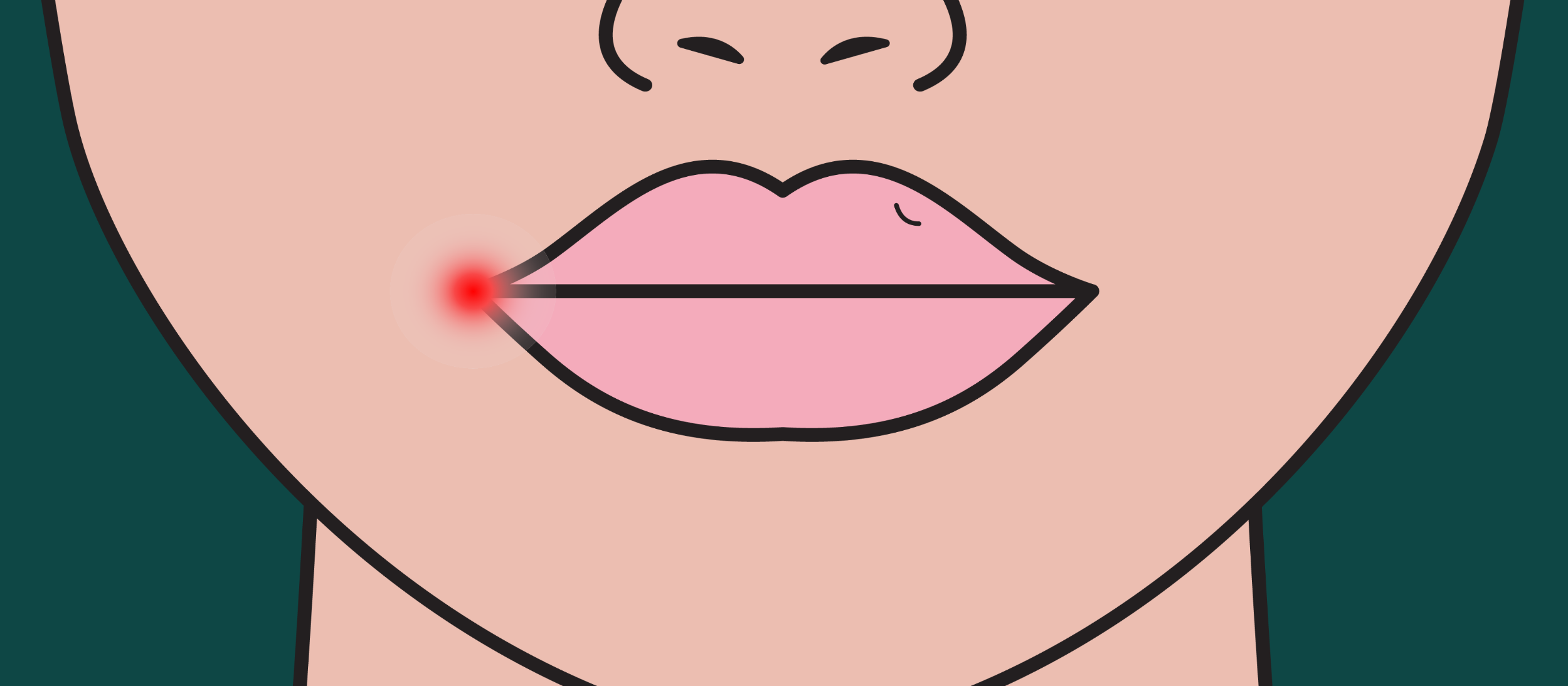
Bumps can form on the lip for many different reasons. The lip is a sensitive area with oil glands, salivary gland openings, nerve endings, mucous membranes, and skin — all packed into a small space.
Any of these structures can become irritated, blocked, infected, or inflamed. The result is a bump, cyst, blister, or sore that may look alarming but is often harmless and temporary.
Understanding what caused the bump is the first step to knowing whether you need treatment or simply time.
Quick Reference: Types of Lip Bumps at a Glance
| Type of Bump | Location | Appearance | Pain Level | Contagious? |
|---|---|---|---|---|
| Fordyce Spots | Lip border / inner lip | Tiny yellow-white dots | None | No |
| Cold Sore (HSV-1) | On or around lip | Fluid-filled blister cluster | Moderate–High | Yes |
| Canker Sore | Inside lip / cheek | White/yellow center, red border | Moderate | No |
| Mucocele | Inner lower lip | Soft, dome-shaped, bluish | None–Mild | No |
| Lip Pimple | Lip border / corners | Red bump, possible whitehead | Mild–Moderate | No |
| Milia | Lip area / face | Tiny white hard cyst | None | No |
| Oral Thrush | Inner lip / mouth | Creamy white patches | Mild | No |
| Perioral Dermatitis | Around mouth | Small red bumps | Mild | No |
| Oral Wart (HPV) | On lip surface | Raised, rough, flesh-colored | None | Yes (contact) |
| Angular Cheilitis | Lip corners | Red, cracked, sore | Mild–Moderate | No |
| Mucocele (Ranula) | Floor of mouth/lip | Large fluid sac | Mild–Moderate | No |
| Lip Cancer | Usually lower lip | Persistent lump, non-healing | Varies | No |
1. Fordyce Spots — The Most Common Harmless Cause
Fordyce spots are tiny, painless, yellowish or white bumps that appear on the border of the lips or inside the cheeks. They are simply visible sebaceous oil glands — a completely normal variation of anatomy.
They affect roughly 80% of adults and are extremely common. Most people notice them during or after puberty, and they can persist throughout life without causing any harm.
Fordyce spots do not require treatment. However, if they are cosmetically bothersome, a dermatologist can discuss options including topical retinoids or carbon dioxide laser treatment.
The key thing to remember is that Fordyce spots are not an infection, not contagious, and not a sign of any underlying illness. They are simply oil glands that happen to be visible.
2. Cold Sores — Painful Fluid-Filled Blisters Caused by HSV-1
A cold sore is one of the most recognizable causes of a bump on the lip. Cold sores are caused by the Herpes Simplex Virus Type 1 (HSV-1) and appear as clusters of small, fluid-filled blisters on or around the lips.
Before the blisters appear, most people feel a tingling, burning, or itching sensation on the lip. This warning sign typically lasts 1–2 days before the actual blister forms.
Cold sores are highly contagious. The virus spreads through close contact — kissing, sharing drinks, utensils, razors, or towels — even when no visible sore is present.
Once a person contracts HSV-1, the virus stays in the body permanently. Stress, illness, sun exposure, hormonal changes, and fatigue can all trigger cold sore outbreaks.
Cold sores typically progress through stages and heal within 7–10 days.
Cold Sore Stages
| Stage | Timeframe | What Happens |
|---|---|---|
| Tingling / Itching | Day 1–2 | Burning or itching sensation before blister appears |
| Blister Formation | Day 2–3 | Small, fluid-filled blisters form on or near the lip |
| Weeping / Oozing | Day 4–5 | Blisters break open, release clear or yellow fluid |
| Crusting | Day 5–8 | Sore dries out and forms a yellowish crust or scab |
| Healing | Day 8–10 | Scab falls off, skin heals without scarring |
Treatment includes over-the-counter antiviral creams like docosanol, or prescription antivirals like acyclovir or valacyclovir. Starting treatment at the very first tingling sensation produces the best results and can significantly shorten healing time.
3. Canker Sores — Painful But Not Contagious
Canker sores are small, shallow ulcers that form inside the lip, inside the cheeks, or at the base of the gums. Unlike cold sores, they do not appear on the outer surface of the lip and are not caused by a virus.
They appear as round sores with a white or yellow center and a distinct red border. They can be quite painful — especially when eating, drinking, or talking — but they are not contagious.
The exact cause of canker sores is not fully understood. Common triggers include minor mouth injuries, stress, hormonal fluctuations, vitamin deficiencies (especially B12, folate, and iron), certain foods, and acidic or spicy items.
Most canker sores heal on their own within 7–10 days without treatment. Saltwater rinses, over-the-counter gels containing benzocaine, and hydrogen peroxide mouth rinses can relieve pain and reduce inflammation during healing.
4. Mucocele — A Fluid-Filled Cyst From Blocked Salivary Glands
A mucocele is a soft, painless cyst that forms when a salivary gland duct becomes blocked or damaged. It most commonly appears on the inner surface of the lower lip, though it can also form on the cheeks, tongue, and floor of the mouth.
The most common cause is accidentally biting the lip while chewing. The trauma disrupts a salivary gland, causing saliva to build up and form a cyst. Chronic lip-biting or lip-sucking habits are also common triggers.
Mucoceles appear as smooth, dome-shaped bumps ranging in size from 1 mm to 15 mm. They may be bluish, clear, or skin-colored depending on how deep under the skin they sit.
Most mucoceles are painless and resolve on their own, especially when the triggering habit stops. Persistent or large mucoceles may require surgical removal, cryotherapy (freezing), or laser ablation by a dentist or oral surgeon.
Mucoceles affect people of all ages but are most common in people between the ages of 10 and 20. They occur in approximately 2.4 out of every 1,000 people in the general population.
5. Lip Pimple — Acne on the Lip Border
A lip pimple is essentially the same as a regular facial pimple, just located on or near the lip line. It forms when a pore or hair follicle at the lip border becomes clogged with excess sebum (oil), dead skin cells, dirt, or bacteria.
Lip pimples appear as raised red bumps — sometimes with a white or yellow pus-filled head at the center. Unlike cold sores, they have no tingling or burning sensation before they appear, and they are not contagious.
Common triggers include hormonal fluctuations, harsh toothpaste ingredients (especially sodium lauryl sulfate), heavy lip balms or cosmetics, poor hygiene, and the habit of frequently touching or licking the lips.
Treatment includes gentle cleansing, topical acne treatments with benzoyl peroxide or salicylic acid applied carefully to the edge of the lip, and warm compresses to reduce inflammation. Never pop or squeeze a lip pimple — this can push bacteria deeper, worsen inflammation, and cause scarring.
Cold Sore vs Lip Pimple: Key Differences
| Feature | Cold Sore | Lip Pimple |
|---|---|---|
| Cause | HSV-1 virus | Blocked pore / bacteria |
| Location | On or around lip | Along lip border / corners |
| Appearance | Cluster of fluid-filled blisters | Single red bump with whitehead |
| Tingling before outbreak | Yes | No |
| Contagious | Yes | No |
| Healing time | 7–10 days | 3–7 days |
| Treatment | Antiviral cream / medication | Benzoyl peroxide / salicylic acid |
6. Milia — Tiny White Cysts Under the Skin
Milia are small, hard, white bumps that form when dead skin cells become trapped beneath the skin’s surface. They look like tiny white pearls and are most commonly seen on the face — including the lip area.
Milia are completely harmless and painless. They can appear as a single bump or in clusters and tend to persist for weeks to months before resolving on their own.
Common causes include skin trauma, sun damage, the use of heavy skincare products, and previous burns or surgeries in the area. Unlike pimples, milia have no opening and cannot be squeezed out without risking skin damage.
Do not pick, scratch, or squeeze milia. If they do not resolve on their own, a dermatologist can remove them safely through a simple extraction procedure or prescribe topical retinoid creams to help exfoliate and clear them.
7. Oral Thrush — A Fungal Infection on the Lips
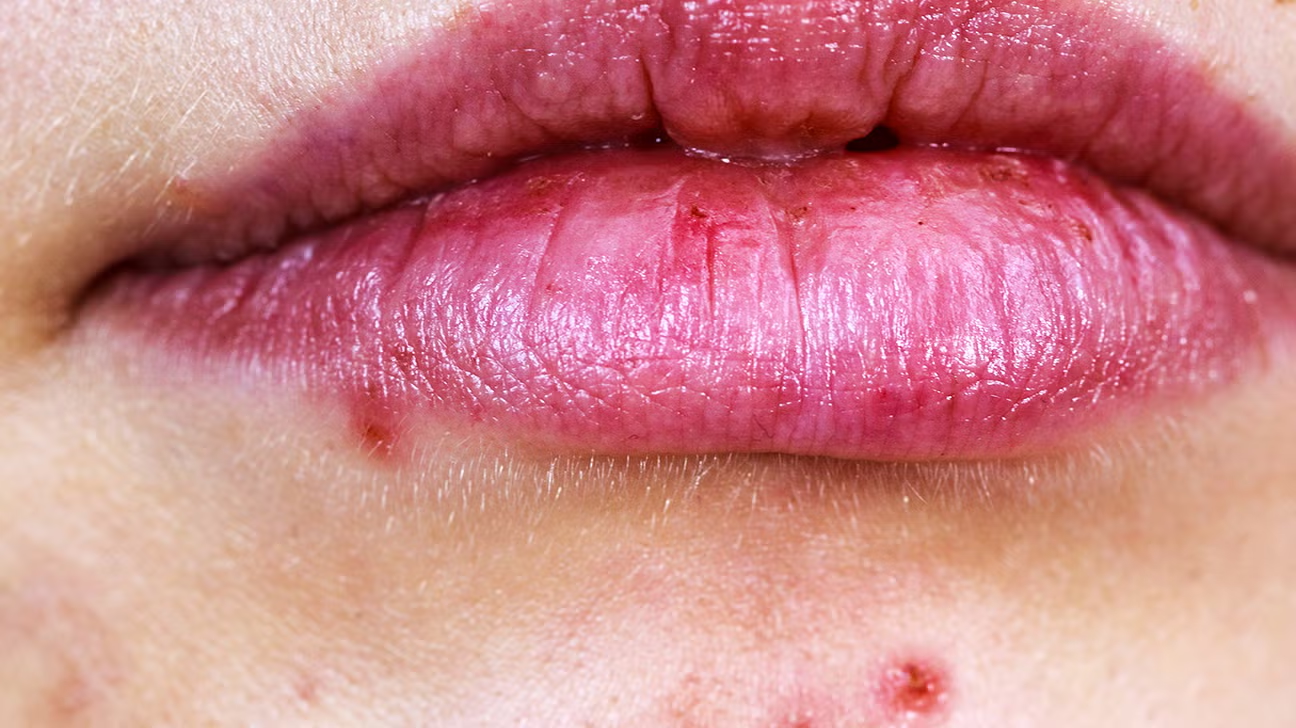
Oral thrush is a yeast infection caused by an overgrowth of Candida albicans fungus inside the mouth. It typically produces creamy white patches or bumps on the inner cheeks, tongue, and sometimes on the lips or corners of the mouth.
The patches may look like cottage cheese and can be scraped away, often leaving behind a red or bleeding surface underneath. Thrush can cause mild soreness, especially when eating or swallowing.
Oral thrush is more common in people with weakened immune systems, those who use corticosteroids or inhaled steroids, individuals who have recently taken antibiotics, people with diabetes, and infants and older adults.
Treatment involves antifungal medications prescribed by a doctor — commonly nystatin (as an oral suspension or lozenge) or fluconazole (as a pill). Practicing good oral hygiene and reducing sugar intake also helps prevent recurrence.
8. Perioral Dermatitis — Rash-Like Bumps Around the Mouth
Perioral dermatitis is a common skin condition that produces clusters of small, red, inflamed bumps around the mouth — and sometimes directly on the lip border. It often resembles acne or rosacea but has distinct characteristics.
It occurs most often in women between the ages of 20 and 45. Known triggers include prolonged use of topical corticosteroid creams on the face, fluoride toothpaste, heavy cosmetics, and certain moisturizers.
The bumps associated with perioral dermatitis tend to be persistent and may worsen with steroid cream use — counterintuitively, applying more steroids often makes the condition worse over time.
Treatment usually involves stopping the use of topical steroids, switching to non-fluoride toothpaste, and using gentle skincare products. A doctor may prescribe topical or oral antibiotics such as metronidazole or doxycycline to clear the rash.
9. Angular Cheilitis — Sore Cracked Bumps at the Lip Corners
Angular cheilitis refers to inflammation, redness, cracking, and sometimes small bumps or sores at the corners of the mouth. It can affect one or both sides simultaneously.
It is caused by a combination of factors including moisture buildup in the corners of the mouth (from saliva pooling), nutritional deficiencies (especially B vitamins, zinc, and iron), fungal infection (Candida), bacterial infection, and poorly fitting dentures.
The condition causes pain, itching, and difficulty opening the mouth fully. It can make eating and speaking uncomfortable.
Treatment depends on the underlying cause. Antifungal creams treat Candida-related cases. Antibiotics address bacterial infections. Nutritional supplements help when deficiencies are the root cause. Keeping the area dry and applying a barrier cream (such as petroleum jelly) also speeds healing.
10. Oral Warts — HPV-Related Bumps on the Lip
Oral warts are small, raised, rough, or cauliflower-like growths that can appear on the lips, inside the mouth, or on the tongue. They are caused by certain strains of the Human Papillomavirus (HPV), most often low-risk strains transmitted through skin-to-skin contact.
Oral warts are typically painless but can be cosmetically bothersome. They may be flesh-colored, white, or pinkish and vary in size from barely visible to several millimeters.
Low-risk HPV strains that cause warts are distinct from the high-risk strains associated with oral and throat cancers, though persistent HPV-related lesions should always be evaluated by a doctor.
Some oral warts resolve on their own. Persistent or bothersome warts can be treated with cryotherapy (freezing), laser removal, or surgical excision. The HPV vaccine helps prevent certain strains associated with oral infections.
11. Fibroma — A Smooth, Firm Lump on the Inner Lip
A fibroma is a benign, smooth, round lump made of fibrous tissue that can develop on the inner surface of the lips or cheeks. It usually forms as a result of repeated trauma or irritation — such as repeatedly biting the same spot.
Fibromas are firm to the touch, painless, and typically skin-colored. They can remain stable in size for years or slowly grow over time.
They do not resolve on their own and are best removed surgically by a dentist or oral surgeon if they become bothersome or grow large enough to interfere with eating or speaking.
12. Actinic Cheilitis — Sun Damage on the Lower Lip
Actinic cheilitis is a precancerous condition caused by long-term exposure to UV radiation from the sun. It primarily affects the lower lip, which receives more direct sun exposure.
It causes rough, scaly, or thickened patches on the lip surface that may appear pale, red, or white. The lip may also feel dry, cracked, or have a blurred border between the red lip tissue and the surrounding skin.
Actinic cheilitis is considered precancerous because it can develop into squamous cell carcinoma if left untreated. It is most common in people with fair skin who have had years of outdoor sun exposure, and in men over 50.
Treatment options include topical medications (such as fluorouracil cream), photodynamic therapy, cryotherapy, and laser resurfacing. Wearing lip balm with SPF 30 or higher daily significantly reduces the risk of developing this condition.
13. Lip Cancer — When a Bump Is a Serious Warning Sign
Lip cancer is one of the rarer but more serious causes of a bump on the lip. It most often develops on the lower lip as a persistent sore, lump, or thickened patch that does not heal.
Lip cancer is a type of oral cavity cancer most commonly caused by long-term sun exposure (for cancers on the outer lip) and tobacco and alcohol use (for cancers on the inner lip). HPV infection has also been linked to some oral cancers.
The warning signs of lip cancer that every person should know are listed in the table below.
Warning Signs of Lip Cancer
| Warning Sign | Description |
|---|---|
| Non-healing sore | A bump or sore that does not heal after 2–3 weeks |
| Unexplained bleeding | Bleeding from the lip that has no clear cause |
| Numbness | Unusual numbness or loss of sensation in the lip |
| Thickened lump | A firm, persistent lump or thickening in the lip tissue |
| Color change | A white or red patch on the lip that doesn’t go away |
| Pain without cause | Pain in the lip or mouth that has no obvious explanation |
| Loose teeth | Teeth becoming loose around the lip or jaw area |
If you notice any of these signs — especially a bump that has not healed after two weeks — see a doctor or dentist immediately. Dentists routinely screen for early signs of oral cancer during routine exams. Early diagnosis is critical for the best possible outcome.
Risk factors for lip cancer include prolonged sun exposure, tobacco use (smoking or chewing), heavy alcohol consumption, being male, being over age 55, having fair skin, and HPV infection.
What Causes Different Types of Bumps Based on Location?
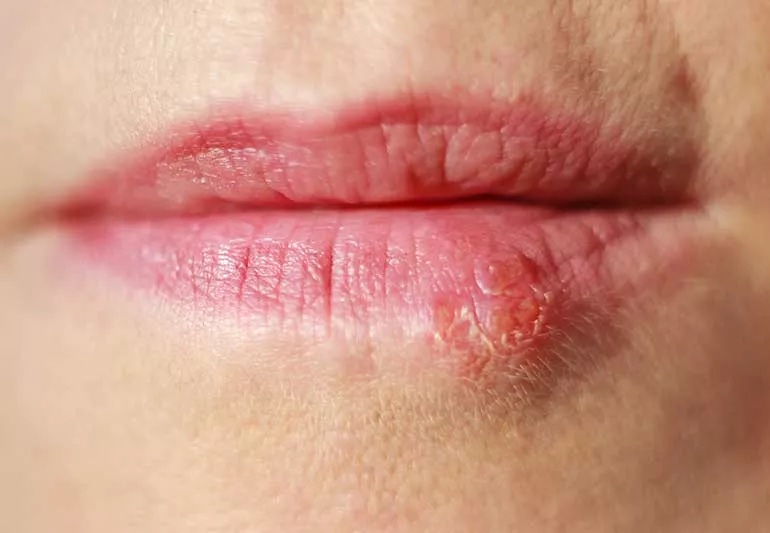
The location of a bump on your lip can give important clues about its likely cause.
| Location on Lip | Most Likely Causes |
|---|---|
| Outer upper lip | Cold sore, pimple, perioral dermatitis, milia |
| Outer lower lip | Cold sore, actinic cheilitis, lip cancer (most common site) |
| Lip corners (angles) | Angular cheilitis, oral thrush, perioral dermatitis |
| Inner lower lip | Mucocele, canker sore, fibroma |
| Inner upper lip | Canker sore, mucocele, oral thrush |
| Along lip border | Fordyce spots, cold sore, lip pimple |
| On the lip surface | Oral wart, milia, fibroma, lip cancer |
How Doctors Diagnose Lip Bumps
When you visit a doctor or dentist for a bump on your lip, they will begin with a detailed health history. They will ask about how long the bump has been present, whether it is painful, whether it has changed in size or appearance, and your lifestyle habits.
A physical examination follows — your doctor will examine your lips, gums, teeth, and the inside of your mouth. They may also check your neck for swollen lymph nodes, which can indicate infection or cancer.
For unclear cases, additional tests may be ordered including allergy patch testing, culture swabs to identify bacterial or fungal infections, and biopsy — the removal of a small tissue sample for microscopic examination. A biopsy is the definitive way to rule out oral cancer.
Home Remedies and Self-Care for Lip Bumps
Many common lip bumps respond well to simple at-home care. Here are the most effective self-care strategies for non-serious lip bumps.
Warm saltwater rinse: Dissolve half a teaspoon of salt in a cup of warm water. Rinse your mouth for 30 seconds, 2–3 times daily. This reduces inflammation, fights bacteria, and speeds healing for canker sores and minor infections.
Cold compress: Apply a clean cloth wrapped around ice or a cold pack to the lip for 10–15 minutes several times a day. This reduces swelling and numbs pain from cold sores, pimples, and minor injuries.
Honey: Raw honey has natural antibacterial and anti-inflammatory properties. A small dab applied to the bump can soothe irritation and support healing for minor bumps and sores.
Aloe vera gel: Pure aloe vera gel applied to the bump can reduce redness and inflammation, particularly for canker sores and irritated skin.
Castor oil: Has anti-inflammatory properties that may help reduce swelling in minor lip bumps when applied topically.
Good oral hygiene: Brush teeth at least twice daily and floss once daily. Replace your toothbrush after any infection clears to prevent recontamination.
Avoid triggers: Stop biting, sucking, or picking at your lips. Avoid known allergens, harsh toothpastes, and heavy lip products if you suspect they are contributing to the problem.
Medical Treatments for Lip Bumps
When home care is not enough, medical treatments are available depending on the cause.
| Condition | Medical Treatment |
|---|---|
| Cold sore | Antiviral creams (docosanol) or prescription antivirals (acyclovir, valacyclovir) |
| Canker sore | Benzocaine gel, hydrogen peroxide rinse, prescription corticosteroids for severe cases |
| Fordyce spots | Topical retinoids, carbon dioxide laser, no treatment needed if not bothersome |
| Mucocele | Surgical removal, cryotherapy, laser ablation |
| Oral thrush | Antifungal medications (nystatin, fluconazole) |
| Perioral dermatitis | Stop topical steroids, topical or oral antibiotics (metronidazole, doxycycline) |
| Angular cheilitis | Antifungal or antibacterial cream, barrier ointment, B vitamin supplements |
| Lip pimple | Benzoyl peroxide, salicylic acid, warm compress, oral antibiotics if severe |
| Milia | Dermatologist extraction, topical retinoids |
| Oral wart (HPV) | Cryotherapy, laser removal, surgical excision |
| Actinic cheilitis | Fluorouracil cream, photodynamic therapy, cryotherapy |
| Lip cancer | Surgery, radiation therapy, chemotherapy |
When Should You See a Doctor?
Not every bump on the lip needs a doctor visit. But some situations require prompt professional evaluation. Here are the clear signs that you should not wait.
See a doctor or dentist if your lip bump has not healed after two weeks. Any bump that persists for more than 14 days without improvement should be examined to rule out serious conditions including early oral cancer.
Seek medical attention if the bump is growing in size, changing color, or spreading to new areas. Stable bumps are much less concerning than ones that are actively changing.
Go to a doctor immediately if the bump is accompanied by a fever, difficulty swallowing, difficulty opening your mouth, swollen lymph nodes in the neck, or extreme pain. These symptoms can indicate a serious infection or systemic condition.
Get emergency care if you experience sudden severe swelling of the lips, tongue, or throat — this can be a sign of angioedema or a serious allergic reaction (anaphylaxis) that requires immediate treatment.
Children with persistent lip bumps — especially toddlers and infants — should be evaluated sooner rather than later, as some conditions (like oral herpes) can be more serious in young children.
How to Prevent Bumps on the Lip
Prevention is always better than treatment. Here are practical strategies to reduce your risk of developing a bump on the lip.
Wear lip balm with SPF 30 or higher every day, especially when spending time outdoors. UV protection reduces the risk of cold sore triggers, actinic cheilitis, and long-term sun damage that can lead to lip cancer.
Avoid sharing lip products, drinks, utensils, and razors with others. This reduces the transmission risk of cold sores and oral warts.
Stop the habit of biting, sucking, or picking at your lips. These habits are the leading cause of mucoceles and can also irritate the skin enough to trigger pimples and cold sore outbreaks.
Switch to toothpaste without sodium lauryl sulfate if you experience frequent canker sores or perioral dermatitis. Many people find that this single change dramatically reduces mouth sore frequency.
Eat a balanced diet rich in B vitamins, zinc, iron, and folate. Deficiencies in these nutrients are strongly linked to recurring canker sores and angular cheilitis.
Manage stress with regular exercise, adequate sleep, and relaxation practices. Stress is one of the most reliable triggers for cold sore outbreaks in people with HSV-1.
Get regular dental checkups. Dentists screen for early signs of oral cancer, actinic cheilitis, and unusual lip changes during every routine exam.
Frequently Asked Questions (FAQs)
Q1. Why do I have a bump on my lip that won’t go away?
A bump that stays on your lip for more than two weeks without healing needs to be evaluated by a doctor or dentist. It could be a persistent mucocele, actinic cheilitis, or in rare cases, an early sign of lip cancer — all of which require medical assessment and possible treatment.
Q2. What does a cold sore look like compared to a lip pimple?
A cold sore appears as a cluster of fluid-filled blisters on or around the lip, often preceded by tingling or burning. A lip pimple is a single raised red bump with a white or yellow center, with no tingling beforehand — it looks and feels more like a regular facial pimple.
Q3. Are Fordyce spots on lips dangerous?
No, Fordyce spots are completely harmless. They are simply visible sebaceous oil glands that appear as tiny yellowish or white dots on the lip border or inside the cheeks, and they affect approximately 80% of adults without causing any health problems.
Q4. What causes a bump on the inside of my lower lip?
The most common cause of a bump on the inner lower lip is a mucocele — a painless, fluid-filled cyst that forms when a salivary gland duct becomes blocked, usually from lip-biting. Canker sores, fibromas, and oral thrush can also appear in this location.
Q5. Can a bump on my lip be a sign of cancer?
In rare cases, yes. A persistent bump, sore, or thickened lump on the lip that does not heal after two to three weeks — especially on the lower lip — should be evaluated to rule out lip cancer. Other warning signs include numbness, unexplained bleeding, and color changes.
Q6. How do I get rid of a bump on my lip fast?
The fastest treatment depends on the cause. Cold sores respond best to antiviral creams started at the tingling stage. Lip pimples can be treated with benzoyl peroxide or salicylic acid. Cold compresses, saltwater rinses, and honey can speed healing for many mild bumps within a few days.
Q7. Is a bump on my lip contagious?
It depends on the cause. Cold sores are highly contagious and spread through skin contact, kissing, and sharing items. Oral warts from HPV can also spread through contact. Fordyce spots, mucoceles, canker sores, milia, and lip pimples are not contagious at all.
Q8. What causes a white bump on the lip?
White bumps on the lip are most commonly caused by Fordyce spots (visible oil glands), milia (tiny white cysts), early-stage cold sores before they blister, oral thrush (fungal infection), or canker sores (on the inner lip). A doctor can identify which type you have through a simple visual examination.
Q9. Should I pop a bump on my lip?
No — never pop a bump on your lip regardless of what it looks like. Popping a cold sore spreads the virus to surrounding skin. Popping a pimple pushes bacteria deeper, worsening inflammation and increasing the risk of scarring. Squeezing a mucocele can cause trauma and delay healing.
Q10. What vitamin deficiency causes bumps on the lips?
Deficiencies in B vitamins (especially B2, B6, and B12), folate, zinc, and iron are strongly linked to recurring canker sores and angular cheilitis (cracked corners of the mouth with redness and small bumps). Taking a B-complex supplement and eating a nutrient-rich diet can help reduce recurrence.
Conclusion
A bump on the lip can feel worrying, but the vast majority of cases have a simple, harmless explanation — Fordyce spots, a cold sore, a canker sore, a pimple, or a mucocele from accidentally biting your lip.
Knowing the difference between these common conditions and understanding their symptoms helps you respond quickly and correctly.
Most lip bumps resolve on their own within one to two weeks with basic self-care. However, any bump that persists beyond two weeks, grows, bleeds, causes numbness, or is accompanied by other symptoms should be evaluated by a doctor or dentist without delay.
Early diagnosis — especially for actinic cheilitis and lip cancer — leads to the best possible outcomes. When in doubt, always get checked. Your lip health is worth it.
