

Why do I feel empty is one of the most searched questions about mental health — and if you are asking it, you are not alone.
Emotional emptiness is not weakness, laziness, or a character flaw. It is a real, recognized signal that something deeper in your mind, body, or relationships needs attention.
The feeling can hit even when life looks perfectly fine from the outside.
What Does “Feeling Empty” Actually Mean?
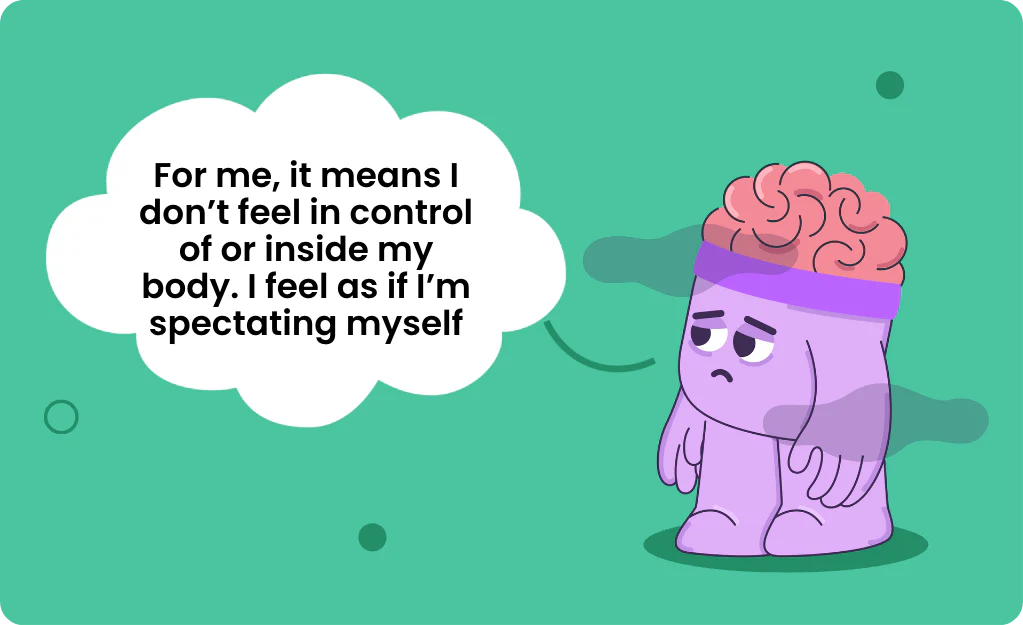
Feeling empty is not the same as sadness. Sadness feels like something. Emptiness often feels like nothing at all.
It is a state of emotional disconnection — a hollow, flat, or numb sensation where emotions that should be present (joy, excitement, motivation, love) feel distant or completely absent. Some people describe it as a hole in the chest. Others say it feels like going through the motions of life without really being present in it.
The experience is common. Research shows that feelings of emptiness are reported across all age groups, genders, and life circumstances. It is not reserved for people who have experienced obvious trauma or hardship.
Signs You Are Feeling Emotionally Empty
Recognizing the signs is the first step. Emotional emptiness often develops gradually, which makes it easy to miss until it becomes overwhelming.
| Sign | What It Looks Like |
|---|---|
| Emotional numbness | You feel neither happy nor sad — just flat |
| Loss of motivation | Tasks that once excited you feel pointless |
| Disconnection from others | You feel alone even in a room full of people |
| Hollow feeling in the chest | A physical sense of something missing inside |
| Going through the motions | Living on autopilot with no sense of presence |
| Inability to feel pleasure | Activities you used to enjoy bring no joy |
| Sense of meaninglessness | Nothing feels worth doing or working toward |
| Withdrawing socially | Pulling away from friends, family, and routines |
You do not need to tick every box. Even two or three of these signs, if they persist for more than a few weeks, are worth paying attention to.
Why Do I Feel Empty? 12 Core Causes
Emotional emptiness rarely has a single cause. It almost always comes from a combination of emotional, physical, relational, and psychological factors.
1. Chronic Stress and Burnout
When stress continues for weeks or months without relief, the brain’s stress regulation system — the HPA axis — becomes overactive. It begins producing excessive cortisol, which over time dulls emotional responses.
Your brain shifts into survival mode. Instead of feeling overwhelmed, you stop feeling much at all. This emotional flatness is the brain’s way of conserving energy under prolonged pressure.
Burnout and emptiness overlap heavily. The key difference is that burnout is usually tied to a specific source (work, caregiving), while emptiness tends to feel broader and more pervasive across all areas of life.
2. Depression
Emptiness is one of the most underrecognized symptoms of depression — especially in high-functioning people who have learned to perform wellness while feeling hollow inside.
Depression does not always look like visible sadness. For many people, it feels like a persistent blankness. No strong emotions, no strong motivation, no strong interest in anything.
Some people with depression report they would rather feel sadness than emptiness, because sadness at least feels like something real. That reaction perfectly captures how disorienting emotional numbness can be.
3. Unresolved Grief
Grief does not only follow death. You can grieve a relationship that ended, a career that collapsed, an identity that no longer fits, or a version of your future that will not happen.
Unprocessed grief hollows you out from the inside. Many people who have not fully grieved a loss describe feeling a persistent sense that something is missing — a kind of emotional amputation.
Emptiness tied to grief often intensifies around anniversaries, milestones, or when you encounter reminders of what was lost.
4. Trauma and Dissociation
When overwhelming experiences exceed what your nervous system can process, the mind sometimes shuts down emotional channels entirely. This is dissociation — a protective response where the brain reduces emotional intensity to prevent collapse.
You do not need a full PTSD diagnosis for trauma to cause emptiness. Research shows that subthreshold trauma responses triple the risk of depression and cause real functional impairment for most people who experience them.
Trauma-related emptiness often comes with a feeling of being disconnected from yourself — watching your own life from a distance rather than participating in it.
5. Loneliness and Disconnection
A study examining self-reported causes of emptiness found that over a fifth of participants linked their experience to a lack of meaningful connection. They described feeling lonely despite being surrounded by people.
This is emotional disconnection — not just physical isolation. You can have hundreds of social media followers, a full schedule, and a busy household, and still feel deeply alone if those connections lack depth, authenticity, or reciprocity.
Meaningful relationships — where you feel truly seen and understood — are a core human need. Without them, emptiness develops over time.
6. Loss of Purpose or Identity
Not having clear goals, values, or a sense of who you are creates a hollow feeling that many people cannot name but all recognize.
This often surfaces during major life transitions: graduating, ending a long relationship, changing careers, turning 30 or 40, reaching a goal you worked years toward only to feel nothing upon arrival.
Existential emptiness — the “is this all there is?” feeling — is real and distinct from clinical depression. It often asks: what am I actually here for?
7. Sleep Deprivation
Sleep deprivation is a physically direct cause of emotional emptiness that most people overlook.
When you are sleep-deprived, the areas of the brain that regulate emotion, recognize reward, and process memory conserve energy. Your brain shifts into a low-power mode that creates that washed-out, disconnected feeling many people call “running on fumes.”
Chronic poor sleep does not just make you tired. It literally dulls the neural circuits responsible for generating emotional depth and motivation.
8. Poor Nutrition and Physical Health
The gut-brain connection is well-established in research. Poor nutrition, blood sugar instability, and nutritional deficiencies can directly affect mood regulation and emotional responsiveness.
Medical conditions including thyroid disorders, anemia, and hormonal imbalances also produce emotional flatness as a symptom. These physical causes are frequently missed because people assume emptiness must have an emotional or psychological origin.
Certain medications — particularly those affecting neurotransmitters — can also blunt emotional range as a side effect.
9. Suppressing Your Emotions
Long-term emotional suppression — pushing feelings down rather than processing them — builds up over time and eventually produces numbness.
When emotional pain becomes overwhelming, the mind sometimes reduces emotional intensity as a coping mechanism. This prevents immediate distress but also blocks positive emotions. The result is a dulled emotional landscape where neither pain nor joy can fully register.
People who were taught as children that emotions are dangerous, shameful, or inconvenient are particularly vulnerable to this pattern.
10. Toxic or Unfulfilling Relationships
Being in a relationship — romantic, familial, or professional — that consistently invalidates, exhausts, or diminishes you gradually erodes your sense of self.
When your emotional needs are chronically unmet inside a relationship, emptiness develops as a response. The relationship may still exist, but the emotional nourishment it once provided is gone.
This can be especially confusing because you are “not alone” on paper, but feel profoundly empty in practice.
11. Lack of Stimulation or Boredom
A life without challenge, creativity, or meaningful activity produces emptiness through understimulation. The brain needs engagement. Without it, it becomes sluggish and flat.
This is different from laziness. It often affects highly capable people who are stuck in routines that do not stretch or inspire them. The monotony itself becomes the cause of the hollow feeling.
12. Overuse of Distractions and Numbing Behaviors
Constantly filling silence with screens, social media, alcohol, substances, or compulsive behaviors prevents the quiet reflection that emotional health requires.
These distractions create temporary relief but never address the root cause. Over time, the numbing behaviors themselves deepen the emptiness by preventing genuine emotional processing.
The Difference Between Emptiness and Depression
Many people wonder if what they feel is emptiness or depression. The two can overlap, but they are not identical.
| Feature | Emotional Emptiness | Depression |
|---|---|---|
| Core feeling | Hollow, flat, numb | Sadness, hopelessness |
| Emotions | Absence of feeling | Heavy negative feelings |
| Duration | Can be situational or chronic | Typically persistent (2+ weeks) |
| Physical symptoms | Fatigue, disconnection | Sleep changes, appetite changes, slowed movement |
| Cause | Often situational or relational | Often biochemical or psychological |
| Treatment | Self-care, therapy, lifestyle | Therapy, medication, lifestyle |
| Risk level | Can escalate if untreated | Requires professional attention |
Emptiness can be a symptom of depression, but depression is not always the cause of emptiness. A licensed mental health professional is the only person who can accurately diagnose your situation.
Emptiness as a Protective Mechanism
Here is something important that most explanations skip: feeling empty is not always a breakdown. Sometimes it is a very intelligent response.
When emotional pain becomes too intense or prolonged, the brain dials down emotional sensitivity to protect you from collapse. This is the same reason soldiers in combat zones can appear eerily calm. The nervous system’s capacity to regulate and protect is remarkable.
The problem comes when this protective numbness becomes a permanent setting rather than a temporary measure. What began as a short-term shield can become a long-term wall between you and your own life.
Recognizing this reframes emptiness from a failure to a signal. Your system is telling you something important. The question is what.
When Is Feeling Empty Serious?
Feeling empty occasionally — after a difficult week, a major loss, or a period of intense stress — is a normal human experience. It does not automatically mean something is seriously wrong.
It becomes more serious when it is persistent, intense, or accompanied by any of the following:
- Emptiness lasting more than two to four weeks without improvement
- Inability to function in daily life, work, or relationships
- Thoughts of self-harm or suicide
- Significant withdrawal from all social contact
- Using substances to numb the feeling
- Feeling completely disconnected from your own identity
If you are experiencing thoughts of suicide or self-harm, please reach out for immediate support. In Pakistan, you can contact the Umang helpline at 0317-4288665. In the US, text or call 988 (Suicide and Crisis Lifeline). Emptiness and suicidal thinking are not the same thing, but chronic emptiness is independently associated with increased suicide risk. You deserve support now.
15 Practical Solutions for Emotional Emptiness
Recovery from emotional emptiness is not linear. It involves small, consistent actions rather than a single dramatic fix. These strategies are backed by research and recommended by mental health professionals in 2026.
Reconnect With Your Body
Emptiness is often accompanied by being trapped in your head. Physical movement — walking, swimming, dancing, yoga, or any activity you genuinely enjoy — reconnects you to your body and breaks the dissociative loop.
Even a 20-minute walk in natural light daily has documented effects on mood regulation and emotional responsiveness. Start small and build consistency over perfection.
Journal Without Filtering
Get a notebook and write down everything that feels wrong — big things, small things, things that seem embarrassing or irrational. Do not filter, edit, or judge.
Writing creates a channel for emotions that have been bottled up. It also helps you identify patterns: what triggers the emptiness, when it intensifies, and what (if anything) temporarily lifts it.
Practice Emotional Labeling
Emotional labeling is a simple but clinically supported practice. When you notice the empty feeling, pause and try to name anything beneath it — even vaguely. “I think I might be angry.” “I think this is grief.” “I feel disappointed.”
Naming emotions, even imprecisely, activates the prefrontal cortex and reduces the intensity of the limbic stress response. It helps reconnect you to your emotional inner world.
Prioritize Sleep as a Non-Negotiable
If your sleep is poor, fix it before attempting any other intervention. Everything else is harder when the brain is running in low-power mode from sleep deprivation.
Aim for 7 to 9 hours. Keep a consistent sleep and wake time. Reduce screen use in the hour before bed. The payoff in emotional stability is significant and relatively fast.
Rebuild One Meaningful Connection

You do not need a full social network to begin healing. You need one genuine connection — someone with whom you feel safe, seen, and not required to perform.
Reach out to one person you have been avoiding. Have a real conversation rather than a surface one. The research is consistent: meaningful social connection is one of the most powerful antidotes to emotional emptiness.
Engage in Something Creative
Creativity — drawing, writing, cooking, building, playing music — engages the brain in a way that most passive activities (like scrolling or watching) do not.
Creative activities produce a mild state of flow, which is associated with increased emotional engagement, reduced rumination, and a temporary but genuine return of meaning. Start with something low-pressure and zero expectations.
Spend Time in Nature
Exposure to natural environments consistently reduces cortisol levels, lowers rumination, and improves mood in clinical studies. Green spaces, sunlight, and physical movement in outdoor settings create measurable neurological shifts.
Even urban parks and rooftop gardens count. The key is getting away from artificial environments and stimulation for meaningful amounts of time each day.
Reduce Numbing Behaviors
Identify your primary numbing behavior — social media, alcohol, binge-watching, online shopping, gaming. Then reduce it, not as punishment, but as an experiment.
Notice what emerges in the silence when you stop distracting. Often the feelings that surface are exactly the ones that need to be processed rather than suppressed.
Eat for Brain Health
The gut-brain axis is real. A diet heavy in processed foods, sugar, and refined carbohydrates contributes to inflammation and mood instability. A diet rich in vegetables, protein, fiber, and healthy fats supports stable blood sugar and more consistent emotional regulation.
You do not need a perfect diet. Focus on adding more whole foods rather than dramatically removing everything you enjoy.
Set One Small Goal
Emptiness thrives in the absence of direction. A single small goal — something achievable within a week — creates forward momentum that counters the meaninglessness.
It does not need to be impressive. Finishing a book, calling a friend, cleaning one room, signing up for a class. The goal is not the outcome but the experience of moving toward something intentionally.
Practice Mindfulness Meditation
Mindfulness meditation teaches you to observe your inner experience without judgment or avoidance. For emotional emptiness specifically, it helps you sit with the feeling rather than run from it — which is paradoxically what allows it to shift.
Even five to ten minutes daily builds the neurological capacity for emotional awareness over time. Apps like Headspace, Calm, or Insight Timer make starting accessible.
Reconnect With Your Values
Emptiness often reflects a gap between how you are living and what you actually value. Take time to identify what genuinely matters to you — not what should matter, but what does.
When daily life aligns more closely with core values, meaning returns naturally. When it does not align, emptiness is the signal.
Limit Social Media
Social media is engineered to produce comparison, validation-seeking, and emotional volatility — all of which deepen emptiness rather than relieve it.
A structured break — even just 30 days of significantly reduced use — consistently produces improvements in mood, self-perception, and sense of connection in research studies. Try it as an experiment rather than a punishment.
Talk to Someone You Trust
Verbalizing the emptiness to a trusted person removes some of its weight. It also counters the isolation that intensifies the feeling.
You do not need to have it figured out before talking. Saying “I have been feeling really disconnected and hollow lately and I am not sure why” is enough to start a conversation that can help.
Seek Professional Support
If self-directed strategies are not moving the needle after several weeks, it is time to involve a professional. Therapy — particularly Cognitive Behavioral Therapy (CBT), Dialectical Behavior Therapy (DBT), or EMDR for trauma-related emptiness — has strong evidence for effectiveness.
A therapist will help you identify the specific roots of your emptiness and design a recovery path tailored to your situation. There is no one-size-fits-all solution. That is precisely why professional guidance is worth seeking.
Therapy Options for Emotional Emptiness in 2026
| Therapy Type | Best For | How It Works |
|---|---|---|
| CBT (Cognitive Behavioral Therapy) | Depression, negative thinking, burnout | Identifies and restructures unhelpful thought patterns |
| DBT (Dialectical Behavior Therapy) | Emotional regulation, identity issues | Builds skills for tolerating distress and managing emotions |
| EMDR | Trauma-related emptiness | Processes traumatic memories through bilateral stimulation |
| Somatic Therapy | Body-based disconnection | Uses physical sensations to access and release stored emotion |
| Existential Therapy | Meaninglessness, identity, purpose | Explores life meaning, values, and authentic living |
| MBT (Mentalization-Based Therapy) | Attachment and relational patterns | Improves ability to understand your own and others’ emotions |
Long-term research shows that feelings of emptiness often decline meaningfully over approximately 12 months of consistent treatment. Some people notice shifts earlier. The timeline depends on what is driving the experience.
Lifestyle Changes That Support Emotional Recovery
| Area | Recommended Change | Why It Helps |
|---|---|---|
| Sleep | 7–9 hours, consistent schedule | Restores emotional regulation circuits |
| Nutrition | Whole foods, reduce processed sugar | Stabilizes blood sugar and neurotransmitter function |
| Movement | 20–30 min daily, any type you enjoy | Releases endorphins, reduces cortisol |
| Social | One genuine connection regularly | Addresses disconnection directly |
| Screen time | Set limits, especially in evenings | Reduces comparison, improves sleep |
| Nature | Daily outdoor exposure | Lowers cortisol, increases mood |
| Creative activity | Any form, low pressure | Reconnects you to flow and engagement |
Small, consistent changes across multiple areas produce more sustainable improvement than one dramatic change in a single area.
What Not to Do When You Feel Empty
Knowing what to avoid is as important as knowing what to try.
Do not try to force happiness. Telling yourself to “just feel better” or “think positive” when you are genuinely disconnected is not helpful. It often adds shame on top of emptiness.
Do not isolate completely. The urge to withdraw when empty is strong but counterproductive. Even one brief genuine interaction can shift the internal state.
Do not rely on numbing behaviors long-term. Alcohol, substances, compulsive scrolling, or excessive busyness create the illusion of management while deepening the root problem.
Do not compare your emptiness to others’ outward happiness. Social media surfaces the curated best moments of other people’s lives. Most of them are also navigating difficult inner experiences they do not post about.
Do not wait until it becomes a crisis. Early support is consistently more effective than crisis intervention. Reaching out before you hit rock bottom is not dramatic — it is smart.
Frequently Asked Questions (FAQs)
Why do I feel empty for no reason?
Emptiness often has causes you have not consciously identified yet — chronic stress, unprocessed grief, unmet needs, or sleep issues. “No reason” usually means the cause is not yet visible, not that it does not exist.
Is feeling empty a sign of depression?
It can be. Emotional flatness and numbness are well-documented symptoms of depression, especially in high-functioning people. A mental health professional is the only one who can diagnose depression accurately.
How long does feeling empty last?
It varies widely. Situational emptiness tied to a specific event may lift in days or weeks. Chronic emptiness driven by deeper psychological patterns may require months of consistent work and professional support to meaningfully shift.
Can feeling empty go away on its own?
Sometimes, especially when it is triggered by a specific stressor that resolves. But chronic or persistent emptiness rarely resolves on its own without some form of deliberate action, lifestyle change, or professional support.
Is feeling empty the same as loneliness?
They overlap significantly. Loneliness is one of the most commonly reported causes of emptiness. But you can feel empty without feeling lonely — for example, due to burnout, grief, or a loss of purpose rather than a lack of social connection.
Why do I feel empty after eating or after sex?
Post-activity emotional crashes can reflect dopamine dysregulation, unmet emotional needs beneath the physical activity, or a disconnect between actions and values. These situational crashes are worth exploring with a therapist if they occur consistently.
Can anxiety cause emotional emptiness?
Yes. Chronic anxiety is emotionally exhausting and can eventually produce numbness as the nervous system becomes depleted. Anxiety and emptiness often coexist and can reinforce each other.
Why do I feel empty in a relationship?
This usually signals that the emotional connection, reciprocity, or intimacy in the relationship is not meeting your genuine needs. It is worth exploring honestly — either through open communication, couples therapy, or individual therapy.
Is emotional emptiness dangerous?
It depends on its severity. Chronic emptiness is independently associated with increased suicide risk. If emptiness is accompanied by thoughts of self-harm, seek professional support immediately. If you are in crisis, please contact a crisis line in your country now.
How do I stop feeling empty?
Start with one small action today: journal for ten minutes, reach out to one person, sleep one hour earlier, or move your body for 20 minutes. Then add more over time. If self-directed strategies do not help after several weeks, seek professional support — that is not failure, it is smart self-care.
Conclusion
Why do I feel empty is a question that deserves a real answer — not dismissal, not toxic positivity, and not shame. Emotional emptiness is a signal from your mind and body that something important needs attention.
It may be pointing to unresolved grief, chronic stress, disconnection from others, a loss of purpose, or an underlying mental health condition like depression. In every case, it is a signal worth listening to rather than suppressing.
The good news is that emotional emptiness responds to the right support. Therapy, meaningful connection, physical care, creative engagement, and honest self-reflection all have genuine, evidence-backed effects on how connected and alive you feel. Recovery is not linear and it is rarely fast — but it happens.
Thousands of people who once described this exact hollow feeling now describe feeling whole, engaged, and genuinely present in their own lives. You can too. The first step is simply to stop pushing the feeling away and start getting curious about what it is trying to tell you.
