

Why do I have diarrhea every day is a question more people ask than you might think — and it is one you should never ignore. Daily diarrhea is not just uncomfortable.
It drains your energy, disrupts your routine, and signals that something in your body needs attention.
Whether it has been happening for a few days or several months, persistent loose stools point to an underlying cause that can almost always be identified and treated.
What Is Chronic Diarrhea?
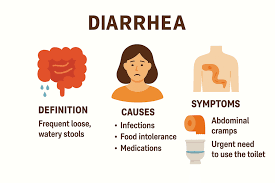
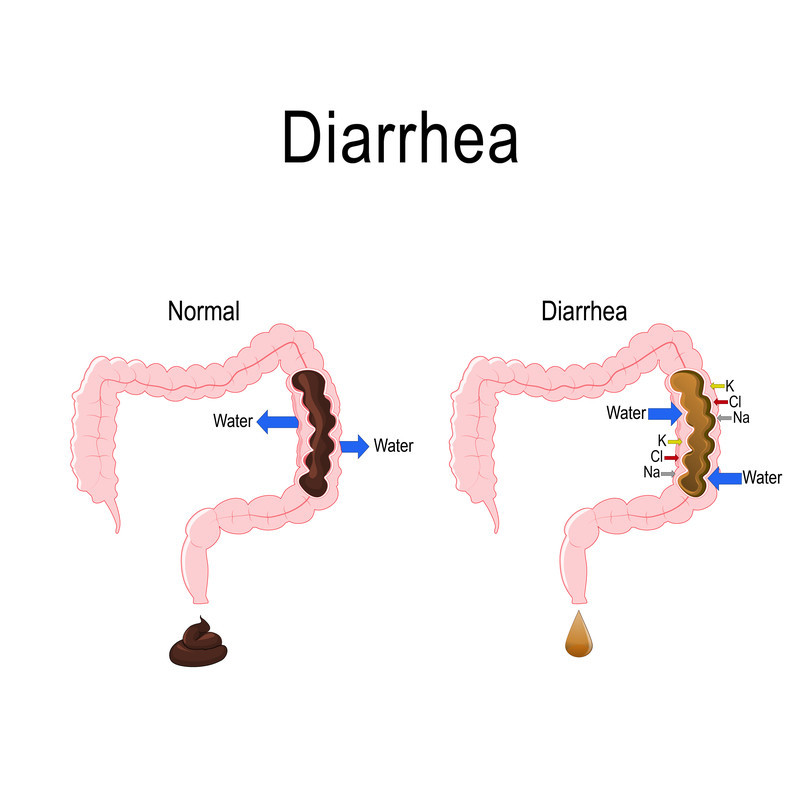
Diarrhea becomes “chronic” when it lasts for more than four weeks. Acute diarrhea — the kind from a stomach virus or bad food — typically clears in two to three days on its own.
Daily diarrhea is a different matter entirely. It means your colon is consistently reacting to something abnormal, whether that is your diet, your gut bacteria, a medical condition, or even your stress levels.
An estimated 1% to 3% of the global population has chronic diarrhea. Many more go undiagnosed simply because they feel embarrassed to bring it up with a doctor.
Types of Diarrhea: Which One Do You Have?
Not all diarrhea is the same. Identifying the type helps pinpoint the cause much faster and guides the right treatment approach.
| Type | Duration | Common Cause |
|---|---|---|
| Acute Diarrhea | 1 – 3 days | Viral infection, food poisoning |
| Persistent Diarrhea | 2 – 4 weeks | Bacterial infection, antibiotic use |
| Chronic Diarrhea | 4+ weeks | IBS, IBD, food intolerance, celiac |
| Chronic Watery Diarrhea | 4+ weeks | Microscopic colitis, SIBO, medications |
If you have diarrhea every day for more than four weeks, you are dealing with chronic diarrhea. This always warrants a proper visit to your doctor.
Why Do I Have Diarrhea Every Day? The Top Causes
There is never just one answer. Daily diarrhea has many possible root causes. Here are the most common — each backed by medical research and clinical data.
1. Irritable Bowel Syndrome (IBS)
IBS is one of the most common causes of daily diarrhea worldwide. It affects roughly 10% to 15% of the global population at any given time.
IBS-D (the diarrhea-predominant type) causes your colon to squeeze too hard and move food through too quickly. The result is frequent loose stools, cramping, bloating, and sudden urgency.
There is no structural damage with IBS — it is a functional disorder of the gut-brain axis. Stress, certain foods, hormones, and gut bacteria all play a significant triggering role.
2. Inflammatory Bowel Disease (IBD)
IBD is different from IBS. It involves actual inflammation and measurable damage to the digestive tract lining itself.
The two main forms are Crohn’s disease and ulcerative colitis. Both cause daily diarrhea, sometimes with blood in the stool, severe cramping, and unexplained weight loss.
IBD requires a proper medical diagnosis and often prescription treatment. It should never be self-managed long term without medical supervision.
3. Food Intolerances and Sensitivities
What you eat every single day may be the direct cause of your daily diarrhea. Two of the most common culprits are lactose and gluten.
Lactose intolerance means your body cannot fully digest the sugar in dairy products. The result is gas, bloating, cramping, and loose stools — often within 30 to 90 minutes of eating dairy.
Gluten sensitivity or celiac disease causes an immune reaction to gluten found in wheat, barley, and rye. Even people without full celiac disease can experience IBS-like daily diarrhea from gluten consumption.
4. Caffeine and Alcohol
This is one of the most overlooked causes of daily diarrhea — and one of the easiest to test and fix at home.
More than two to three cups of coffee or strong tea per day has a laxative effect on most people. Caffeine speeds up colon contractions, pushing stool out much faster than normal.
Alcohol — especially beer and wine — can cause loose stools the next morning. Even decaffeinated drinks contain chemicals that can loosen stools in sensitive individuals.
5. Artificial Sweeteners and Sorbitol
Sugar-free products often contain sorbitol, xylitol, or other sugar alcohols that the body does not absorb well. These pass through the small intestine largely undigested.
When they reach the colon, they pull water into the bowel and ferment with gut bacteria — causing bloating, gas, and watery diarrhea every day without an obvious cause.
Check the labels on gum, mints, sugar-free candy, protein bars, and diet drinks. Even small amounts consumed daily add up quickly.
6. Medications
Dozens of common medications list diarrhea as a known side effect. Many people never connect the timing of a new prescription with their sudden daily loose stools.
| Medication Type | Examples | Why It Causes Diarrhea |
|---|---|---|
| Antibiotics | Amoxicillin, Clindamycin | Disrupts healthy gut bacteria balance |
| Diabetes Drugs | Metformin | Affects gut motility and bacteria |
| Pain Relievers | Ibuprofen, Aspirin | Irritates the gut lining |
| Antacids | Magnesium-based antacids | Osmotic laxative effect |
| Blood Pressure Drugs | Certain ACE inhibitors | Speeds intestinal transit |
| Chemotherapy | Multiple agents | Direct bowel inflammation |
If your daily diarrhea started shortly after beginning a new medication, tell your doctor or pharmacist as soon as possible.
7. Small Intestinal Bacterial Overgrowth (SIBO)
SIBO occurs when bacteria that normally live in the large intestine overgrow in the small intestine. The excess bacteria ferment carbohydrates before they can be properly absorbed.
This creates chronic gas, significant bloating, and watery diarrhea — often appearing after every single meal. SIBO is far more common than most people realize and is frequently misdiagnosed as IBS for years.
SIBO is diagnosed with a simple breath test and treated with a targeted antibiotic called rifaximin.
8. Stress and Anxiety
Your gut has its own dedicated nervous system — the enteric nervous system. It communicates directly with your brain through what scientists call the gut-brain axis.
When you are under chronic stress, your brain sends signals that speed up colon contractions significantly. This is the “fight or flight” response activating your bowels and causing daily loose stools.
Anxiety, depression, PTSD, and chronic life stress are all strongly linked to daily diarrhea. For many people with IBS, consistent stress management is the single most effective long-term treatment available.
9. Celiac Disease
Celiac disease is an autoimmune condition triggered by gluten. Even tiny amounts cause the immune system to attack and damage the lining of the small intestine directly.
This damage prevents proper nutrient absorption and causes chronic diarrhea, unintended weight loss, fatigue, and multiple nutritional deficiencies. Many people live with celiac disease for years without a proper diagnosis.
Celiac disease is confirmed with a blood test and intestinal biopsy. It is managed entirely through a strict, lifelong gluten-free diet.
10. Microscopic Colitis
Microscopic colitis is a lesser-known but surprisingly common cause of chronic watery diarrhea — especially in adults over 50 and in women.
The inflammation is only visible under a microscope, not during a standard colonoscopy. It causes large-volume, watery, non-bloody diarrhea that can occur 10 or more times per day.
Common triggers include NSAIDs, proton pump inhibitors, SSRIs, and smoking. Treatment usually involves stopping the trigger medication and using budesonide.
11. Thyroid Problems
An overactive thyroid (hyperthyroidism) speeds up your entire metabolism — including how fast food moves through your digestive system.
This increased gut motility causes frequent loose stools and daily diarrhea. Other signs of hyperthyroidism include unexplained weight loss, heart palpitations, excessive sweating, and anxiety.
A simple blood test measuring TSH and thyroid hormone levels can confirm or rule this out quickly.
12. Post-Infectious IBS
Some people develop chronic daily diarrhea after a severe episode of food poisoning or a serious gut infection — even long after the original infection has completely cleared.
The infection can trigger lasting changes in gut bacteria, gut motility, and intestinal sensitivity. This is called post-infectious IBS and can persist for months or even years without proper treatment.
Symptoms That Come With Daily Diarrhea
Daily loose stools rarely come alone. These accompanying symptoms help identify the root cause.
| Symptom With Diarrhea | Possible Cause |
|---|---|
| Cramping and bloating | IBS, SIBO, food intolerance |
| Blood in stool | IBD, colorectal issue — see doctor immediately |
| Weight loss | Celiac disease, IBD, malabsorption |
| Diarrhea after every meal | SIBO, IBS, bile acid malabsorption |
| Diarrhea only in the morning | IBS, stress, caffeine |
| Nausea and vomiting | Infection, food poisoning |
| Fever with diarrhea | Infection — seek medical care promptly |
| Diarrhea after dairy | Lactose intolerance |
| Diarrhea after bread or pasta | Gluten sensitivity or celiac disease |
When to See a Doctor for Daily Diarrhea
Most people wait far too long to seek help for daily diarrhea. Some situations require prompt medical attention — do not delay these.
See a doctor immediately if you experience any of the following alongside your daily diarrhea:
- Blood or dark material in your stool
- Diarrhea lasting more than four weeks
- Unexplained weight loss of 5% or more
- Fever above 102°F (38.9°C)
- Severe abdominal pain or cramping
- Signs of dehydration — extreme thirst, dark urine, dizziness, or rapid heartbeat
- You are over 50 and this is a new symptom
- You have a family history of colorectal cancer or IBD
Diarrhea that comes with blood, fever, or rapid weight loss is never something to manage at home with diet alone.
How Chronic Daily Diarrhea Affects Your Health
Daily diarrhea is not just uncomfortable — it carries serious physical consequences when left untreated for weeks or months.
Dehydration is the most immediate risk. You lose large amounts of water and electrolytes — sodium, potassium, and magnesium — with every loose stool. Electrolyte imbalances can affect your heart, kidneys, lungs, and brain.
Malnutrition develops when your gut cannot absorb nutrients properly. This leads to deficiencies in iron, vitamin B12, vitamin D, and other critical nutrients over time.
Quality of life suffers significantly. Daily diarrhea affects your ability to work, exercise, socialize, and travel freely. Many people with chronic diarrhea develop anxiety and depression directly linked to their bowel symptoms.
Diet Changes That Help Relieve Daily Diarrhea
Diet is often the fastest and most effective starting point for getting daily diarrhea under control. These evidence-based strategies work for most causes.
The BRAT Diet for Immediate Relief
The BRAT diet — Bananas, Rice, Applesauce, Toast — is the most well-known short-term strategy for firming up loose stools quickly.
These foods are low in fiber, easy to digest, and help slow intestinal transit. Other good BRAT-adjacent options include boiled potatoes, plain noodles, lean boiled chicken, and steamed carrots.
Use the BRAT diet for no more than two to three days. It lacks adequate nutrition for long-term use.
The Low FODMAP Diet for IBS-Related Diarrhea
The low FODMAP diet is the gold-standard dietary approach for IBS-related daily diarrhea. FODMAPs are fermentable carbohydrates that are poorly absorbed in the small intestine.
High-FODMAP foods trigger bloating, gas, cramping, and diarrhea in people with sensitive guts. The diet eliminates these foods for four to eight weeks, then reintroduces them one by one to identify personal triggers.
Common high-FODMAP foods to avoid include onions, garlic, wheat, apples, milk, legumes, and certain artificial sweeteners.
Foods to Avoid With Daily Diarrhea
- Dairy products (especially if lactose intolerant)
- Coffee and caffeinated teas
- Alcohol — especially beer and wine
- Fried and greasy foods
- Artificial sweeteners containing sorbitol, xylitol, or mannitol
- Carbonated beverages
- Spicy foods
- Raw vegetables high in insoluble fiber such as broccoli, cabbage, and Brussels sprouts
Foods That Help Firm Stools
- White rice and plain pasta
- Bananas and applesauce
- Boiled or baked potatoes without the skin
- Plain oatmeal
- Boiled or steamed carrots
- Lean proteins — chicken, fish, or turkey without skin
- Toasted white bread
Stay Hydrated Every Day
Diarrhea causes rapid fluid and electrolyte loss. Drink at least 8 to 10 glasses of fluid per day when experiencing daily diarrhea.
Water is ideal. Oral rehydration solutions, sports drinks with electrolytes, and clear broths are also excellent choices. Avoid caffeinated and carbonated drinks during active diarrhea episodes.
Medical Treatments for Daily Diarrhea
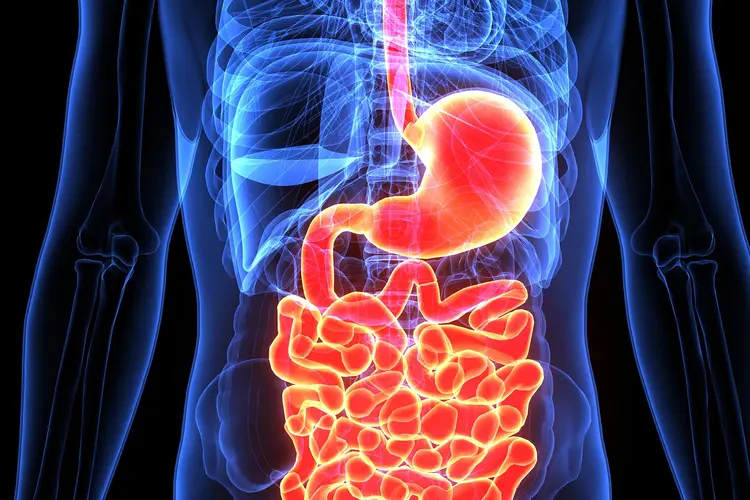
When diet changes are not enough, several proven medical treatments are available depending on the root cause of your daily diarrhea.
Over-the-Counter Medications
Loperamide (Imodium) is the most effective OTC antidiarrheal. It slows intestinal contractions and reduces stool frequency. It is suitable for short-term relief but is not a long-term solution for the underlying cause.
Bismuth subsalicylate (Pepto-Bismol) reduces inflammation in the gut lining and has mild antibacterial effects. It is helpful for acute diarrhea and traveler’s diarrhea specifically.
Probiotics
Probiotics help restore the balance of healthy gut bacteria — particularly after antibiotic use has disrupted that balance. Strains like Lactobacillus rhamnosus GG and Saccharomyces boulardii have the strongest clinical evidence for diarrhea relief.
Probiotic-rich foods like plain yogurt with live cultures, kefir, and fermented vegetables such as sauerkraut and kimchi can also gradually help rebuild gut health.
Prescription Medications
For conditions like IBS-D, IBD, microscopic colitis, and SIBO, prescription medications are often necessary alongside dietary changes.
- Rifaximin — targeted antibiotic for SIBO and IBS-D, taken for 2 weeks at a time
- Eluxadoline (Viberzi) — reduces bowel contractions in IBS-D
- Dicyclomine (Bentyl) — smooth muscle relaxant for IBS cramping and diarrhea
- Budesonide — corticosteroid for microscopic colitis
- Low-dose antidepressants — TCAs and SNRIs reduce gut pain signals through the gut-brain axis
- Alosetron (Lotronex) — reserved for severe IBS-D in women who have not responded to other treatments
Stress and Mental Health Treatment
If stress and anxiety are driving your daily diarrhea, treating the mental health component is not optional — it is essential to lasting relief.
Cognitive behavioral therapy (CBT) has strong clinical evidence for reducing IBS symptoms including daily diarrhea. Gut-directed hypnotherapy has also shown measurable effectiveness in multiple published clinical trials.
Regular exercise targeting 150 minutes of moderate activity per week, daily meditation, and consistent quality sleep are all proven ways to calm the gut-brain connection and reduce daily diarrhea frequency over time.
Diagnostic Tests Your Doctor May Order
When you visit a doctor for daily diarrhea, they will use a combination of history, physical examination, and targeted tests to identify the cause.
| Test | What It Checks |
|---|---|
| Blood test (CBC, CRP, ESR) | Infection, inflammation, anemia |
| Thyroid panel (TSH, T3, T4) | Hyperthyroidism |
| Celiac antibody panel | Celiac disease |
| Stool test | Infection, parasites, hidden blood |
| Lactose tolerance test | Lactose intolerance |
| Hydrogen breath test | SIBO, fructose or lactose malabsorption |
| Colonoscopy with biopsy | IBD, microscopic colitis, colorectal cancer |
| Endoscopy | Celiac damage, upper GI disorders |
Bring a detailed symptom diary to your appointment. Note when diarrhea occurs, what you ate, your stress level, and all medications or supplements you take.
Natural Remedies to Support Daily Diarrhea Relief
Alongside medical treatment, several natural approaches have solid evidence for reducing daily diarrhea frequency and severity.
Peppermint oil capsules — enteric-coated peppermint oil reduces intestinal cramping and IBS symptoms. Multiple clinical trials support its use for diarrhea-predominant IBS.
Ginger — reduces gut inflammation and can calm intestinal cramping. Ginger tea or fresh ginger added to meals is a simple daily addition.
Soluble fiber (psyllium husk) — adds bulk to loose stools without stimulating the bowel further. It is one of the best-tolerated fiber supplements for people with daily diarrhea.
Bone broth — easy on the gut, rich in minerals, and helps with hydration and electrolyte replacement during active diarrhea episodes.
Chamomile tea — has mild antispasmodic and anti-inflammatory effects on the gut. Helpful as a daily calming ritual alongside other treatments.
Daily Habits That Worsen Chronic Diarrhea
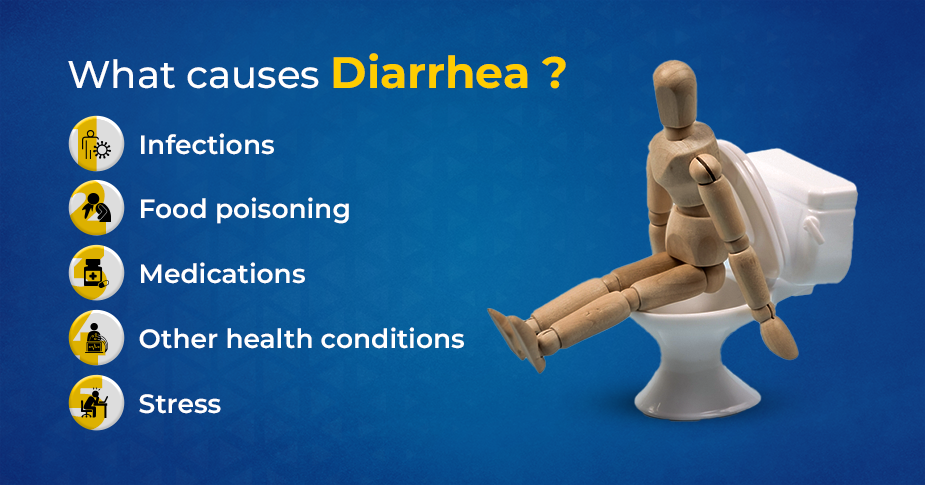
Many everyday habits silently contribute to daily diarrhea without people connecting the dots. Addressing these can produce significant improvement with no medication at all.
- Drinking coffee first thing in the morning on an empty stomach
- Eating large meals instead of smaller, more frequent ones throughout the day
- Skipping meals and then overeating, which triggers gut motility spikes
- Chronic sleep deprivation, which disrupts the gut-brain axis regulation
- A sedentary lifestyle with poor gut motility and digestive regulation
- High daily sugar and ultra-processed food intake
- Chronically high stress with no active stress management strategy in place
Small daily changes in these habits — particularly reducing caffeine, managing stress, and eating smaller meals — often produce visible improvement within one to two weeks.
Frequently Asked Questions (FAQs)
Why do I have diarrhea every day but feel fine otherwise?
Daily diarrhea without other symptoms is most often caused by IBS, a food intolerance, or daily caffeine consumption. See a doctor if it has lasted more than four weeks.
Is it normal to have a loose stool every morning?
Morning diarrhea is common in people with IBS, anxiety, and high caffeine intake. Cortisol is highest in the morning and stimulates bowel activity. Daily morning diarrhea is not normal and should be evaluated.
Can stress cause diarrhea every day?
Yes. Chronic stress activates the gut-brain axis and speeds up colon contractions. Daily anxiety or unmanaged stress is a direct and well-documented cause of persistent daily diarrhea.
What foods stop diarrhea fast?
The BRAT diet — bananas, white rice, applesauce, and toast — is the fastest dietary fix for loose stools. Boiled potatoes, plain pasta, and lean boiled chicken also help firm up stools quickly.
How long is too long to have diarrhea every day?
More than four weeks of daily diarrhea is classified as chronic and always requires a medical evaluation. Even two weeks of persistent loose stools warrants a doctor visit.
Can lactose intolerance cause daily diarrhea?
Yes. If you consume dairy products every day and have lactose intolerance, you will experience daily diarrhea, gas, and bloating. Eliminating dairy for two weeks is a simple first diagnostic test.
What medication stops chronic diarrhea?
Loperamide (Imodium) provides quick OTC relief. For chronic causes, rifaximin, eluxadoline, or low-dose antidepressants may be prescribed depending on the specific underlying diagnosis.
Can probiotics help with daily diarrhea?
Yes, particularly after antibiotic use. Lactobacillus rhamnosus GG and Saccharomyces boulardii are the best-studied strains for reducing diarrhea frequency and restoring gut bacteria balance.
Should I go to the emergency room for diarrhea every day?
Go to the ER immediately if your diarrhea includes blood in the stool, a high fever, severe abdominal pain, or signs of serious dehydration such as rapid heartbeat, dizziness, or inability to urinate.
Can the low FODMAP diet stop daily diarrhea?
For IBS-related daily diarrhea, the low FODMAP diet is highly effective — up to 75% of IBS patients report significant symptom reduction when followed correctly for 4 to 8 weeks under guidance.
Conclusion
Why do I have diarrhea every day is not just a frustrating question — it is your body asking for help.
The good news is that daily diarrhea almost always has an identifiable cause, and most causes are highly treatable once properly diagnosed.
Start by examining your daily diet, caffeine and alcohol intake, medications, and stress levels. Make targeted changes and carefully track what improves.
If symptoms persist for more than four weeks, or if you notice blood, fever, or significant weight loss, do not wait — see a gastroenterologist for a full evaluation.
Chronic diarrhea is extremely common, but it is absolutely not something you have to simply live with. With the right diagnosis, the right diet, and the right treatment plan tailored to your specific cause, lasting relief in 2026 is completely within reach.
Take that first step today and reclaim your comfort, your confidence, and your daily quality of life.
