

Why is my dog limping is one of the most common and worrying questions pet owners ask in 2026. Limping in dogs can range from a tiny pebble stuck in a paw pad to a serious bone disease that needs urgent surgery.
The problem is that dogs cannot tell you where it hurts. That means you have to watch for signs, understand the causes, and know when to call the vet.
Two Types of Dog Limping: Sudden vs Gradual
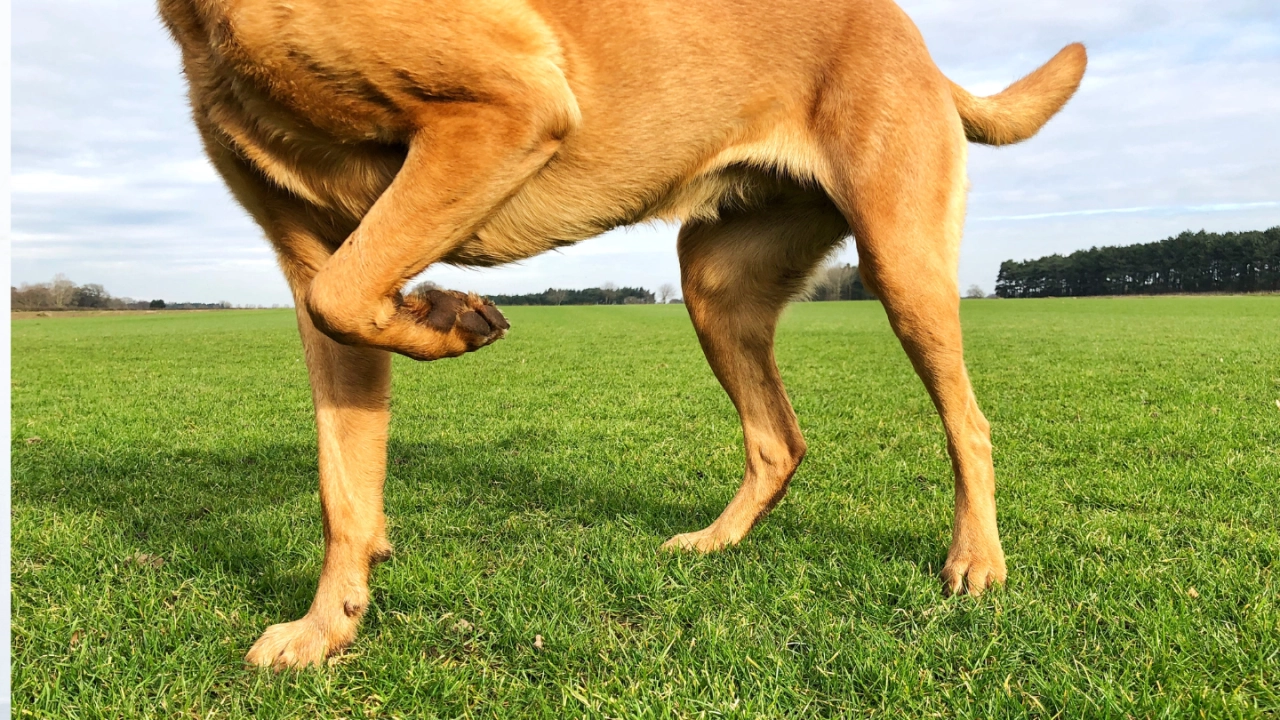
The first thing to figure out when your dog starts limping is whether it came on suddenly or slowly over time. This single detail helps your vet narrow down the cause fast.
Sudden limping usually means an injury happened. Your dog may have stepped on something sharp, twisted a leg during play, or taken a bad landing from a jump. Sudden limping often needs faster veterinary attention.
Gradual limping develops slowly over days or weeks. It usually points to a chronic condition like arthritis, hip dysplasia, or a growing bone problem. Even if it seems mild, gradual limps should not be ignored because conditions like bone cancer get worse the longer they go untreated.
| Type of Limp | Likely Cause | Urgency |
|---|---|---|
| Sudden, severe, no weight bearing | Fracture, ligament tear, dislocation | Emergency — see vet immediately |
| Sudden, mild, still bearing weight | Sprain, paw injury, sore pad | Monitor for 24 hours, then vet |
| Gradual, getting worse over weeks | Arthritis, hip dysplasia, bone cancer | Schedule vet visit soon |
| Intermittent, comes and goes | Luxating patella, early arthritis | Vet visit recommended |
| After sleeping or long rest | Arthritis, stiffness | Monitor, vet visit if persistent |
| After exercise | Overexertion, muscle strain | Rest, then vet if no improvement |
Most Common Causes of Limping in Dogs
There are dozens of reasons a dog can start limping. Some are simple fixes and some are serious medical conditions. Here are the most common ones seen by vets in 2026.
Paw and Foot Injuries
This is one of the most common reasons for sudden limping, especially in young and active dogs. A small stone, thorn, splinter, or grass awn stuck between the toes can cause instant limping.
Cuts on the paw pads, broken or torn nails, and nail bed infections also cause immediate pain and limping. These injuries are often easy to spot if you check the paw carefully.
Burns from hot pavement in summer or frostbite in winter can also cause limping. Always check the pads if your dog suddenly starts favoring a leg.
Muscle Sprain or Strain
Sprains and strains happen when dogs overexert themselves during running, jumping, or rough play. The dog may limp shortly after intense activity and then seem better after rest.
These injuries typically resolve on their own within a few days with rest and restricted movement. However, if the limp does not improve within 24–48 hours, a vet visit is needed.
Cranial Cruciate Ligament (CCL) Tear
The CCL is the canine equivalent of the human ACL. A CCL tear is one of the most common orthopedic injuries in dogs and often causes sudden, severe limping on the back leg.
Breeds at higher risk include German Shepherds, Labrador Retrievers, Golden Retrievers, Rottweilers, and Newfoundlands. CCL injuries often require surgery and several weeks of recovery.
Osteoarthritis (Joint Disease)
Osteoarthritis is the most common joint disease in dogs, affecting an estimated 25% of all dogs. It is a progressive condition where cartilage between bones breaks down, causing painful bone-on-bone friction.
Arthritis-related limping is usually gradual and often worst after the dog has been resting or sleeping. Older dogs are most commonly affected, but it can develop at any age.
Hip Dysplasia
Hip dysplasia is a genetic condition where the hip joint does not form properly. It causes the hip to grind and deteriorate over time, leading to a noticeable limp, reduced activity, and difficulty rising.
Large and giant breeds are most prone to hip dysplasia, including German Shepherds, Great Danes, Saint Bernards, and Labradors. Early diagnosis and weight management can slow the progression significantly.
Elbow Dysplasia
Elbow dysplasia is similar to hip dysplasia but affects the front legs. It is one of the leading causes of front leg limping in medium to large breed dogs.
Dogs with elbow dysplasia often limp on one or both front legs and may walk with a stiff or unusual gait. Surgery is often recommended for younger dogs to improve long-term mobility.
Luxating Patella (Dislocated Kneecap)
Luxating patella is when the kneecap slips out of its groove. This is extremely common in small breed dogs like Chihuahuas, Pomeranians, Yorkshire Terriers, and Toy Poodles.
Dogs with a luxating patella often skip on one back leg for a few steps, then return to normal walking as the kneecap slides back into place. It can be intermittent, which makes it easy to miss.
Bone Fractures
A broken or fractured bone causes an immediate and severe limp. Most dogs with a fracture will completely refuse to put any weight on the affected leg.
Fractures require urgent veterinary care. Never try to splint or bandage a suspected fracture at home, as improper handling can make the injury significantly worse.
Bone Cancer (Osteosarcoma)
Osteosarcoma is an aggressive bone cancer that most commonly affects large and giant breed dogs in middle age or older. It usually affects the legs and causes a limp that progressively worsens.
The pain from bone cancer is severe and unrelenting. If your dog has a limping leg that has been gradually getting worse over several weeks, cancer must be ruled out. Early detection significantly affects treatment options.
Lyme Disease and Tick-Borne Illness
Lyme disease, spread by deer ticks, commonly causes joint pain and limping in dogs. The limp may shift between different legs on different days, which is a key identifying sign.
Other tick-borne diseases like Rocky Mountain spotted fever can also cause lameness. If your dog has been in wooded or grassy areas, tick-borne illness should be considered when assessing limping.
Intervertebral Disc Disease (IVDD)
IVDD occurs when the discs between the vertebrae in the spine bulge or rupture. This puts pressure on the spinal cord and nerves, causing weakness, wobbling, and limping in one or more legs.
Dachshunds, Corgis, Beagles, and Basset Hounds are most at risk due to their long spines. Severe cases can lead to complete paralysis and require emergency surgery.
Nerve Damage
Damage to the nerve bundles in the leg or spine can make walking difficult or impossible. Nerve damage may cause a dog to drag one leg, walk with an uneven gait, or have reduced sensation in the limb.
Brachial plexus injuries (affecting the front shoulder area) are common after falls or car accidents. Neurological limping needs a thorough veterinary evaluation to determine the cause.
Dog Limping on Front Leg: What It Means
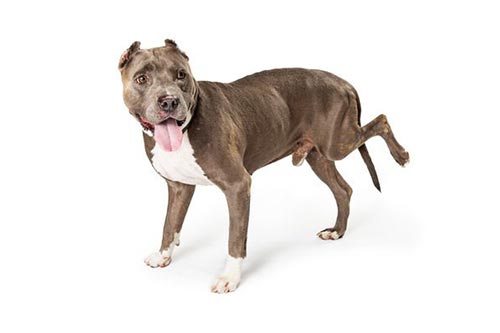
Front leg limping is particularly important to assess quickly because dogs carry about 60% of their total body weight on their front legs.
Common causes of front leg limping include paw injuries, muscle strains, elbow dysplasia, osteosarcoma, fractures, and shoulder injuries. Front leg issues tend to cause more visible head bobbing when a dog walks.
If your dog is completely refusing to touch the front leg to the ground, is crying when the leg is touched, or the leg appears to be at an abnormal angle, this is an emergency. Go to the vet immediately.
Signs of a Serious Front Leg Limp
| Sign | What It May Mean |
|---|---|
| Leg held up completely off the ground | Fracture, severe sprain, or dislocation |
| Visible swelling or deformity | Broken bone or dislocated joint |
| Crying or yelping when leg is touched | Acute pain, fracture, or nerve injury |
| Pale gums, trembling, rapid breathing | Shock — emergency vet needed immediately |
| Open wound on the leg | Infection risk — vet needed same day |
Dog Limping on Back Leg: What It Means
Back leg limping is extremely common and has a wide range of causes from mild to severe. The back legs bear the dog’s weight during jumping, running, and climbing.
The most common causes of back leg limping are CCL tears, hip dysplasia, luxating patella, arthritis, and nerve-related conditions like IVDD. In older large breed dogs, a sudden back leg limp is most often a CCL injury until proven otherwise.
If your dog is limping on the back leg but still seems otherwise normal and is putting some weight on it, you can monitor at home for 24 hours. If there is no improvement, schedule a vet visit.
Emergency Warning Signs: When to Go to the Vet Right Now
Some limps can wait a day or two. Others cannot wait at all. Here are the signs that your dog needs emergency veterinary care immediately.
Go to the emergency vet right away if your dog:
Refuses to put any weight on the leg at all and the limping came on suddenly. This is a sign of a fracture, severe ligament tear, or dislocation.
Has a bone or joint that looks visibly deformed, swollen, or at an abnormal angle. Never try to straighten or splint the leg yourself.
Is crying, yelping, or snapping when you touch the leg or approach them. Severe pain always needs immediate attention.
Has pale or white gums, is trembling uncontrollably, is breathing very fast, or seems confused or disoriented alongside the limp. These are signs of shock.
Has an open wound on the limb that is actively bleeding or appears deep. Wounds near joints carry a high risk of serious infection.
Has been limping for more than 24 hours without any improvement or is getting visibly worse over a short period of time.
When to See the Vet (But Not an Emergency)
Not every limp needs an emergency visit, but most limps still need a vet’s attention within a reasonable timeframe.
Schedule a vet appointment within 24–48 hours if your dog:
Has been limping consistently for more than one day and it is not improving with rest. Even mild limps that persist need a professional assessment.
Is limping intermittently, where the limp seems to come and go over several days or weeks. This pattern often points to early arthritis or a luxating patella.
Is a senior dog showing any new limp or change in gait. Older dogs are at much higher risk for serious conditions including cancer, and early diagnosis matters.
Is a large or giant breed dog over 5 years old with a new back leg limp. CCL injuries in large breeds almost always require surgery and the sooner it is addressed, the better the outcome.
Pro tip: Record a short video of your dog walking at home before the vet appointment. Dogs often walk normally when nervous at the clinic, making diagnosis harder for your vet.
How to Examine Your Dog at Home
If your dog is limping but not in severe pain, you can do a basic home check to gather information before your vet visit. This should never replace a professional examination.
Step 1: Watch your dog walk. Identify which leg is affected — front or back, left or right. Notice if the dog is carrying the leg up completely or just favoring it slightly.
Step 2: Check the paw. Look between the toes for pebbles, thorns, glass, or grass awns. Check the pads for cuts, cracks, swelling, or redness. Check each nail for breaks, splitting, or swelling around the nail base.
Step 3: Feel the leg gently. Starting at the paw, apply light pressure and work your way up the leg. Note any area where the dog flinches, pulls back, or vocalizes. Check for swelling, heat, or unusual firmness.
Step 4: Check the joints. Gently bend and flex each joint. If your dog resists or cries when you move a joint, note which one and do not force the movement further.
Step 5: Assess the overall condition. Check the dog’s gum color (should be pink and moist), breathing rate, and energy level. Any signs of shock or extreme distress mean you should go directly to the emergency vet.
Home Care and First Aid for a Limping Dog
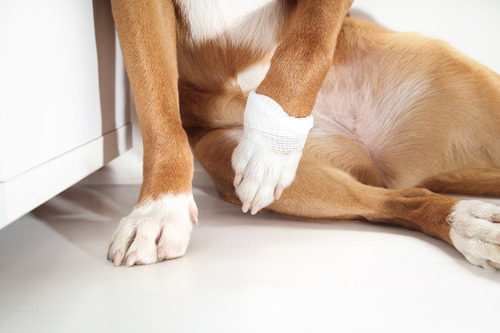
If the limp is mild and your dog is still bearing weight on the leg, there are some basic steps you can take at home before or while waiting for a vet appointment.
Rest is the most important first step. Stop all exercise including walks, play, running, and jumping. Keep your dog calm and confined to a small, safe area if possible.
Use a leash for all outdoor bathroom breaks. This prevents your dog from suddenly running or jumping, which can turn a minor injury into a serious one.
Remove any visible foreign objects. If you can clearly see a thorn, small stone, or splinter in the paw and it is easy to reach, remove it gently and clean the area with mild antibacterial soap.
Apply a cold compress. For suspected sprains or mild swelling, a wrapped ice pack applied for 10–15 minutes can help reduce inflammation in the first 24 hours.
Do not give human pain medication. Ibuprofen, acetaminophen (Tylenol), naproxen, and aspirin are all toxic to dogs. Never give human pain relievers to a dog under any circumstances.
Keep your dog comfortable. Provide a soft, supportive sleeping surface and use ramps or steps to help them get on and off furniture or into the car without jumping.
What the Vet Will Do: The Diagnostic Process
When you bring your dog to the vet for limping, here is what a thorough examination typically looks like:
The vet will ask detailed questions about when the limp started, whether it came on suddenly or gradually, any recent activities, and the dog’s medical history. Your home video can be extremely helpful here.
A physical and orthopedic exam will follow. The vet will watch your dog walk, palpate the limbs, flex and extend each joint, and check reflexes and neurological responses.
X-rays are ordered in most cases to look for fractures, joint changes, arthritis, bone cancer, or hip and elbow dysplasia. Your dog may need light sedation to get clear images.
In more complex cases, blood work, tick disease testing, joint fluid analysis, CT scans, or MRI may also be recommended. These help diagnose conditions like Lyme disease, nerve injuries, and spinal cord problems.
Treatment Options for Dog Limping
Treatment depends entirely on the underlying cause. Here is an overview of the most common treatment approaches:
| Cause of Limping | Common Treatment |
|---|---|
| Minor paw injury or sprain | Rest, limited activity, pain management |
| Muscle strain | Rest, anti-inflammatory medication |
| Arthritis | NSAIDs, joint supplements, weight management, physical therapy |
| CCL tear | Surgery (TPLO or TTA), followed by rehabilitation |
| Hip dysplasia | Weight control, NSAIDs, physical therapy, or surgery |
| Luxating patella | Monitoring or surgical correction depending on severity |
| Fracture | Splinting, surgery, or external fixation |
| Lyme disease | Antibiotics, anti-inflammatory medication |
| Bone cancer | Amputation, chemotherapy, palliative pain management |
| IVDD | Rest, steroids, pain management, or spinal surgery |
Pain medications commonly prescribed for dog limping include NSAIDs such as carprofen (Rimadyl), meloxicam (Metacam), and grapiprant (Galliprant). These reduce pain and inflammation effectively but must always be used under veterinary supervision.
Joint supplements like glucosamine, chondroitin, and omega-3 fatty acids are often recommended alongside medication for dogs with arthritis or joint disease to support long-term joint health.
Physical therapy and rehabilitation are increasingly common for dogs recovering from surgery or managing chronic limping. Hydrotherapy (underwater treadmill), laser therapy, and massage can all support recovery.
Limping in Senior Dogs vs Young Dogs
Age plays a major role in what is causing your dog’s limp. The likely causes are different depending on whether you have a puppy, an adult dog, or a senior dog.
Puppies and young dogs are most likely limping from a paw injury, a sprain, or a developmental bone condition called panosteitis (bone inflammation that comes and goes as the puppy grows). These often resolve on their own but should still be checked.
Adult dogs in the prime of life are most often limping from acute injuries such as CCL tears, sprains, or fractures caused by activity. Tick-borne disease is also a common cause in this age group.
Senior dogs are most frequently affected by osteoarthritis, hip dysplasia, and unfortunately, cancer. Any new limp in a senior dog warrants prompt veterinary attention because early intervention makes a significant difference in quality of life.
Breed-Specific Limping Risks
Some breeds are significantly more prone to limping than others because of their genetics and body structure.
| Dog Breed | Common Limping Risk |
|---|---|
| German Shepherd | CCL tears, hip dysplasia, degenerative myelopathy |
| Labrador Retriever | CCL tears, elbow dysplasia, obesity-related arthritis |
| Golden Retriever | CCL tears, hip dysplasia |
| Dachshund | IVDD, intervertebral disc disease |
| Chihuahua / Pomeranian | Luxating patella |
| Great Dane / Saint Bernard | Hip dysplasia, bone cancer |
| Rottweiler | CCL tears, osteosarcoma |
| Basset Hound | IVDD, elbow dysplasia |
| Greyhound | Muscle injuries, stress fractures |
How to Prevent Limping in Dogs

While not all limping can be prevented, many causes can be reduced with good habits and proactive care.
Maintain a healthy weight. Excess body weight puts enormous strain on joints and is one of the leading contributors to early-onset arthritis, CCL tears, and hip dysplasia. Work with your vet to keep your dog at an ideal weight.
Warm up before intense exercise. Do not let your dog go from a complete rest to explosive running. A short 5-minute walk before play or off-leash exercise helps warm up the muscles and ligaments.
Keep nails trimmed. Overgrown nails alter the way a dog walks, putting strain on joints and increasing the risk of nail tears. Keep nails at a comfortable length with regular grooming.
Use joint supplements early. For large breeds and dogs with known genetic risk factors, starting joint supplements like glucosamine and fish oil at a young age can help slow joint deterioration.
Check paws regularly. After walks in parks, fields, or wooded areas, check between the toes and pads for debris, cuts, or embedded objects. Early removal prevents infections and injuries from getting worse.
Keep vaccinations and tick prevention current. Lyme disease is a common and preventable cause of dog limping. Year-round tick prevention is one of the simplest things you can do to protect your dog’s joint health.
Frequently Asked Questions (FAQs)
Why is my dog limping but not crying or showing pain?
Dogs often hide pain instinctively. A dog that is limping without obvious crying is still in discomfort and should be examined by a vet, especially if the limp lasts more than a day.
Should I walk my dog if they are limping?
No. Rest is the first priority. Skip all walks except short leash trips outside for bathroom breaks until a vet has assessed the cause.
Can a dog limp heal on its own?
Minor sprains and paw injuries often resolve within 24–48 hours of rest. Serious causes like CCL tears, fractures, and arthritis will not improve without proper veterinary treatment.
Why is my dog limping after sleeping or waking up?
Morning stiffness that improves after a few minutes of movement is a classic sign of osteoarthritis. Schedule a vet visit to discuss pain management and joint support options.
Is it safe to give my dog ibuprofen or Tylenol for limping?
No, never. Both ibuprofen and acetaminophen (Tylenol) are toxic to dogs and can cause kidney failure, liver damage, or death. Only use medications prescribed by your vet.
How do I know if my dog’s limp is an emergency?
Go to the emergency vet immediately if your dog refuses to bear any weight, has a visibly deformed limb, is in obvious severe pain, has pale gums, or has an open wound on the leg.
Why is my dog limping on and off on the back leg?
Intermittent back leg limping is commonly caused by a luxating patella (kneecap slipping in and out of place) or early-stage arthritis. A vet examination will confirm the cause.
Can arthritis cause sudden limping in dogs?
Yes. A dog with underlying arthritis may suddenly limp after extra exercise, a change in weather, or after resting for a long time. The limp may appear sudden even though the arthritis has been developing slowly.
What is the most common cause of limping in dogs?
Injuries to the paw, muscle sprains, and CCL (cruciate ligament) tears are among the most common causes. Osteoarthritis is the most common chronic cause, especially in older dogs.
My dog was limping yesterday but seems fine today. Should I still see the vet?
Yes, a vet visit is still recommended. If the limp comes back or the underlying cause is not treated, the problem can worsen. A single assessment can rule out anything serious.
Conclusion
Why is my dog limping is a question that every dog owner will face at some point. The answer can range from a simple pebble in the paw to a serious condition requiring surgery.
The key is to never ignore a limp that lasts more than 24 hours, gets progressively worse, or is accompanied by any emergency warning signs.
Watch your dog’s movement carefully, check their paws and legs at home, and get a professional diagnosis as quickly as possible.
Early treatment almost always leads to better outcomes, faster recovery, and less pain for your dog. Your dog depends on you to notice something is wrong and take action. With the right care and a good vet on your side, most causes of dog limping are very treatable.
