

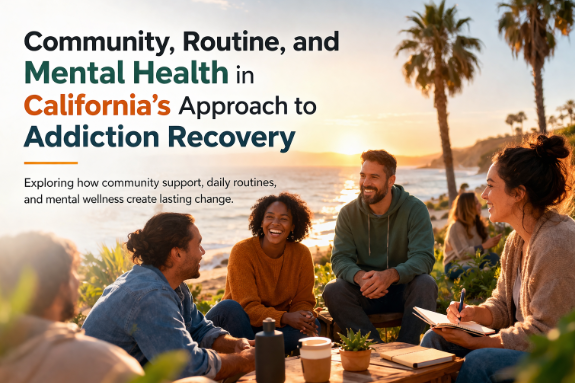
Recovery from substance use is rarely a straight path. It’s often a deeply personal journey shaped by environment, relationships, and the daily choices a person makes. In recent years, a noticeable shift has taken place in how recovery is approached—especially in places like California, where the focus has expanded beyond clinical treatment to include community connection, structured routines, and mental well-being.
This evolving perspective recognizes a simple truth: lasting recovery is not just about stopping substance use. It’s about rebuilding a life that feels stable, meaningful, and worth maintaining.
The Power of Community in Recovery
One of the most defining elements of modern recovery approaches is the emphasis on community. Isolation has long been recognized as both a contributing factor to substance use and a barrier to recovery. When people feel disconnected—from others, from purpose, or even from themselves—it becomes much harder to sustain change.
Community, in this context, isn’t just about being around people. It’s about belonging.
In many California drug and alcohol rehab settings, individuals are encouraged to actively participate in group environments where shared experiences become a foundation for healing. Whether it’s through group therapy sessions, peer-led discussions, or informal social interactions, these spaces offer something powerful: understanding without judgment.
Hearing someone else articulate a struggle you’ve felt but never expressed can be a turning point. It reduces shame, builds empathy, and reinforces the idea that recovery is possible.
But community doesn’t stop at structured sessions. It extends into everyday life—support groups, local events, and even casual friendships built during recovery all play a role. Over time, these connections help replace old patterns with healthier, more supportive networks.
Why Routine Matters More Than We Think
If community provides the emotional foundation for recovery, routine offers the structure.
Many individuals entering recovery come from lives that lacked consistency. Substance use often disrupts sleep patterns, eating habits, work schedules, and relationships. Without a stable framework, it’s easy to feel lost or overwhelmed.
This is where routine becomes essential.
In California drug and alcohol rehab environments, structured daily schedules are often introduced early in the process. These routines might include:
- Morning check-ins or reflections
- Scheduled therapy sessions
- Physical activity or mindfulness practices
- Time for meals and rest
- Evening group discussions or journaling
At first glance, this structure may seem simple. But its impact is profound. Routine creates predictability, and predictability reduces stress. When people know what to expect from their day, they’re less likely to feel anxious or impulsive.
Over time, these small, consistent actions begin to build momentum. Waking up at the same time each day, showing up for group sessions, or taking a daily walk may not feel transformative in isolation—but together, they form the backbone of a stable life.
More importantly, routine helps individuals regain a sense of control. Instead of reacting to circumstances, they begin to shape their own days.
Mental Health: The Missing Piece Now at the Center
For a long time, addiction treatment focused primarily on the physical aspects of substance use—detoxification, withdrawal management, and abstinence. While these are crucial steps, they don’t address the underlying reasons why substance use began in the first place.
That’s where mental health comes in.
Today, there is a growing understanding that substance use and mental health are deeply interconnected. Conditions like anxiety, depression, trauma, and chronic stress often exist alongside substance use, each influencing the other.
California drug and alcohol rehab approaches increasingly reflect this awareness by integrating mental health support into every stage of recovery.
Therapeutic practices such as cognitive-behavioral therapy (CBT), mindfulness techniques, and trauma-informed care are commonly used to help individuals explore their thoughts, emotions, and behavioral patterns. These approaches don’t just aim to reduce symptoms—they help people understand themselves on a deeper level.
For example, someone who has used substances to cope with anxiety may learn alternative strategies for managing stress, such as breathing exercises, grounding techniques, or reframing negative thoughts. Over time, these tools become healthier replacements for old coping mechanisms.
What makes this integration so effective is that it treats the person as a whole, rather than focusing on a single issue. Recovery becomes less about “fixing a problem” and more about building a healthier relationship with oneself.
How Community, Routine, and Mental Health Work Together
While each of these elements—community, routine, and mental health—has its own value, their real strength lies in how they work together.
Imagine someone navigating recovery without community. Even with a solid routine and access to therapy, they might still feel isolated. That loneliness can quietly erode progress.
Now imagine someone with community support but no routine. They may feel encouraged by others, but without structure, it’s easy to fall back into old habits.
Finally, consider someone with both community and routine but without addressing mental health. The surface may look stable, but unresolved emotional challenges can still lead to relapse.
When all three elements are present, something different happens.
- Community provides connection and accountability
- Routine creates stability and direction
- Mental health support builds resilience and self-awareness
Together, they form a comprehensive approach that supports both short-term recovery and long-term growth.
Real-Life Impact: Small Changes, Lasting Results
What makes this approach particularly effective is its focus on realistic, sustainable change.
Recovery doesn’t require dramatic transformations overnight. In fact, it’s often the smallest changes that have the biggest impact.
Attending a group session even when it feels uncomfortable.
Choosing to go for a walk instead of isolating.
Practicing a breathing exercise during a stressful moment.
These actions may seem minor, but they add up. Over time, they reshape habits, perspectives, and ultimately, identity.
Many individuals in California drug and alcohol rehab programs find that as they engage more deeply with community, stick to daily routines, and address their mental health, they begin to experience something unexpected: a sense of normalcy.
Life becomes less about avoiding substances and more about participating in meaningful experiences—relationships, hobbies, work, and personal growth.
Challenges Along the Way
Of course, this approach is not without its challenges.
Building connections can be difficult, especially for those who have experienced trust issues or social anxiety. Establishing a routine may feel restrictive at first, particularly for individuals used to unpredictability. And confronting mental health struggles often requires facing uncomfortable emotions.
But these challenges are part of the process.
Growth rarely happens in comfort zones. With the right support, individuals learn to navigate these difficulties and come out stronger on the other side.
A Shift Toward Sustainable Recovery
What sets California’s approach apart is its emphasis on sustainability.
Rather than focusing solely on short-term outcomes, the goal is to equip individuals with the tools they need for long-term success. This includes:
- Building supportive relationships
- Developing consistent daily habits
- Understanding and managing mental health
These are not temporary fixes—they are lifelong skills.
As more people share their recovery journeys, it becomes clear that this holistic approach resonates because it reflects real life. Recovery isn’t a single event or milestone; it’s an ongoing process of learning, adapting, and growing.
Final Thoughts
Addiction recovery is deeply complex, but it doesn’t have to be overwhelming. By focusing on community, routine, and mental health, a more balanced and human-centered path emerges.
This approach recognizes that people don’t recover in isolation, nor do they thrive without structure or emotional support. When these elements come together, they create an environment where healing is not only possible—but sustainable.
For anyone exploring California drug and alcohol rehab options or simply seeking a better understanding of recovery, this perspective offers something valuable: hope grounded in practical, everyday actions.
And sometimes, that’s exactly where real change begins.
