

Cardiopulmonary resuscitation (CPR) is a critical skill that can save lives in emergency situations. As such, CPR providers are tasked with the important responsibility of ensuring that their courses are structured in a way that builds confidence quickly and effectively. The goal is to equip participants with the necessary skills to act decisively and competently when faced with a real-life emergency. This involves a combination of theoretical knowledge and practical application, delivered in a manner that is both engaging and informative. By understanding how these courses are structured, individuals can better appreciate the value of CPR training and its impact on community safety.
Course Structure and Learning Outcomes
CPR courses are meticulously designed to ensure that participants gain a comprehensive understanding of life-saving techniques. The structure typically begins with an introduction to the basic principles of CPR, including the importance of timely intervention and the physiological aspects of cardiac arrest. This foundational knowledge is crucial as it sets the stage for more advanced learning. Instructors often use a blend of lectures, visual aids, and interactive discussions to convey this information effectively. The aim is to create a learning environment that is both informative and engaging, allowing participants to absorb the material thoroughly. As the course progresses, participants are introduced to practical skills through hands-on training sessions. These sessions are designed to simulate real-life scenarios, providing participants with the opportunity to practice techniques such as chest compressions and rescue breaths. By the end of the course, participants should feel confident in their ability to perform CPR and understand the critical role they play in emergency response.
Hands-On Training and Simulation
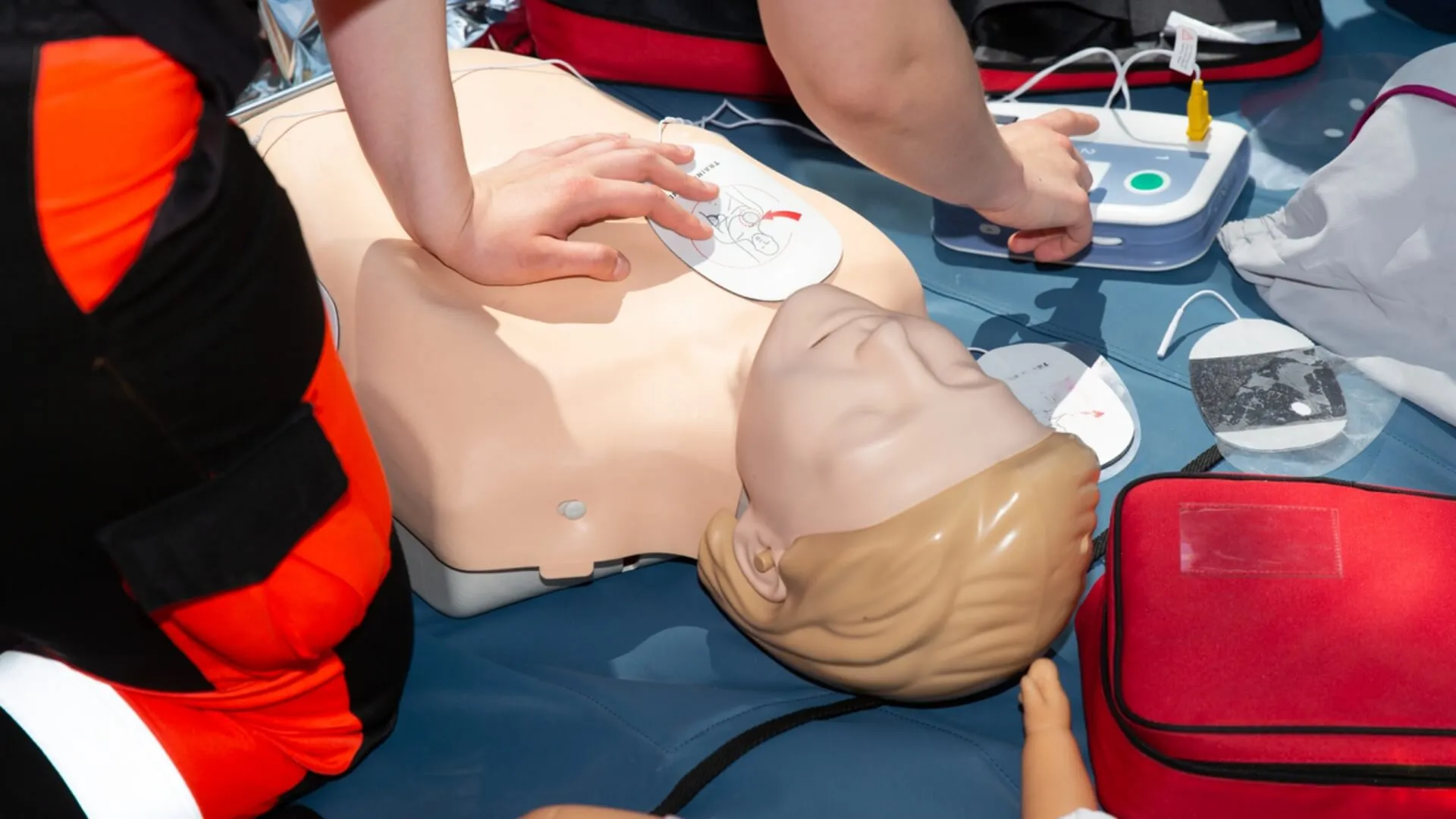
A key component of CPR courses is the emphasis on hands-on training and simulation. This approach allows participants to apply theoretical knowledge in a controlled environment, which is essential for building confidence and competence. During these sessions, participants practice on manikins that mimic the human body’s response to CPR. This practical experience is invaluable as it helps participants develop muscle memory and refine their technique. Instructors provide real-time feedback, offering guidance and corrections to ensure that participants are performing the techniques correctly. This immediate feedback loop is crucial for reinforcing learning and building confidence. Additionally, simulations of emergency scenarios are incorporated to test participants’ ability to respond under pressure. These scenarios are designed to be as realistic as possible, challenging participants to think critically and act swiftly. By the end of the training, participants should feel prepared to handle real-life emergencies with confidence and competence.
The Role of Technology in CPR Training
Technology plays a significant role in enhancing the effectiveness of CPR training courses. Many providers incorporate advanced tools and resources to facilitate learning and improve skill retention. For instance, some courses utilize virtual reality (VR) simulations to create immersive learning experiences. These simulations allow participants to practice CPR in a variety of settings, from a quiet office to a bustling public space. The use of VR technology provides a unique opportunity for participants to experience the stress and urgency of a real-life emergency without the associated risks. Additionally, online platforms and mobile applications are often used to supplement in-person training. These digital resources offer participants the flexibility to review course materials and practice techniques at their own pace. By integrating technology into CPR training, providers can offer a more comprehensive and accessible learning experience. Coast2Coast is one such provider that leverages technology to enhance the quality of its CPR courses, ensuring participants gain the confidence needed to perform life-saving techniques effectively.
Importance of Instructor Expertise
The effectiveness of a CPR course is heavily influenced by the quality of instruction. Instructors play a pivotal role in guiding participants through the learning process, providing support and encouragement along the way. Experienced instructors bring a wealth of knowledge and practical experience to the classroom, which is invaluable for participants. They are adept at breaking down complex concepts into manageable parts, making it easier for participants to grasp the material. Furthermore, instructors are skilled at creating a positive and supportive learning environment, which is essential for building confidence. They encourage questions and foster open discussions, allowing participants to explore the material in depth. By sharing real-life experiences and anecdotes, instructors can provide valuable insights into the practical application of CPR techniques. This personalized approach to teaching helps participants feel more connected to the material and more confident in their abilities.
Short Course Duration and Intensive Learning
CPR courses are often designed to be short and intensive, allowing participants to gain the necessary skills in a relatively brief period. This approach is particularly beneficial for individuals with busy schedules who may not have the time to commit to lengthy training programs. The condensed format ensures that participants receive all the essential information and practical training in a focused and efficient manner. Despite the short duration, the courses are structured to maximize learning outcomes. Instructors prioritize the most critical aspects of CPR, ensuring that participants leave with a solid understanding of the techniques and their application. The intensive nature of the training also helps to reinforce learning, as participants are immersed in the material for the duration of the course. This focused approach is effective in building confidence quickly, as participants are able to see their progress and improvement in a short amount of time.
Conclusion
CPR providers play a crucial role in equipping individuals with the skills and confidence needed to respond effectively in emergency situations. By structuring courses to include a blend of theoretical knowledge, hands-on training, and technological resources, providers ensure that participants gain a comprehensive understanding of CPR techniques. The emphasis on practical application and real-time feedback helps to build confidence and competence, preparing participants to act decisively when it matters most. The role of experienced instructors cannot be overstated, as they guide participants through the learning process and provide valuable insights into the practical application of CPR. Ultimately, the structured approach to CPR training ensures that participants leave with the confidence and skills needed to make a difference in their communities.
