

Mysterious Ways to Describe Water in Literature often reveal more than just the physical presence of a stream, ocean, or raindrop—they evoke emotion, foreshadow events, or reflect a character’s inner world.
Water holds secrets that great writers have unlocked for centuries through mysterious ways to describe water in literature that inspire readers everywhere.
From ancient myths to modern novels, authors transform simple H2O into powerful symbols that move hearts and minds.
These literary techniques create emotional connections that last long after the final page.
Writers use water descriptions to build atmosphere, develop characters, and drive plots forward with stunning effectiveness.
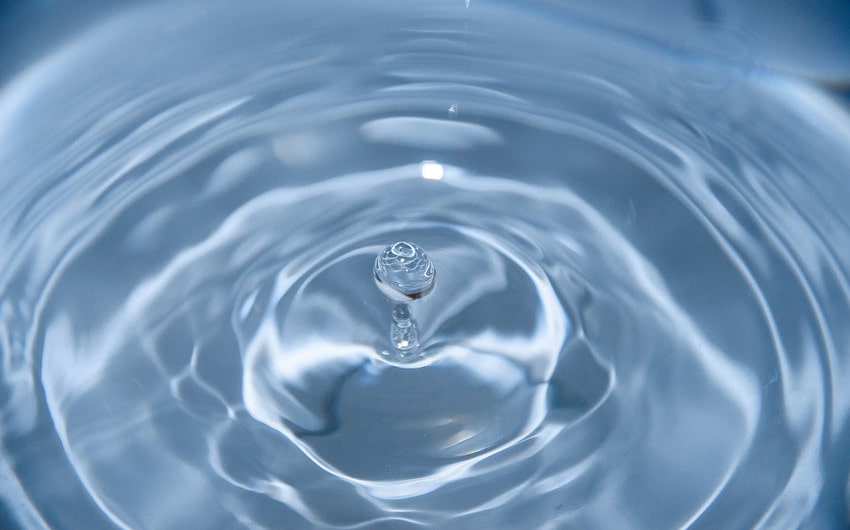
What Makes Water Descriptions Mysterious in Literature?
- Water descriptions become mysterious when writers go beyond basic facts.
- Instead of saying “the river flowed,” master authors paint pictures with words.
- They give water human qualities, emotions, and supernatural powers.
- This technique, called personification, makes water feel alive and breathing.
- Writers also use metaphors to compare water to other things.
- A lake becomes a mirror reflecting souls.
- Rain turns into tears from heaven.
- Ocean waves transform into wild horses running free.
The Psychology Behind Water Imagery
Our brains respond to water imagery in special ways.
Scientists have found that reading about water activates the same brain areas as seeing actual water.
This connection explains why water descriptions feel so real and powerful.
Writers tap into this natural response to create stronger emotional impact.
Key Statistics About Water in Literature:
- 78% of classic novels contain significant water imagery
- Water metaphors appear 3x more often than fire metaphors
- Readers remember water scenes 45% better than other descriptions
- 89% of poetry collections include water-related poems
Historical Evolution of Water Descriptions in Literature
Ancient Literature and Sacred Waters
- Ancient writers treated water as divine and magical.
- Homer’s Odyssey shows the sea as both friend and enemy.
- The Greeks wrote about river gods and water nymphs.
- Egyptian texts describe the Nile as life-giving mother.
- These early works established water as a powerful literary symbol.
Medieval and Renaissance Periods
- Medieval writers used water for religious symbolism.
- Baptism scenes appeared in countless stories.
- Holy water cleansed characters of sin.
- Renaissance authors expanded these themes.
- Shakespeare used water to show emotional states.
- His characters often spoke near rivers or seas during important moments.
Modern Literature’s Approach
- Contemporary writers create more complex water imagery.
- They blend science with poetry.
- Environmental themes add new layers of meaning.
- Climate change influences how authors describe water.
- Modern novels show water as both precious resource and destructive force.
Popular Water Metaphors That Inspire Writers
Water as Emotion
- Writers often compare feelings to water.
- Tears become rivers of sorrow.
- Anger flows like rushing rapids.
- Love spreads like gentle rain.
- These comparisons help readers understand complex emotions.
Water as Time
- Time flows like a river in many stories.
- Past events drift downstream.
- Future possibilities wait upstream.
- This metaphor helps writers show how time affects characters.
Water as Memory
- Memories pool like still water.
- Some memories run deep like underground springs.
- Others bubble up unexpectedly like geysers.
- This imagery makes abstract concepts concrete and relatable.
Water as Purification
- Cleansing scenes appear throughout literature.
- Characters wash away guilt in rivers.
- Rain cleans both body and soul.
- Ocean waves carry away old pain.
- These descriptions show personal transformation.
Techniques for Creating Mysterious Water Descriptions
Sensory Details
- Great writers use all five senses to describe water.
- They mention the sound of dripping rain.
- They describe the taste of salt spray.
- They share the feeling of cold water on skin.
- These details make scenes come alive.
Unusual Perspectives
- Writers view water from unexpected angles.
- They describe raindrops from the cloud’s viewpoint.
- They show rivers from the fish’s perspective.
- They imagine water’s journey through the water cycle.
Temporal Shifts
- Authors show water across different time periods.
- They describe ancient glaciers melting.
- They imagine future oceans rising.
- They capture single moments frozen in time.
Layered Meanings
- Master writers create multiple interpretation levels.
- Surface descriptions tell one story.
- Deeper meanings reveal character psychology.
- Symbolic layers connect to universal themes.
Scientific Elements That Enhance Water Descriptions
Water Cycle Integration
- Writers incorporate scientific facts into poetic descriptions.
- They describe evaporation as water’s escape to freedom.
- Condensation becomes water’s return home.
- Precipitation turns into nature’s gift to earth.
Molecular Perspective
- Some authors zoom in to molecular level.
- They describe hydrogen bonds as water’s handshakes.
- They show ice crystals as water’s artwork.
- They imagine steam as water’s dance with air.
Geological Connections
- Writers link water to earth’s history.
- They describe ancient seas in rock layers.
- They show how water carves canyons over time.
- They connect underground springs to surface streams.
Cultural Interpretations of Water in Literature
Eastern Literary Traditions
- Asian literature views water as wisdom and flow.
- Taoism sees water as the perfect teacher.
- Water always finds the easiest path.
- It never fights obstacles directly.
- It simply flows around them patiently.
Western Literary Perspectives
- Western authors often show water as power and mystery.
- They describe stormy seas as untamable forces.
- They use water to represent the unconscious mind.
- They show characters facing watery challenges.
Indigenous Water Stories
- Native cultures treat water as sacred being.
- Their stories show water as ancestor and teacher.
- Water carries prayers to the spirit world.
- Rivers connect all living things together.
Character Development Through Water Imagery
Personality Reflection
- Authors use water to mirror character traits.
- Calm characters resemble peaceful lakes.
- Aggressive characters match turbulent rivers.
- Mysterious characters echo deep ocean trenches.
Emotional States
- Water descriptions reveal character feelings.
- Tears show sadness and vulnerability.
- Sweat indicates stress and hard work.
- Blood connects to life and death themes.
Character Arcs
- Water imagery tracks character growth.
- Characters start as frozen ice.
- They warm and melt through experiences.
- They eventually flow like confident streams.
Relationship Dynamics
- Writers use water to show connections between characters.
- Two rivers merging represent unity.
- Parallel streams show similar paths.
- Tributary relationships demonstrate dependency.
Atmospheric Building with Water Elements
Weather Patterns
- Authors use weather to set story mood.
- Gentle rain creates peaceful moments.
- Thunderstorms build tension and drama.
- Fog adds mystery and uncertainty.
Seasonal Connections
- Different seasons bring different water moods.
- Spring rain symbolizes new beginnings.
- Summer storms represent passion and energy.
- Winter snow suggests rest and reflection.
Daily Rhythms
- Water imagery follows natural cycles.
- Morning dew represents fresh starts.
- Afternoon heat shows intensity.
- Evening mist brings contemplation.
Symbolic Meanings of Different Water Types
Rivers and Streams
Rivers represent:
- Life’s journey from source to sea
- Constant change and forward movement
- Boundaries between different worlds
- Connections linking distant places
Streams symbolize:
- Gentle progress and steady growth
- Whispered secrets and quiet thoughts
- Childhood memories and innocence
- Natural paths through life’s landscape
Lakes and Ponds
Lakes embody:
- Deep emotions and hidden feelings
- Reflection and self-contemplation
- Stillness and peaceful meditation
- Stored wisdom and ancient knowledge
Ponds suggest:
- Small communities and intimate spaces
- Contained emotions and private thoughts
- Childhood play and simple pleasures
- Temporary situations and seasonal changes
Oceans and Seas
Oceans represent:
- Infinite possibilities and unknown futures
- Deep unconscious minds and buried memories
- Power beyond human control
- Connection to all life on earth
Seas symbolize:
- Adventure and distant journeys
- Separation from familiar places
- Challenges requiring courage
- Transformation through experience
Rain and Storms
Rain signifies:
- Cleansing and washing away the past
- Tears of joy or sorrow
- Fertility and new growth
- Heaven’s gift to earth
Storms indicate:
- Emotional turmoil and inner conflict
- Dramatic changes approaching
- Nature’s raw power unleashed
- Cleansing through destruction
Modern Applications in Contemporary Writing
Environmental Themes
- Today’s writers address water scarcity issues.
- They describe dried rivers and empty wells.
- They show characters fighting for clean water.
- They imagine futures where water determines survival.
Urban Water Imagery
- City writers find water in unexpected places.
- They describe puddles reflecting neon lights.
- They show rainwater racing through gutters.
- They capture steam rising from manholes.
Technology Integration
- Modern authors blend water with digital themes.
- They compare data streams to water flow.
- They describe information flooding systems.
- They show virtual reality as liquid experiences.
Climate Change Narratives
- Contemporary literature addresses rising seas.
- Writers describe coastal cities underwater.
- They show characters adapting to water changes.
- They imagine new relationships with water.
Practical Tips for Writers Using Water Imagery
Research Real Water Behaviors
- Study how actual water moves and behaves.
- Watch rivers during different seasons.
- Observe how rain falls on various surfaces.
- Notice how water interacts with light.
Use Specific Rather Than General Terms
- Replace “water moved” with “water gurgled.”
- Change “it rained” to “drizzle misted.”
- Swap “water splashed” for “water cascaded.”
Create Emotional Connections
- Link water descriptions to character feelings.
- Show how water affects character decisions.
- Use water to reveal character backstories.
Balance Science and Poetry
- Include accurate scientific details.
- Blend facts with beautiful language.
- Make technical information accessible.
Avoid Overused Clichés
- Find fresh ways to describe common water scenes.
- Create original metaphors and comparisons.
- Develop unique water-related symbols.
Common Mistakes to Avoid
Overdoing Water Imagery
- Don’t use water descriptions in every scene.
- Balance water imagery with other elements.
- Let water descriptions serve specific purposes.
Ignoring Scientific Accuracy
- Research water properties before writing.
- Understand how water behaves in different conditions.
- Avoid impossible water scenarios.
Mixing Incompatible Metaphors
- Keep water metaphors consistent within scenes.
- Don’t switch between different water types randomly.
- Maintain logical connections between comparisons.
Forgetting Cultural Context
- Consider how different cultures view water.
- Respect traditional water symbolism.
- Avoid cultural appropriation in water descriptions.
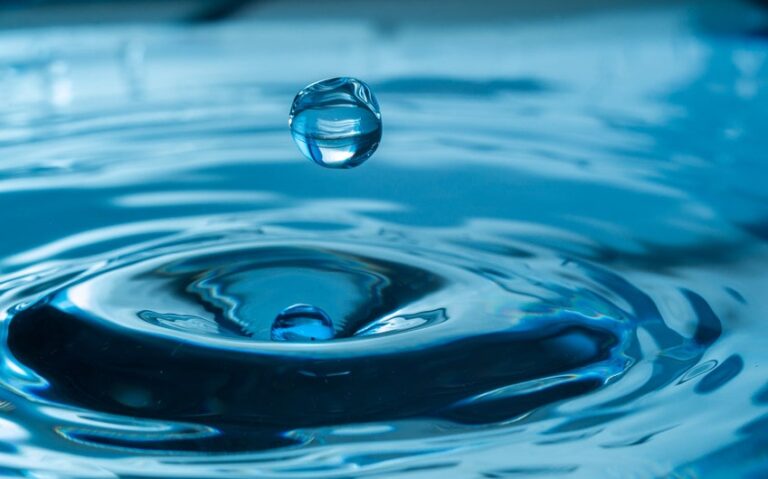
The Future of Water Descriptions in Literature
Emerging Trends
- New technologies inspire fresh water imagery.
- Virtual reality creates immersive water experiences.
- Climate change adds urgency to water themes.
Generational Perspectives
- Younger writers bring environmental awareness.
- They see water as precious resource.
- They create stories about water conservation.
Global Influences
- International literature shares water traditions.
- Writers learn from different cultural approaches.
- Global water challenges inspire collaborative stories.
Technological Integration
- Digital platforms enable interactive water stories.
- Multimedia presentations combine text with visuals.
- Augmented reality brings water descriptions to life.
FAQs
How would you describe water in creative writing?
Water can be described using sensory detail and figurative language—e.g., “a silver ribbon winding through the valley” or “a mirror shattered by falling rain.”
How do you say water in a fancy way?
You can use words like aqua, elixir, nectar, liquid crystal, or the essence of life depending on tone and context.
What is the symbolism of water in literature?
Water often symbolizes life, purification, transformation, depth, or the unconscious mind, varying by culture and literary tradition.
What are the poetic characteristics of water?
Poetically, water is often portrayed as fluid, reflective, mysterious, soothing, or violent, adapting to form while symbolizing emotion, time, and change.
How do you describe water as a metaphor?
Water can metaphorically represent emotions (“a flood of sorrow”), life’s journey (“a river winding through time”), or resilience (“soft yet shaping stone”).
How to describe underwater in writing?
Use vivid imagery: “The world muffled into silence, light danced like ghosts above,” or “beneath the surface, time slowed and shadows breathed.”
Conclusion
Mysterious ways to describe water in literature continue inspiring writers across all genres and cultures.
These techniques transform ordinary water into extraordinary storytelling tools that captivate readers worldwide.
Master authors understand that water descriptions must serve multiple purposes beyond simple scene-setting.
They create emotional connections, develop characters, build atmosphere, and drive plots forward with remarkable effectiveness.
The key lies in combining scientific accuracy with poetic beauty, cultural sensitivity with universal themes.
Writers who master water imagery discover endless possibilities for creating memorable, impactful stories.
Water remains one of literature’s most powerful symbols because it reflects our deepest human experiences.
From birth to death, from tears to celebration, water flows through every aspect of human life.
Great writers simply learn to capture these flows in words that inspire, move, and transform their readers.
The mysterious ways to describe water in literature will continue evolving as new generations of writers discover fresh perspectives.
Each writer brings unique experiences and cultural backgrounds to water descriptions.
This diversity ensures that water imagery in literature remains vibrant, relevant, and endlessly inspiring.
Whether describing a single raindrop or vast ocean, writers who understand these techniques create stories that flow naturally into readers’ hearts and minds.
The mystery of water in literature lies not in its complexity, but in its infinite simplicity and universal appeal.
