

Looking for headlock lyrics but can’t find the complete words anywhere? You’re not alone in this search. Thousands of music fans struggle to find accurate song lyrics every single day.
This guide will show you exactly where to find headlock lyrics, how to understand the song’s meaning, and why this track resonates with so many listeners worldwide.

What Are Headlock Lyrics and Why Do People Search for Them?
Headlock lyrics refer to song words that deal with themes of control, wrestling, or emotional constraint.
The term “headlock” in music often represents feeling trapped or controlled by someone or something.
Many artists use this wrestling metaphor to describe relationships, mental struggles, or life situations.
Key reasons people search for headlock lyrics:
- Understanding the song’s deeper meaning
- Singing along accurately during performances
- Analyzing the artist’s message and intentions
- Creating covers or remixes of the original track
- Academic research on music and lyrical themes
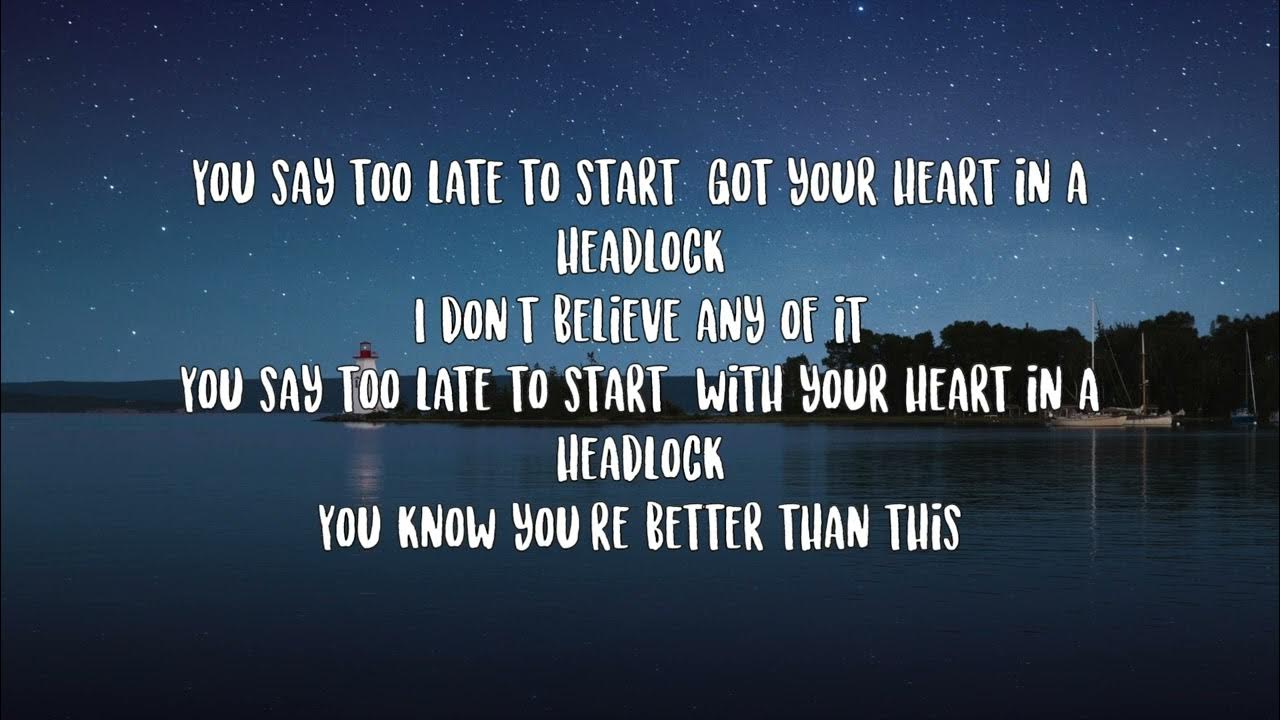
Headlock Lyrics
Popular Songs with Headlock Themes
Rock and Alternative Music
Several rock bands have created songs with headlock themes or titles.
These tracks often explore feelings of being controlled or trapped.
The wrestling metaphor works perfectly for describing intense emotional situations.
Hip-Hop and Rap References
Hip-hop artists frequently use wrestling terminology in their lyrics.
Headlock references appear in battle rap and competitive verses.
These metaphors show dominance and control over opponents or situations.
Pop and Mainstream Music
Pop songs sometimes use gentler headlock metaphors.
These tracks might describe relationships where one person feels controlled.
The imagery helps listeners connect with complex emotional experiences.
Where to Find Accurate Headlock Lyrics
Official Music Platforms
- Spotify often displays lyrics directly in the app.
- Apple Music provides synchronized lyrics for most tracks.
- YouTube Music shows lyrics alongside music videos.
These platforms work directly with artists and record labels.
Dedicated Lyrics Websites
- Genius.com offers detailed song breakdowns and annotations.
- AZLyrics provides clean, ad-free lyric displays.
- LyricFind powers lyrics for many major music services.
- MetroLyrics features user-submitted corrections and discussions.
Artist Official Sources
- Check the artist’s official website for verified lyrics.
- Social media accounts sometimes share lyric snippets.
- Album booklets contain the most accurate lyric versions.
- Press releases often include key lyric excerpts.
How to Verify Lyrics Accuracy
Cross-Reference Multiple Sources
- Never trust just one lyrics website.
- Compare lyrics across three or four different platforms.
- Look for consistent patterns in the most reliable sources.
- Official sources always take priority over fan submissions.
Listen Carefully to the Original Track
- Play the song multiple times at different volumes.
- Use high-quality headphones to catch subtle words.
- Slow down the playback speed if your music app allows it.
- Focus on one verse or section at a time.
Check Artist Interviews and Commentary
- Artists often explain their lyrics in interviews.
- Behind-the-scenes content reveals songwriting processes.
- Live performances sometimes include lyric explanations.
- Documentary footage provides additional context.
Understanding Song Structure and Breakdown
Verse Analysis
- First verses typically introduce the main theme or story.
- Second verses often develop or complicate the initial idea.
- Bridge sections provide contrast or resolution to the main narrative.
- Each verse builds emotional intensity throughout the song.
Chorus Examination
- Choruses contain the most memorable and repeated lyrics.
- These sections communicate the song’s central message.
- Hook lines in choruses stick in listeners’ minds.
- Repetition reinforces the emotional impact of key phrases.
Musical Elements That Support Lyrics
- Tempo changes emphasize important lyrical moments.
- Volume dynamics highlight emotional peaks and valleys.
- Instrumental breaks give listeners time to process heavy lyrics.
- Vocal delivery adds meaning beyond just the written words.
Common Themes in Headlock-Style Songs
Control and Power Dynamics
- Many headlock songs explore relationship power imbalances.
- These tracks examine who holds control in various situations.
- Wrestling metaphors make abstract concepts more relatable.
- Listeners connect with feelings of being overpowered or dominant.
Mental Health and Emotional Struggles
- Headlock imagery often represents internal battles.
- Depression and anxiety can feel like being trapped.
- Songs use wrestling terms to describe fighting personal demons.
- This metaphor helps people articulate difficult emotions.
Competitive Situations
- Sports and business competition inspire headlock lyrics.
- Artists describe career struggles using wrestling language.
- These songs motivate listeners facing their own competitions.
- The imagery creates powerful mental pictures of determination.
The Psychology Behind Lyric Searches
Emotional Connection
- People search for lyrics to feel closer to their favorite artists.
- Understanding exact words helps create deeper emotional bonds.
- Lyrics provide comfort during difficult personal times.
- Shared lyrical experiences build communities among fans.
Memory and Learning
- Humans naturally want to sing along with music they enjoy.
- Accurate lyrics help people memorize songs more effectively.
- Repetition through singing strengthens memory formation.
- Group singing activities require everyone to know the same words.
Cultural Understanding
- Lyrics often contain cultural references and slang terms.
- International listeners search for explanations of unfamiliar phrases.
- Historical context helps people understand older songs.
- Regional expressions need translation for global audiences.
How Artists Create Headlock-Style Lyrics
Metaphor Development
- Successful artists start with clear metaphorical frameworks.
- Wrestling imagery provides rich material for lyrical exploration.
- Physical actions translate easily into emotional descriptions.
- Concrete images help abstract feelings become more tangible.
Wordplay and Rhyme Schemes
- Internal rhymes create musical flow within verses.
- Alliteration adds rhythm and memorability to key phrases.
- Consonance and assonance provide subtle musical elements.
- Clever wordplay keeps listeners engaged and thinking.
Collaborative Writing Process
- Many hit songs result from multiple writers working together.
- Producers often contribute lyrical ideas during recording sessions.
- Artists bounce ideas off trusted friends and family members.
- Professional songwriters specialize in specific genres and themes.
Tools for Analyzing Song Lyrics
Digital Analysis Platforms
- Genius annotations provide crowdsourced lyric explanations.
- RapGenius offers detailed breakdowns of complex verses.
- SongMeanings features user discussions about song interpretations.
- LyricInterpretations allows fans to share personal connections.
Academic Research Tools
Universities use corpus linguistics to study lyrical patterns.
- Text analysis software identifies common themes across genres.
- Sentiment analysis tools measure emotional content in lyrics.
- Frequency analyzers track popular words and phrases.
Mobile Apps for Lyric Discovery
- Shazam identifies songs and displays lyrics simultaneously.
- SoundHound offers voice-activated lyric searches.
- Musixmatch provides synchronized lyrics for streaming services.
- Lyrics.com mobile app works offline for saved songs.
The Business of Lyrics and Music Rights
Copyright Considerations
- Song lyrics receive copyright protection as literary works.
- Publishers control licensing for lyric reproduction.
- Fair use allows limited quotation for educational purposes.
- Commercial use requires proper licensing agreements.
Revenue Streams from Lyrics
- Streaming platforms pay royalties for lyric display rights.
- Karaoke companies license lyrics for their song databases.
- Print publishers create lyric books and sheet music collections.
- Merchandise often features popular lyric excerpts.
Legal Challenges
- Unauthorized lyric websites face takedown notices regularly.
- Artists sometimes dispute incorrect lyrics on major platforms.
- International copyright laws create complex licensing situations.
- User-generated content requires careful moderation.
Tips for Better Song Comprehension
Active Listening Techniques
- Focus completely on the music without other distractions.
- Read along with lyrics while listening to new songs.
- Discuss interpretations with other music fans.
- Research the artist’s background and influences.
Context Research
- Learn about the time period when the song was written.
- Understand cultural events that influenced the artist.
- Study the album’s overall themes and concept.
- Read interviews where artists explain their intentions.
Multiple Interpretation Approach
- Accept that songs can have different meanings for different people.
- Personal experiences shape how individuals interpret lyrics.
- Artists sometimes leave meanings intentionally ambiguous.
- Community discussions reveal diverse perspectives.
Building a Personal Lyrics Collection
Organization Strategies
Create playlists grouped by lyrical themes or emotions.
Use note-taking apps to save favorite lyric excerpts.
Build spreadsheets tracking songs by mood or situation.
Develop personal rating systems for lyrical quality.
Sharing and Community Building
Start social media accounts focused on lyric analysis.
Join online forums dedicated to specific artists or genres.
Attend live music events to experience lyrics in person.
Create content that helps others discover meaningful songs.
Educational Applications
Use lyrics to improve language learning and vocabulary.
Analyze historical events through period-appropriate songs.
Study poetry techniques through contemporary lyrics.
Explore cultural differences through international music.
Future of Lyrics and Music Technology
Artificial Intelligence Integration
AI tools now generate song lyrics based on specific prompts.
Machine learning analyzes emotional content in existing lyrics.
Voice recognition improves real-time lyric transcription.
Personalization algorithms suggest songs based on lyrical preferences.
Interactive Experiences
Virtual reality concerts include synchronized lyric displays.
Augmented reality apps overlay lyrics onto live performances.
Interactive music videos respond to user engagement.
Gaming platforms incorporate lyrics into rhythm-based challenges.
Accessibility Improvements
Real-time transcription helps hearing-impaired music fans.
Translation services make international music more accessible.
Voice-activated searches assist visually impaired users.
Simplified language versions help younger audiences.
Conclusion
Finding accurate headlock lyrics requires using multiple reliable sources.
The best approach combines official platforms with community-driven sites.
Understanding song meanings goes beyond just memorizing words.
Context, artist intentions, and personal interpretation all matter.
Whether you’re searching for specific headlock-themed songs or trying to understand wrestling metaphors in music, this guide provides the tools you need.
Remember that lyrics connect us to artists, other fans, and our own emotions.
Take time to really listen and think about what the words mean to you.
Music becomes more powerful when we understand both the sound and the message behind it.
