

Why is the roof of my mouth sore? This is one of the most common oral health questions people search for every day.
A sore palate can make eating, drinking, and even talking feel painful and frustrating. The good news is that most causes are minor and heal on their own within a few days.
However, some causes need medical attention.
What Is the Roof of the Mouth?
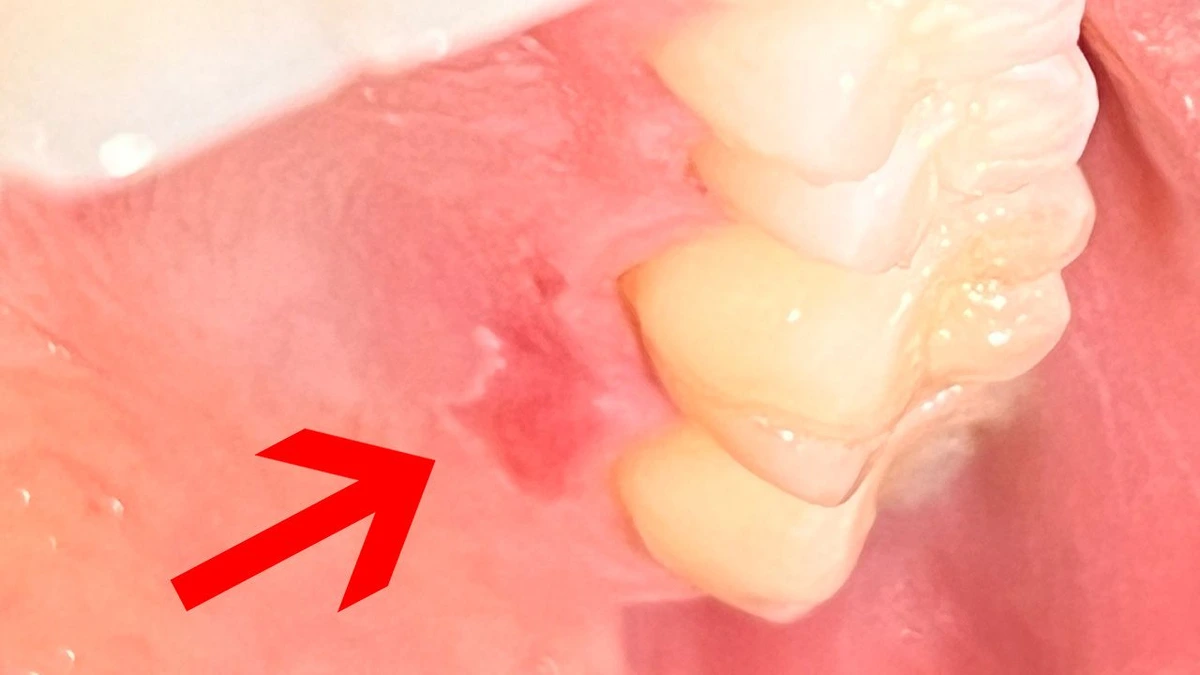
The roof of your mouth is called the palate. It separates your mouth from your nasal cavity above.
It has two parts. The front hard section is called the hard palate. The back soft section is called the soft palate.
Both areas are covered in thin, sensitive tissue. This makes them easy to burn, scratch, or infect.
12 Most Common Reasons the Roof of Your Mouth Is Sore
1. Burns from Hot Food or Drinks
This is the number one reason the roof of your mouth is sore. Hot pizza, soup, tea, or coffee can scorch the delicate tissue in seconds.
This is sometimes called “pizza palate.” The burn causes pain, tenderness, and sometimes a visible blister.
Most heat burns heal on their own within 3 to 7 days without any treatment.
2. Canker Sores (Aphthous Ulcers)
Canker sores are small, round, white or yellow sores with a red border. They are not contagious and are not caused by a virus.
About 20% of people get canker sores regularly. They are triggered by stress, hormonal changes, vitamin deficiencies, or minor injuries.
They usually heal within 10 to 14 days without treatment, though they can be painful during that time.
3. Physical Trauma or Injury
Scratching the palate with a sharp food like chips, crackers, or a hard candy can cause instant soreness.
Vigorous toothbrushing or dental procedures can also injure the soft tissue. Cuts and scrapes on the palate typically heal within a week.
4. Oral Thrush (Fungal Infection)
Oral thrush is a yeast infection caused by a fungus called Candida albicans. It appears as creamy white or yellow patches on the tongue, palate, and throat.
It is most common in babies, the elderly, people on antibiotics, and those with weakened immune systems.
Oral thrush requires antifungal medication prescribed by a dentist or doctor.
5. Cold Sores (Herpes Simplex Virus)
Cold sores are caused by the herpes simplex virus (HSV-1). They can appear on the hard palate as fluid-filled blisters.
They often begin with a tingling or burning sensation before the blister appears. Antiviral medications like acyclovir can reduce severity and healing time.
6. Allergic Reactions
Food allergies, reactions to toothpaste, mouthwash, or dental materials can cause inflammation and soreness on the palate.
Common triggers include certain foods, latex, metal dental fillings, and SLS (sodium lauryl sulfate) in some toothpastes.
Identifying and avoiding the allergen is the key step in treatment.
7. Dehydration and Dry Mouth (Xerostomia)
When you are dehydrated, saliva production drops. This leaves oral tissues dry, irritated, and vulnerable to soreness.
Certain medications, salivary gland problems, and not drinking enough water can all cause dry mouth.
Drinking more water and staying hydrated is the fastest solution.
8. Vitamin and Nutritional Deficiencies
Low levels of iron, vitamin B12, or folic acid can affect oral tissue health and cause soreness, inflammation, or canker sores.
A blood test can confirm a deficiency. Supplements or dietary changes are usually all that is needed.
9. Ill-Fitting Dental Appliances
Braces, retainers, dentures, or night guards that do not fit properly can rub against the palate and cause chronic irritation.
This type of soreness is usually persistent rather than sudden. A dentist can adjust the appliance to stop the problem.
10. Smoking and Tobacco Use
Smoking irritates oral tissues, reduces blood flow to the palate, and weakens the immune response.
Chronic smokers are at higher risk for palate soreness, leukoplakia (white patches), and oral cancer. Quitting smoking improves oral health significantly within weeks.
11. Mucoceles (Saliva Cysts)
A mucocele is a smooth, fluid-filled cyst that can develop on the roof of the mouth after a salivary gland blockage or minor injury.
They are usually painless and often resolve on their own. A dentist can remove a persistent mucocele safely.
12. Oral Cancer (Rare but Serious)
In rare cases, a persistent sore or ulcer on the palate that does not heal can be a sign of oral cancer.
Oral cancer sores usually last more than two weeks and may be accompanied by a lump, color change, or difficulty swallowing.
This always requires immediate professional evaluation.
Symptoms to Watch: A Quick Reference Table
| Symptom | Most Likely Cause | Action Needed |
|---|---|---|
| Sudden soreness after eating pizza or hot soup | Thermal burn | Home remedies, wait 3–7 days |
| Small white sore with red border | Canker sore | OTC gel, heals in 10–14 days |
| Creamy white patches that wipe off | Oral thrush | See dentist for antifungals |
| Fluid-filled blisters, tingling first | Cold sore (HSV-1) | Antiviral medication |
| Soreness with swelling after eating certain foods | Allergic reaction | Avoid trigger, see doctor if severe |
| Smooth bubble or cyst, usually painless | Mucocele | Monitor, dentist if persistent |
| Sore lasting more than 2 weeks | Possible serious condition | See dentist immediately |
| Dry, rough feeling all over palate | Dehydration or dry mouth | Drink more water |
How to Treat a Sore Roof of Mouth Fast: 8 Proven Methods
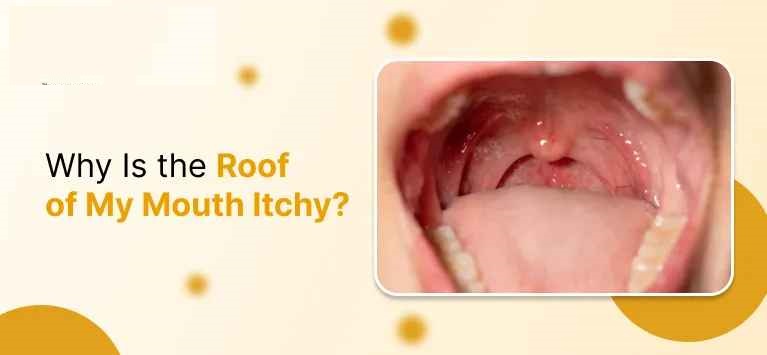
Method 1: Saltwater Rinse
Mix half a teaspoon of salt in a cup of warm water. Swish gently for 30 seconds and spit.
This is one of the most effective home remedies for palate soreness. It reduces inflammation and kills bacteria.
Do this 2 to 3 times per day for best results.
Method 2: Cold Water or Ice Chips
Cool water or ice chips give immediate relief from burns and inflammation. Sipping cold water or holding small ice chips in your mouth numbs the area fast.
Avoid directly applying large ice cubes as they can stick to sensitive tissue.
Method 3: Avoid Irritating Foods
Stay away from spicy, acidic, salty, crunchy, and very hot foods until the palate heals.
Choose soft, bland options like yogurt, mashed potatoes, smoothies, applesauce, and cool soups.
This gives your palate time to recover without repeated injury.
Method 4: OTC Topical Gels (Benzocaine)
Products like Orajel or Anbesol contain benzocaine, a numbing agent. Apply directly to the sore area for temporary pain relief.
These are especially helpful before meals when the palate is most irritated. Follow the package instructions carefully.
Method 5: Aloe Vera Gel
Pure, food-grade aloe vera gel has anti-inflammatory and healing properties. Apply a small amount directly to the sore area.
It creates a protective coating over the tissue and reduces irritation. Only use food-safe aloe vera, not cosmetic versions.
Method 6: Over-the-Counter Pain Relievers
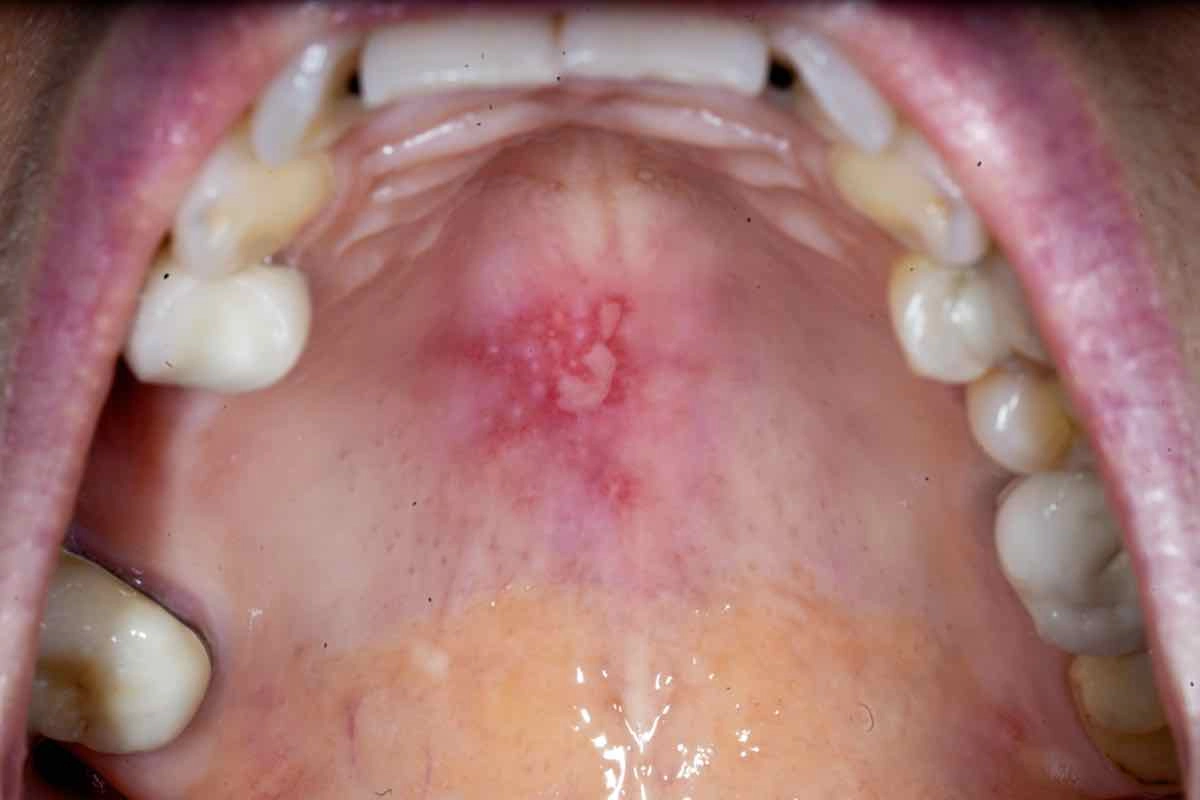
Ibuprofen (Advil, Motrin) reduces both pain and inflammation. Acetaminophen (Tylenol) reduces pain.
Take as directed on the label. These are especially helpful for severe burns or canker sores.
Method 7: Stay Hydrated
Drinking plenty of water keeps the palate moist and supports faster healing. Low hydration worsens dryness, soreness, and inflammation.
Aim for at least 8 glasses of water daily. Avoid alcohol and caffeine which increase dehydration.
Method 8: Hydrogen Peroxide Rinse
Mix equal parts 3% hydrogen peroxide and water. Use a cotton swab to dab the mixture onto the sore, then rinse.
This helps kill bacteria and reduce infection risk. Do not swallow the mixture and limit use to once or twice a day.
Home Remedies vs. Medical Treatments: At a Glance
| Treatment Type | Best For | How Fast It Works |
|---|---|---|
| Saltwater rinse | Burns, canker sores, minor cuts | 1–2 days improvement |
| Ice or cold water | Thermal burns | Immediate relief |
| Benzocaine gel | Any type of sore pain | Within minutes |
| Aloe vera gel | Mild irritation, burns | Within 1–2 days |
| Ibuprofen / Acetaminophen | Moderate to severe pain | 30–60 minutes |
| Antifungal medication | Oral thrush | 3–7 days |
| Antiviral medication | Cold sores (HSV-1) | Reduces by 1–2 days |
| Allergen avoidance | Allergic reactions | 24–48 hours |
| Dental appliance adjustment | Appliance-related soreness | After adjustment |
When to See a Dentist or Doctor
Most palate soreness resolves on its own within a week. However, you should seek professional care if:
The sore lasts more than two weeks without improvement. The pain is severe and worsening despite home treatment. You notice a lump, thickening, or unusual color change. You have difficulty swallowing or breathing. You have white patches that cannot be wiped off. You have a fever along with mouth soreness. The sore is bleeding or growing in size. You suspect oral thrush, cold sores, or a serious infection.
Prompt professional evaluation prevents complications and ensures the correct diagnosis.
Foods to Eat and Foods to Avoid When Your Palate Is Sore
Foods That Help Healing
Yogurt, mashed potatoes, smoothies, applesauce, scrambled eggs, oatmeal, cool soups, bananas, avocado, and soft cooked pasta are all excellent choices.
These foods are soft, cool, and non-irritating. They provide nutrition while giving the palate time to recover.
Foods That Make It Worse
Spicy foods, chips, crackers, citrus fruits, tomato-based foods, very hot drinks, alcohol, vinegar-based foods, and carbonated beverages should all be avoided.
These foods increase irritation, delay healing, and cause additional pain.
Prevention: How to Stop Palate Soreness Before It Starts
Let hot food cool for 2 to 3 minutes before eating. Drink enough water daily to maintain saliva production. Use a soft-bristled toothbrush and brush gently.
Choose toothpaste without SLS if you are prone to canker sores. Eat a balanced diet rich in iron, B12, and folic acid. Avoid smoking and limit alcohol consumption. See your dentist every 6 months for regular screenings. Wear properly fitted dental appliances and have them adjusted if they cause discomfort.
Roof of Mouth Sore: Healing Timeline
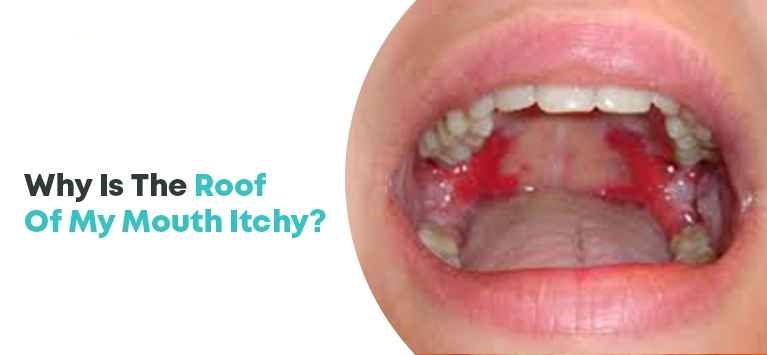
| Cause | Expected Healing Time |
|---|---|
| Minor burn (thermal) | 3–7 days |
| Canker sore | 10–14 days |
| Cold sore (HSV-1) | 7–10 days |
| Minor cut or scratch | 3–5 days |
| Oral thrush (with treatment) | 3–7 days |
| Allergic reaction | 24–72 hours after removal of trigger |
| Mucocele (without treatment) | Weeks to months |
| Appliance irritation | After appliance is adjusted |
Frequently Asked Questions (FAQs)
Q1: Why is the roof of my mouth sore for no reason?
Most of the time, there is a reason you may not have noticed — a minor burn from food, an early canker sore, or mild dehydration. If it lasts more than two weeks, see a dentist to rule out infection or other causes.
Q2: Can eating pizza cause a sore palate?
Yes. Hot pizza cheese is one of the most common causes of palate burns. The cheese holds heat longer than the crust and can burn the soft tissue instantly when eaten too fast.
Q3: How long does a sore roof of mouth last?
Most minor causes like burns, canker sores, or small cuts heal within 3 to 14 days. Infections or underlying conditions may take longer and require treatment.
Q4: Is a sore roof of mouth a sign of oral cancer?
Rarely. Most palate soreness is caused by minor, benign issues. However, any sore that lasts more than two weeks, changes in appearance, or is accompanied by a lump should be evaluated by a dentist immediately.
Q5: What is the fastest way to heal a burned roof of mouth?
Rinse with cool water immediately, avoid hot and spicy foods, apply a benzocaine gel for pain relief, and eat soft, cool foods. Most burns heal within 3 to 7 days.
Q6: Can stress cause a sore roof of mouth?
Yes. Stress is a known trigger for canker sores, which can appear on the palate. Stress also weakens the immune system, making the mouth more vulnerable to infections and slow healing.
Q7: Can dehydration make the roof of my mouth hurt?
Yes. Low hydration reduces saliva flow, leaving oral tissues dry, cracked, and irritated. Drinking more water can resolve mild dehydration-related palate soreness quickly.
Q8: Should I pop a blister on the roof of my mouth?
No. Popping blisters on the palate increases the risk of infection and slows healing. Allow blisters to heal naturally or consult a dentist if they are large or painful.
Q9: Can allergies cause a sore roof of mouth?
Yes. Food allergies, reactions to certain toothpastes containing SLS, mouthwash ingredients, or dental materials can all cause inflammation and soreness in the palate.
Q10: When should I go to the emergency room for a sore palate?
Go to the emergency room if you have a severe burn that causes tissue swelling affecting breathing, extreme difficulty swallowing, or signs of a serious infection like a high fever and visible pus.
Conclusion
A sore roof of the mouth is uncomfortable but usually not dangerous. The most common causes are thermal burns from hot food, canker sores, physical injuries, oral thrush, cold sores, allergies, and dehydration.
Most cases heal within one to two weeks with simple home remedies like saltwater rinses, cold compresses, topical gels, and soft foods. Prevention is straightforward: let hot food cool, stay hydrated, eat a balanced diet, and visit your dentist regularly.
If your palate soreness lasts longer than two weeks, worsens instead of improving, or comes with unusual symptoms like lumps, bleeding, or swallowing difficulty, do not delay professional care.
A dentist can quickly identify the underlying cause and provide the right treatment.
Most people recover fully and never have serious complications when they act quickly and take care of their oral health consistently.
