

Why is my lip swollen on one side — this is one of the most common questions people ask when they wake up with a puffed-out lip or notice sudden swelling during the day.
One-sided lip swelling can feel alarming, but most causes are treatable and many go away on their own within 24 to 48 hours.
What Causes a Lip to Swell on One Side?
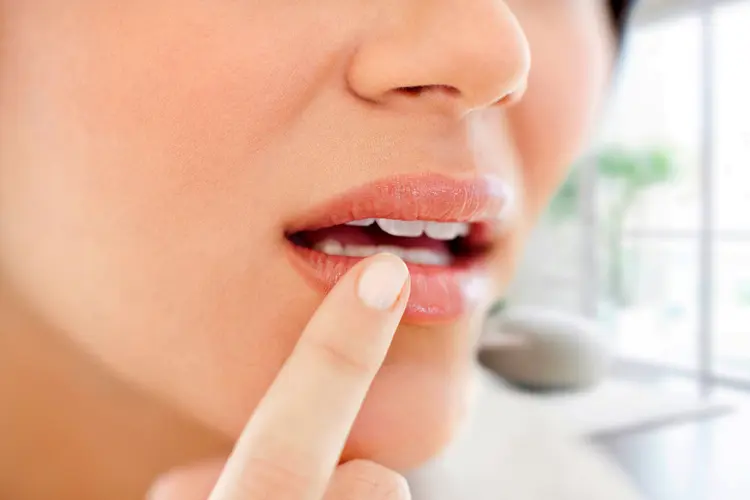
When your lip swells on just one side, it almost always points to a localized issue — something affecting that specific spot rather than your whole body.
General immune reactions like widespread allergies tend to swell both lips at once. One-sided swelling usually means the trigger is confined to one area: a bite, an infection, a cyst, or a cold sore.
Understanding what caused the swelling helps you pick the right treatment and know when to stay home and when to go to a clinic.
Top 12 Causes of Lip Swollen on One Side
1. Allergic Reaction
An allergic reaction is one of the most common reasons for a swollen lip on one side.
When your body detects an allergen — food, medication, latex, or insect venom — it releases histamine. Histamine causes blood vessels in the lips to expand, leading to swelling, redness, and itching.
Common food triggers include peanuts, shellfish, dairy, tree nuts, and eggs. Environmental triggers include pollen, pet dander, and dust mites.
Signs it is an allergic reaction:
- Swelling appears quickly, within minutes to 2 hours of exposure
- Itching, burning, or tingling on the lip
- Possible hives, rash, or watery eyes
- May affect one side if only one spot of the lip touched the allergen
Severity range: Mild reactions resolve with antihistamines. Severe reactions can progress to anaphylaxis — a medical emergency.
2. Insect Bite or Sting
A bug bite or bee sting directly on one side of the lip causes immediate, localized swelling.
The venom or saliva from the insect triggers an inflammatory response at the exact spot of the bite. This is why only one side swells.
Bee stings are especially common causes. The area may also show a small puncture mark, redness, and warmth at the bite site.
3. Injury or Trauma
A blow to the lip, biting your lip accidentally, a sports injury, or bumping your mouth into an object can all cause one-sided swelling.
Because your lips have a very rich blood supply, even a minor hit causes blood to rush to the area quickly. The thin skin on the lip makes swelling visible almost immediately.
Sleeping against a hard surface or in an unusual position can also put pressure on one side of the lip and cause temporary puffiness by morning.
4. Cold Sore (Herpes Simplex Virus)
Cold sores caused by the herpes simplex virus (HSV-1) typically appear on one side of the lip.
The infection starts with tingling and itching, then a blister forms, oozes fluid, and crusts over. The surrounding tissue becomes swollen and tender on that one side.
Cold sores can be triggered by stress, illness, sun exposure, or hormonal changes. They usually heal on their own within 1 to 2 weeks.
5. Dental Abscess or Tooth Infection
A bacterial infection in the tooth or gum near one side of the lip can cause swelling that spreads to the lip.
An abscess is a pocket of pus that builds up from a bacterial infection. As it grows, the surrounding tissue — including the lip — becomes inflamed and puffy.
You may also experience throbbing tooth pain, sensitivity to hot or cold, and a bad taste in your mouth alongside the swelling.
6. Cellulitis (Bacterial Skin Infection)
Cellulitis is a bacterial infection of the deeper layers of skin. It can develop on the lip when bacteria enter through a cut, crack, or wound.
The affected side of the lip becomes red, warm, swollen, and painful. Unlike a surface-level infection, cellulitis can spread and requires antibiotic treatment.
If you notice red streaks spreading outward from the swelling, seek medical care immediately.
7. Angioedema
Angioedema is deep swelling beneath the skin’s surface that commonly affects the lips and face.
It can be triggered by an allergic reaction, medication (especially ACE inhibitors used for blood pressure), or it can occur with no clear cause at all. Swelling from angioedema develops quickly and can last a few hours to a couple of days.
Most non-allergic angioedema affects both lips, but allergic angioedema can be one-sided if the exposure was localized.
8. Mucocele (Lip Cyst)
A mucocele is a small, fluid-filled cyst that forms on the lip — often as a result of accidentally biting the lip or an injury to the salivary gland.
It looks like a small, smooth, painless bump under the skin of one side of the lip. The lip tissue around it may appear slightly swollen or raised.
Mucoceles often resolve on their own but can recur. A dentist or doctor can drain them if needed.
9. Cheilitis (Lip Inflammation)
Cheilitis is a general term for inflammation of the lips. It can be caused by sun damage, dry weather, fungal or bacterial infections, or contact with irritants like lip balm ingredients or lipstick dyes.
Angular cheilitis causes sore, cracked patches at the corners of the mouth. Other forms can cause redness, swelling, and peeling on one side of the lip.
10. Hand, Foot, and Mouth Disease (HFMD)
Hand, foot, and mouth disease is caused by the coxsackie A16 virus. It is most common in young children but can affect adults too.
The infection causes small ulcers and sores inside the mouth and on the lips. These sores can lead to localized swelling on the side of the lip where a sore has formed.
There is no specific treatment for HFMD. Symptoms usually resolve on their own within 7 to 10 days.
11. Granulomatous Cheilitis
Granulomatous cheilitis is a rare inflammatory condition that causes the lip to swell with firm, lumpy swelling under the skin.
It often first affects the upper lip and the swelling may come and go but tends to become more persistent over time. It can be linked to Crohn’s disease, sarcoidosis, or allergic reactions.
Treatment options include topical corticosteroids, anti-inflammatory medications, and in some cases surgery.
12. Bell’s Palsy or Stroke (Rare but Serious)
If one side of your mouth is drooping, you have difficulty speaking, excessive drooling, or trouble closing your eye — do not assume it is a simple swollen lip.
These signs can indicate Bell’s palsy (temporary facial nerve inflammation) or a stroke.
A stroke is a medical emergency. Call 911 immediately if you notice facial drooping, arm weakness, and speech difficulty together.
Causes of Lip Swollen on One Side: Quick Reference Table
| Cause | Key Signs | Pain Level | Treatment |
|---|---|---|---|
| Allergic Reaction | Itching, hives, rapid onset | Mild to moderate | Antihistamines, epinephrine (severe) |
| Insect Bite/Sting | Puncture mark, redness, warmth | Mild to moderate | Cold compress, antihistamines |
| Injury/Trauma | Recent impact, bruising | Moderate | Cold compress, NSAIDs |
| Cold Sore (HSV-1) | Blister, tingling, crust | Mild to moderate | Antiviral cream, time |
| Dental Abscess | Tooth pain, bad taste, fever | Moderate to severe | Antibiotics, dental drainage |
| Cellulitis | Red streaks, warmth, spreading | Moderate to severe | Prescription antibiotics |
| Angioedema | Rapid deep swelling, no rash | Mild to moderate | Antihistamines, steroids, epinephrine |
| Mucocele (Cyst) | Smooth bump, no pain | None to mild | Self-resolves or drainage |
| Cheilitis | Dry, cracked, peeling lip | Mild | Topical creams, avoid irritants |
| HFMD | Sores in mouth, fever | Mild | Pain relief, fluids, rest |
| Granulomatous Cheilitis | Firm lumps, recurring | Mild to moderate | Corticosteroids, specialist care |
| Bell’s Palsy/Stroke | Drooping face, speech issues | Varies | Emergency care immediately |
How to Tell What Is Causing Your Swollen Lip
Look at these three things to narrow down the cause.
Location: Is the swelling right on the surface (likely a cold sore or bite) or deep under the skin (more likely angioedema or a cyst)?
Speed: Did it appear within minutes (allergic reaction) or gradually over hours or days (infection, cyst)?
Accompanying symptoms: Fever and pain point toward infection. Itching and hives point toward allergy. A blister or crust points toward herpes simplex. Drooping points toward a neurological issue.
Home Remedies for a Swollen Lip on One Side
Most mild cases of one-sided lip swelling respond well to home treatment. Here are the most effective options.
Cold Compress
Apply a cold compress to the swollen area for 10 to 15 minutes at a time.
Wrap a few ice cubes in a clean cloth — never place ice directly on the skin as this can cause frostbite. The cold helps constrict blood vessels, reduces inflammation, and numbs pain.
Repeat every 1 to 2 hours for the first 24 hours after an injury or insect bite.
Over-the-Counter Antihistamines
If the swelling is caused by an allergic reaction, oral antihistamines like cetirizine (Zyrtec) or loratadine (Claritin) can reduce the histamine response.
They work best when taken at the first sign of swelling. For mild reactions, they typically bring noticeable improvement within 1 to 2 hours.
OTC Anti-Inflammatory Pain Relievers
Ibuprofen (Advil) or naproxen (Aleve) can help reduce both swelling and pain, especially from injuries or dental-related swelling.
Take them with food and follow the recommended dose on the label. Do not use them as a long-term solution without seeing a doctor.
Aloe Vera Gel
Pure aloe vera gel has natural anti-inflammatory and soothing properties. Apply it directly to the swollen area.
It works especially well when the swelling is caused by sunburn, dryness, or mild irritation. Reapply 2 to 3 times a day.
Warm Compress (For Infection-Related Swelling)
If you suspect a cyst, mucocele, or a minor localized infection, a warm compress may help bring it to a head and promote drainage.
Soak a clean washcloth in warm water, wring it out, and hold it against the swollen area for 10 minutes. Repeat several times a day.
Do not use a warm compress for allergic reactions — cold is better in that case.
Honey
Raw honey has natural antibacterial and anti-inflammatory properties. Apply a small amount to the swollen area with a clean cotton ball.
Leave it on for 15 to 20 minutes then rinse with cool water. Use 2 to 3 times a day for mild infections or irritation.
Salt Water Rinse
A warm salt water rinse helps reduce inflammation inside the mouth and around the lips.
Mix half a teaspoon of salt into a glass of warm water. Swish gently around your mouth for 30 to 60 seconds, then spit. Repeat 2 to 3 times a day.
Cucumber Slices
Cut a fresh cucumber into thick slices and hold one against the swollen lip for 10 minutes.
Cucumber has cooling, anti-inflammatory properties that can relieve puffiness and soothe irritated tissue. This is a good option for minor irritation and heat-related swelling.
Elevation While Sleeping
Keep your head elevated on an extra pillow when sleeping. This prevents fluid from pooling in the lip tissue overnight and can reduce morning puffiness.
Home Remedies Summary Table
| Remedy | Best For | How Often |
|---|---|---|
| Cold compress | Injuries, bites, allergies | Every 1–2 hours, first 24 hrs |
| Antihistamines (OTC) | Allergic reactions | As directed on label |
| Ibuprofen/NSAIDs | Pain and swelling from injury | Every 6–8 hours with food |
| Aloe vera gel | Sunburn, dryness, irritation | 2–3 times daily |
| Warm compress | Cysts, mild localized infection | Several times daily |
| Honey | Bacterial irritation, minor infection | 2–3 times daily |
| Salt water rinse | Mouth infections, dental issues | 2–3 times daily |
| Cucumber slices | Mild puffiness, heat swelling | 10 minutes, 2–3 times daily |
| Head elevation | Morning puffiness | While sleeping |
Medical Treatments for a Swollen Lip on One Side
When home remedies are not enough, a doctor can prescribe targeted treatments based on the underlying cause.
Antibiotics: Prescribed for cellulitis, dental abscesses, and bacterial infections. A full course must be completed even if symptoms improve early.
Antiviral medications: Topical antiviral gels or oral antiviral pills (like acyclovir) are used to treat cold sores caused by the herpes simplex virus. They reduce healing time and severity.
Corticosteroids: Oral or topical steroids reduce inflammation in cases of angioedema, granulomatous cheilitis, and severe allergic reactions.
Epinephrine (EpiPen): Used in emergency anaphylaxis situations. It rapidly reverses severe allergic swelling and must be administered immediately.
Dental drainage: A dentist will drain a tooth abscess and may perform a root canal or extraction to eliminate the source of infection.
Surgical removal: Persistent mucoceles that do not resolve on their own may be removed by a dentist or oral surgeon under local anesthesia.
Allergy testing: If your lip swells repeatedly without a clear cause, an allergist can perform skin prick tests or blood tests to identify your specific triggers.
When to See a Doctor for a Swollen Lip
Most mild swelling resolves at home within 24 to 48 hours. See a doctor if any of the following apply.
Go to the emergency room immediately if:
- You have difficulty breathing or swallowing
- Swelling is spreading rapidly to your tongue, throat, or face
- You feel chest tightness or your blood pressure drops suddenly
- One side of your face is drooping and you cannot speak clearly (possible stroke)
- You have been stung by an insect and the swelling is worsening fast
See a doctor within 24 hours if:
- Swelling does not improve after 24 hours of home treatment
- The swollen area shows signs of infection: pus, red streaks, increasing warmth, or fever
- The swelling is accompanied by severe or worsening tooth pain
- A new blister, cyst, or unexplained lump has appeared on one side of the lip
- The swelling is recurring and has no clear cause
You can treat at home if:
- The cause is a minor known injury or insect bite
- The swelling is mild and improving over time
- There are no other symptoms alongside the swelling
- The swelling is from a known mild allergy and you have antihistamines available
Upper Lip vs Lower Lip Swollen on One Side
The location of your swelling gives useful clues about the cause.
Upper lip swollen on one side is more commonly associated with granulomatous cheilitis, Melkersson-Rosenthal syndrome, and cold sores that form near the edge of the upper lip. Dental issues with upper front teeth can also swell upward into the upper lip.
Lower lip swollen on one side is more often linked to mucoceles (lip cysts from salivary gland damage), dental abscesses in lower teeth, and insect bites. Mucoceles form most frequently on the inner side of the lower lip.
Both upper and lower swelling on one side can come from allergic reactions, injuries, or herpes simplex infections.
Swollen Lip on One Side With No Pain
Painless swelling on one side of the lip narrows the possibilities significantly.
A mucocele is the most likely cause — it is a soft, fluid-filled cyst that causes a visible bump but is usually painless.
Angioedema can also produce painless swelling that appears suddenly and resolves on its own.
If the painless swelling persists for more than a week or feels hard rather than soft, see a doctor. In rare cases, painless, persistent swelling on the lip can indicate lip cancer, especially if you are a long-term smoker or have prolonged sun exposure.
Woke Up With a Swollen Lip on One Side
Waking up with a swollen lip on one side surprises many people. Here are the most common reasons it happens while you sleep.
You may have bitten your lip unconsciously while sleeping without realizing it. Minor trauma from teeth contact during sleep causes blood to rush to that spot overnight.
Sleeping in an unusual position — pressing one side of your face or lip against a hard surface or pillow — can cause temporary compression swelling.
An allergic reaction to something you ate the night before, a new lip product, or laundry detergent on your pillowcase can trigger swelling that is most noticeable when you wake up.
A cold sore may start forming overnight — the first sign is often swelling with tingling before the blister appears.
Check for a blister, bite mark, or bump. If there are no other symptoms and the swelling starts reducing within a few hours, it is likely minor. If it persists or worsens, use the guidelines above to decide whether to see a doctor.
Foods and Substances That Commonly Trigger Lip Swelling
| Category | Common Triggers |
|---|---|
| Foods | Peanuts, shellfish, tree nuts, eggs, milk, wheat, strawberries, soy |
| Spices | Hot peppers (capsaicin), cinnamon, mustard |
| Medications | Penicillin, ACE inhibitors, NSAIDs, sulfa drugs |
| Topical products | Lip balm dyes, lipstick, toothpaste with cinnamon or mint |
| Environmental | Pollen, dust mites, pet dander, mold |
| Insects | Bee stings, wasp stings, ant bites, mosquito bites |
| Dental materials | Nickel in braces, dental latex gloves |
Can Stress Cause Your Lip to Swell on One Side?
Stress does not directly cause one-sided lip swelling, but it plays a role in certain conditions.
Stress is a well-known trigger for cold sore outbreaks. If you carry the herpes simplex virus (most adults do), high stress can reactivate it, leading to a cold sore on one side of the lip.
Stress also weakens the immune system, making you more susceptible to infections that can swell the lip. If you notice cold sore-like swelling during or after stressful periods, this is likely the connection.
How Long Does a Swollen Lip Last?
Healing time depends entirely on the cause.
Most swelling from a minor injury, insect bite, or mild allergic reaction resolves within 24 to 72 hours with proper home treatment.
Cold sores take 1 to 2 weeks to fully heal from the blister stage to crusting and clearing.
Dental abscesses and bacterial infections require antibiotics and may take 5 to 10 days to fully improve once treatment begins.
Mucoceles may persist for weeks to months if they do not drain on their own.
Granulomatous cheilitis is a chronic condition — it tends to recur and worsen over time without specialist management.
As a general rule: if your swollen lip is not improving within 48 hours of home treatment, it is time to see a doctor.
Prevention Tips for Lip Swelling
You cannot prevent every cause, but these steps reduce your risk significantly.
Know your food allergies and always check ingredient labels before eating new foods or trying new restaurants.
Register your known severe allergies with your doctor and carry an epinephrine auto-injector (EpiPen) if you have been prescribed one.
Protect your lips from sunburn with an SPF lip balm. Sun damage increases the risk of cheilitis and cold sore reactivation.
Keep your mouth and teeth clean. Regular brushing, flossing, and dental checkups prevent the bacterial buildup that leads to abscesses.
Wear a mouthguard during contact sports to protect your lips and teeth from trauma.
If you have metal braces, use orthodontic wax to cover any sharp points that are rubbing against the inside of your lip.
Register any cosmetic products that cause a reaction and avoid reusing them.
Frequently Asked Questions (FAQs)
Why is my lip swollen on one side for no reason?
Painless or unexplained one-sided swelling is most often a mucocele (small cyst), a mild insect bite you did not notice, or a localized allergic reaction to food or a topical product. If it persists beyond 48 hours, see a doctor.
Can a cold sore cause a swollen lip on one side?
Yes. Cold sores caused by the herpes simplex virus typically appear on one side of the lip and cause swelling, tingling, and blistering at that specific spot. Antiviral creams speed up healing.
How do I reduce swelling in my lip on one side fast?
Apply a cold compress wrapped in a cloth for 10 to 15 minutes, take an over-the-counter antihistamine if an allergy is suspected, and take ibuprofen for pain and inflammation. Most mild swelling starts reducing within a few hours.
Is a swollen lip on one side a sign of an allergic reaction?
It can be, especially if swelling came on within minutes of eating, taking medication, or being stung by an insect. Itching, hives, or burning alongside the swelling strongly suggests an allergic cause.
When should I go to the ER for a swollen lip?
Go immediately if you have trouble breathing, your throat is swelling, you feel faint or dizzy, or one side of your face is drooping. These can be signs of anaphylaxis or a stroke — both are emergencies.
Can a dental problem cause a lip to swell on one side?
Yes. A tooth abscess or gum infection near one side of the lip causes the surrounding tissue, including the lip, to become inflamed and swollen. Throbbing tooth pain and fever often come with it.
Is it normal to wake up with one side of my lip swollen?
It is fairly common. It may be from accidentally biting your lip while asleep, sleeping on your face, a developing cold sore, or a mild overnight allergic reaction. If it reduces within a few hours and there are no other symptoms, it is usually not serious.
Can stress make your lip swell on one side?
Stress does not directly cause lip swelling, but it can trigger a cold sore outbreak in people who carry the herpes simplex virus, which causes swelling on one side of the lip at the outbreak site.
How long does a swollen lip on one side last?
Minor swelling from injury or a mild reaction resolves in 24 to 72 hours. Cold sores take 1 to 2 weeks. Infections need antibiotic treatment for 5 to 10 days. See a doctor if swelling has not improved after 48 hours.
Can lip balm or lipstick cause a swollen lip on one side?
Yes. Certain ingredients in lip products — dyes, fragrances, cinnamon, mint, or preservatives — can trigger a contact allergic reaction. If swelling started after using a new lip product, stop using it and apply a cold compress.
Conclusion
Understanding why your lip is swollen on one side is the first step toward treating it correctly. In most cases, the cause is something manageable — an insect bite, a cold sore, a mild allergic reaction, or a minor injury — and home remedies like a cold compress and antihistamines will bring the swelling down within 24 to 48 hours.
More serious causes like dental abscesses, cellulitis, and angioedema require medical treatment, and in rare cases, emergency care is needed right away.
The key is to observe the swelling carefully: how fast it came on, whether there is pain or fever, and whether it is improving or getting worse.
If you are ever unsure, it is always better to get it checked than to wait. Most cases of a lip swollen on one side are not dangerous — but acting fast and choosing the right treatment makes recovery quicker and prevents complications.
