

Why does the roof of my mouth hurt when I eat is a question millions of people search every year, and the answer is not always simple.
The roof of your mouth, also called the palate, is made of delicate tissue that reacts to heat, pressure, infection, and injury.
Pain in this area can range from a mild sting after eating hot pizza to a persistent burning that affects your ability to eat and speak.
Understanding the Roof of Your Mouth
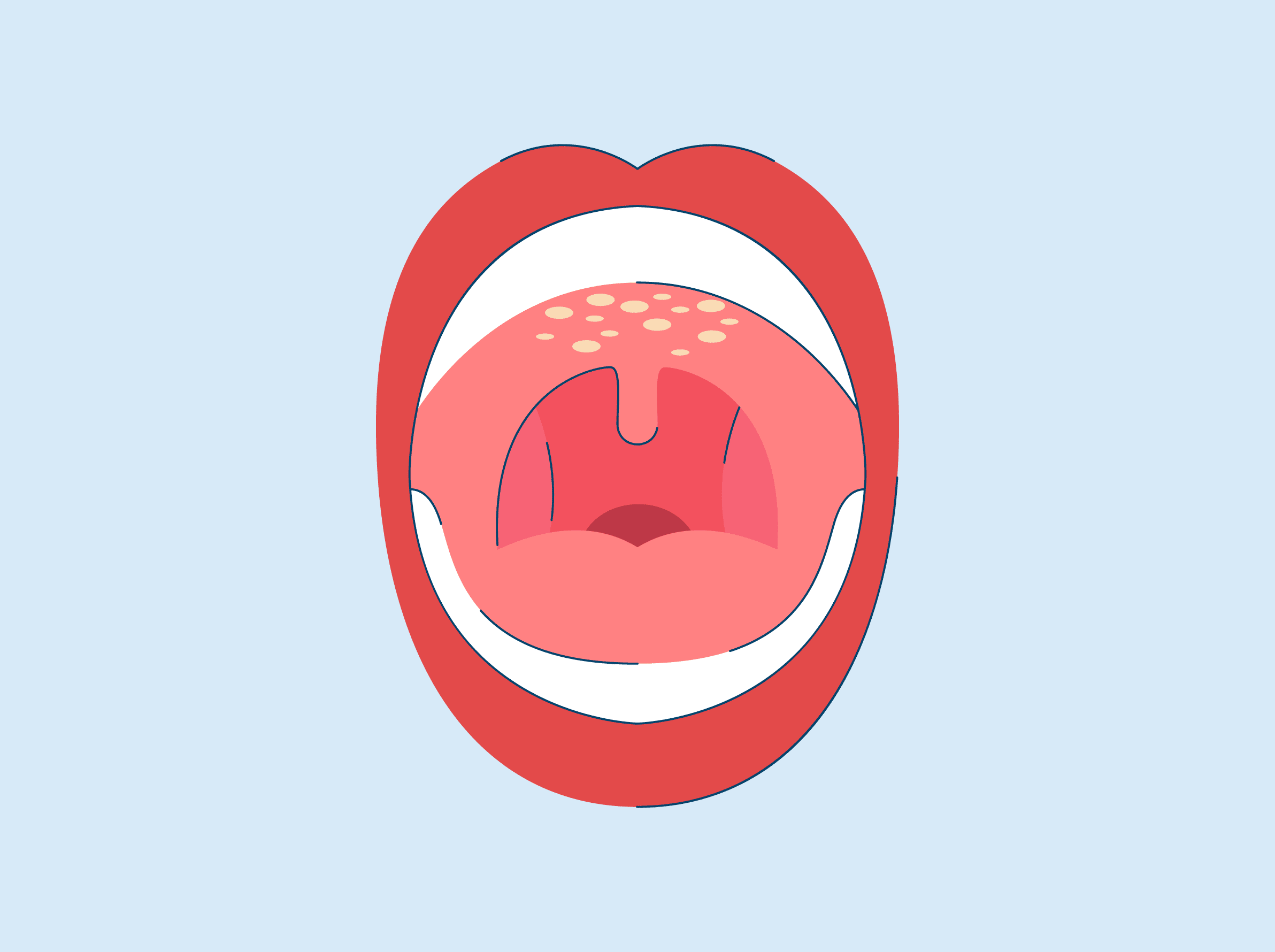
The roof of your mouth has two distinct sections that serve different functions.
The hard palate is the bony front part. It is firm, covered with thin mucous membrane, and is the area most often burned by hot food.
The soft palate is the flexible back section. It helps with swallowing and speech. Pain here often feels deeper and is linked to infections or throat-related issues.
Cause 1: Burns from Hot Food or Drinks
This is the single most common reason the roof of your mouth hurts when you eat.
Hot foods like pizza, soup, coffee, or melted cheese make direct contact with the delicate tissue of the hard palate. Even a second of contact with something too hot can cause immediate inflammation.
The burned tissue can feel raw, tender, or even begin to peel over the next 24 to 48 hours. Most mild burns heal on their own within 3 to 7 days.
To speed up recovery, rinse immediately with cool water, avoid hot or spicy foods, and stick to soft, cool meals while the tissue heals.
Cause 2: Canker Sores (Aphthous Ulcers)
Canker sores are small, round, painful ulcers that can appear anywhere inside the mouth, including the roof.
They are typically white or yellow in the center with a red border. They are not contagious, unlike cold sores, but they can be very uncomfortable especially when eating acidic, salty, or spicy food.
Common triggers include stress, minor mouth injuries, hormonal changes, certain foods, and immune system fluctuations. Most canker sores heal on their own in 7 to 10 days.
Cause 3: Physical Injury or Trauma
Sharp, hard, or crunchy foods — like tortilla chips, crackers, crusty bread, or hard pretzels — can scrape or cut the soft tissue on the roof of your mouth.
You may not feel it right away, but as the area becomes irritated over the next few hours, eating becomes noticeably uncomfortable.
These small cuts or abrasions usually heal quickly if you rest the area. Avoid eating more sharp or hard foods until the soreness is completely gone.
Cause 4: Oral Thrush (Fungal Infection)
Oral thrush is a fungal infection caused by an overgrowth of Candida albicans yeast inside the mouth.
It appears as creamy white or pale yellow patches on the tongue, inner cheeks, and the roof of the mouth. These patches can bleed when scraped and cause soreness, a burning feeling, and pain when eating or swallowing.
It is more common in people who use steroid inhalers, wear dentures, have recently taken antibiotics, or have a weakened immune system. Treatment requires prescription antifungal medication.
Cause 5: Cold Sores (Herpes Simplex Virus)
Cold sores are caused by the herpes simplex virus type 1 (HSV-1) and can occasionally form on the hard palate rather than just the lips.
When they appear inside the mouth, they cause small painful blisters and a tingling or burning sensation that makes eating very uncomfortable.
They tend to flare up during periods of stress, illness, or immune system weakness. Unlike canker sores, cold sores are contagious. Antiviral medications can shorten the duration and reduce severity.
Cause 6: Dental Issues — Abscess and Gum Disease
A dental abscess is a pocket of infection near the root of a tooth or in surrounding gum tissue.
The pain from an abscess often radiates upward toward the roof of the mouth, making the palate feel tender and sore especially when chewing or swallowing.
Advanced gum disease (periodontitis) can also cause inflammation that spreads beyond the gumline and affects the upper tissues. These conditions require prompt professional dental treatment and should never be ignored.
Cause 7: Ill-Fitting Dental Appliances
Dentures, retainers, braces, or mouthguards that do not fit properly can rub against the palate and cause persistent irritation.
Over time, this friction creates sores, ulcers, or raw spots on the roof of the mouth that hurt when eating or when the appliance is in place.
The fix is straightforward: visit your dentist to have the appliance adjusted or replaced. Continuing to wear a poorly fitting appliance will only make the irritation worse.
Cause 8: Dry Mouth (Xerostomia)
Dry mouth, medically known as xerostomia, occurs when your salivary glands do not produce enough saliva to keep the mouth properly moistened.
Without adequate saliva, the tissues of the mouth become dry, sensitive, and prone to irritation and pain. The roof of the mouth can feel swollen, tender, or sore.
Common causes include dehydration, certain medications, Sjögren’s syndrome, and radiation therapy. Drinking more water and using alcohol-free mouth rinses can help manage mild cases.
Cause 9: Food Allergies and Sensitivities
Eating foods you are allergic or sensitive to can cause localized tingling, swelling, or discomfort in the soft tissues of the mouth, including the palate.
This is sometimes called oral allergy syndrome, and it can also be triggered by ingredients in toothpaste, mouthwash, or other dental products.
If you notice a pattern — pain that consistently appears after eating a specific food or using a particular product — eliminating it from your routine for a few days can confirm whether it is the cause.
Cause 10: Burning Mouth Syndrome (BMS)
Burning mouth syndrome is a chronic pain condition characterized by a persistent burning sensation in the mouth with no visible cause or damage.
It most often affects the tongue but can also involve the roof of the mouth, gums, and lips. The burning may be mild in the morning and worsen throughout the day.
BMS has been linked to nerve damage, nutritional deficiencies, acid reflux, hormonal changes (especially in postmenopausal women), anxiety, and dry mouth. Treatment focuses on managing the underlying cause and reducing symptoms.
Cause 11: Nutritional Deficiencies
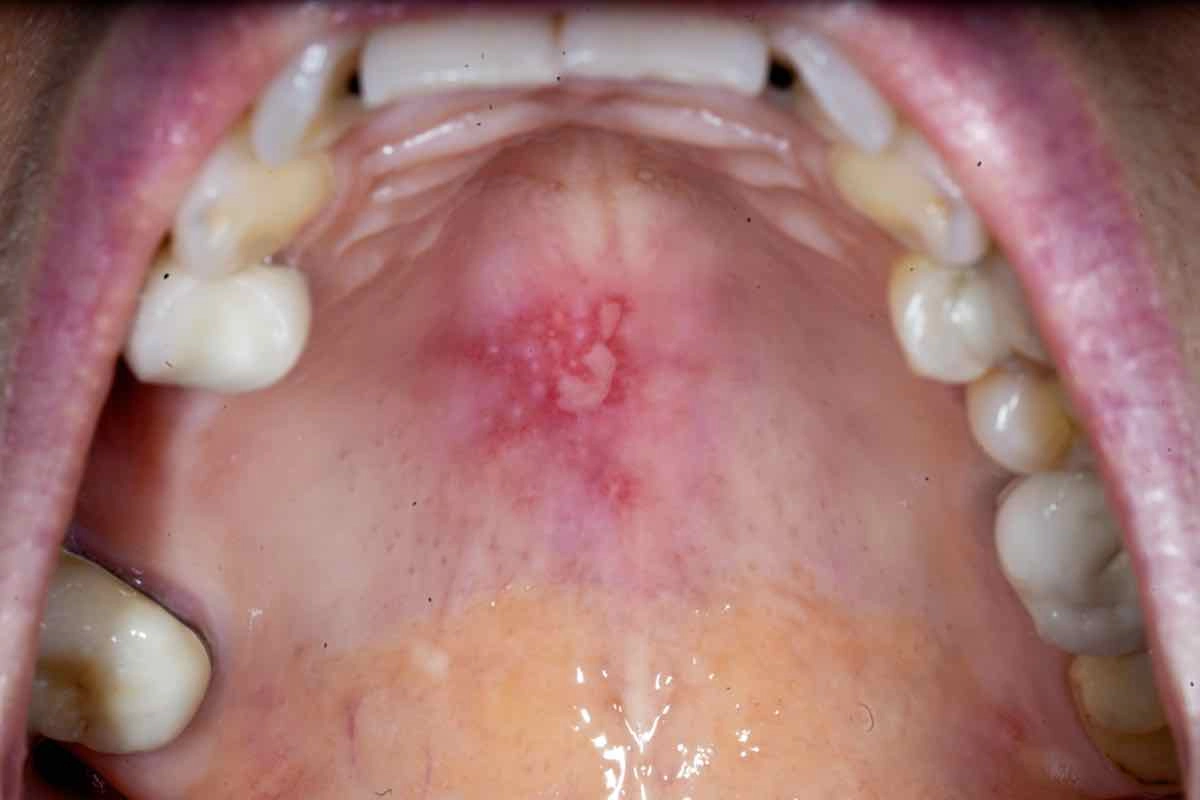
Diets low in vitamin B12, vitamin C, iron, folic acid, or zinc can cause pain and inflammation in the soft tissues of the mouth.
Deficiencies in these nutrients affect the health and repair of mucosal tissue, making the palate more prone to soreness, ulcers, and slow healing.
A simple blood test can identify any deficiencies. Correcting them through diet changes or supplements usually improves mouth pain significantly within a few weeks.
Cause 12: Acid Reflux (GERD)
Gastroesophageal reflux disease (GERD) causes stomach acid to travel back up into the esophagus and sometimes into the mouth.
When acid reaches the oral cavity, it can irritate and inflame the sensitive tissues of the soft palate, causing a burning or sore feeling that is often worse after meals.
People with silent reflux may not feel the classic heartburn sensation, making the mouth pain confusing. Managing GERD with dietary changes or medication typically resolves the oral symptoms.
Cause 13: Sinus Infections and Postnasal Drip
Sinus infections and seasonal allergies can cause postnasal drip, where mucus runs from the sinuses down the back of the throat.
This constant flow irritates the soft palate and the back of the roof of the mouth, causing a sore, raw, or inflamed feeling that is often worse when swallowing.
Sinus pressure can also create referred pain in the upper area of the mouth. Treating the underlying sinus condition typically resolves the palate discomfort.
Cause 14: Dehydration and Electrolyte Imbalance
When the body is dehydrated, the mouth does not receive enough fluid to maintain healthy tissue function.
Dehydration can cause the palate to feel dry, swollen, and sensitive. Heavy alcohol consumption is a common culprit, as alcohol causes the body to expel excess fluid, leading to dry and irritated mouth tissue the following day.
Electrolyte imbalances — low levels of sodium, potassium, or magnesium — can also cause mouth discomfort. Rehydrating properly usually resolves this quickly.
Cause 15: Torus Palatinus (Bony Growth)
Torus palatinus is a benign bony growth that develops on the hard palate. It is more common than most people realize.
The growth itself is usually painless, but if food repeatedly scrapes or presses against it while chewing, it can cause irritation and discomfort during meals.
Most tori (plural of torus) require no treatment unless they cause consistent discomfort or interfere with dental appliances. An oral surgeon can remove it if necessary.
Cause 16: Oral Warts (HPV)
Oral warts caused by the human papillomavirus (HPV) can appear on the roof of the mouth as small, cauliflower-like growths.
While often painless, biting down on or repeatedly irritating these warts during eating can cause pain and soreness.
You should see a dentist if you notice any unusual growths inside your mouth that do not go away within two weeks.
Cause 17: Tobacco and Alcohol Use
Both tobacco and alcohol are strong irritants to the oral mucosa — the lining of the mouth.
Chronic smoking can cause a condition called nicotinic stomatitis, which presents as white patches and redness on the palate. This directly causes soreness and pain when eating.
Heavy alcohol use dries out and inflames mouth tissue. Combined with acidic foods, this can make palate pain significantly worse and slower to heal.
All Causes at a Glance
| Cause | Type | How Long Pain Lasts | Contagious |
|---|---|---|---|
| Burn from hot food | Injury | 3 – 7 days | No |
| Canker sores | Ulcer | 7 – 10 days | No |
| Physical trauma (sharp food) | Injury | 2 – 5 days | No |
| Oral thrush | Fungal infection | Needs treatment | No |
| Cold sores (HSV-1) | Viral infection | 7 – 14 days | Yes |
| Dental abscess | Bacterial infection | Needs treatment | No |
| Ill-fitting dental appliance | Mechanical irritation | Ongoing until fixed | No |
| Dry mouth (xerostomia) | Condition | Ongoing | No |
| Food allergy / sensitivity | Immune response | Hours to days | No |
| Burning mouth syndrome | Nerve condition | Chronic | No |
| Nutritional deficiency | Dietary | Weeks (with treatment) | No |
| Acid reflux (GERD) | Systemic condition | Ongoing until managed | No |
| Sinus infection / postnasal drip | Infection/allergy | Days to weeks | No |
| Dehydration / electrolyte issue | Systemic | Hours (with fluids) | No |
| Torus palatinus | Benign growth | Ongoing | No |
| Oral warts (HPV) | Viral | Ongoing | Yes |
| Tobacco / alcohol use | Lifestyle | Ongoing | No |
Symptoms to Watch For
Pain in the roof of your mouth may come with additional signals that help identify the cause.
Common symptoms include tenderness or soreness when chewing, burning or stinging sensation, swelling of the palate, white or yellow patches, blisters or ulcers, and a dry or sticky feeling in the mouth.
More serious warning signs that need prompt attention include pain lasting more than two weeks, white patches that do not heal, unexplained lumps or growths, difficulty swallowing, fever alongside mouth pain, and pain spreading to the ear or jaw.
Home Remedies That Actually Work
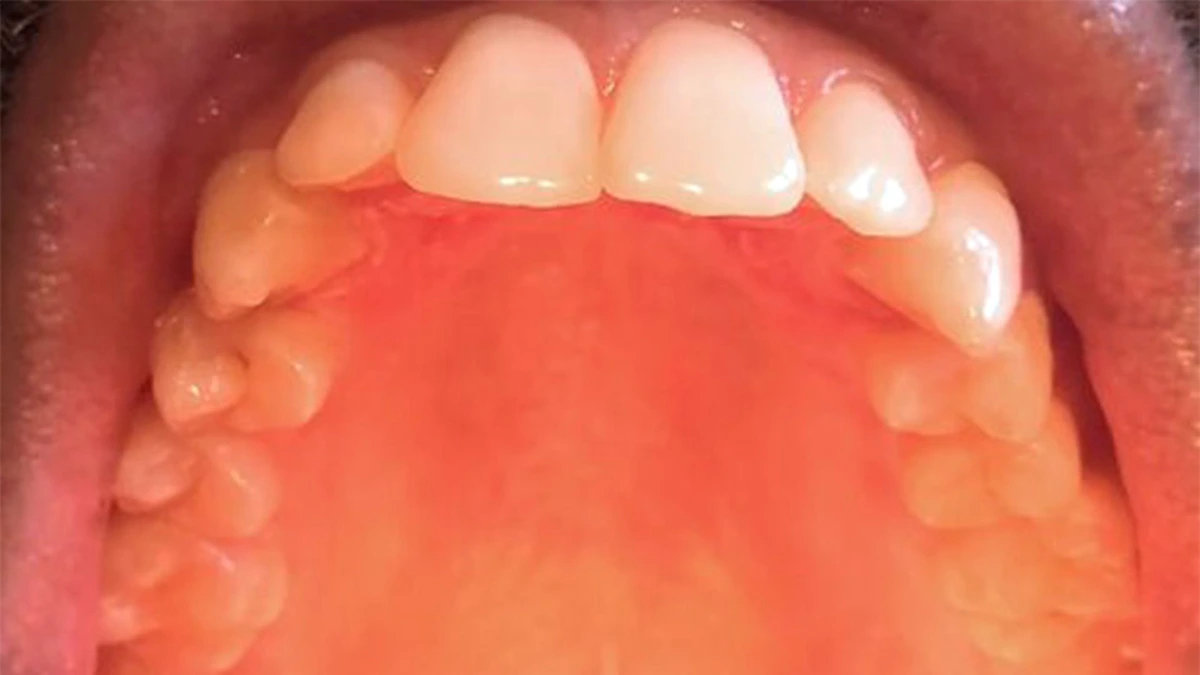
Most mild cases of palate pain can be managed at home with a few simple steps.
Warm salt water rinse is one of the most effective. Mix one teaspoon of salt into half a cup of warm water. Swish for 30 seconds and spit. This reduces inflammation and kills bacteria. Repeat two to three times a day.
Cool water and ice chips help soothe burns and inflammation. Sipping cool water throughout the day keeps the mouth hydrated and provides temporary relief.
Soft diet reduces trauma to already-irritated tissue. Stick to foods like yogurt, mashed potatoes, oatmeal, smoothies, and bananas until pain subsides.
Avoid triggers such as hot drinks, spicy foods, acidic foods (citrus, tomatoes), crunchy or hard snacks, alcohol, and tobacco until healing is complete.
Over-the-counter oral gels containing benzocaine can temporarily numb the affected area and reduce discomfort while eating.
Home Remedy Quick Reference
| Remedy | Best For | How Often |
|---|---|---|
| Salt water rinse | Burns, canker sores, infections | 2 – 3 times per day |
| Cool water / ice chips | Burns, inflammation | As needed |
| OTC oral gel (benzocaine) | Canker sores, burns | As needed |
| Soft food diet | All causes | Until healed |
| Ibuprofen or acetaminophen | Moderate pain | As directed |
| Alcohol-free mouthwash | General irritation | Once daily |
| Increased water intake | Dry mouth, dehydration | Throughout the day |
When to See a Dentist or Doctor
Most palate pain resolves on its own within a week. However, certain situations require professional evaluation.
See a dentist or doctor if the pain lasts more than two weeks without improvement. Also seek care if you notice white patches, sores that keep growing, a lump or growth that does not go away, fever with mouth pain, difficulty eating or swallowing, or pain that worsens rather than improves.
If your pain is linked to a dental appliance, dental infection, or oral thrush, professional treatment is necessary and home remedies will not resolve it on their own.
What a Dentist or Doctor Will Do
When you visit a professional for roof of mouth pain, they will conduct a visual oral examination and ask about your symptoms, medical history, medications, and diet.
Depending on what they find, they may order blood tests (to check for deficiencies or infections), oral swabs (to test for fungal or bacterial infections), allergy testing, imaging for dental abscesses, or refer you to a specialist.
Treatment options range from antifungal or antibiotic medications to appliance adjustments, steroid rinses, or in rare cases, surgical evaluation.
Foods That Trigger Roof of Mouth Pain
Some foods are known to aggravate an already sore palate or trigger new inflammation.
Foods to avoid while healing:
| Food Type | Why It Causes Pain |
|---|---|
| Very hot foods and drinks | Burns delicate palate tissue |
| Spicy foods (chili, hot sauce) | Irritates inflamed tissue |
| Acidic foods (citrus, tomatoes) | Stings open sores and ulcers |
| Hard, crunchy snacks (chips, crackers) | Can cut or re-injure healing tissue |
| Alcohol | Dries out and inflames the mouth |
| Salty snacks | Stings canker sores and burns |
| Chocolate and strawberries | Can trigger canker sores in some people |
Foods That Help Healing
Just as some foods make palate pain worse, others can actively support tissue repair and comfort.
Cool yogurt coats and soothes the palate while delivering probiotics that support oral health. Mashed potatoes, smoothies, and soft-cooked eggs provide nutrition without requiring hard chewing.
Water-rich foods like melons, cucumbers, and soft cooked vegetables help keep the mouth hydrated and support healing of dry or irritated tissue.
The Connection Between Stress and Roof of Mouth Pain
Stress is a known trigger for canker sores, cold sore flare-ups, teeth grinding, dry mouth, and burning mouth syndrome.
During high-stress periods, the immune system becomes less effective at preventing outbreaks of oral conditions. Many people notice mouth soreness during exams, major life events, or periods of poor sleep.
Managing stress through exercise, adequate sleep, and relaxation techniques can reduce the frequency and severity of stress-triggered mouth pain.
Children and Roof of Mouth Pain
Children can also experience roof of mouth pain when eating, often for the same reasons as adults.
Burns from hot food, canker sores, and physical injuries from hard snacks are most common in kids. Oral thrush is also more frequent in infants and toddlers.
Parents should monitor children for any sores that last longer than two weeks, white patches, or pain severe enough to prevent eating, and consult a pediatric dentist or doctor if these occur.
Preventing Roof of Mouth Pain
A few simple daily habits significantly reduce the risk of developing palate pain.
Always test the temperature of food and drinks before eating. Let hot beverages cool slightly before sipping. Chew carefully and avoid biting down on very hard foods aggressively.
Maintain good oral hygiene — brush twice daily, floss, and use an alcohol-free mouthwash. Stay well hydrated. Visit your dentist every six months for routine checkups.
A balanced diet with adequate vitamin B12, C, iron, and folate protects the health of your oral mucosa and reduces the chance of ulcers and inflammation.
Frequently Asked Questions (FAQs)
Why does the roof of my mouth hurt when I eat?
It usually hurts because of a burn from hot food, a canker sore, a mouth injury, or an infection. Most mild cases resolve on their own within a week.
What does it mean when the roof of your mouth is swollen and hurts?
Swelling combined with pain often points to an infection, an abscess, an allergic reaction, or a dental issue that needs professional evaluation.
Can acid reflux cause the roof of my mouth to hurt?
Yes. Stomach acid traveling into the mouth can irritate and inflame the soft palate, causing a burning or sore feeling especially after meals.
How do I stop the roof of my mouth from hurting?
Rinse with warm salt water, eat cool and soft foods, avoid hot and acidic foods, and use an OTC oral gel for temporary numbing relief.
How long does roof of mouth pain usually last?
Minor burns and injuries heal in 3 to 7 days. Canker sores take 7 to 10 days. Pain that lasts more than two weeks needs professional attention.
Can dry mouth cause roof of mouth pain?
Yes. Without enough saliva, the palate becomes dry, tender, and irritated. Dehydration and certain medications are common causes of dry mouth.
Is roof of mouth pain a sign of oral cancer?
It can be in rare cases. Persistent white patches, unexplained lumps, or sores that do not heal within two weeks should be evaluated by a dentist promptly.
Why does the back of the roof of my mouth hurt when I swallow?
Pain at the back of the palate when swallowing is often linked to a throat infection, sinus infection, postnasal drip, or soft palate inflammation.
Can a canker sore form on the roof of the mouth?
Yes. Canker sores (aphthous ulcers) can develop on the hard or soft palate and cause significant pain during eating. They heal in 7 to 10 days without treatment.
When should I see a doctor about roof of mouth pain?
See a doctor if pain lasts more than two weeks, is accompanied by white patches, a lump, fever, difficulty swallowing, or does not improve with home care.
Conclusion
Why does the roof of my mouth hurt when I eat is one of the most common oral health questions, and as this guide shows, there are many possible answers.
The most frequent causes are burns from hot food, canker sores, mouth injuries, dry mouth, and infections like oral thrush. In most cases the pain is temporary, manageable at home, and resolves within a week.
Simple steps like warm salt water rinses, staying hydrated, eating soft and cool foods, and avoiding known irritants make a big difference.
However, pain that lasts more than two weeks, comes with white patches, unexplained growths, or fever should never be ignored.
Your dentist or doctor can quickly identify the underlying cause and get you back to eating comfortably and pain-free.
