

Why does my tongue hurt is one of the most searched oral health questions in 2026, and the answer is rarely simple.
Your tongue is one of the hardest-working muscles in your body — it helps you chew, swallow, taste, and speak all day long.
When it hurts, every meal and conversation becomes uncomfortable. Tongue pain can range from a mild annoyance that fades in hours to a persistent ache that signals something more serious going on inside your body.
What Does a Healthy Tongue Look Like?
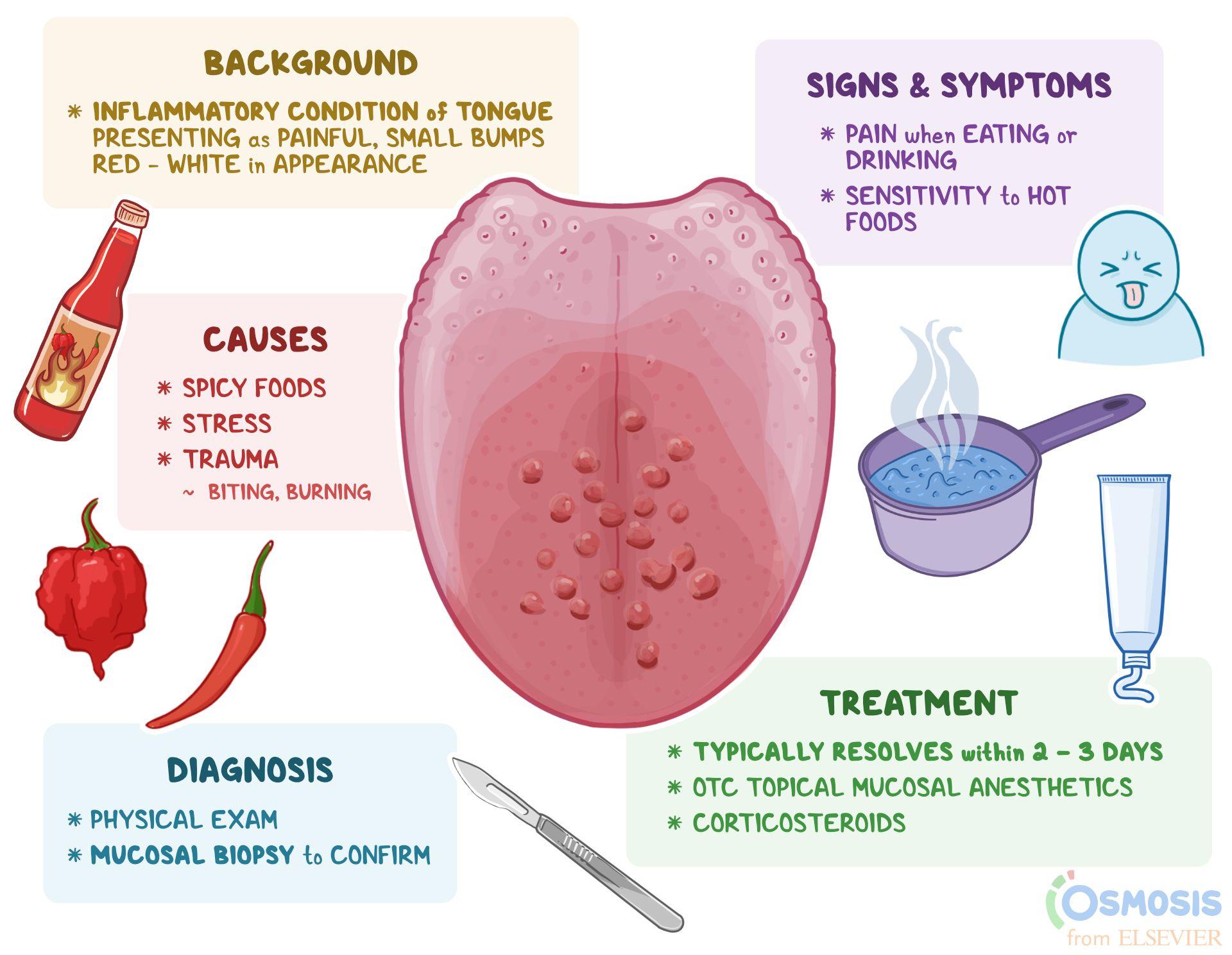
A normal tongue is pinkish-red on top with small raised bumps called papillae. The underside is smooth with a slightly bluish hue from visible veins. The tongue should sit comfortably in the mouth with the tip resting near your front teeth.
Any change in color, texture, or sensation is worth paying attention to. A healthy tongue should not ache, burn, or develop sores that last more than a week or two.
Common Causes of Tongue Pain
Tongue pain has many possible causes, ranging from everyday accidents to chronic conditions. Understanding the pattern of your pain — where it is, what it feels like, and how long it lasts — is the first step to identifying the cause.
1. Accidental Biting or Trauma
One of the most frequent reasons your tongue hurts is simply biting it by accident while eating or talking. The injury causes swelling and a tender sore that can sting every time food, drink, or your teeth touch it.
Minor bites usually heal within 3 to 7 days without any treatment. Larger injuries, especially those with heavy bleeding or a deep cut, may require a visit to urgent care for proper closure.
Sharp teeth, broken fillings, chipped crowns, braces, or ill-fitting dentures can also repeatedly scrape the tongue, causing chronic soreness on the side that rubs. These injuries do not heal until the irritating surface is corrected by a dentist.
2. Canker Sores (Aphthous Ulcers)
Canker sores are small, round ulcers that appear inside the mouth, including the tongue’s sides, tip, and underside. They are white or yellow with a red border and are not contagious.
No one knows the exact cause, but common triggers include stress, hormonal changes, acidic or spicy foods, and minor mouth injuries. Most canker sores heal on their own within 7 to 14 days.
Recurring or unusually large canker sores may be linked to systemic conditions like celiac disease, Crohn’s disease, or Behcet’s syndrome, and should be evaluated by a doctor.
3. Burned Tongue from Hot Food or Drink
A rushed sip of hot coffee or a bite of fresh-from-the-oven pizza can scald your tongue and leave it raw and tender for several days. This is one of the most common and straightforward causes of tongue pain.
The burn damages the surface layer of the tongue and inflames the taste buds. Cool liquids, soft foods, and time are the best remedies.
Persistent burning without a heat source points to Burning Mouth Syndrome, a separate condition covered in detail below.
4. Oral Thrush (Fungal Infection)
Oral thrush is a fungal infection caused by Candida albicans, a yeast that naturally lives in the mouth. When the body cannot keep it in check, it overgrows and causes white, cottage-cheese-like patches on the tongue and inside of the mouth.
Thrush causes tenderness, a cotton-like feeling, and sometimes a loss of taste. It is more common in babies, older adults, people with weakened immune systems, and those who use inhaled corticosteroids or antibiotics.
Treatment typically involves prescription or over-the-counter antifungal medications, and the condition usually clears within one to two weeks.
5. Geographic Tongue (Benign Migratory Glossitis)
Geographic tongue is a harmless condition where smooth, red patches appear on the tongue’s surface, surrounded by white borders. The patches change location from day to day, giving the tongue a map-like appearance.
Most people with geographic tongue have no pain at all. Some do experience a burning or stinging sensation, especially with spicy, acidic, or salty foods.
The cause is unknown, though links to psoriasis and certain nutritional deficiencies have been noted. No specific cure exists, but topical numbing gels can relieve discomfort during flare-ups.
6. Glossitis (Tongue Inflammation)
Glossitis means inflammation of the tongue. It can cause the tongue to appear smooth, red, and swollen. The papillae (bumps) may disappear, giving the tongue a shiny, glazed look.
There are several types of glossitis, including Moeller’s glossitis from vitamin B12 deficiency, median rhomboid glossitis from fungal infection, and atrophic glossitis from iron deficiency anemia. Each type has a slightly different appearance and cause.
Glossitis can make eating and speaking painful. Treatment depends entirely on the underlying cause — nutritional supplementation, antifungal medication, or improved oral hygiene.
7. Vitamin and Nutritional Deficiencies
Low levels of certain vitamins and minerals are a major and often overlooked cause of chronic tongue pain. The most common deficiencies linked to a sore tongue include:
| Nutrient Deficiency | Effect on the Tongue |
|---|---|
| Vitamin B12 | Smooth, beefy red, inflamed tongue (glossitis) |
| Iron | Pale or red tongue, smooth surface, swelling |
| Folate (B9) | Red, sore tongue, mouth ulcers |
| Vitamin B3 (Niacin) | Swollen, red tongue, mouth sores |
| Vitamin B6 | Inflamed tongue, burning sensation |
| Zinc | Altered taste, soreness, slow-healing sores |
| Vitamin C | Sore spots, gum problems, slow wound healing |
A beefy red, smooth tongue is strongly associated with vitamin B12 deficiency. Research published in the Canadian Medical Association Journal found that a single injection of vitamin B12 completely resolved glossitis symptoms and restored normal tongue appearance within just 3 days.
A pale or white tongue with smooth patches is more typical of iron deficiency anemia. A blood test (complete blood count) can confirm deficiencies and guide treatment.
8. Burning Mouth Syndrome (BMS)
Burning Mouth Syndrome is a chronic condition that causes a persistent burning, stinging, or scalding sensation on the tongue, gums, lips, or roof of the mouth — with no visible damage or sores. It can feel like you have drunk something scalding hot, even when you have not.
BMS primarily affects postmenopausal women but can occur in anyone. Possible causes include nerve damage, hormonal changes, dry mouth, nutritional deficiencies, anxiety, and certain medications like ACE inhibitors and antidepressants.
There is no single cure. Management approaches include topical capsaicin, clonazepam, alpha-lipoic acid supplements, behavioral therapy, and avoiding known irritants like alcohol-based mouthwash, spicy foods, coffee, and tobacco.
9. Dry Mouth (Xerostomia)
Saliva is essential for washing away bacteria and keeping the tongue moist. When the mouth is too dry, the tongue becomes irritated, sticky, and sore. Dry mouth is caused by over 600 medications, Sjögren’s syndrome, dehydration, and some cancer treatments.
Chronic dry mouth increases the risk of oral thrush, tooth decay, and persistent tongue pain. Staying hydrated, chewing sugar-free gum, and using saliva-substitute products can help.
Speak to your doctor if dry mouth is related to medication. A dosage adjustment or alternative drug may resolve the issue.
10. Oral Lichen Planus
Oral lichen planus is a chronic inflammatory condition that causes white, lace-like patches or painful red sores inside the mouth and on the tongue. It is thought to be an immune disorder.
The erosive form causes significant tongue pain that may interfere with eating and daily life. Topical corticosteroids are commonly used to reduce inflammation. The condition tends to come and go over years.
11. Lie Bumps (Transient Lingual Papillitis)
Lie bumps are small, inflamed white or red bumps on the tongue surface. They are actually enlarged and irritated taste buds, not actual bumps. They can be surprisingly painful for their small size.
Common triggers include stress, hormonal fluctuations, acidic foods, and minor injuries. Lie bumps almost always resolve on their own within 2 to 4 days and require no treatment.
12. Cold Sores and Viral Infections
Cold sores are caused by the herpes simplex virus (HSV-1) and usually appear on the outside of the mouth. In some cases, they can affect the tongue and cause tingling, burning, and painful blisters.
Hand-foot-mouth disease, a common viral illness, can also produce small painful ulcers on the tongue and inside the mouth. Both conditions are contagious and antiviral medications can reduce severity and duration.
13. Food Allergies and Oral Allergy Syndrome
Certain foods can cause the tongue to tingle, swell, or hurt. Oral Allergy Syndrome (OAS) — also called pollen-food syndrome — occurs in people sensitive to raw fruits, vegetables, and tree nuts that share proteins with common pollens.
The reaction is usually mild (tingling, itching, or swelling of the tongue and lips) but can occasionally be severe. If a food consistently causes tongue pain or swelling, see an allergist for testing.
Severe reactions involving significant tongue swelling, throat tightening, or difficulty breathing require emergency care. Antihistamines can help with mild allergic reactions; an epinephrine auto-injector may be needed for severe cases.
14. Teeth Grinding (Bruxism) and Tongue Thrusting
People who grind their teeth at night, or who press their tongue against their teeth when stressed, can develop persistent sore spots on the sides of the tongue from repeated contact with the hard tooth edges.
A custom night guard from a dentist can protect the tongue and teeth during sleep. Stress reduction techniques and behavioral awareness also help with daytime tongue thrusting.
15. Smoking and Tobacco Use
Smoking irritates the tongue’s surface and changes the bacterial environment of the mouth. Tobacco use is strongly linked to tongue pain, hairy tongue (a condition where papillae overgrow and trap bacteria), and significantly elevated risk of oral cancer.
People who smoke should have regular oral cancer screenings. Quitting tobacco is the single most effective way to reduce both tongue pain and cancer risk.
16. Medications
Several common medications can cause a sore or burning tongue as a side effect. The most frequently implicated include ACE inhibitors (blood pressure drugs), certain antibiotics, diuretics, some antidepressants, and NSAIDs.
If you started a new medication and noticed tongue pain shortly after, speak to your doctor. They may be able to adjust the dose or switch to an alternative.
17. Oral Cancer
Oral cancer can cause a sore tongue, especially if a lump, ulcer, or lesion does not heal after 2 to 3 weeks. Oral cancer may not be painful in its early stages, which makes regular oral exams essential.
Risk factors include tobacco use, heavy alcohol consumption, HPV infection, and prolonged sun exposure (for lip cancer). Any unexplained sore, white or red patch, lump, or persistent ulcer on the tongue should be evaluated by a doctor or dentist promptly.
Where Does Your Tongue Hurt? Location Clues
The location of tongue pain can narrow down the most likely cause significantly.
| Location of Pain | Most Likely Causes |
|---|---|
| Tip of tongue | Burning, trauma, lie bumps, vitamin deficiency |
| Side of tongue | Bite injury, canker sore, sharp tooth, braces |
| Underside of tongue | Canker sore, ranula (cyst), salivary gland issue |
| Back of tongue | Infection, tonsil issue, glossopharyngeal neuralgia |
| Whole tongue | Glossitis, vitamin deficiency, oral thrush, BMS |
| One side only | Local irritation, nerve issue, dental appliance |
Pain on one side only often points to a local cause such as a bite, canker sore, or a dental appliance rubbing the tongue. Whole-tongue pain or burning is more likely related to a systemic condition, vitamin deficiency, or Burning Mouth Syndrome.
Tongue Pain Symptoms and What They Mean
| Symptom | Possible Cause |
|---|---|
| Red, smooth, glossy tongue | Glossitis, B12/iron deficiency, anemia |
| White patches on tongue | Oral thrush, oral lichen planus, leukoplakia |
| Burning without visible sores | Burning Mouth Syndrome, dry mouth, BMS |
| Swollen tongue with pain | Allergic reaction, infection, angioedema |
| Sore with white/yellow center | Canker sore, aphthous ulcer |
| Bumps on tongue surface | Lie bumps, transient lingual papillitis |
| Black or hairy appearance | Hairy tongue (antibiotic use, smoking, poor hygiene) |
| Persistent lump or ulcer | Oral cancer — see a doctor immediately |
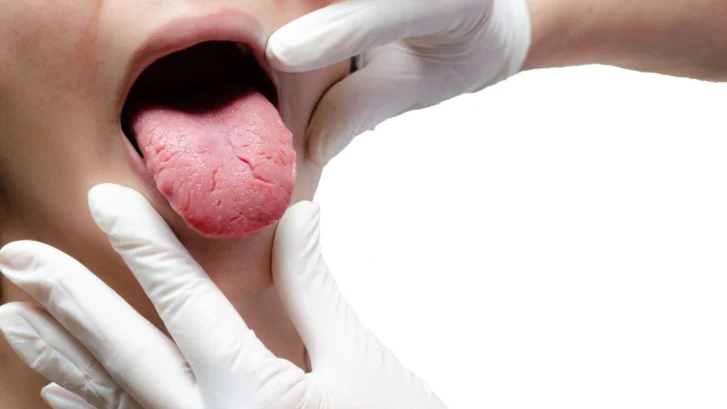
| Cracked tongue surface | Vitamin B12 deficiency, geographic tongue |
| Tingling, numbness | Nerve damage, BMS, glossopharyngeal neuralgia |
Quick Relief for a Sore Tongue
Most mild tongue pain can be managed at home while the underlying cause is identified and addressed. The following remedies provide real, fast relief for common tongue pain.
Saltwater Rinse
Mix half a teaspoon of table salt into one cup of warm water and rinse for 30 seconds. Repeat two to three times a day. Salt has natural antiseptic properties that cleanse the tongue surface and reduce inflammation around canker sores and minor injuries.
Ice and Cold Foods
Apply a small ice chip directly to the painful area or eat cold yogurt, smoothies, or sorbet. Cold temperatures numb the nerves in the tongue and reduce swelling quickly. Avoid chewing ice, as this can damage teeth.
Over-the-Counter Topical Gels
Benzocaine gels (such as Orajel or Zilactin-B) create a temporary numbing barrier over sore spots. Apply directly to the painful area before meals to make eating more comfortable. These are especially useful for canker sores and bite injuries.
Avoid Tongue Irritants
Stop consuming these during any period of tongue pain, as they directly worsen most causes:
- Spicy foods and hot sauces
- Acidic foods (citrus, tomatoes, vinegar)
- Very hot beverages (coffee, tea, soup)
- Alcohol-based mouthwashes
- Tobacco products
- Salty snack foods
Over-the-Counter Pain Relievers
Ibuprofen (Advil) or acetaminophen (Tylenol) reduce pain and inflammation systemically. Follow the dosing instructions on the packaging and do not use these as a long-term solution without identifying the root cause.
Stay Hydrated
Drinking plenty of water keeps the tongue moist and prevents dry mouth from worsening soreness. Aim for at least 8 glasses of water a day. Chewing sugar-free gum also stimulates saliva production and helps.
Soft Toothbrush and Gentle Brushing
Switch to a soft-bristled toothbrush and brush your tongue gently. Aggressive brushing traumatizes an already inflamed tongue and slows healing. Avoid tongue scraping if the tongue is currently sore.
Nutritional Supplements
If a vitamin or mineral deficiency is suspected, start a B-complex vitamin and iron supplement after consulting a doctor. Getting a blood panel done first ensures you are treating the right deficiency rather than guessing.
Foods to Eat and Avoid with a Sore Tongue
| Eat These | Avoid These |
|---|---|
| Cool yogurt and kefir | Hot soups and drinks |
| Smoothies and protein shakes | Spicy curries and sauces |
| Oatmeal (cooled) | Citrus fruits and juices |
| Soft scrambled eggs | Chips, crackers, crusty bread |
| Mashed potatoes | Vinegar-based dressings |
| Banana and avocado | Alcohol and carbonated drinks |
| Milk and cottage cheese | Tobacco products |
| Soft cooked fish | Raw pineapple and kiwi |
Choosing soft, cool, neutral-pH foods during a painful episode speeds healing significantly and reduces irritation to damaged tissue.
When to See a Doctor or Dentist
Most tongue pain resolves on its own within one to two weeks. Certain symptoms, however, require prompt professional evaluation.
See a doctor or dentist if you experience:
- A sore, ulcer, or lump that does not heal within 2 to 3 weeks
- Severe pain that makes eating or speaking very difficult
- White or red patches that do not go away
- Tongue swelling that affects your breathing or swallowing
- Unexplained bleeding from the tongue
- Fever alongside tongue pain (possible infection)
- Pain that keeps returning without a clear trigger
- Numbness or tingling lasting more than a few days
These symptoms may indicate oral cancer, a serious infection, nerve damage, or an untreated systemic condition. Early diagnosis dramatically improves outcomes for all serious tongue conditions.
Diagnosis: What a Doctor Will Do
When you visit a doctor or dentist for tongue pain, they will perform a physical exam to inspect the color, texture, and surface of the tongue. They will ask how long the pain has lasted, whether it comes and goes, and what makes it better or worse.
Depending on what they find, they may order:
- Blood tests to check for vitamin deficiencies, anemia, and blood sugar levels
- A swab or culture to test for bacterial or fungal infection
- A biopsy if a suspicious lesion, lump, or persistent white/red patch is found
- Imaging if a deeper structural problem is suspected
Most tongue conditions are diagnosed during a routine oral exam. Getting to a professional sooner means faster treatment and less suffering.
Treatment Options by Cause
| Cause | Treatment |
|---|---|
| Canker sores | Saltwater rinse, topical benzocaine, steroid gel for severe cases |
| Oral thrush | Antifungal medications (nystatin, fluconazole) |
| Vitamin B12 deficiency | B12 supplements or injections |
| Iron deficiency anemia | Iron supplements, dietary changes |
| Burning Mouth Syndrome | Topical capsaicin, clonazepam, alpha-lipoic acid |
| Geographic tongue | Topical anesthetics, avoid spicy/acidic triggers |
| Oral lichen planus | Topical corticosteroids, immunosuppressants |
| Dry mouth | Hydration, saliva substitutes, medication review |
| Dental trauma / sharp teeth | Dentist smooths edges, adjusts appliance |
| Bruxism | Night guard, stress management |
| Cold sores / HSV | Antiviral medications (acyclovir, valacyclovir) |
| Oral cancer | Surgery, radiation, chemotherapy (depending on stage) |
| Allergic reaction | Antihistamines, avoidance of trigger, epinephrine if severe |
Prevention: How to Keep Your Tongue Healthy
Preventing tongue pain is largely about maintaining good oral hygiene, eating a balanced diet, and addressing problems before they worsen.
Practice these habits consistently:
Brush and floss daily. Reduces bacterial buildup that leads to infections and canker sores. Gently brush the tongue surface as part of your routine.
Eat a nutritionally complete diet. Include foods rich in B vitamins, iron, zinc, and folate. Good sources include lean meats, eggs, dairy, leafy greens, legumes, nuts, and seeds.
Stay hydrated. Adequate water intake prevents dry mouth and keeps the tongue’s mucous membranes healthy.
Visit your dentist regularly. Dental checkups catch oral cancer, sharp tooth edges, ill-fitting appliances, and infections early. Most dentists recommend visits every 6 months.
Avoid tobacco. Smoking and chewing tobacco dramatically increase the risk of tongue cancer, hairy tongue, and chronic oral inflammation.
Limit alcohol. Excessive alcohol dries the mouth, irritates tongue tissue, and raises oral cancer risk when combined with tobacco.
Manage stress. Canker sores and lie bumps are frequently triggered by psychological stress. Mindfulness, exercise, and adequate sleep help regulate immune function and reduce flare-ups.
Replace dental appliances that rub. If braces, dentures, or a retainer consistently rubs your tongue, ask your dentist to adjust or replace it. Chronic friction causes persistent sores that won’t heal.
Tongue Pain in Children vs. Adults
Tongue pain in children is often caused by hand-foot-mouth disease, accidental biting, or geographic tongue. Geographic tongue is actually more common in children and adolescents than in adults and is not a cause for concern.
In adults, recurring tongue pain is more often linked to nutritional deficiencies, stress-induced canker sores, Burning Mouth Syndrome (especially in postmenopausal women), or dental appliance friction. Older adults are also at higher risk for oral thrush due to denture use and immune changes.
In both age groups, any sore that does not heal within 2 to 3 weeks needs professional evaluation regardless of how minor it appears.
Frequently Asked Questions (FAQs)
Why does my tongue hurt for no reason?
Tongue pain without an obvious cause is often linked to Burning Mouth Syndrome, vitamin B12 or iron deficiency, or dry mouth. A blood test can identify nutritional deficiencies that are easy to treat.
Why does the tip of my tongue hurt?
Tip-of-tongue pain is commonly caused by a small burn, a lie bump (inflamed taste bud), a minor bite, or vitamin deficiency. It usually resolves within a few days with cold foods and saltwater rinses.
Why does the side of my tongue hurt?
Side tongue pain almost always points to a local cause — a bite injury, canker sore, or friction from a sharp tooth, brace, or dental appliance. If the pain persists beyond 2 weeks, see a dentist.
Can a vitamin deficiency cause tongue pain?
Yes. Low levels of vitamin B12, iron, folate, B6, B3, zinc, and vitamin C all cause tongue soreness, burning, or inflammation. A simple blood panel can identify exactly which nutrient is low.
How long does tongue pain usually last?
Minor tongue pain from bites or burns typically heals within 3 to 10 days. Canker sores resolve in 7 to 14 days. Pain lasting longer than 2 to 3 weeks should be evaluated by a doctor or dentist.
What does a sore tongue indicate about my health?
It can indicate a nutritional deficiency, an infection, an immune disorder, medication side effects, or rarely, oral cancer. Most cases are minor, but persistent pain is your body signaling that something needs attention.
Why does my tongue hurt when I eat spicy food?
Spicy foods irritate any inflamed or broken skin on the tongue surface. If you have geographic tongue, canker sores, or any type of glossitis, spicy food will significantly worsen the pain.
Can stress cause tongue pain?
Yes. Stress lowers immune function and triggers canker sores, lie bumps, and even Burning Mouth Syndrome. Reducing stress through sleep, exercise, and mindfulness can reduce the frequency of flare-ups.
When should I be worried about tongue pain?
Be concerned if a sore or lump lasts more than 2 to 3 weeks, if pain is severe or worsening, if you have unexplained bleeding, white or red patches that won’t go away, or difficulty swallowing. These may indicate oral cancer or a serious infection.
What is the fastest way to relieve tongue pain at home?
Rinsing with warm saltwater, applying a benzocaine topical gel, eating cold soft foods like yogurt, avoiding spicy and acidic foods, and taking ibuprofen all provide fast relief for most common types of tongue pain.
Conclusion
Why does my tongue hurt is a question with many possible answers, but most cases are manageable with the right approach.
The majority of tongue pain comes from everyday causes — a small bite, a canker sore, a hot drink, or a mild nutritional deficiency — and clears up within one to two weeks with basic home care.
The key is knowing the difference between minor pain that needs time and patience versus persistent or worsening symptoms that signal something more serious.
Pay attention to how long the pain lasts, where exactly it is, and what it looks like.
If any sore or lesion on your tongue fails to heal within 2 to 3 weeks, or if you notice a lump, unusual patch, or swelling that affects breathing or swallowing, do not wait. See a dentist or doctor immediately.
Early diagnosis makes an enormous difference for serious conditions like oral cancer and systemic deficiencies. Take your tongue pain seriously, act on it promptly, and maintain good oral hygiene and nutrition to prevent most causes from ever developing in the first place.
