

Why does my left side hurt is one of the most searched health questions worldwide — and for good reason.
The left side of your body houses some of your most vital organs, including the heart, left kidney, spleen, stomach, pancreas, and large intestine.
Pain in this area can range from something as simple as trapped gas to a life-threatening emergency like a heart attack. Knowing the difference matters enormously.
What Organs Are on the Left Side of Your Body?
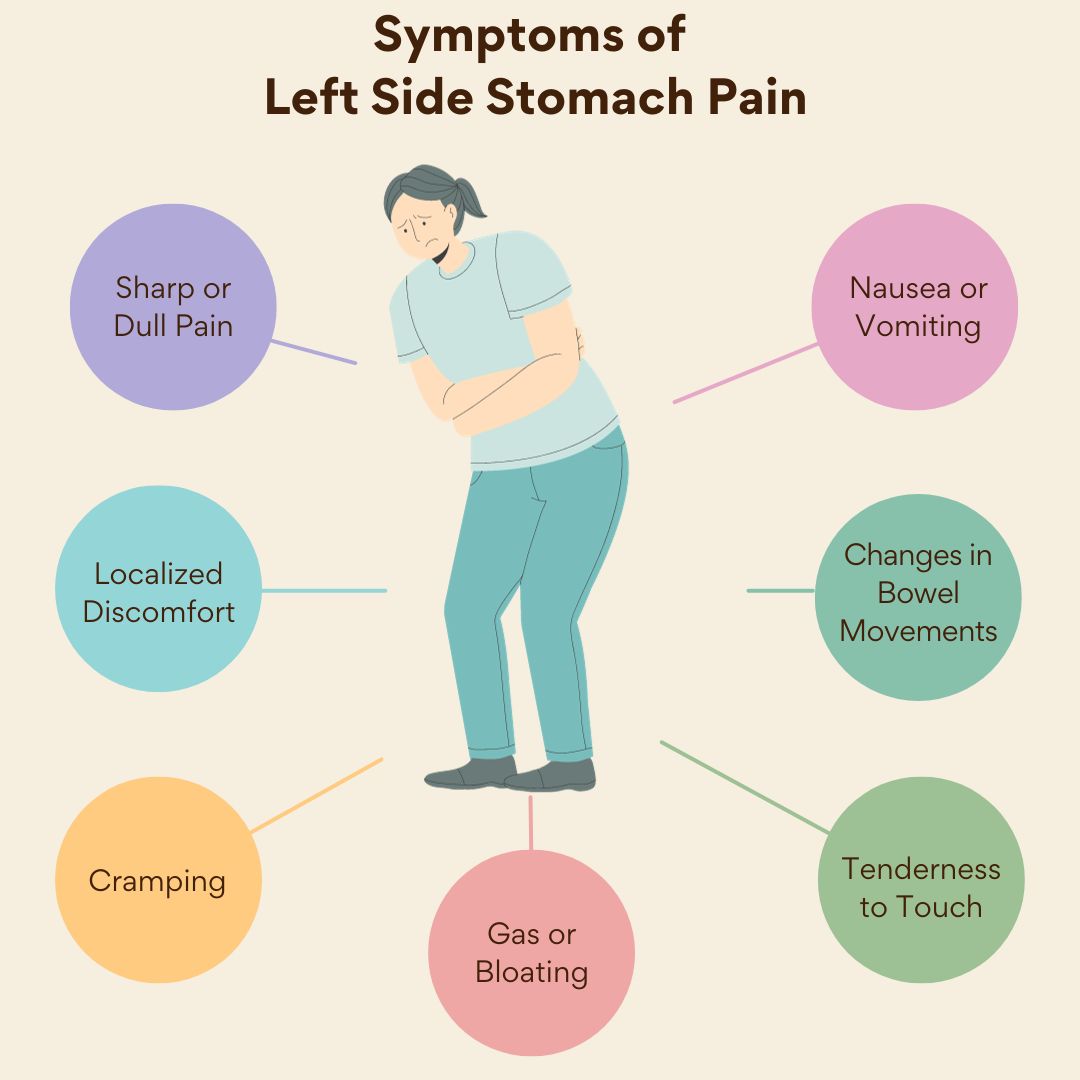
Before understanding why your left side hurts, it helps to know exactly what is located there.
Your left side contains a complex network of organs and structures. Pain in this region could originate from any one of them — or even from somewhere else entirely through what doctors call referred pain.
| Region | Organs Located There |
|---|---|
| Upper Left | Heart, left lung, spleen, stomach, pancreas (tail), left kidney |
| Lower Left | Large intestine (descending colon), sigmoid colon, left ovary (women), left ureter |
| Left Flank | Left kidney, left adrenal gland, muscles, nerves |
| Chest Left | Heart, left lung, ribs, pericardium, pleura |
Understanding the anatomy is step one. The location and character of your pain — sharp, dull, cramping, burning — often tells doctors which organ system is involved.
Common Causes of Left Side Pain
Gas and Indigestion
Gas is one of the most frequent reasons why the left side hurts. Trapped air in the descending colon on the left side of your abdomen can create sharp, stabbing pain that moves around.
It usually resolves on its own within minutes to hours. Eating slowly, avoiding carbonated drinks, and taking an over-the-counter antiflatulent like simethicone can provide fast relief.
Muscle Strain
Overworking your core, sudden twisting, heavy lifting, or even a bad cough can strain the muscles along your left side. The pain is usually localized, tender to touch, and worsens with movement.
Muscle strain pain typically improves with rest, ice, and over-the-counter pain relievers like ibuprofen. Most strains heal within one to two weeks without any medical intervention.
Constipation
When stool builds up in your colon, it creates pressure and pain — particularly on the lower left side where the sigmoid colon sits. The pain may feel crampy and come and go.
Staying hydrated, eating more fiber-rich foods, and gentle physical activity can help move things along. If constipation lasts more than a week, consult your doctor.
Diverticulitis
Diverticulitis is one of the most common causes of lower left side pain, especially in adults over 40. It occurs when small pouches (diverticula) in the colon wall become inflamed or infected.
The pain is usually persistent, sometimes severe, and often accompanied by fever, nausea, and changes in bowel habits. Treatment typically involves antibiotics, a liquid diet, and in severe cases, surgery.
Kidney Stones
Kidney stones cause some of the most intense pain a human being can experience. When a stone on the left side begins to move through the ureter, it triggers sharp, cramping waves of pain that radiate from the flank down to the lower abdomen and groin.
The pain often comes in waves and may be accompanied by nausea, vomiting, and blood in the urine. Small stones often pass on their own with hydration and pain medication, while larger ones may require medical procedures.
Kidney Infection (Pyelonephritis)
A kidney infection is a serious bacterial condition that affects one or both kidneys. When the left kidney is affected, you feel a dull to severe aching pain in the left flank, often accompanied by fever, chills, and painful urination.
Kidney infections require prompt antibiotic treatment. Left untreated, they can progress to sepsis, which is life-threatening.
Irritable Bowel Syndrome (IBS)
IBS is a chronic gastrointestinal disorder affecting the large intestine. It causes cramping, bloating, and alternating bouts of diarrhea and constipation — and the pain frequently presents on the left side.
IBS is triggered by certain foods, stress, and hormonal changes. Management includes dietary modifications, stress reduction, and in some cases, prescription medication.
Gastritis and Stomach Ulcers
Gastritis is inflammation of the stomach lining. Because the stomach sits primarily on the left side of the upper abdomen, gastritis causes upper left pain that often feels burning or gnawing.
Stomach ulcers — open sores on the stomach lining — cause similar pain that may worsen when the stomach is empty. Common causes include H. pylori bacterial infection and overuse of NSAIDs like aspirin or ibuprofen.
Pancreatitis
Pancreatitis is inflammation of the pancreas, which stretches across the upper left abdomen. The pain is intense, constant, and often radiates to the back — it is one of the most severe abdominal pains a person can experience.
Acute pancreatitis usually requires hospitalization for IV fluids, pain control, and bowel rest. Chronic pancreatitis develops over time and is often linked to alcohol use or gallstones.
Enlarged or Ruptured Spleen
The spleen is tucked under the left rib cage and filters your blood. An enlarged spleen (splenomegaly) from infections like mononucleosis, leukemia, or liver disease causes a dull, aching pain in the upper left abdomen.
A ruptured spleen is a medical emergency. It causes sudden, severe left-side pain, dizziness, rapid heartbeat, and signs of shock. Call emergency services immediately if a rupture is suspected.
Heart Attack and Cardiac Conditions
Left-side chest pain should never be dismissed as nothing. A heart attack can cause pain, pressure, or squeezing in the left chest that radiates to the left arm, jaw, neck, and back.
Other cardiac conditions causing left side discomfort include pericarditis (inflammation of the heart sac) and angina. Any chest pain accompanied by shortness of breath, sweating, or nausea is a 911 emergency.
Pulmonary Embolism and Pleurisy
A pulmonary embolism is a blood clot in the lung — it causes sudden sharp pain on the affected side (often left), shortness of breath, and rapid heart rate. It is life-threatening and demands immediate emergency care.
Pleurisy is inflammation of the lung lining. It causes sharp, stabbing left-side pain that worsens dramatically when you breathe deeply or cough. Both conditions require urgent medical evaluation.
Ectopic Pregnancy
In women of reproductive age, a sharp, sudden pain on the left lower side could signal an ectopic pregnancy — where a fertilized egg implants in the fallopian tube rather than the uterus.
This is a life-threatening emergency. It requires immediate surgery. Warning signs include severe one-sided pelvic pain, vaginal bleeding, and dizziness.
Ovarian Cysts and Endometriosis
Ovarian cysts are fluid-filled sacs on the ovaries that are usually harmless but can cause left-side pelvic pain when they grow large or rupture. A ruptured cyst causes sudden, severe pain that needs immediate medical attention.
Endometriosis occurs when uterine tissue grows outside the uterus, causing chronic left-side pain, particularly during menstruation. Treatment options include hormonal therapy and surgery.
Sciatica and Nerve Pain
Sciatica originates from the sciatic nerve in the lower spine and can cause shooting, burning, or tingling pain that travels down the left side of the back, buttock, and leg.
A herniated disc is the most common cause. Treatment includes physical therapy, anti-inflammatory medications, and in severe cases, surgery.
Costochondritis
Costochondritis is inflammation of the cartilage connecting your ribs to your breastbone. It produces sharp chest and left-side pain that worsens when you press on it or breathe deeply.
It is usually caused by physical strain or a viral infection. Rest, NSAIDs, and warm compresses are typically sufficient for recovery.
Upper Left Side Pain vs Lower Left Side Pain
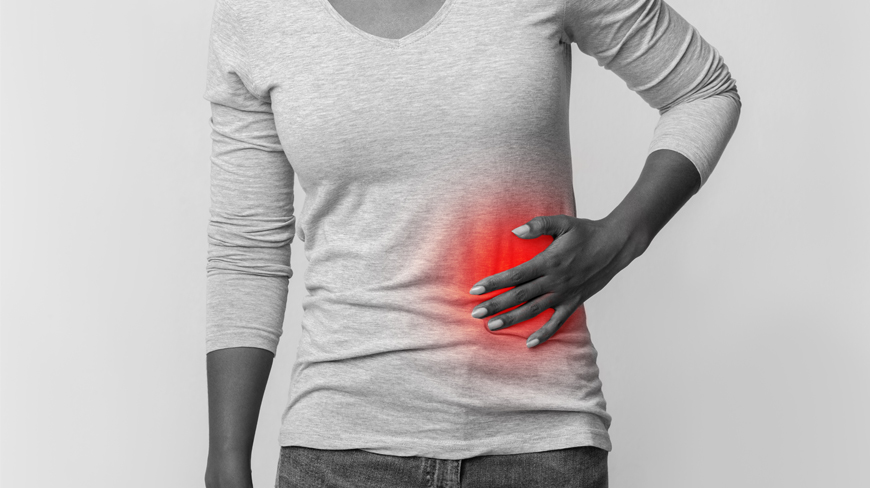
The location of your pain matters significantly for diagnosis. Doctors divide the abdomen into quadrants and use pain location as a major diagnostic clue.
| Pain Location | Most Likely Causes |
|---|---|
| Upper left abdomen | Gastritis, pancreatitis, spleen problems, kidney stones, heart conditions |
| Lower left abdomen | Diverticulitis, IBS, constipation, ovarian cysts, ectopic pregnancy, colon issues |
| Left flank (side/back) | Kidney stones, kidney infection, muscle strain |
| Left chest | Heart attack, pleurisy, pericarditis, pulmonary embolism, costochondritis |
| Left lower pelvis (women) | Ovarian cysts, endometriosis, ectopic pregnancy, menstrual cramps |
Types of Left Side Pain: What the Character Tells You
Not all pain is the same. How your pain feels gives important diagnostic clues.
| Pain Type | Possible Meaning |
|---|---|
| Sharp, sudden, stabbing | Kidney stone, ruptured cyst, pulmonary embolism, splenic rupture |
| Dull, aching, constant | Kidney infection, pancreatitis, enlarged spleen, IBS |
| Burning or gnawing | Gastritis, peptic ulcer, GERD |
| Cramping, comes and goes | Gas, constipation, diverticulitis, menstrual cramps |
| Radiates to back | Kidney stone, pancreatitis, aortic aneurysm |
| Radiates to arm/jaw | Heart attack — call 911 immediately |
Left Side Pain in Women: Unique Causes
Women have additional reasons why the left side may hurt, specifically related to the reproductive system.
Menstrual cramps affect many women monthly. The pain is crampy, lower in the pelvis, and usually predictable around the menstrual cycle. Over-the-counter ibuprofen and a heat pad provide effective relief for most women.
Ovarian torsion is when the ovary twists on its ligament, cutting off blood supply. It causes sudden, severe, one-sided pelvic pain and is a surgical emergency.
Pelvic inflammatory disease (PID) is an infection of the reproductive organs that causes chronic lower left or right pelvic pain, fever, and unusual discharge. It requires antibiotics and sometimes hospitalization.
Pregnancy-related pain — both from normal ligament stretching and from dangerous ectopic implantation — can present on the left side. Any severe abdominal pain during pregnancy warrants immediate medical attention.
Left Side Pain in Men: Specific Considerations
Men are not exempt from left-side causes that are gender-specific.
Testicular torsion, while usually causing scrotal pain, can refer pain to the lower left abdomen. It is a surgical emergency requiring treatment within six hours.
Prostatitis — inflammation of the prostate — can cause lower pelvic and back pain on either side. It may also cause painful urination and frequent trips to the bathroom.
Left-sided hernias (inguinal hernias) are more common in men and can cause a visible lump and aching pain in the lower left abdomen, especially when lifting or straining.
Referred Pain: When the Source Is Somewhere Else
Referred pain is when you feel discomfort in one area of the body but the actual problem is elsewhere. The left side is particularly prone to referred pain.
A heart attack can be felt in the left abdomen, not just the chest. Pancreatitis typically starts centrally but radiates strongly to the left back. A left lung infection can cause left-side abdominal pain by inflaming the diaphragm. Recognizing referred pain prevents people from dismissing serious conditions as simple stomach aches.
Red Flags: When Left Side Pain Is an Emergency
Some symptoms alongside left-side pain are red flags that demand immediate emergency care.
| Emergency Symptom | What It May Indicate |
|---|---|
| Chest pain or pressure | Heart attack, pulmonary embolism |
| Shortness of breath | Heart attack, pulmonary embolism, pleurisy |
| Pain radiating to left arm or jaw | Heart attack — call 911 now |
| Sudden, severe abdominal pain | Ruptured spleen, ruptured aortic aneurysm |
| High fever with abdominal pain | Kidney infection, diverticulitis, appendicitis |
| Vomiting blood or black stools | Peptic ulcer, internal bleeding |
| Blood in urine | Kidney stones, kidney infection, cancer |
| Dizziness, rapid heartbeat, pale skin | Internal bleeding, shock |
| Sudden pain after left-side injury | Ruptured spleen |
| Severe one-sided pelvic pain in women | Ectopic pregnancy, ovarian torsion |
Do not wait. If you experience any combination of the above with left-side pain, call emergency services immediately.
Home Remedies and Relief for Mild Left Side Pain
When your left-side pain is mild, manageable, and not accompanied by any red flag symptoms, there are several evidence-based home remedies that can help.
Heat Therapy Applying a warm compress or heating pad to the painful area relaxes muscle spasms, eases cramping, and increases blood flow. Use for 15 to 20 minutes at a time for best results.
Hydration Drinking adequate water is especially helpful for kidney stone pain, constipation-related pain, and IBS. Aim for at least 8 glasses of water per day.
Dietary Changes Avoiding gas-producing foods like beans, broccoli, and carbonated drinks reduces bloating and abdominal cramping. A low-FODMAP diet is particularly effective for IBS sufferers.
Gentle Movement Light walking, yoga, or stretching improves intestinal motility, relieves gas, and reduces the frequency of cramping. Avoid strenuous activity if the cause is unknown.
Over-the-Counter Medications Antacids and proton pump inhibitors help with gastritis and ulcer-related pain. Simethicone relieves gas. Ibuprofen addresses muscle pain and inflammation. Always follow dosing instructions.
Stress Management High stress worsens IBS, gastritis, and many other left-side pain conditions. Deep breathing, meditation, and mindfulness are proven tools to reduce gastrointestinal discomfort.
BRAT Diet If your pain is related to an upset stomach or stomach flu, the BRAT diet — bananas, rice, applesauce, and toast — is gentle on the digestive system and helps recovery.
How Doctors Diagnose Left Side Pain
Diagnosing left-side pain involves a systematic approach combining clinical history, physical examination, and targeted testing.
Your doctor will ask about the location, duration, character, and intensity of your pain, as well as associated symptoms. They will press on different areas of your abdomen to check for tenderness and organ enlargement.
Common diagnostic tests include:
Blood Tests — Check for infection, inflammation (elevated white blood cell count), anemia, and kidney or liver function abnormalities.
Urine Tests — Detect kidney infection, kidney stones, and blood in the urine.
Ultrasound — First-line imaging to assess the spleen, kidneys, gallbladder, and reproductive organs. Non-invasive and widely available.
CT Scan — Provides detailed cross-sectional images of all abdominal organs. It is the gold standard for diagnosing kidney stones, diverticulitis, and abdominal aortic aneurysms.
Chest X-Ray — Rules out pneumonia, rib fractures, and collapsed lung as sources of left-side pain.
Colonoscopy — Allows direct visualization of the colon to identify diverticula, polyps, inflammation, or tumors.
ECG (Electrocardiogram) — Essential for ruling out heart-related causes of left chest pain.
Treatment Options Based on the Cause
Treatment varies enormously depending on what is actually causing your left-side pain. There is no single solution.
| Cause | Treatment Approach |
|---|---|
| Gas/Indigestion | Simethicone, dietary changes, gentle movement |
| Muscle Strain | Rest, ice, NSAIDs, physiotherapy |
| Kidney Stones | Hydration, pain relief, lithotripsy, surgery for large stones |
| Kidney Infection | Antibiotics (oral or IV), hydration |
| Diverticulitis | Antibiotics, liquid diet, surgery for severe cases |
| Gastritis/Ulcer | Antacids, PPIs, antibiotics for H. pylori, dietary changes |
| IBS | Low-FODMAP diet, stress management, medications |
| Pancreatitis | Hospitalization, IV fluids, bowel rest, pain control |
| Ovarian Cysts | Observation, pain relief, surgery if ruptured or large |
| Ectopic Pregnancy | Emergency surgery |
| Heart Attack | Emergency care — call 911, aspirin, stenting |
| Ruptured Spleen | Emergency surgery |
| Pleurisy | Anti-inflammatories, antibiotics if infection |
| Costochondritis | Rest, NSAIDs, warm compresses |
Prevention: Reducing Your Risk of Left Side Pain
Many of the most common causes of left-side pain are preventable through consistent lifestyle habits.
Eating a high-fiber diet reduces your risk of diverticulitis, constipation, and IBS. The recommended daily fiber intake is 25g for women and 38g for men. Staying well-hydrated — especially with water rather than sugary or carbonated drinks — keeps kidneys healthy and reduces stone formation.
Regular physical activity supports intestinal motility, reduces bloating, maintains a healthy body weight, and strengthens core muscles. Even 30 minutes of walking daily makes a measurable difference.
Limiting alcohol and avoiding smoking reduce the risk of pancreatitis, gastritis, peptic ulcers, and heart disease. Reducing NSAID use (like ibuprofen and aspirin) protects the stomach lining from ulcer formation.
Managing stress through meditation, breathing exercises, therapy, or yoga directly reduces the severity and frequency of IBS, gastritis, and other stress-sensitive digestive conditions.
Getting regular health screenings — including colonoscopies after age 45, blood pressure checks, and kidney function tests — allows early detection of conditions before they cause serious or severe pain.
Frequently Asked Questions (FAQs)
Q1. Why does my left side hurt when I breathe?
Pain on the left side that worsens with breathing is often caused by pleurisy, a rib injury, or costochondritis. It could also signal a pulmonary embolism, which is a medical emergency requiring immediate care.
Q2. Why does my lower left side hurt?
Lower left abdominal pain is most commonly caused by diverticulitis, IBS, constipation, or gas. In women, it may also indicate an ovarian cyst, endometriosis, or an ectopic pregnancy.
Q3. Can gas cause sharp pain on the left side?
Yes, trapped gas in the descending colon frequently causes sharp, stabbing pain on the left side. It usually passes quickly and can be relieved with movement, antiflatulents, or gentle abdominal massage.
Q4. Is left side pain a sign of a heart attack?
It can be. Left-sided chest pain or pressure — especially if it radiates to the arm, jaw, or back and comes with sweating or shortness of breath — is a potential heart attack sign and requires calling 911 immediately.
Q5. Why does my left flank hurt?
Pain in the left flank (the area between the ribs and hip on the side) is most often caused by a kidney stone, kidney infection, or muscle strain. A doctor should evaluate persistent or severe flank pain promptly.
Q6. What causes upper left abdominal pain after eating?
Upper left pain after eating is commonly caused by gastritis, a peptic ulcer, or pancreatitis. Spleen enlargement pressing on the stomach can also cause fullness and discomfort right after small meals.
Q7. Why does my left side hurt during pregnancy?
Mild left-side pain during pregnancy can result from round ligament stretching as the uterus grows. However, severe or sudden pain on the left side during pregnancy always warrants immediate medical evaluation to rule out ectopic pregnancy or placental issues.
Q8. Can stress cause left side pain?
Yes. Stress is a well-established trigger for IBS, gastritis, and acid reflux — all of which produce left-side abdominal pain. Chronic stress also worsens inflammation throughout the body, amplifying existing pain conditions.
Q9. When should I go to the ER for left side pain?
Go to the ER immediately if your left-side pain is sudden and severe, accompanied by chest pain, radiates to the arm or jaw, comes with fever and vomiting, or follows a physical injury to the left side of your body.
Q10. What home remedies help with left side pain?
Heat therapy, hydration, gentle walking, antacids, and dietary changes (like reducing gas-forming foods) are effective for mild causes. If pain persists beyond 48 hours or worsens, always consult a healthcare professional.
Conclusion
Why does my left side hurt is a question that deserves a careful, honest answer — because the causes range from completely harmless gas to immediately life-threatening heart attacks and ruptured spleens.
The location, character, and accompanying symptoms of your pain are the most important clues in understanding what is happening inside your body.
Never dismiss persistent, worsening, or severe left-side pain. The emergency red flags outlined in this guide — chest pain, radiating arm pain, sudden severe abdominal pain, high fever, blood in stool or urine, and dizziness — should send you straight to the emergency room without hesitation.
