

Why does my back hurt when I wake up is one of the most searched health questions in 2026, and for good reason — millions of people start their day in pain.
Morning back pain can range from a dull ache to sharp stiffness that makes getting out of bed feel like a challenge.
What Is Morning Back Pain and Why Is It So Common?
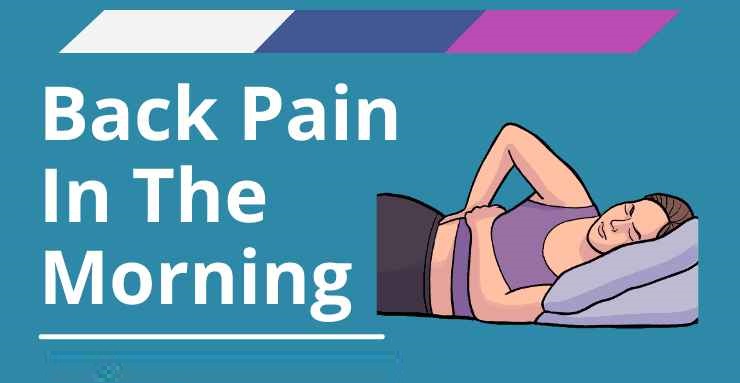
Morning back pain is any discomfort, stiffness, or aching in the lower, middle, or upper back that you feel right after waking up. It may ease after you start moving, or it may linger all day.
More than 80% of adults experience lower back pain at some point in their lives. It is the second most common reason people visit a primary care provider in the US, behind only colds and the flu.
The morning is actually the most vulnerable time for your spine. After hours of being still in one position, your muscles tighten, your discs absorb fluid and swell slightly, and your joints get stiff. All of that combines to create the familiar ache you feel when you first open your eyes.
Top Causes: Why Does My Back Hurt When I Wake Up?
There is no single answer to why your back hurts in the morning. Here are all the major causes, from the most common to the less obvious.
1. Poor Sleeping Position
The way you sleep has a direct impact on your spine. If your sleeping position does not keep your spine in a neutral, natural curve, your muscles and ligaments will be under strain for the entire night.
Stomach sleeping is the worst position for your back. It forces your lower back into an unnatural arch and twists your neck sideways, putting pressure on the lumbar spine for hours. Many people wake up stiff and sore after sleeping this way without realizing the connection.
Back sleepers and side sleepers can also develop morning back pain if they do not use proper pillow support. Without a pillow under the knees for back sleepers or between the knees for side sleepers, spinal alignment breaks down throughout the night.
2. A Bad or Worn-Out Mattress
Your mattress is the foundation of your spinal health during sleep. A mattress that is too soft lets your hips sink too deep, throwing your spine out of alignment. A mattress that is too firm creates pressure points at your hips and shoulders.
Most mattresses have a lifespan of 7 to 10 years. If yours is older than that, or if it has visible sagging, dips, or loss of support, it is likely contributing to your morning back pain. A medium-firm mattress, around a 6 out of 10 on the firmness scale, is the most widely recommended choice for back pain.
You can do a quick test — if you wake up in pain at home but feel fine after sleeping in a hotel or someone else’s bed, your mattress is most likely the problem.
3. Muscle Stiffness from Prolonged Inactivity
When you sleep, your body stays still for 7 to 9 hours. That extended period of inactivity allows muscles to tighten, joints to stiffen, and inflammation to build up overnight. When you then try to move suddenly in the morning, releasing that built-up stiffness can be painful.
This is especially pronounced if you were sedentary the day before — sitting at a desk all day before going to bed compounds the stiffness your body experiences during sleep. Regular movement throughout the day and gentle stretching before bed can help prevent this buildup.
4. Muscle Strain from Activity or Exercise
If you worked out the night before, especially with exercises targeting the lower back like deadlifts, running, or core work, you may wake up with delayed-onset muscle soreness (DOMS). This type of soreness typically sets in 12 to 24 hours after intense or unfamiliar exercise.
DOMS in the lower back can feel especially intense in the morning after hours of inactivity. It is a normal part of muscle recovery and usually resolves within 48 to 72 hours. Staying hydrated, getting adequate sleep, and doing gentle morning stretches can help speed up recovery.
5. Herniated or Bulging Disc
A herniated disc is one of the most common medical causes of morning back pain. It occurs when the gel-like core of a spinal disc pushes through a crack in its tough outer layer, pressing on nearby nerves.
Herniated discs often hurt more in the morning because of what happens while you sleep. During prolonged inactivity, the spinal discs reabsorb fluid and swell slightly. This swelling increases the pressure the disc places on the surrounding nerves, causing stiffness and pain that is most pronounced when you first wake up.
Herniated disc pain may also radiate down your legs, cause numbness, or create a tingling sensation — symptoms that often worsen in the morning.
6. Degenerative Disc Disease (DDD)
Degenerative disc disease is an age-related condition in which the spinal discs gradually lose their hydration, height, and flexibility. As discs thin out, they lose their cushioning ability, causing the vertebrae to get closer together and increasing joint stress.
DDD is extremely common. Spinal arthritis related to disc degeneration affects up to 95% of people aged 60 and older. The stiffness it causes is most noticeable in the morning, when the discs have had hours to compress and dehydrate further overnight.
The pain from DDD typically loosens up as the day goes on and you move around, which is a hallmark sign that distinguishes it from other causes.
7. Spinal Stenosis
Spinal stenosis is the narrowing of the spaces within the spine, which puts pressure on the nerves that travel through the spinal canal. It can affect the cervical (neck), thoracic (mid-back), or lumbar (lower back) spine.
This condition tends to worsen during prolonged periods of lying still, because certain sleep positions can increase the compression on already narrowed nerve pathways. Morning pain, numbness, and tingling that radiates down the arms or legs can all be symptoms.
8. Inflammatory Back Pain (IBP)
Inflammatory back pain behaves differently from mechanical back pain. With IBP, the pain is often worse during the second half of the night and in the early morning. It tends to improve with movement but gets worse with prolonged rest — the opposite of most other types of back pain.
Conditions like ankylosing spondylitis, a type of inflammatory arthritis affecting the spine, are common causes of IBP. Unlike regular morning stiffness that clears up quickly after movement, IBP-related pain can last more than 30 minutes after waking.
9. Fibromyalgia
Fibromyalgia is a chronic disorder that causes widespread muscle pain, tenderness, and fatigue throughout the body. Morning stiffness and back pain are among its most common symptoms, and they are usually linked to poor sleep quality that the condition itself causes.
People with fibromyalgia often report that their pain is most intense first thing in the morning. This is believed to be because fibromyalgia disrupts deep sleep stages, preventing the restorative rest that muscles need to recover overnight.
10. Pregnancy-Related Back Pain
Back pain while sleeping is very common during pregnancy, particularly in the second and third trimesters. As the baby grows, the center of gravity shifts forward, increasing the curvature of the lower back and putting more pressure on the lumbar spine.
The hormone relaxin also loosens ligaments in the pelvis in preparation for childbirth, which can reduce spinal stability and cause morning soreness. Side sleeping with a pillow between the knees, and additional pillows under the abdomen and behind the back, can provide significant relief.
11. Wrong Pillow Height or Firmness
Most people focus on their mattress but overlook their pillow. A pillow that is too high or too flat disrupts the alignment between your neck and the rest of your spine, creating tension that radiates into the upper and lower back.
Your pillow should keep your head level with your spine — not tilted up or pushed down. The right pillow height depends on your sleep position and the width of your shoulders. Side sleepers generally need a higher, firmer pillow while back sleepers need a flatter one.
12. Stress and Mental Health Factors

Chronic stress and anxiety are well-established contributors to physical pain, including back pain. Psychological stress increases muscle tension, particularly in the back, neck, and shoulders, and poor mental health is linked to disrupted sleep patterns that leave the body less recovered in the morning.
Research shows that people with depression and anxiety are more likely to experience chronic back pain. Addressing mental health as part of a back pain treatment plan is increasingly recognized as essential.
Summary Table: Causes of Morning Back Pain
| Cause | Type | Who It Affects Most | Key Sign |
|---|---|---|---|
| Poor sleeping position | Lifestyle | All ages | Pain tied to sleep position |
| Worn-out mattress | Lifestyle | All ages | Pain at home, not in hotels |
| Muscle stiffness | Lifestyle | Sedentary individuals | Eases quickly with movement |
| Muscle strain / DOMS | Activity-related | Active people | Appears 12-24 hrs post-exercise |
| Herniated disc | Medical | Adults 30–50 | Radiating leg or arm pain |
| Degenerative disc disease | Medical | Adults 50+ | Stiffness that improves during the day |
| Spinal stenosis | Medical | Older adults | Numbness / tingling in limbs |
| Inflammatory back pain | Medical | Adults 20–40 | Pain worse at night, improves with movement |
| Fibromyalgia | Medical | Adults, often women | Widespread pain, poor sleep |
| Pregnancy | Physiological | Pregnant women | Second/third trimester onset |
| Wrong pillow | Lifestyle | All ages | Neck and upper back stiffness |
| Stress / anxiety | Psychological | All ages | Worsens with life stress |
Best Sleeping Positions for Back Pain Relief
The right sleep position can dramatically reduce morning back pain. Here is what works best depending on where your back hurts.
Side Sleeping With a Pillow Between Your Knees
This is the most widely recommended position for back pain. Lying on your side with your knees slightly bent and a firm pillow between them keeps your spine, hips, and pelvis in alignment.
The pillow between your knees prevents your top leg from pulling your spine out of alignment. Your head pillow should keep your head level with your spine — not tilted up or down. This position is particularly good for lower back pain and hip pain.
Back Sleeping With a Pillow Under Your Knees
Sleeping on your back distributes your body weight evenly, reducing pressure points. Placing a pillow under your knees helps maintain the natural lumbar curve of your lower spine.
If you have significant lower back pain, you can also place a small rolled towel under your lower back for additional support. This position works well for people with herniated discs and degenerative disc disease.
Fetal Position for Herniated Disc
For people with a herniated disc, curling into a gentle fetal position on your side opens up the spaces between the vertebrae and can relieve nerve pressure. Start by lying on your back and gently rolling to one side, then draw your knees slightly toward your chest.
Be sure to switch sides throughout the night to prevent imbalances. Staying on one side exclusively can create hip and shoulder tension.
The Position to Avoid: Stomach Sleeping
Sleeping on your stomach forces your neck to twist sideways and exaggerates the arch in your lower back. This puts unnecessary strain on the lumbar spine for the entire time you are asleep.
If you cannot break the stomach sleeping habit, try placing a thin pillow under your lower abdomen (not your head) to reduce the strain on your lower back.
Mattress and Pillow Guide for Morning Back Pain
| Item | Recommendation | Warning Signs It Needs Replacing |
|---|---|---|
| Mattress | Medium-firm (6/10 firmness) | Sagging, visible dips, older than 8 years |
| Pillow for back sleepers | Low to medium height, memory foam | Flat, lumpy, or no longer supportive |
| Pillow for side sleepers | Higher and firmer | Collapsed shape, neck pain after sleeping |
| Knee pillow | Firm, cylindrical | Any discomfort in hips or lower back |
10 Tips to Stop Waking Up With Back Pain
These are the most effective, evidence-backed strategies to reduce and eliminate morning back pain.
Tip 1: Stretch Before You Even Get Out of Bed
Do not jump straight out of bed when you wake up. Spend two to three minutes doing gentle stretches while still lying down. Bring one knee to your chest, hold for three seconds, then switch. Pull both knees to your chest together and rock gently side to side.
This gradually loosens the muscles and joints before you ask your spine to bear weight. It is one of the most impactful changes you can make.
Tip 2: Get Out of Bed the Right Way
Most people heave themselves upright using their back muscles alone. Instead, roll onto your side first, then use your arms to push yourself to a sitting position. Let your legs drop off the edge of the bed and use your leg strength — not your back — to stand.
This technique dramatically reduces the spinal load during the vulnerable transition from lying to standing.
Tip 3: Use Heat in the Morning
Applying a heating pad or taking a warm shower first thing in the morning relaxes tight muscles and increases blood flow to the back. Heat therapy is particularly effective for stiffness because it reduces muscle tension and improves flexibility.
Use a heating pad that is safe for bed use and has an auto-shutoff. Keep a layer of fabric between the pad and your skin to avoid burns.
Tip 4: Evaluate and Upgrade Your Mattress
If your mattress is older than 8 years or shows signs of sagging, replacing it should be a priority. Studies show that a medium-firm mattress can reduce back pain symptoms by nearly half in chronic back pain sufferers.
When shopping for a new mattress, look for one that supports the natural curves of your spine without creating excessive pressure at the hips and shoulders.
Tip 5: Adjust Your Sleep Position With Pillows

You do not need to completely change how you sleep. Small adjustments using pillows can make a major difference. Back sleepers should add a pillow under their knees. Side sleepers should add a pillow between their knees. Stomach sleepers should try a pillow under the lower abdomen.
Placing a body pillow along your back when side sleeping can help prevent you from rolling onto your stomach during the night.
Tip 6: Stay Active During the Day
A sedentary daytime routine significantly increases morning stiffness. Regular movement throughout the day keeps the muscles, joints, and discs of your spine lubricated and supple. Aim for at least 30 minutes of moderate activity daily — walking is excellent for spinal health.
Strong core muscles also provide better spinal support during sleep, reducing overnight strain. Exercises like planks, bird-dogs, and pelvic tilts are among the best for building the core strength that protects your back.
Tip 7: Stretch and Strengthen Your Back Regularly
Beyond morning stretching, a consistent routine of back-strengthening and flexibility exercises can address the root cause of morning pain. Focus on the lower back, hip flexors, hamstrings, and core.
Yoga and Pilates are particularly effective because they combine flexibility, strength, and body awareness. Even 10 to 15 minutes of targeted stretching before bed can reduce overnight stiffness.
Tip 8: Try Over-the-Counter Pain Relief
For acute morning back pain, NSAIDs such as ibuprofen help reduce inflammation and prevent it from worsening throughout the morning. Acetaminophen can reduce pain but does not address inflammation.
Use OTC medications as a short-term bridge, not a long-term solution. If you are relying on painkillers most mornings, that is a signal to address the underlying cause.
Tip 9: Manage Stress and Improve Sleep Quality
Chronic stress worsens back pain by increasing muscle tension and disrupting sleep quality. Establishing a consistent bedtime routine, limiting screen time before sleep, and practicing relaxation techniques such as deep breathing or meditation can all improve sleep and reduce morning pain.
Better sleep means better overnight muscle recovery, less inflammation buildup, and less stiffness upon waking.
Tip 10: See a Doctor or Physical Therapist
If your morning back pain has lasted more than two to three weeks, is getting worse, or includes symptoms like leg numbness, tingling, or weakness, it is time to seek professional help. A doctor can rule out serious conditions and recommend imaging like X-rays or MRI if needed.
Physical therapy is highly effective for morning back pain. A physio can assess your posture, core strength, and sleep ergonomics, then build a customized plan with targeted exercises and manual therapy to address the root cause.
When to See a Doctor Immediately
Most morning back pain is not an emergency, but some symptoms require prompt medical attention.
| Symptom | Why It Matters |
|---|---|
| Back pain with leg weakness | Could indicate nerve compression or cauda equina syndrome |
| Numbness or tingling down the legs | Sign of nerve involvement, possible herniated disc or stenosis |
| Loss of bladder or bowel control | Medical emergency — see a doctor immediately |
| Fever with back pain | Could indicate a spinal infection |
| Back pain after a fall or injury | Possible fracture |
| Pain that wakes you up at night | Could indicate inflammatory disease or tumor |
| Chronic pain lasting more than 3 months | Needs professional evaluation and possible imaging |
Morning Back Pain by Age Group
Back pain in the morning affects people differently depending on age. Understanding what is most common for your age group helps narrow down the likely cause.
Back Pain in Your 20s and 30s
Muscle strain from exercise, poor sleep posture, and an unsupportive mattress are the most common culprits in younger adults. Inflammatory back pain conditions like ankylosing spondylitis often first appear in the 20s and 30s, making it important not to dismiss chronic morning stiffness in young adults.
Back Pain in Your 40s and 50s
Disc-related issues become more common in middle age. Herniated discs and early degenerative disc disease are frequent causes of morning back pain in this age group. Weight management, core strengthening, and ergonomic improvements become especially important.
Back Pain in Your 60s and Beyond
Degenerative disc disease, spinal stenosis, and osteoarthritis are the dominant causes in older adults. Spinal arthritis affects up to 95% of people over 60. Regular low-impact exercise, appropriate mattress support, and medical management become increasingly important strategies.
Morning Back Stretches That Actually Help

These are the most effective stretches to do right after waking up, before you even get out of bed.
Knee-to-Chest Stretch
Lie flat on your back. Slowly bring one knee toward your chest and hold it gently with both hands for 20 to 30 seconds. Feel the stretch in your lower back and glutes. Switch legs and repeat. Then bring both knees to your chest simultaneously and rock gently side to side.
This stretch decompresses the lumbar spine and relieves pressure built up overnight.
Cat-Cow Stretch
Get onto your hands and knees on the bed or on the floor. Inhale and let your stomach drop toward the floor, lifting your head and tailbone (cow position). Exhale and round your spine upward toward the ceiling, tucking your chin to your chest (cat position). Alternate slowly for 10 repetitions.
Cat-cow gently mobilizes the entire spine and is one of the best stretches for general morning stiffness.
Pelvic Tilt
Lie on your back with your knees bent and feet flat. Gently flatten your lower back against the mattress by tightening your abdominal muscles, hold for five seconds, then relax. Repeat 10 times.
This activates the core muscles that support the spine and is particularly helpful for lower back pain caused by an exaggerated lumbar curve.
Seated Forward Fold
Once you are sitting on the edge of the bed, extend your legs slightly and gently lean forward with your hands reaching toward your feet. Do not force the stretch — just go as far as is comfortable. Hold for 20 to 30 seconds.
This stretches the hamstrings and lower back, both of which contribute significantly to morning back stiffness.
Lifestyle Habits That Worsen Morning Back Pain
Several everyday habits contribute to back pain that shows up when you wake up. Identifying and changing them is often as effective as any medical treatment.
Sitting for long hours without movement during the day allows the muscles supporting your spine to weaken and tighten, making morning stiffness worse. Getting up and walking for a few minutes every 30 to 45 minutes makes a meaningful difference.
Smoking impairs blood circulation to the spinal discs, accelerating their degeneration and increasing the risk of disc-related back pain. Smokers have higher rates of degenerative disc disease than non-smokers.
Being overweight, particularly carrying excess weight around the abdomen, shifts the center of gravity forward and puts chronic stress on the lower back. Even modest weight loss reduces spinal load significantly.
Poor daytime posture contributes directly to nighttime back pain. If you slouch at a desk all day, your spine carries that tension into the night.
Frequently Asked Questions (FAQs)
Q1. Why does my back hurt every morning when I wake up?
Morning back pain is usually caused by a combination of sleep position, mattress quality, and muscle stiffness from hours of inactivity. If it happens regularly, an underlying condition like a herniated disc or degenerative disc disease could be the cause.
Q2. Why does my lower back hurt after sleeping, even on a good mattress?
Even a good mattress may not fix poor sleep position. If you sleep on your stomach or fail to use proper pillow support, your spine can still be misaligned for hours. Try adding a pillow under your knees or between your knees depending on your sleep position.
Q3. Is it normal for back pain to be worse in the morning and better later in the day?
Yes, this is very common and usually indicates that stiffness and inflammation built up overnight are being released as you move. However, if the pain takes more than 30 minutes to improve, it may signal an inflammatory condition like ankylosing spondylitis.
Q4. What sleeping position is best to prevent morning back pain?
Side sleeping with a firm pillow between your knees is generally the most recommended position. Back sleeping with a pillow under your knees is the second-best option. Stomach sleeping is the worst position for your spine and should be avoided.
Q5. Can my pillow cause lower back pain in the morning?
Yes, a pillow that is too high or too flat disrupts spinal alignment from the neck all the way down to the lower back. Replace your pillow if it has lost its shape, feels flat, or is older than 1 to 2 years.
Q6. How do I know if my morning back pain is caused by my mattress?
If your back pain is better when you sleep in a different bed — at a hotel or a friend’s house — your mattress is likely the cause. Also look for visible sagging or dips in your mattress. Mattresses should be replaced every 7 to 10 years.
Q7. Can stress and anxiety cause morning back pain?
Yes, chronic stress increases muscle tension throughout the body, particularly in the back and neck. It also disrupts deep sleep stages, preventing the overnight muscle recovery that your spine needs. Managing stress is a valid and important part of treating back pain.
Q8. When should I see a doctor about morning back pain?
See a doctor if your pain has lasted more than 2 to 3 weeks, is getting worse, or comes with leg numbness, weakness, or tingling. Seek emergency care immediately if you experience loss of bladder or bowel control alongside back pain.
Q9. Do morning back stretches actually help?
Yes, gentle stretching before getting out of bed significantly reduces morning stiffness by warming up the muscles and decompressing the spine. Knee-to-chest stretches, pelvic tilts, and cat-cow are among the most effective options.
Q10. Can morning back pain be a sign of something serious?
Most morning back pain is benign and related to sleep habits or muscle stiffness. However, pain accompanied by fever, unexplained weight loss, severe neurological symptoms, or pain that consistently wakes you up at night warrants prompt medical evaluation to rule out serious conditions.
Conclusion
Why does my back hurt when I wake up is a question that deserves a thorough answer, because the solution is almost always within reach.
Whether the cause is a worn-out mattress, a poor sleep position, an underlying disc issue, or a combination of factors, the path to relief starts with understanding what is happening in your body overnight.
Start with the basics — adjust your sleep position, check your mattress age, and add morning stretches to your daily routine.
If your pain persists beyond a few weeks, is getting worse, or comes with nerve symptoms, see a healthcare provider or physical therapist.
Morning back pain is not something you have to accept. With the right adjustments and consistent effort, pain-free mornings are absolutely achievable in 2026.
