

Why do my legs feel heavy is a question millions of people ask every year, and the answer is rarely just tiredness.
That dragging, weighted sensation in your legs — as if they are filled with lead — can signal anything from poor circulation and varicose veins to neurological conditions like multiple sclerosis.
While occasional heavy legs after a long day of standing or a tough workout are completely normal, persistent or worsening heaviness deserves serious attention. In 2026, medical understanding of this symptom has expanded significantly.
What Does It Mean When Your Legs Feel Heavy?

The sensation of heavy legs is medically described as a feeling of increased weight, fullness, or fatigue in the lower limbs that makes walking or standing more difficult than it should be.
It is not the same as true leg weakness, where you physically cannot move the leg. With heavy legs, you can still move — but it requires noticeably more effort than normal.
The feeling is often worst at the end of the day, after prolonged sitting or standing, in warm weather, or during periods of hormonal change such as pregnancy.
Common Causes of Heavy Legs
Heavy legs rarely appear without an underlying reason. Here are the most well-documented causes identified across top medical sources in 2026.
1. Chronic Venous Insufficiency (CVI)
Chronic venous insufficiency is one of the most common reasons legs feel heavy, especially at the end of the day.
It occurs when the tiny valves inside your leg veins fail to close properly, allowing gravity to pull blood backward and pool it in the lower legs.
This pooling creates internal pressure, causing a dull, heavy ache, swelling around the ankles, and a feeling of tightness that worsens as the day progresses.
2. Varicose Veins
Varicose veins are enlarged, twisted veins that develop just beneath the skin surface, most commonly in the legs.
They form when vein walls lose elasticity and valves weaken, causing blood to accumulate rather than return efficiently to the heart.
Up to 73% of people worldwide will develop varicose veins at some point. They occur more frequently in women than men and are closely linked to the heavy, tired, aching feeling in the legs.
3. Peripheral Artery Disease (PAD)
Peripheral artery disease occurs when fatty deposits build up inside the artery walls, narrowing them and restricting blood flow to the legs.
Without adequate blood circulation, the leg muscles receive less oxygen, making them feel tired, crampy, heavy, and achy — especially during walking or physical activity.
More than 8 million people over age 40 in the United States have PAD. Smoking, diabetes, high blood pressure, and high cholesterol are the leading risk factors.
4. Deep Vein Thrombosis (DVT)
Deep vein thrombosis is a blood clot that forms inside a deep vein in the leg, obstructing blood flow and causing pressure to build rapidly.
DVT causes sudden leg heaviness, swelling, warmth, redness, and pain — often in one leg only. It is a medical emergency because the clot can travel to the lungs.
If you develop sudden, severe leg heaviness with visible swelling and warmth in one leg, seek emergency care immediately.
5. Restless Legs Syndrome (RLS)
Restless legs syndrome causes uncomfortable sensations in the legs — described as aching, throbbing, crawling, or an irresistible urge to move them.
These sensations typically occur at rest, particularly at night, and are temporarily relieved by movement.
RLS has a strong genetic component and is also associated with iron deficiency, pregnancy, kidney disease, and fibromyalgia. Some cases of restless legs are actually triggered by underlying venous insufficiency.
6. Overtraining and Muscle Fatigue
Athletes and people who exercise intensely without adequate recovery time often experience heavy, leaden legs.
When muscles are worked beyond their recovery capacity, they accumulate metabolic waste products such as lactic acid, leading to a heavy, stiff, and sore feeling.
This type of heavy legs typically resolves with rest, proper hydration, and adequate sleep. If it persists despite rest, overtraining syndrome may be the underlying issue.
7. Multiple Sclerosis (MS)
Multiple sclerosis is a chronic autoimmune disease that damages the myelin sheath protecting nerve fibers in the brain and spinal cord.
This nerve damage disrupts signals between the brain and the leg muscles, making the legs feel heavy, weak, fatigued, or difficult to coordinate — even without physical exertion.
Fatigue and heavy legs affect up to 75 to 90 percent of people with MS and are often described as one of the most disabling aspects of the condition.
8. Anemia
Anemia occurs when the body does not have enough healthy red blood cells to carry sufficient oxygen to the muscles and tissues.
Iron deficiency anemia and B12 deficiency anemia are the most common types, and both cause persistent fatigue, weakness, and that characteristic heavy feeling in the limbs.
A simple blood test can diagnose anemia, and treatment with iron or B12 supplementation often resolves the heaviness relatively quickly.
9. Hypothyroidism
An underactive thyroid gland produces insufficient thyroid hormones, which slows down almost every metabolic process in the body.
Hypothyroidism commonly causes generalized muscle weakness, fatigue, fluid retention, and a heavy feeling in the legs — particularly when it goes undiagnosed for extended periods.
A thyroid function blood test (TSH, T3, T4) can confirm hypothyroidism. Treatment with thyroid hormone replacement typically relieves these symptoms.
10. Peripheral Neuropathy
Peripheral neuropathy is nerve damage affecting the peripheral nervous system — the network of nerves outside the brain and spinal cord.
It commonly develops as a complication of diabetes, excessive alcohol use, vitamin deficiencies, infections, or exposure to toxic substances.
Symptoms include leg heaviness, numbness, tingling, burning sensations, and weakness — often beginning in the feet and traveling upward.
11. Obesity and Sedentary Lifestyle
Excess body weight places added pressure on the veins in the pelvis and legs, gradually damaging vein valves and impairing blood return to the heart.
Over time, this leads to blood pooling in the legs, causing chronic heaviness, swelling, and fatigue that worsens throughout the day.
A sedentary lifestyle compounds the problem — without regular muscle movement in the calves, the natural pump that helps push venous blood upward becomes increasingly inefficient.
12. Pregnancy
During pregnancy, the growing uterus compresses the veins in the pelvis, restricting blood return from the legs.
Pregnancy hormones also relax blood vessel walls, increasing the likelihood of varicose veins and the heavy, swollen feeling in the legs.
Leg heaviness during pregnancy typically resolves after delivery but may become a long-term issue if venous insufficiency develops.
13. Dehydration
Inadequate fluid intake causes blood to thicken and circulate less efficiently throughout the body.
This reduced circulation means the leg muscles receive less oxygen and nutrients, leading to cramping, fatigue, and a heavy feeling — particularly during or after physical activity.
Staying well-hydrated is one of the simplest and most immediate ways to reduce leg heaviness related to dehydration.
Causes of Heavy Legs: Quick Reference Table
| Cause | Primary Mechanism | Who Is Most Affected |
|---|---|---|
| Chronic Venous Insufficiency | Faulty vein valves, blood pooling | Adults over 40, women, people who stand long hours |
| Varicose Veins | Weakened vein walls, enlarged veins | Women, pregnant people, older adults |
| Peripheral Artery Disease | Narrowed arteries, reduced blood flow | Smokers, diabetics, people over 50 |
| Deep Vein Thrombosis | Blood clot blocking vein | Post-surgery patients, frequent travelers |
| Restless Legs Syndrome | Neurological, genetic, iron deficiency | Adults, pregnant women, kidney disease patients |
| Overtraining | Muscle fatigue, lactic acid buildup | Athletes, endurance sports participants |
| Multiple Sclerosis | Nerve damage, disrupted muscle signals | Adults aged 20 to 50, women more than men |
| Anemia | Insufficient oxygen delivery to muscles | Women, vegetarians, people with poor nutrition |
| Hypothyroidism | Slow metabolism, fluid retention | Women, adults over 60 |
| Peripheral Neuropathy | Nerve damage, impaired signaling | Diabetics, heavy alcohol users |
| Obesity | Excess pressure on veins | Overweight and obese adults |
| Pregnancy | Uterine compression of pelvic veins | Pregnant women, especially in third trimester |
| Dehydration | Thickened blood, poor circulation | Athletes, people in hot climates |
Symptoms That Accompany Heavy Legs
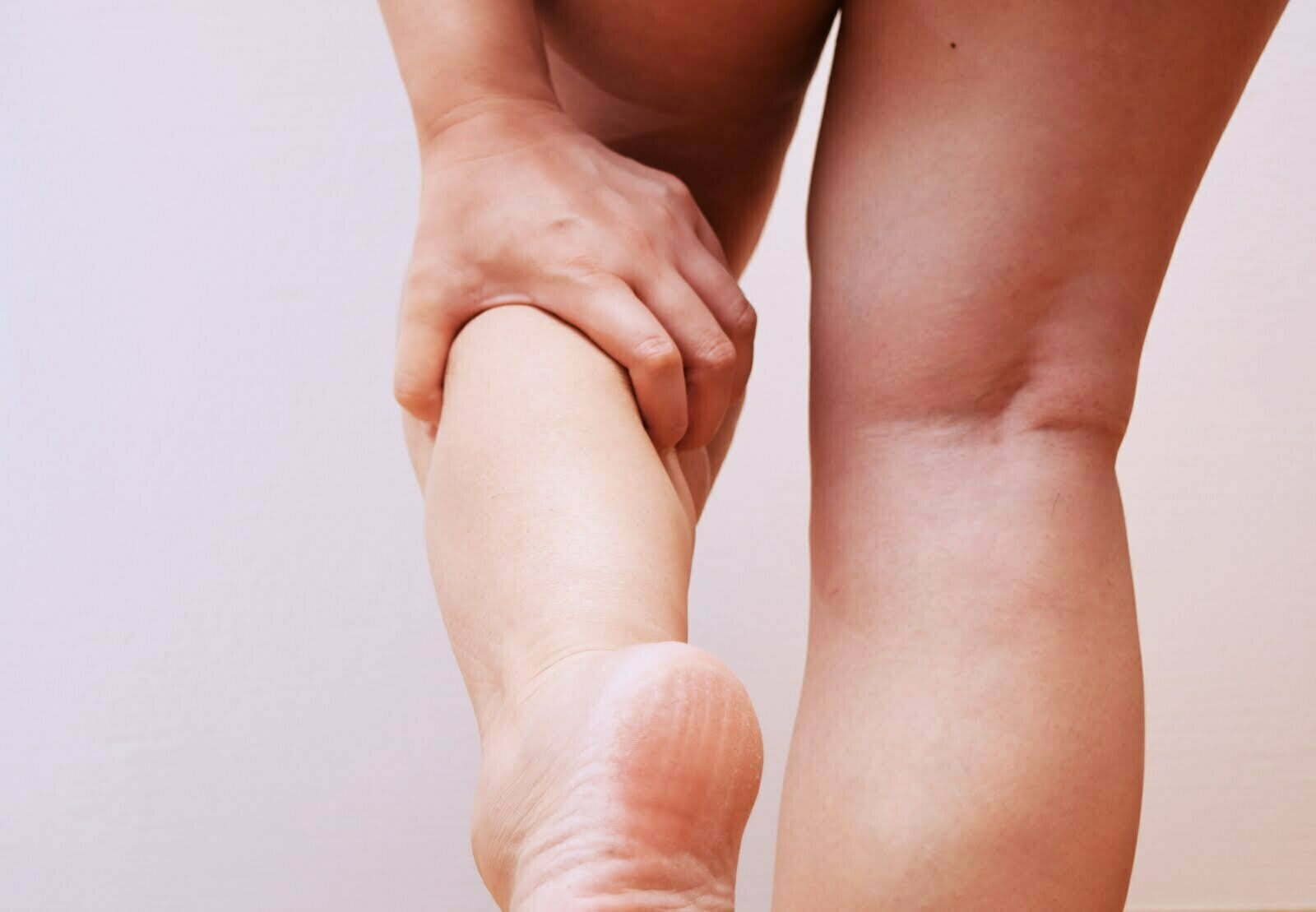
Heavy legs rarely appear completely alone. The accompanying symptoms often provide important clues about the underlying cause.
Circulatory and Vein-Related Symptoms
The most common symptom group comes from impaired venous blood return.
Legs that feel heavy, swollen, and achy — particularly at the end of the day — often point to chronic venous insufficiency or varicose veins.
Look for these accompanying signs:
- Swelling in the ankles and feet, especially by late afternoon
- Visible blue or purple bulging veins on the legs
- Skin discoloration, thickening, or a brownish tint around the ankles
- A tight, full sensation in the lower leg after standing
- Nighttime leg cramps that disrupt sleep
- Itching or burning around the varicose veins
- Slow-healing wounds or ulcers near the ankles in severe cases
Neurological Symptoms
When the cause is neurological — such as multiple sclerosis or peripheral neuropathy — the heavy leg sensation often comes with additional nerve-related signs.
- Numbness or tingling starting in the feet and moving upward
- A buzzing, burning, or electric-shock sensation in the legs
- Muscle spasticity — stiffness or involuntary spasms in the leg muscles
- Balance problems and difficulty coordinating movement
- Weakness that is significantly worse with heat or physical exertion
Arterial and Cardiovascular Symptoms
When peripheral artery disease is the cause, the symptoms follow a different pattern.
- Leg cramping or pain that starts with walking and resolves with rest (claudication)
- Coldness in the lower leg or foot compared to the other leg
- Pale or bluish skin color in the affected limb
- Slow-healing sores on the feet or toes
Warning Signs That Require Immediate Medical Attention
Some combinations of symptoms signal a medical emergency that requires immediate professional care.
| Warning Sign | Possible Emergency | Action |
|---|---|---|
| Sudden leg heaviness with one-sided swelling, warmth, redness | Deep Vein Thrombosis (DVT) | Go to emergency room immediately |
| Leg heaviness with chest pain or shortness of breath | Pulmonary Embolism | Call emergency services now |
| Sudden leg weakness with loss of bladder control | Spinal cord compression or stroke | Emergency evaluation required |
| Leg heaviness with severe chest pain radiating to arm | Cardiac event | Call emergency services immediately |
Treatment Options for Heavy Legs
Treatment depends entirely on the underlying cause identified through proper medical diagnosis.
Medical Treatments
For Chronic Venous Insufficiency and Varicose Veins:
Modern vein treatments in 2026 are minimally invasive, covered by most insurance plans, and require little to no downtime.
- Sclerotherapy — a solution is injected directly into the damaged vein, causing it to collapse and eventually be absorbed by the body
- Endovenous Laser Therapy (EVLT) — laser energy heats and seals the damaged vein from inside, rerouting blood to healthier vessels
- Radiofrequency Ablation (RFA) — radiofrequency energy is used to close off the faulty vein in a similar manner to EVLT
- VenaSeal — a medical adhesive is used to seal damaged veins, redirecting blood flow without the use of heat
- Phlebectomy — a minor surgical procedure to remove varicose veins close to the skin surface through tiny incisions
For Peripheral Artery Disease:
- Lifestyle changes including quitting smoking, adopting a heart-healthy diet, and regular walking programs
- Medications to control cholesterol, blood pressure, blood sugar, and prevent blood clots
- Angioplasty — a minimally invasive procedure where a small balloon opens the narrowed artery
- Bypass surgery in severe cases to reroute blood around a blocked artery
For Multiple Sclerosis:
- Disease-modifying therapies (DMTs) to slow disease progression and reduce relapses
- Physical therapy to strengthen leg muscles and prevent deconditioning
- Medications for spasticity, pain, and fatigue management
- Modafinil or amantadine prescribed off-label for MS-related fatigue in some patients
For Anemia and Hypothyroidism:
These causes respond well to targeted treatment once properly diagnosed through blood testing.
- Iron supplementation or B12 injections for deficiency anemia
- Thyroid hormone replacement therapy (levothyroxine) for hypothyroidism
- Dietary improvements to support red blood cell production
Home Remedies and Lifestyle Changes for Heavy Legs
For mild to moderate cases, or as complementary support alongside medical treatment, several lifestyle strategies can provide meaningful relief.
Leg Elevation:
Elevating your legs above heart level for 15 to 20 minutes several times daily encourages blood to drain away from the lower extremities, reducing the heaviness and pressure.
Use a reclining chair, pillows, or a footstool to achieve the correct angle. Elevation is one of the most immediately effective home remedies for venous-related leg heaviness.
Compression Stockings:
Medical-grade compression stockings apply graduated pressure to the legs, starting strongest at the ankle and decreasing toward the knee or thigh.
This pressure assists the vein walls in pushing blood back toward the heart, reducing pooling, swelling, and the heavy sensation throughout the day.
Compression stockings are particularly effective for people who stand or sit for long periods and for those with early-stage venous insufficiency.
Regular Physical Activity:
The calf muscles act as a natural pump for venous blood, squeezing blood upward with every step.
Regular walking, cycling, swimming, and calf raises all activate this pump, improving circulation and significantly reducing heavy leg symptoms over time.
Even 20 to 30 minutes of low-impact activity daily can produce measurable improvement in leg heaviness related to circulation issues.
Hydration:
Drinking adequate water throughout the day keeps blood at the proper viscosity and supports efficient circulation through the leg veins.
Aim for at least 8 glasses of water daily, and increase intake during exercise, hot weather, or after alcohol consumption.
Avoiding Prolonged Sitting or Standing:
When you must sit for extended periods, take a short walk or do ankle rotations and calf raises every 30 to 60 minutes.
When standing for long periods, shift your weight frequently and consider anti-fatigue mats.
Maintaining a Healthy Weight:
Even moderate weight loss can significantly reduce the pressure on your leg veins and improve blood return to the heart.
A combination of a balanced diet and regular physical activity is the most effective approach for sustainable weight management in this context.
Cold and Warm Water Therapy:
Alternating cold and warm water on the legs during a shower or bath can stimulate circulation and temporarily relieve the heavy feeling.
Cold water causes blood vessels to constrict while warm water causes them to dilate — this alternation creates a pumping effect that encourages blood flow.
Reducing Salt Intake:
High sodium intake promotes fluid retention throughout the body, including in the legs.
Reducing processed foods, added salt, and high-sodium condiments can meaningfully reduce the swelling and heaviness caused by water retention.
Heavy Legs: Home Remedies Comparison Table
| Home Remedy | Best For | Expected Relief Timeline |
|---|---|---|
| Leg Elevation | Venous insufficiency, end-of-day swelling | Immediate, during elevation |
| Compression Stockings | CVI, varicose veins, prolonged standing | Noticeable within days of consistent use |
| Walking and Exercise | All circulation-related causes | Gradual improvement over weeks |
| Hydration | Dehydration, mild fatigue-related heaviness | Within hours to days |
| Cold and Warm Therapy | Mild circulatory support, post-exercise | Immediate short-term relief |
| Weight Management | CVI, PAD, obesity-related heaviness | Improvement over weeks to months |
| Salt Reduction | Fluid retention, ankle swelling | Within days of dietary changes |
| Elevation with Rest | Post-exercise overtraining heaviness | Within 24 to 48 hours of rest |
When Should You See a Doctor for Heavy Legs?
Not every case of heavy legs requires medical attention, but certain patterns and symptoms should prompt a timely consultation with a healthcare provider.
See a doctor if:
- The heavy feeling persists for more than two weeks without an obvious cause
- One leg feels significantly heavier or more swollen than the other
- The heaviness is accompanied by visible skin changes, discoloration, or slow-healing wounds
- You notice new or worsening varicose veins alongside the heaviness
- The sensation is accompanied by numbness, tingling, or burning
- You have known risk factors for PAD, DVT, or heart disease
- Over-the-counter measures and lifestyle changes have provided no relief
- The heaviness is interfering with your daily activities, work, or sleep
Seek emergency care immediately if heaviness develops suddenly in one leg with swelling, warmth, and redness, or if it is accompanied by chest pain or breathing difficulty.
Risk Factors for Heavy Legs
Understanding your personal risk factors helps you take proactive steps before symptoms worsen.
| Risk Factor | Conditions It Increases Risk For |
|---|---|
| Age over 40 | CVI, varicose veins, PAD |
| Female sex | Varicose veins, CVI, RLS during pregnancy |
| Pregnancy | Varicose veins, CVI, DVT |
| Smoking | PAD, DVT |
| Obesity | CVI, varicose veins, PAD |
| Diabetes | PAD, peripheral neuropathy |
| Prolonged standing or sitting | CVI, varicose veins |
| Family history of vein disease | Varicose veins, CVI |
| Sedentary lifestyle | All circulatory conditions |
| High blood pressure | PAD, CVI |
| Iron deficiency | Anemia, RLS |
Prevention Tips for Heavy Legs in 2026

Preventing heavy legs is largely about supporting healthy circulation and avoiding the behaviors and conditions that impair blood return from the legs.
- Take regular movement breaks during long periods of sitting or standing at work
- Wear compression stockings if your job requires prolonged standing or if you have a family history of vein disease
- Stay well-hydrated throughout the day
- Exercise at least 30 minutes most days of the week with a focus on activities that use the calf muscles
- Maintain a healthy body weight to reduce pressure on leg veins
- Elevate your legs for 15 minutes in the evening after a long day
- Avoid crossing your legs when sitting, as this restricts blood flow
- Quit smoking — it is one of the single most effective steps to protect vascular health
- Eat a balanced diet low in sodium and rich in anti-inflammatory foods including fruits, vegetables, whole grains, and omega-3 fatty acids
- Manage underlying health conditions like diabetes, high blood pressure, and high cholesterol proactively
Frequently Asked Questions (FAQs)
Q1. Why do my legs feel heavy all the time?
Legs that feel heavy all the time usually indicate an underlying issue with circulation, most commonly chronic venous insufficiency or poor blood return from the legs. A doctor can diagnose the cause through a physical examination and ultrasound assessment.
Q2. Why do my legs feel heavy when walking?
Leg heaviness that appears or worsens specifically during walking is a hallmark symptom of peripheral artery disease (PAD), where narrowed arteries cannot supply enough blood to the working muscles. This symptom is called claudication and requires prompt medical evaluation.
Q3. Why do my legs feel heavy and tired after sitting?
Prolonged sitting restricts the calf muscle pump and allows blood to pool in the lower legs, causing that heavy, stiff feeling when you stand up. Regular movement breaks, leg exercises at your desk, and compression stockings can help significantly.
Q4. Can anemia cause heavy legs?
Yes, anemia — particularly iron deficiency anemia — reduces the oxygen-carrying capacity of the blood, leaving leg muscles starved of oxygen and causing persistent fatigue, weakness, and a heavy sensation throughout the lower limbs.
Q5. Is heavy legs a sign of heart disease?
Heavy legs can be associated with cardiovascular conditions, particularly peripheral artery disease and chronic venous insufficiency, both of which affect blood vessels connected to the heart’s circulation. Persistent leg heaviness should be evaluated by a doctor to rule out cardiovascular involvement.
Q6. Can dehydration cause heavy legs?
Yes, dehydration thickens the blood and reduces circulation efficiency, which can cause the legs to feel heavy, cramped, and fatigued — particularly after exercise or in hot weather. Increasing water intake often provides rapid improvement in dehydration-related leg heaviness.
Q7. Why do my legs feel heavy at night?
Leg heaviness at night is commonly associated with restless legs syndrome (RLS), chronic venous insufficiency, and the accumulated pressure of a full day of standing or sitting. Elevating the legs, gentle stretching, and cool water therapy before bed can help provide nighttime relief.
Q8. Can multiple sclerosis cause heavy legs?
Yes, heavy legs are one of the most common symptoms of multiple sclerosis. MS-related leg heaviness is caused by nerve damage that disrupts muscle signals, combined with the profound fatigue that affects up to 90% of people living with MS.
Q9. What vitamin deficiency causes heavy legs?
Iron deficiency is most commonly linked to heavy, fatigued legs through anemia and its association with restless legs syndrome. Vitamin B12 deficiency and vitamin D deficiency have also been linked to peripheral neuropathy, muscle weakness, and the sensation of heavy, difficult-to-move legs.
Q10. When should I be worried about heavy legs?
You should see a doctor if heavy legs persist for more than two weeks, appear suddenly in only one leg with swelling and warmth, are accompanied by numbness or skin changes, or do not improve with rest and home remedies. Sudden one-sided heaviness with swelling requires emergency evaluation for DVT.
Conclusion
Why do my legs feel heavy is a question with many possible answers, and finding the right one is the key to getting effective relief.
From the most common culprit — chronic venous insufficiency — to serious conditions like peripheral artery disease, deep vein thrombosis, multiple sclerosis, and anemia, the causes span a wide medical spectrum.
Many cases respond well to lifestyle changes such as regular exercise, leg elevation, compression stockings, and proper hydration.
Others require minimally invasive medical procedures or targeted treatments for underlying conditions. The most important step is not to dismiss persistent leg heaviness as simply getting older or being tired.
Listen to your body, track your symptoms, and consult a healthcare professional early. With the right diagnosis and approach, relief is very achievable in 2026.
