

Why do my balls hurt is one of the most common but least discussed health questions men type into search engines every day.
Testicular pain, medically known as orchialgia or scrotalgia, can range from a mild, temporary ache to a sharp, severe pain that signals a medical emergency.
Whether the discomfort came on suddenly or has been building for weeks, understanding the root cause is the first and most important step toward relief.
What Is Testicular Pain and Why Does It Happen?
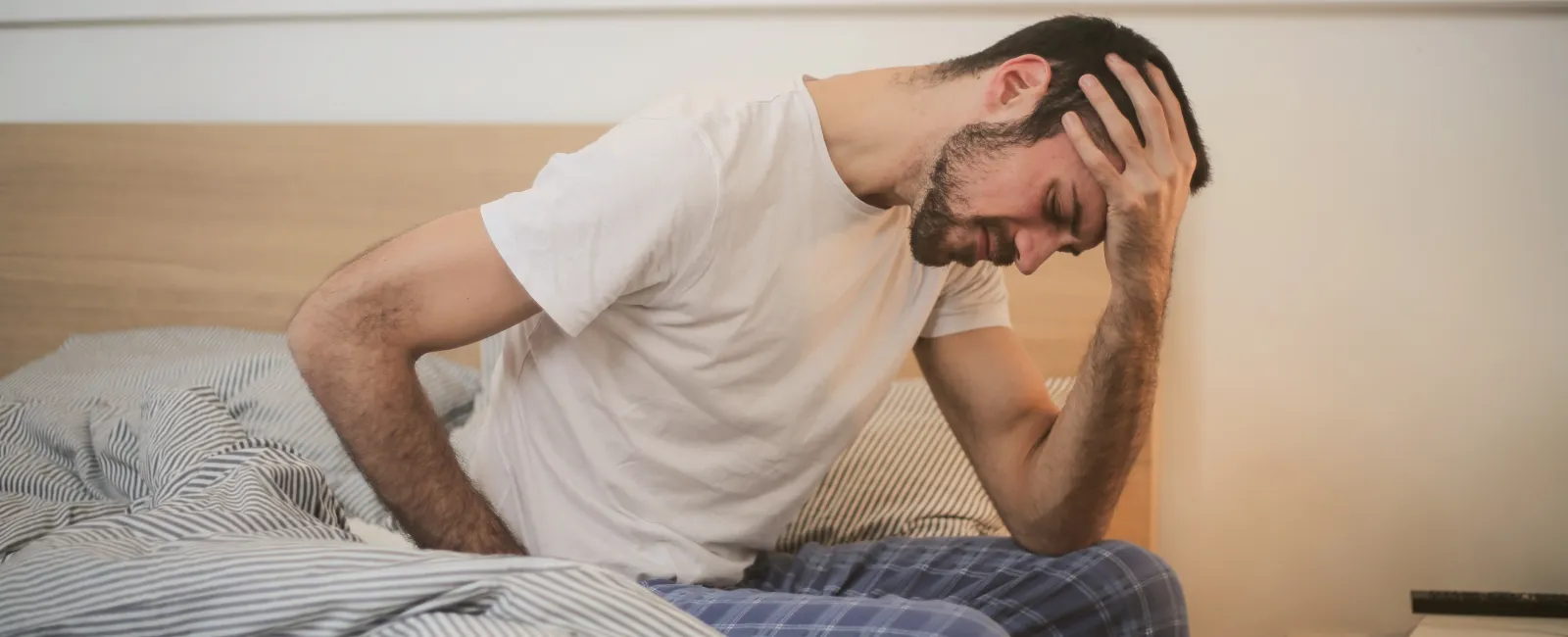
The testicles are among the most sensitive organs in the male body. They sit inside the scrotum, a protective pouch of skin that also contains nerves, veins, and arteries.
Because of this dense network of sensitive tissue, even minor irritation can cause significant discomfort. Pain can be acute, meaning it starts suddenly, or chronic, meaning it persists for three months or more.
Doctors classify testicular pain as acute or chronic. Acute pain appears fast and is often tied to an injury or infection. Chronic orchialgia is longer-lasting and sometimes harder to diagnose.
Why Do My Balls Hurt? The Most Common Causes
Understanding what is causing your pain is the most critical part of getting the right treatment. Here is a full breakdown of every major cause.
Testicular Trauma or Physical Injury
A direct hit to the groin is the most obvious reason your balls can hurt. The testicles have very little bony or muscular protection, making them extremely vulnerable to impact.
Minor trauma typically causes pain that fades within one hour. If pain continues beyond that window or swelling develops, you need medical evaluation.
Sports injuries, falls, and accidental impacts are the leading causes of trauma-related testicular pain in men under 40.
Testicular Torsion: The Emergency You Cannot Ignore
Testicular torsion is a medical emergency that occurs when the spermatic cord twists and cuts off blood supply to the testicle. It affects approximately 1 in 4,000 males under the age of 25.
The pain is sudden, severe, and usually one-sided. Nausea and vomiting often accompany it. The testicle may appear higher than normal inside the scrotum.
This condition requires surgical treatment within 6 hours of symptom onset. Delayed treatment can result in permanent loss of the testicle. If you experience sudden, severe testicular pain, go to the emergency room immediately.
Epididymitis: Infection of the Epididymis
Epididymitis is inflammation of the epididymis, the coiled tube located behind each testicle that stores and carries sperm. It is one of the most common causes of chronic and acute scrotal pain in adult men.
Bacterial infections, including sexually transmitted infections like chlamydia and gonorrhea, are the leading culprits. Urinary tract infections can also spread to the epididymis.
Symptoms include gradual onset pain, swelling, warmth, and sometimes discharge or pain during urination. Treatment involves antibiotics and anti-inflammatory medications.
Orchitis: Testicular Inflammation
Orchitis is inflammation of one or both testicles. It can result from a bacterial or viral infection, including the mumps virus, which is a well-documented cause in children and young men.
The condition often develops alongside epididymitis, a combination called epididymo-orchitis. The testicle becomes swollen, tender, and warm to the touch.
Bacterial orchitis is treated with antibiotics. Viral orchitis is managed with rest, ice, and over-the-counter pain relief while the infection runs its course.
Varicocele: Enlarged Veins in the Scrotum
A varicocele is an enlargement of the veins within the scrotum, similar to varicose veins in the legs. It is present in roughly 15% of all men and in up to 40% of men evaluated for infertility.
Varicocele pain is typically described as a dull, heavy ache that worsens after physical activity, prolonged standing, or exercise. It often improves when lying down.
Left untreated, varicoceles can impact sperm production and fertility. Treatment options include surgical repair or a minimally invasive procedure called varicocele embolization.
Inguinal Hernia and Referred Pain
An inguinal hernia occurs when tissue, often a portion of the intestine, pushes through a weak spot in the abdominal muscles into the groin. Pain can radiate directly into the scrotum and mimic testicular pain.
Men often feel a bulge near the groin that is more noticeable when standing, coughing, or straining. The discomfort can range from mild to severe depending on hernia size and position.
Surgical repair is typically required for inguinal hernias that cause persistent pain or complications.
Kidney Stones and Referred Scrotal Pain
The testicles share nerve pathways with the kidneys and urinary tract. This means pain originating in the kidneys or ureters can radiate down and feel like testicular pain.
Men passing kidney stones often describe a sharp, wave-like pain that starts in the back or side and moves toward the groin and scrotum. Urinary symptoms like blood in urine often accompany it.
Treatment depends on stone size and location and ranges from increased fluid intake to surgical removal.
Epididymal Hypertension: Blue Balls Explained
Epididymal hypertension, commonly called blue balls, is scrotal pain caused by prolonged sexual arousal without orgasm. Blood accumulates in the genital area and causes a temporary aching sensation.
The condition is not dangerous and resolves on its own within a few hours once arousal subsides. Orgasm typically provides faster relief.
Despite the slang name, this condition is medically real but considered harmless and does not require medical treatment.
Hydrocele: Fluid Buildup Around the Testicle
A hydrocele is a collection of fluid that builds up in the sac surrounding the testicle. It is especially common in newborns but can also develop in adults following injury or infection.
Most hydroceles are painless and present as scrotal swelling rather than sharp pain. Discomfort, when present, is usually a sense of heaviness or pressure.
Small hydroceles may resolve on their own. Larger ones that cause significant discomfort are treated surgically.
Hematocele: Blood Accumulation After Injury
A hematocele occurs when blood collects around the testicle, typically after trauma. The scrotal sac fills with blood, causing swelling, pain, and discoloration.
This condition requires medical evaluation. Small hematoceles may absorb on their own, while larger ones often need surgical drainage to prevent complications.
Spermatocele: Cyst on the Epididymis

A spermatocele is a benign cyst that forms in the epididymis and contains fluid and dead sperm cells. Most spermatoceles are painless and discovered during routine self-examination.
Larger cysts can cause a dull ache or a sensation of pressure. They do not affect fertility and typically do not require treatment unless symptoms are significant.
Surgical removal is an option when pain persists, though most urologists recommend monitoring rather than operating on small spermatoceles.
Testicular Cancer: When Pain May Signal Something Serious
Many people assume testicular cancer is always painful. In reality, testicular cancer is most often painless and presents as a hard, painless lump on one testicle.
However, some men do experience a dull ache or heaviness in the lower abdomen or scrotum associated with testicular cancer. A feeling of heaviness without a visible lump also warrants investigation.
Testicular cancer is the most common cancer in men aged 15 to 35. Early detection significantly improves outcomes. Monthly self-exams are the best way to catch changes early.
Prostatitis and Lower Pelvic Pain
Prostatitis, or inflammation of the prostate gland, can cause pain that radiates into the testicles and perineum. Chronic prostatitis is a frequent but underrecognized cause of persistent scrotal discomfort.
Men with prostatitis may also experience painful urination, difficulty urinating, pelvic pressure, and pain during or after ejaculation.
Treatment depends on whether the prostatitis is bacterial or non-bacterial and may include antibiotics, alpha-blockers, pelvic floor physical therapy, and anti-inflammatory medications.
Sitting Too Long and Lifestyle Causes
Prolonged sitting, especially on hard surfaces or bicycle seats, compresses the perineum and restricts blood flow to the scrotal area. This causes a dull, persistent ache that many men attribute to other causes.
Tight underwear and clothing can also create pressure and heat that leads to scrotal discomfort. Overheating of the testicles affects both comfort and sperm production.
Simple adjustments like taking breaks from sitting, switching to looser underwear, and using a padded cycling seat can eliminate this type of pain entirely.
Full Causes Comparison Table
| Cause | Type of Pain | Urgency Level | Treatment |
|---|---|---|---|
| Testicular Torsion | Sudden, severe | Emergency | Surgery within 6 hours |
| Epididymitis | Gradual, dull ache | Within 24–48 hrs | Antibiotics |
| Orchitis | Swelling, soreness | Within 24–48 hrs | Antibiotics or rest |
| Varicocele | Dull, heavy ache | Non-urgent | Surgery or embolization |
| Trauma/Injury | Sharp, then dull | Monitor 1 hour | Ice, rest, or ER |
| Kidney Stones | Radiating, wave-like | Urgent | Fluids or surgery |
| Inguinal Hernia | Aching, pressure | Non-urgent | Surgical repair |
| Hydrocele | Pressure, heaviness | Non-urgent | Monitoring or surgery |
| Epididymal Hypertension | Dull ache | Self-resolving | None needed |
| Spermatocele | Mild pressure | Non-urgent | Monitoring |
| Testicular Cancer | Dull ache or lump | Urgent | Oncology referral |
| Prostatitis | Dull, radiating | Within 48 hrs | Antibiotics or PT |
| Prolonged Sitting | Dull, diffuse | Self-resolving | Lifestyle change |
Warning Signs: When to See a Doctor Immediately
Knowing when to seek emergency care versus scheduling a routine appointment could save your testicle or your life.
Go to the Emergency Room Right Away If You Have:
A sudden, severe pain in one testicle is the single most important emergency warning sign. This pattern is the hallmark of testicular torsion, which can cause permanent damage in as little as six hours.
Testicular swelling that appeared within the last few hours combined with nausea or vomiting also warrants an immediate ER visit. Do not wait to see if it improves on its own.
A testicle that appears visibly higher than normal in the scrotum or has a horizontal position is another torsion warning sign that requires immediate action.
Schedule a Urgent Appointment Within 24 to 48 Hours If You Have:
Pain that has lasted longer than one hour without an obvious cause needs same-day or next-day medical evaluation. One hour is the standard medical benchmark used by urologists.
Scrotal swelling that is gradually worsening with mild pain and warmth is consistent with epididymitis or orchitis, both of which require antibiotic treatment and should not be left untreated for days.
Discharge from the penis combined with testicular discomfort suggests a sexually transmitted infection that needs prompt diagnosis and treatment to prevent complications and transmission.
Schedule a Routine Appointment If You Notice:

A painless or mildly uncomfortable lump on one testicle is not an emergency but must be evaluated. Testicular cancer presents this way in the majority of cases, and early-stage treatment outcomes are excellent.
A persistent dull ache lasting more than two weeks without a clear cause warrants evaluation for varicocele, spermatocele, prostatitis, or chronic orchialgia.
Changes in testicle size, firmness, or texture should always be assessed even in the absence of significant pain.
Warning Signs Summary Table
| Symptom | Action | Timeframe |
|---|---|---|
| Sudden severe one-sided pain | Emergency Room | Immediately |
| Pain plus nausea and vomiting | Emergency Room | Immediately |
| Testicle visibly higher in scrotum | Emergency Room | Immediately |
| Pain lasting more than 1 hour | Urgent care or doctor | Same day |
| Scrotal swelling with warmth | Doctor | Within 24–48 hrs |
| Penile discharge with pain | Doctor | Within 24–48 hrs |
| Painless lump on testicle | Doctor | Within 1 week |
| Dull ache lasting 2+ weeks | Routine appointment | Within 2 weeks |
| Size or texture change | Routine appointment | Within 2 weeks |
How Doctors Diagnose Testicular Pain
When you visit a doctor with testicular pain, they follow a structured process to identify the cause. Understanding this process reduces anxiety and helps you prepare.
The doctor will begin with a physical examination of the scrotum, testicles, epididymis, and groin area. They will check for swelling, tenderness, lumps, and any abnormal positioning.
A scrotal ultrasound is the most commonly ordered imaging test. It provides detailed images of blood flow and internal structures within the scrotum and can identify torsion, epididymitis, varicocele, hydrocele, and tumors with high accuracy.
Urine tests help diagnose infections including UTIs. STI swabs or blood tests are ordered when chlamydia, gonorrhea, or other infections are suspected. Tumor markers in the blood are tested when cancer is a concern.
How to Fix Testicular Pain: Treatment Options by Cause
Treatment depends entirely on the underlying diagnosis. Here is a practical guide to what each condition requires.
At-Home Relief for Minor Pain
For mild, short-term pain with an obvious cause such as minor trauma or prolonged sitting, several home measures can help within the first 24 hours.
Applying an ice pack wrapped in a cloth to the scrotum for 10 to 20 minutes reduces swelling and numbs acute pain. Never apply ice directly to skin.
Lying down and placing a folded towel under the scrotum elevates it, reducing pressure and improving blood flow. This position is especially helpful for varicocele-related discomfort after a long day on your feet.
Over-the-counter pain relievers such as ibuprofen or acetaminophen reduce both pain and inflammation. Ibuprofen is preferred when swelling is present because it targets inflammation directly.
Wearing an athletic supporter or supportive underwear keeps the scrotum elevated and reduces movement-related discomfort throughout the day.
A warm bath can ease muscle tension and mild scrotal aching caused by prolonged sitting or minor strain.
Antibiotic Treatment for Infections
Epididymitis and orchitis caused by bacterial infections, including STIs, require a full course of prescription antibiotics. The specific antibiotic depends on the suspected organism.
Doxycycline is commonly prescribed for chlamydia-related epididymitis. Ceftriaxone is used for gonorrhea. Both infections typically require a combination of both drugs.
Completing the full antibiotic course even after symptoms improve is essential. Stopping early allows bacteria to survive and potentially become resistant.
Sexual partners must be notified and tested if an STI is diagnosed. This is both a medical and ethical responsibility.
Surgical Treatment When Required
Testicular torsion requires emergency surgery called detorsion. The surgeon untwists the spermatic cord and stitches both testicles to the scrotum wall to prevent future torsion in a procedure called orchiopexy.
Varicocele repair, called varicocelectomy, involves tying off the enlarged veins. A less invasive option called percutaneous embolization blocks blood flow through the affected veins using a catheter and coil.
Hydrocele surgery, called hydrocelectomy, drains and removes the fluid-filled sac. It is a straightforward outpatient procedure with a short recovery period.
Inguinal hernia repair involves pushing the herniated tissue back into place and reinforcing the weakened abdominal wall with mesh.
Lifestyle Adjustments That Reduce Recurring Pain

For men with varicocele, regular periods of elevation and avoiding prolonged standing can reduce day-to-day discomfort while awaiting or after treatment.
Switching from tight briefs to boxer-style underwear reduces heat and pressure on the testicles. Heat is one of the primary enemies of both testicular comfort and sperm production.
Cyclists experiencing recurring scrotal pain should invest in a properly fitted seat with a central cutout. Bike saddle pressure on the perineum is a documented cause of chronic scrotal and penile nerve pain.
Staying well hydrated reduces the risk of UTIs and kidney stones, both of which can cause referred testicular pain. Drinking 2 to 3 liters of water daily is a standard preventive recommendation.
Testicular Self-Examination: How and Why to Do It Monthly
Monthly testicular self-exams are the most effective tool for catching early-stage testicular cancer and identifying other abnormalities before they become serious.
The best time to perform a self-exam is after a warm shower or bath when the scrotal skin is relaxed. Gently roll each testicle between the thumb and fingers, feeling for any lumps, hard spots, or changes in texture.
Healthy testicles are oval-shaped, firm but not hard, and smooth on the surface. The epididymis behind each testicle is soft and slightly bumpy, which is normal.
Any new lump, swelling, hardness, or change in size should be reported to a doctor promptly. Most testicular lumps are not cancerous, but all of them need to be evaluated.
Testicular Pain and Male Fertility: What You Should Know
Several conditions that cause testicular pain also have direct implications for male fertility. Understanding this connection is important for men who are planning to have children.
Varicocele is the most common treatable cause of male infertility. The enlarged veins increase scrotal temperature, which impairs sperm production and quality. Varicocele repair can significantly improve sperm parameters in many men.
Epididymitis, if untreated or recurrent, can cause scarring in the epididymis that blocks sperm transport. This blockage may lead to obstructive azoospermia, where sperm are produced but cannot reach the ejaculate.
Testicular torsion that is not surgically corrected within the critical window can result in permanent damage to the affected testicle, reducing overall sperm production and testosterone output.
Regular medical care for testicular conditions protects both sexual health and long-term reproductive potential.
Chronic Testicular Pain: When No Cause Is Found
Chronic orchialgia, persistent testicular pain lasting three months or more, affects a significant number of men. In roughly 25 to 50 percent of these cases, no specific structural cause is identified.
This does not mean the pain is imaginary. Neurological hypersensitivity, prior infections, post-vasectomy pain syndrome, and referred pain from the lower back or pelvis are all recognized contributors to chronic orchialgia.
Treatment for unexplained chronic testicular pain includes pelvic floor physical therapy, nerve block injections into the spermatic cord, low-dose antidepressants for nerve pain modulation, and in rare cases, surgical denervation of the spermatic cord.
A urologist specializing in male pelvic pain is the best resource for men with persistent pain that has not responded to standard treatments.
Post-Vasectomy Testicular Pain
Post-vasectomy pain syndrome affects up to 15% of men who undergo vasectomy. The pain ranges from mild intermittent discomfort to severe chronic orchialgia that significantly impacts quality of life.
The pain results from congestion and pressure buildup in the epididymis, nerve damage during the procedure, or sperm granuloma formation at the vas deferens cut site.
Treatment options include anti-inflammatory medications, nerve blocks, epididymectomy, or vasectomy reversal in cases where congestion is the primary driver. Not all men respond to the same treatment, and management often requires trial and adjustment.
Testicular Pain in Adolescents: Special Considerations
Teenage boys and young men face a higher risk of testicular torsion than any other age group. The bell-clapper deformity, a structural variation where the testicle is not properly anchored, is the primary anatomical cause.
Any sudden, severe testicular pain in a teenager is testicular torsion until proven otherwise. Emergency evaluation is not optional. This age group also experiences the highest rates of testicular cancer, making monthly self-exams a habit worth establishing early.
Parents should encourage open conversations about scrotal health with their teenage sons. Embarrassment about the topic should never delay evaluation of potentially serious symptoms.
Pain After Ejaculation: Is It Normal?
Pain after ejaculation that originates in the testicles is not considered normal and warrants evaluation. This symptom is associated with epididymitis, prostatitis, and seminal vesicle inflammation.
Mild, temporary testicular ache immediately following orgasm occasionally occurs and may relate to muscle contraction during ejaculation. This typically resolves within minutes.
Pain that persists for an hour or more after ejaculation, or that worsens with repeated ejaculations, should prompt a urology appointment. The pain response to ejaculation can help doctors distinguish between different underlying conditions.
Why Do My Balls Hurt After Exercise?
Exercise-related testicular pain is common and has several possible explanations. The most benign is simple pressure or friction from tight athletic wear during high-impact activity.
Varicocele is a particularly relevant cause for post-exercise scrotal pain. The increased blood flow during exercise worsens venous congestion in men with varicocele, producing a distinctive aching sensation that fades within 30 to 60 minutes of rest.
A hernia may also become more symptomatic after exercise due to increased intra-abdominal pressure during physical activity. If you notice a groin bulge in addition to scrotal pain after working out, hernia evaluation is warranted.
Why Do My Balls Hurt When Sitting?
Sitting for extended periods creates direct pressure on the perineum and restricts circulation to the scrotal region. Office workers, truck drivers, and cyclists are particularly susceptible to this pattern.
Sitting discomfort typically appears gradually after 30 to 60 minutes in one position and resolves quickly when you stand or move. If pain does not resolve with position change, a structural cause should be ruled out.
Using a standing desk, taking movement breaks every 30 minutes, and choosing supportive seating can eliminate sitting-related scrotal discomfort for most men.
Frequently Asked Questions (FAQs)
Why do my balls hurt for no reason?
Testicular pain without an obvious cause is often linked to epididymitis, varicocele, chronic orchialgia, or referred pain from the kidneys or lower back. See a doctor if pain lasts more than one hour.
Is testicular pain always serious?
No, many cases result from minor trauma or prolonged sitting and resolve quickly. However, sudden severe pain always requires emergency evaluation to rule out testicular torsion.
How long should testicular pain last before I see a doctor?
The standard medical guideline is one hour. If pain persists beyond 60 minutes without an obvious minor cause, seek medical attention the same day.
Can sitting too long cause my balls to hurt?
Yes, prolonged sitting compresses the perineum and restricts blood flow to the scrotum, causing a dull aching sensation. Standing, stretching, and supportive seating typically resolve this.
What does testicular torsion feel like?
Testicular torsion causes sudden, severe, one-sided pain that often comes with nausea and vomiting. The affected testicle may sit higher than normal. This is a medical emergency requiring immediate surgery.
Can a kidney stone cause testicular pain?
Yes, kidney stones can cause referred pain that radiates into the scrotum. The pain is typically wave-like and accompanied by back pain, blood in urine, or urinary urgency.
Do I need to worry about testicular cancer if my balls hurt?
Testicular cancer is usually painless and presents as a hard lump. However, a dull ache or heaviness with or without a lump warrants evaluation. Self-exams monthly are the best early detection tool.
Can epididymitis go away on its own?
Bacterial epididymitis requires antibiotics and will not resolve safely without treatment. Untreated infection can spread, worsen, and cause fertility-damaging scarring in the epididymis.
Why do my balls hurt after sex?
Post-sex testicular pain may be caused by epididymitis, prostatitis, or prolonged muscle contractions during orgasm. Mild, brief discomfort can be normal, but persistent pain after ejaculation needs evaluation.
What is the best at-home treatment for mild testicular pain?
Ice wrapped in a cloth, scrotal elevation with a rolled towel, supportive underwear, and ibuprofen are the most effective at-home remedies for mild or injury-related testicular pain.
Conclusion
Why do my balls hurt is a question every man deserves a clear, honest answer to. Testicular pain ranges from completely harmless and self-resolving to a life-threatening surgical emergency depending on the cause.
The key is never to ignore pain that lasts more than one hour, presents with severe intensity, or comes with swelling, nausea, or visible changes to the testicle.
Conditions like testicular torsion require emergency care within hours, while issues like varicocele, epididymitis, and chronic orchialgia respond well to the right medical treatment when caught early.
Monthly testicular self-exams, open conversations with your doctor, and prompt attention to warning signs are the three habits that protect both your testicular health and your long-term fertility. Your health is always worth the conversation.
